
Prolonged difficulty sleeping
Nights of insomnia due to missing someone are completely natural. But if this condition persists, you are often sleepy during the day or during sleep - sleep disruption is a sign that your mental health is having problems. At that time, you should seek psychological support to stabilize sleep and balance emotions.
Rapid loss of appetite or weight loss
Feeling hopeless, guilty or deeply sad can completely make you lose your appetite. If you lose weight quickly, eat irregularly or skip meals for a long time, your physical health will be seriously affected. At that time, you should seek psychological support to understand the cause and restore a healthy lifestyle.
Feeling of prolonged pain and depression
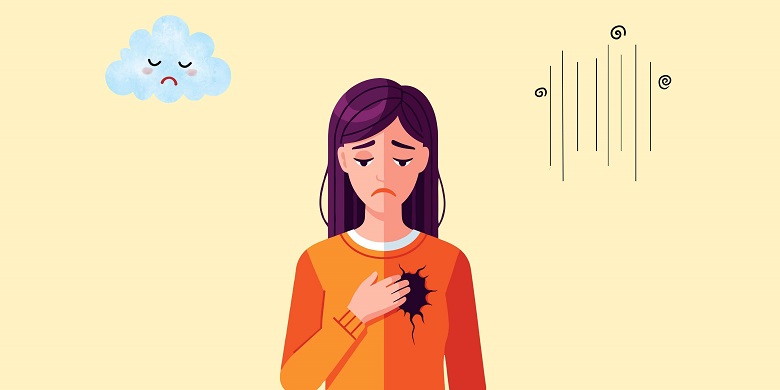
sadness is a normal reaction, but if you cry all the time, lose interest in life, or fall into a state of prolonged depression every month, it is a worrying sign. More seriously, some people even have the idea of harming themselves because the loss is too great. In such cases, seeking psychological support is extremely important to ensure safety and help you stabilize emotions.
Unreasonable anger and difficulty concentrating
The shock of losing a loved one can make you feel resentful, easily angry, often conflict with others or have difficulty concentrating on work. If these negative emotions do not subside but increasingly affect your daily activities, it is a sign that you need support to overcome this difficult period.
Loss of self-awareness
Some people fall into a state of confusion, disorientation or even lose a sense of themselves after a loved one passes away. Feeling angry, scared or not knowing how to continue living are common reactions. If you find yourself losing your life goals or no longer controlling your emotions, it is an important time to seek psychological support to be accompanied and reoriented.


