
Within the framework of the series of activities of the program "Vietnamese Ethnic Culture Day 2026", the Thai ethnic people of Thanh Hoa province recreated the wedding ceremony twice at Thai Ethnic Village, Ethnic Village Area I, Vietnamese Ethnic Culture - Tourism Village (Doai Phuong commune, Hanoi).
The custom of getting married twice has become a long-standing custom of the Thai people here. From generation to generation, the people all maintain the traditional wedding custom, gradually forming a unique cultural identity.
In the old days, due to difficult economic conditions, couples after getting married for the first time often had to wait for dozens of years to hold a second wedding. No matter how difficult it was, getting married twice still had to be done.
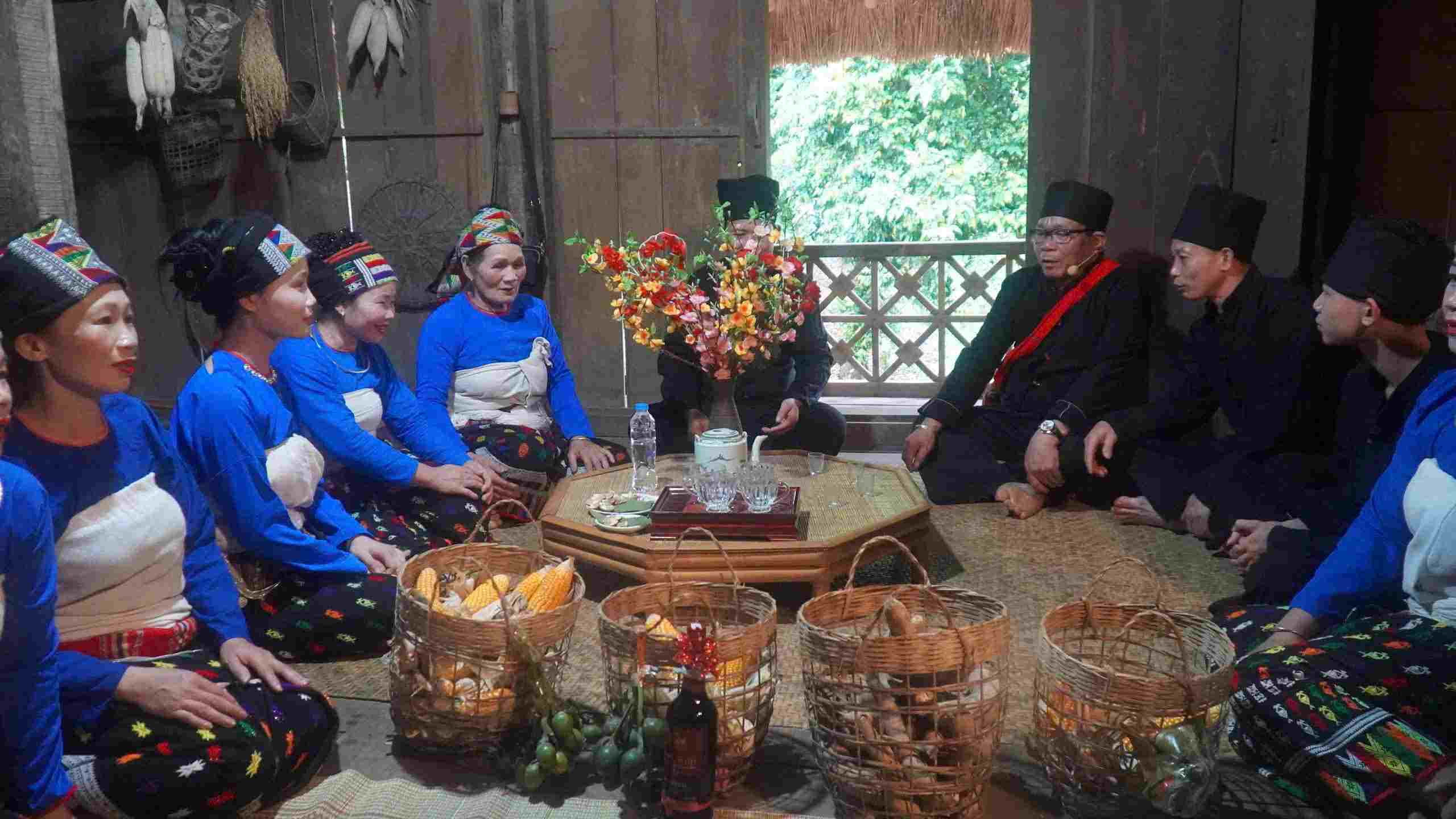
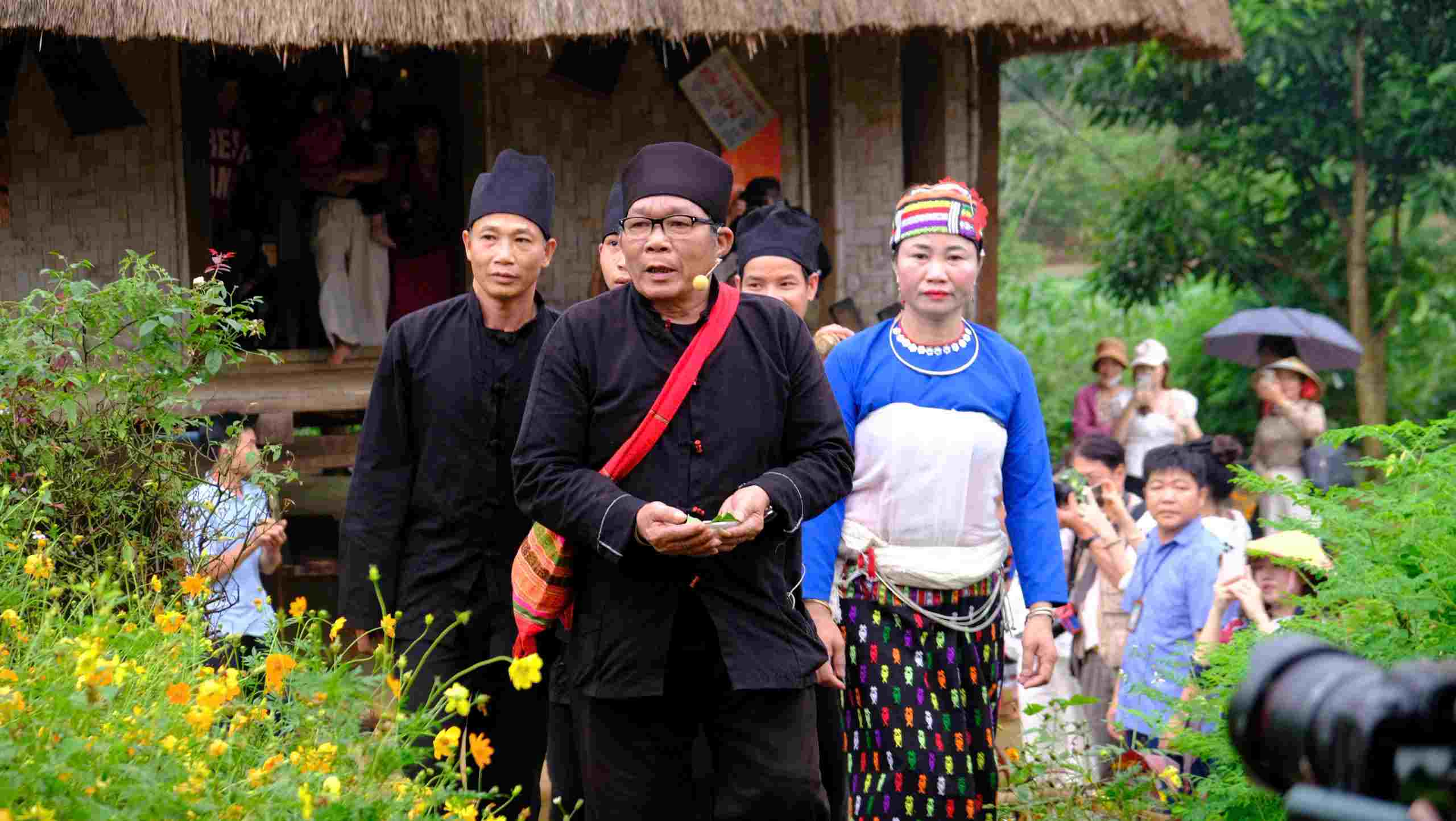
The important meaning of this custom lies in the fact that the second wedding only takes place when the man has proven his role as the pillar of the family, capable of raising his wife and children and creating a stable life. At this time, the bride's family is assured to hand over their daughter to the groom.
The time between two weddings can be only a few months, a few years, or even a decade, depending on the circumstances and economy of each family.
When holding the second wedding ceremony, the groom must prepare enough fabric, clothes, jewelry and offerings according to customs. After preparing enough offerings, the wedding day begins with traditional rituals: singing parallel sentences, performing the exorcism ceremony, worshiping the home ghost, inviting betel...
In particular, the most important ritual is washing the bride's feet when she enters her husband's house. The person performing this ritual is usually the mother-in-law, expressing the desire to wash away mundane dust and bring a new happy life to the daughter-in-law in her husband's house.
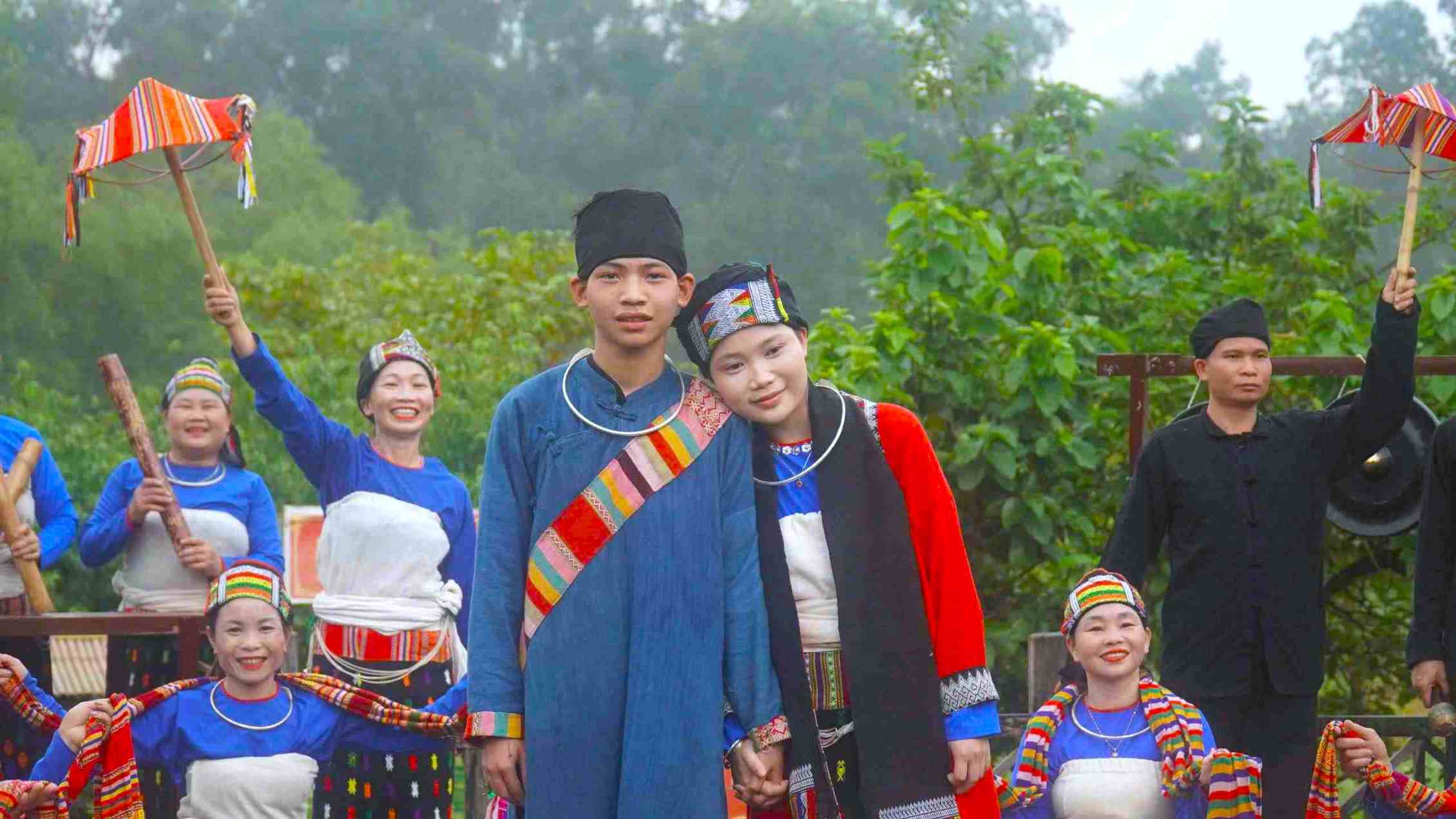
The re-enactment of the wedding ceremony twice according to traditional rituals has brought tourists and ethnic minorities the opportunity to learn about the unique cultural identity of the Thai ethnic people in Thanh Hoa province.
This is a custom imbued with humanity, clearly showing the responsibility of a man in the family and the bond between the two in-laws.
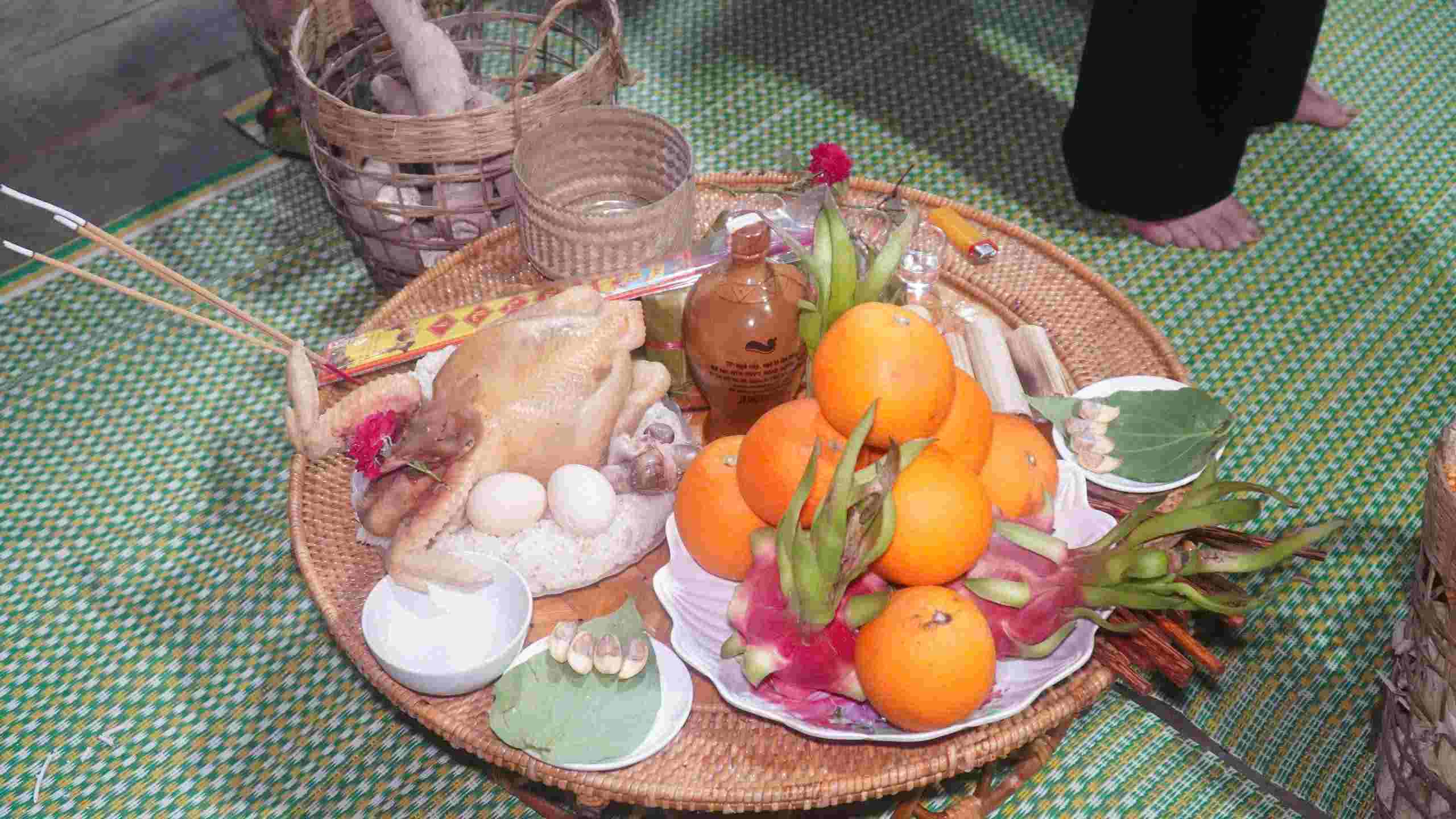
The activity is coordinated by the Department of Culture of Vietnamese Ethnic Groups with the Department of Culture, Sports and Tourism of Thanh Hoa province (Lam Son Cultural and Art Center) and a delegation of Thai ethnic artisans. The activity contributes to preserving and spreading the traditional cultural values of Vietnamese ethnic groups in the series of events "Vietnamese Ethnic Culture Day 2026".