
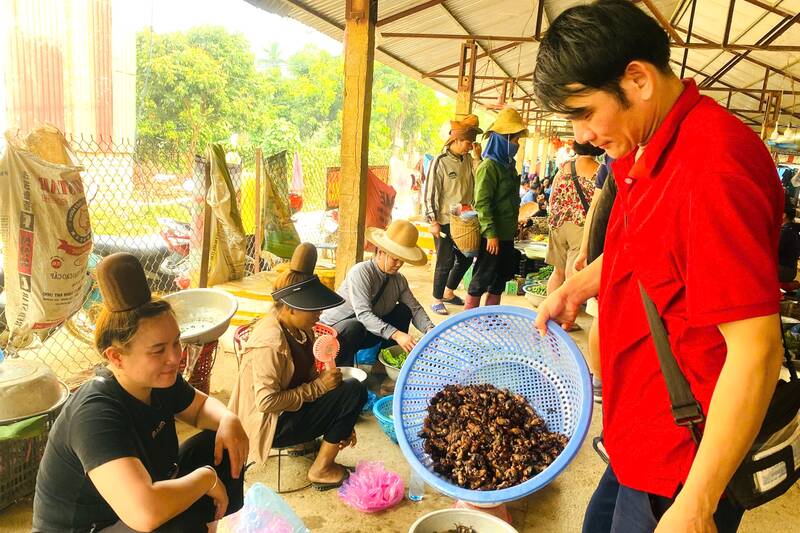
These days, at Na Sy market (Mai Son commune) and Chieng Mung market (Chieng Mung commune), milk cicadas have become a popular item when entering the early season.
From a natural product, milk ticks are now sought after by many people because of their characteristic flavor and clear seasonality.
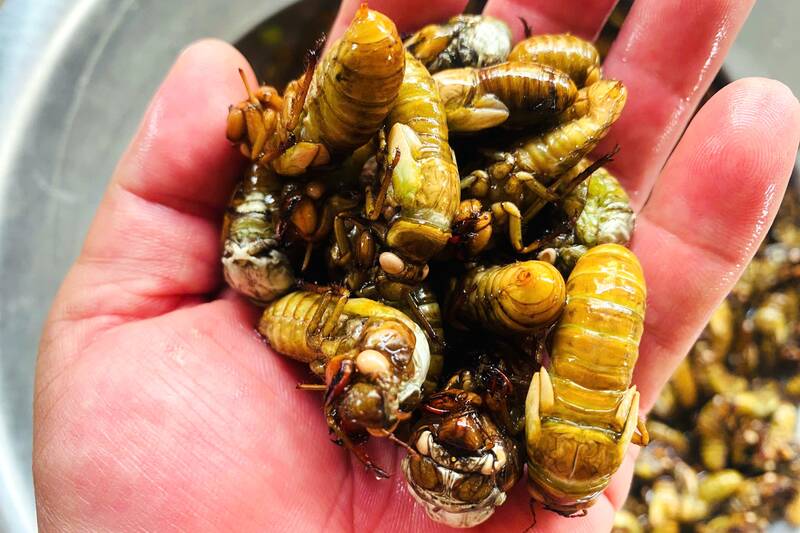
According to small traders, from the beginning of April to the end of June is the time when milky ticks appear the most. This is when tick larvae come from underground, cling to tree trunks to molt, creating a specialty food source that is only available in a short time.
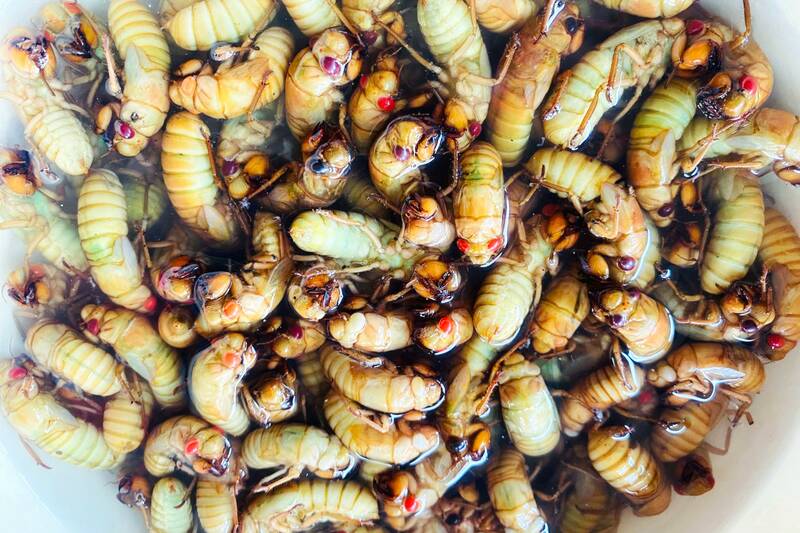
Milk ticks are most delicious when they are just molting, also known as "silk wings". At that time, the tick's body is soft, new wings sprout, and has a characteristic milky white color. Thanks to this, when processed, milk ticks have a fatty, buttery and rich taste, different from many other insects. This flavor makes milk ticks a specialty dish sought after by many diners, even though the selling price is quite high.
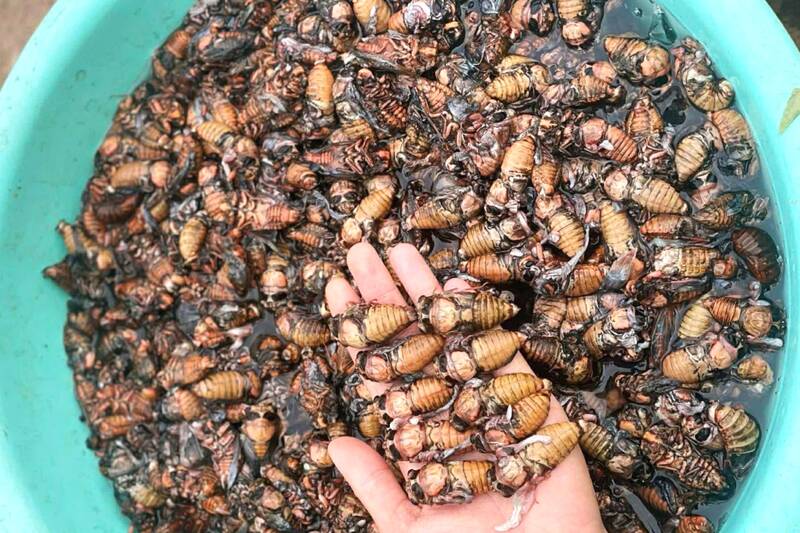
Ms. Lo Thi Ban, a small trader at Na Sy market, said: "The price of early-season milky ticks is from 250,000 - 300,000 VND/kg. When it is the peak season, when there is more supply, the price decreases to about 150,000 - 180,000 VND/kg. However, it is not always available because it depends on the weather.
To have milk ticks to sell on the market, people have to "hunt" at night - the time when young ticks crawl out of the ground to molt. In the light of a flashlight, catchers must carefully observe each tree root and branch to be able to spot ticks.
You have to keep an eye on the moment when the ticks have just molten to catch the good ones. Some days, going all night, you only get 1 - 2kg, because not every plant has ticks," Ms. Ban shared.

Also trading in this item, Ms. Lo Thi Thu, a small trader at Chieng Mung market, said that the amount of milk ticks sold each day is not much, usually only about 2 - 5kg.
When a restaurant pre-orders, the consumption volume can reach 10 - 20kg/day. Milk ticks are a seasonal specialty, so customers are very fond of them, especially at the beginning of the season," Ms. Thu said.
Not only a dish, milky ticks are also associated with the familiar daily life of many highland households every season. Mr. Hoang Ngoc Ha (Chieng Mai commune) said that his family has more than 1 hectare of coffee, every rainy season he takes advantage of catching milky ticks. "Each night he catches 2-3kg, mainly taking advantage of his free time in the evening," Mr. Ha shared.
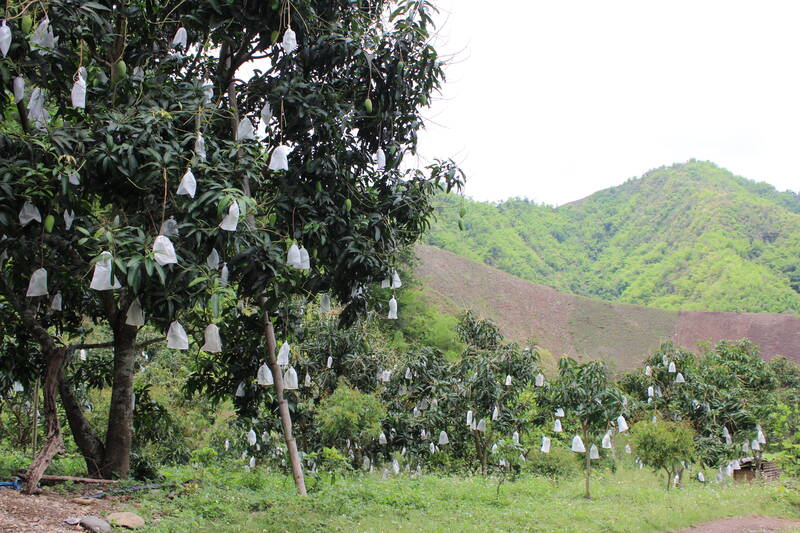
According to local people, there are two common types of milky ticks. The type caught in fruit orchards such as mango and longan is usually light green, medium in size, and is more popular because of its fatty and fragrant taste. Meanwhile, milky ticks caught in coffee fields are reddish-brown, larger, but their flavor is not rated as highly.
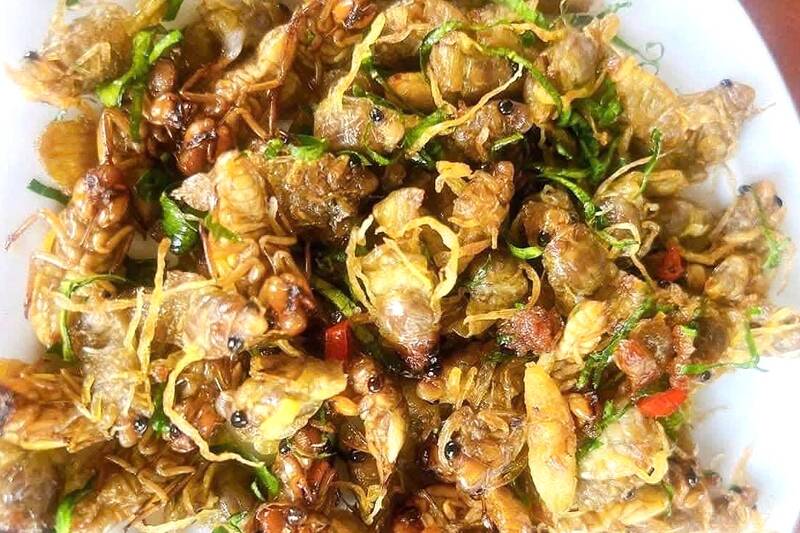
Milk ticks can be processed into many attractive dishes such as crispy fried, lemon leaf roasted, stir-fried with lemongrass and chili or porridge. The most common is lemon leaf roasted milk ticks. When roasted, ticks turn golden brown, emit a characteristic aroma, eat crispy, fatty and rich.
Mr. Cu Duc Chuyen (Hanoi) shared: "Having a plate of lemon leaf-roasted milk cicadas in the summer is very attractive. This is a strange dish, not available everywhere, so I really like going to Son La on this occasion to enjoy it.

From a rustic dish, milky civet has now become a seasonal specialty, attracting both local people and tourists. The brevity of the civet season and its unique flavor have created a distinctive attraction, contributing to enriching the culinary picture of the highlands of Son La.


