
Bringing the taste of home to a foreign land
In the heart of Hanoi, it is not difficult to encounter brunch restaurants (a familiar Western culinary style that commonly combines breakfast and lunch into one) or a grilled chicken skewer shop with Japanese flavor.
For diners, it is a familiar choice in the diverse culinary picture, but for the chef, it is a journey to bring the taste of the homeland into a completely different environment.
Mr. Steven Kaczerks - an American chef with more than 15 years of experience (currently the owner of a brunch in Hanoi), came to Vietnam to live 13 years ago after marrying a Vietnamese woman.
Sharing about the reason for choosing Hanoi, he said: "My wife is from Hanoi. We met when we were in university, got married in the US and decided to return to Vietnam to start a new life, build a family and do business here.
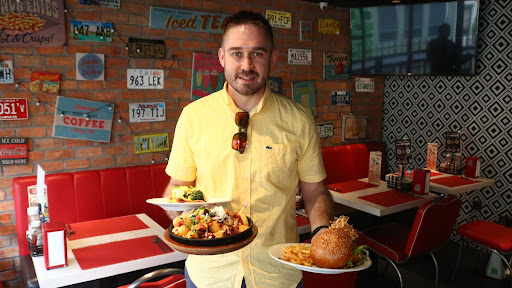
For Mr. Steven, cooking dishes with American flavor is not only a daily job but also a way to preserve memories of his homeland.
However, when bringing local cuisine to another country, taste differences are inevitable.
I definitely have to adjust the flavor a little. I try to keep the dish as close to the original flavor as possible, but it will reduce the saltiness because Vietnamese people usually eat lighter. Meanwhile, foreign tourists and tourists prefer a richer flavor," Mr. Steven shared.
According to the male chef, reducing ingredients or slightly changing the seasoning is necessary for the dish to be more accessible to local diners, while still maintaining the original spirit of American cuisine.
An Australian couple after enjoying their meal at the restaurant said that they almost did not feel any difference compared to the burgers they usually eat at home.
I don't feel any difference compared to the burgers I often eat at home, the cake, vegetables, and meat are all in the right taste," the couple commented.
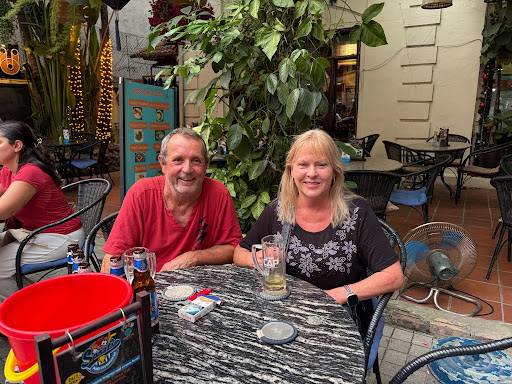
Maintaining the culinary identity in the heart of Hanoi
Amidst the trend of many foreign chefs choosing to adjust dishes to suit local tastes, Mr. Yoichi, from Osaka (Japan), almost kept the original recipe when bringing Japanese cuisine to Hanoi.
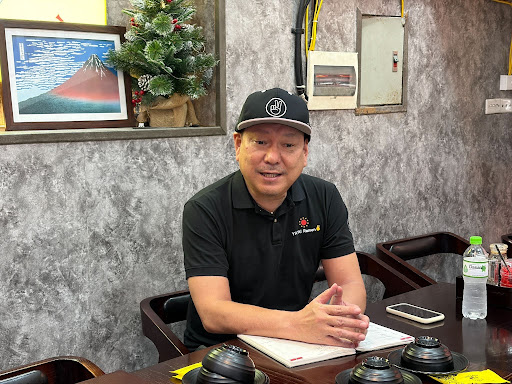
From the way ramen noodles are cooked to the stage of marinating grilled chicken skewers, all flavors are kept in the Japanese style. The only changes are in equipment and operating procedures to suit the conditions in Vietnam.
When he could not find a suitable system domestically, he decided to import all the stoves from Japan and directly guide employees in each processing stage.
''Preserving the original flavor is not only about the ingredients but also about the cooking method and uniformity in the process,'' said Mr. Yoichi.
Not only serving skewers, his restaurant also sells authentic Japanese ramen at affordable prices.
''I want Vietnamese diners to have the opportunity to enjoy original dishes at a more accessible price,'' said Mr. Yoichi.
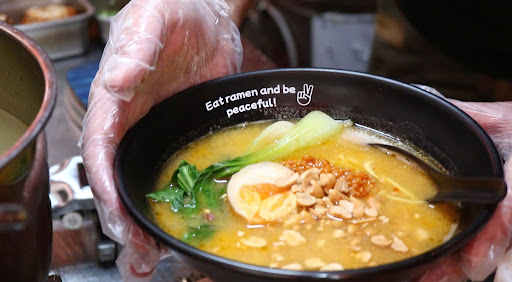
It is the persistence in preserving the traditional flavor that becomes the unique attraction of the restaurant. Ms. Kieu Dung (23 years old) said that she often comes here whenever she wants to eat authentic Japanese ramen.
I have tried many ramen restaurants in Hanoi, but here it really feels like sitting in a small alley in Japan," Ms. Kieu Dung said.
From two different approaches, it can be seen that many foreign chefs in Hanoi are choosing their own paths to bring hometown cuisine closer to Vietnamese diners.
Some flexibly adjust for easy access, others persistently maintain their identity, but their common point is that they all want the dish not only to exist but also to be loved on the new land.
