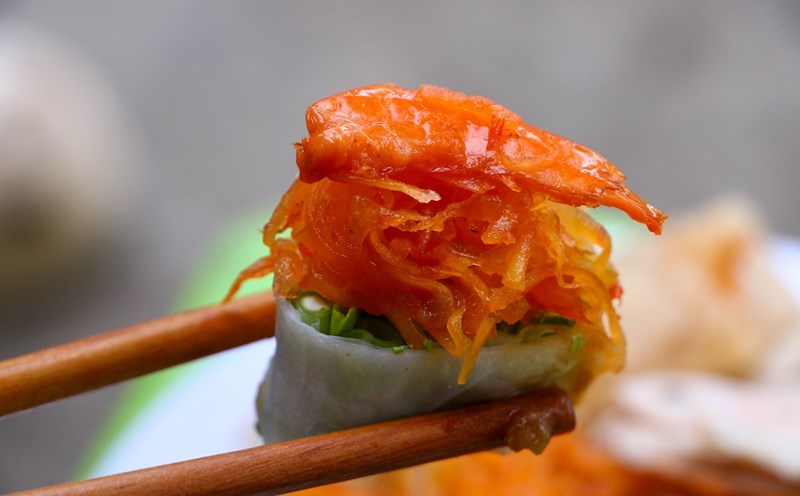
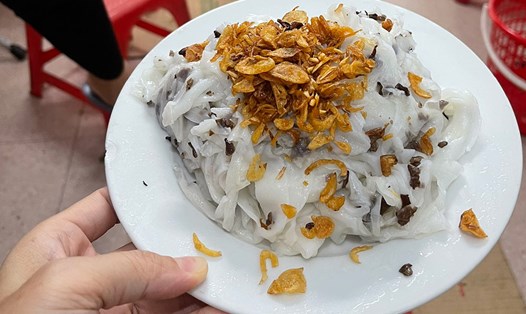
Among traditional rice flour dishes, banh cuon is a dish that seems simple but requires extremely sophisticated handicraft techniques. A delicious banh cuon must converge enough elements: rice flour mixed to the right degree, the rice paper layer must be thin enough to be soft but not torn, cooked just right to maintain the aroma of rice and the eye-catching purity.
In Hanoi, Thanh Tri banh cuon is known for its thin, soft, white, and fragrant rice-like layers. The banh cuon is usually made into thin leaves, then rolled or folded, sprinkled with fried onions and eaten with cinnamon sausage, pork sausage, and herbs. The dipping sauce is made from fish sauce, sugar, vinegar, and chili; some families use additional eggplant oil to create a distinctive flavor.
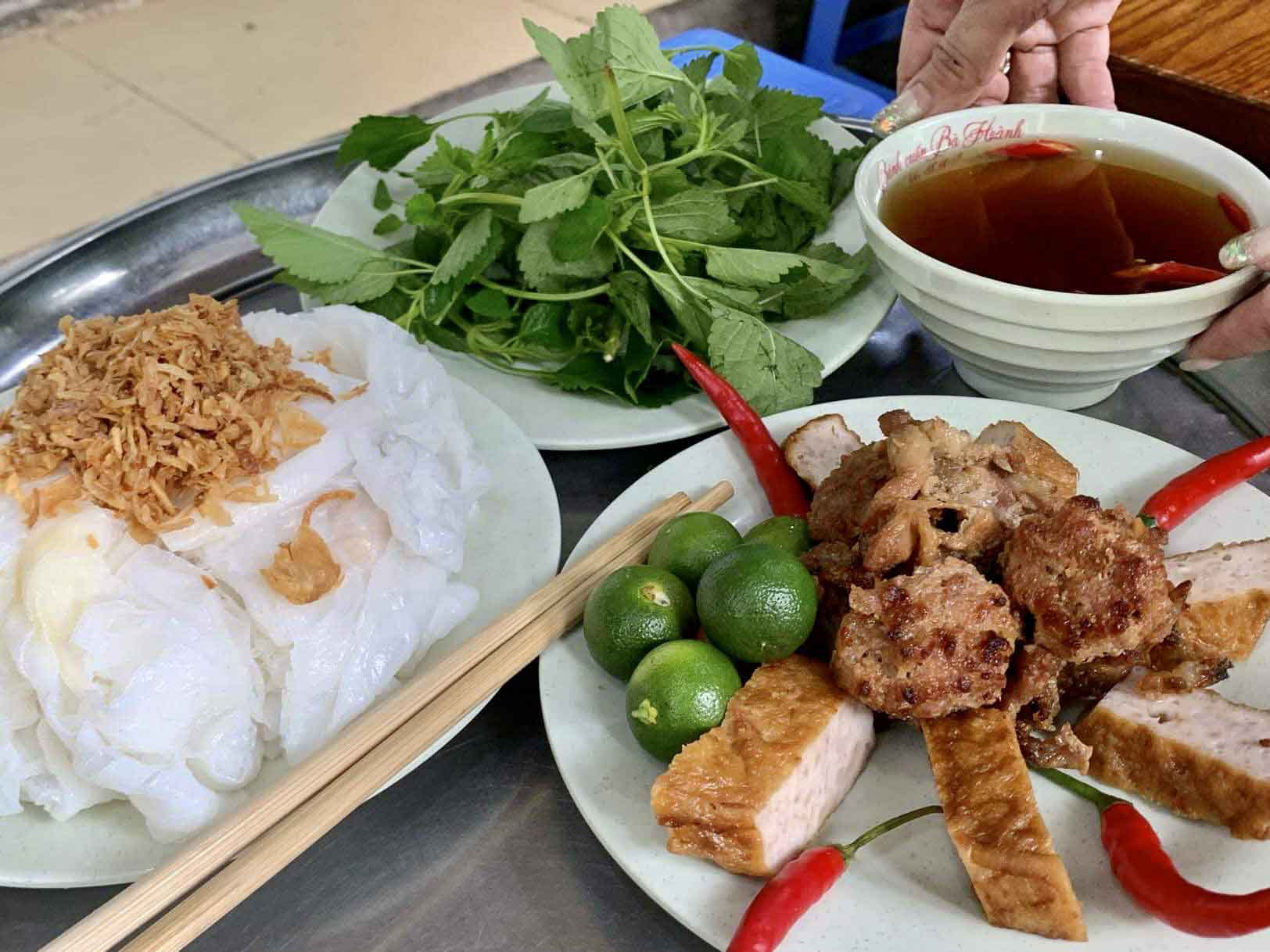
A noteworthy point of Thanh Tri banh cuon lies in the technique of making banh chung. The maker must control the thinness of the flour, the temperature of the pot of water and the operation of taking the banh chung to create a thin but not torn layer of banh chung. These techniques along with experience in selecting rice, grinding flour, mixing flour and processing dipping sauce have been passed down through many generations.
Thanh Tri banh cuon making has been included in the National Intangible Cultural Heritage List by the Ministry of Culture, Sports and Tourism according to Decision No. 2228/QD-BVHTTDL dated June 27, 2025, belonging to the type Folk Knowledge, Traditional Craft. The announcement ceremony of the registration decision was held in Vinh Hung ward, Hanoi in March 2026.
Leaving Hanoi, banh cuon is modified according to the ingredients and tastes of each locality. In Phu Ly (Ha Nam), the cake is often eaten with charcoal grilled spring rolls. The cake part is thinly and softly spread, combined with slices of grilled spring rolls with a characteristic aroma. The combination of banh cuon with grilled meat creates a unique feature of the dish in this area.
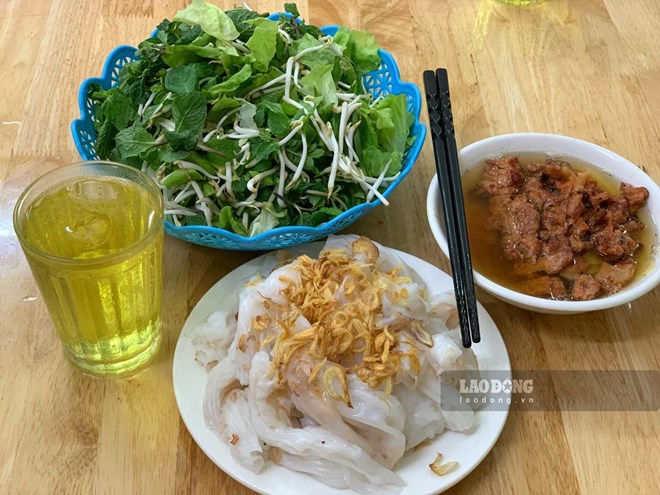
In Nam Dinh, Kenh village banh cuon is known for its soft, sticky layer, usually without meat filling. The banh cuon is covered with fried onions or scallion oil and eaten with dipping sauce, spring rolls and herbs. The processing method focuses on the quality of rice flour and the technique of making banh cuon.
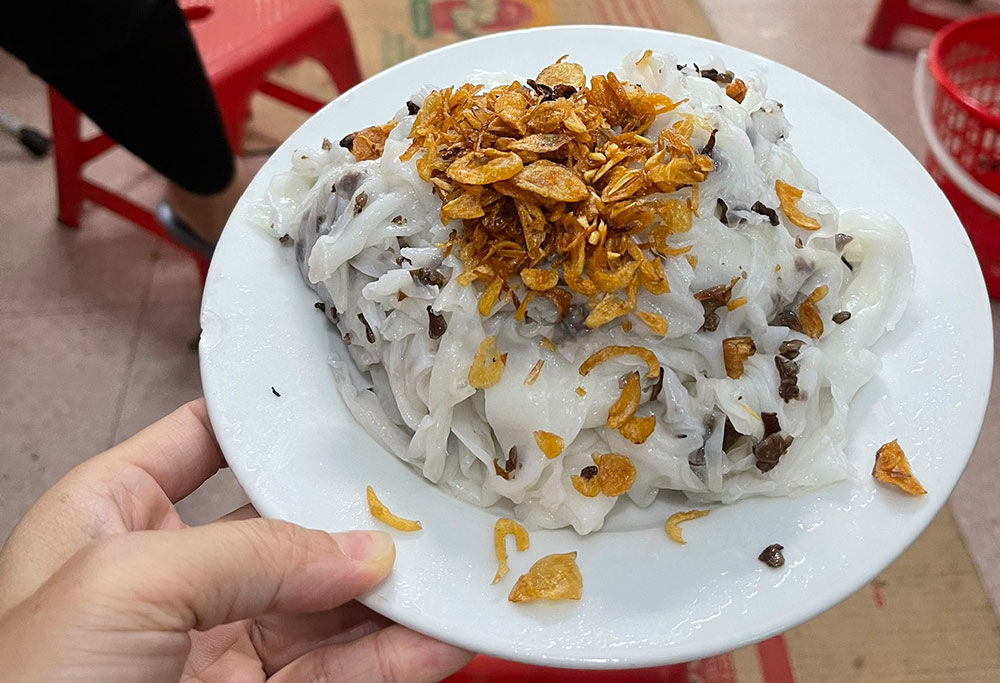
Da Mai banh cuon in Bac Ninh has minced meat and wood ear mushroom filling. The filling is stir-fried until cooked, then wrapped in a layer of freshly rolled banh.
When eating, the cake is served with dipping sauce mixed from fish sauce, sugar, vinegar or lemon, garlic and chili. The combination of a soft layer of cake and a rich filling creates the characteristics of the local dish.
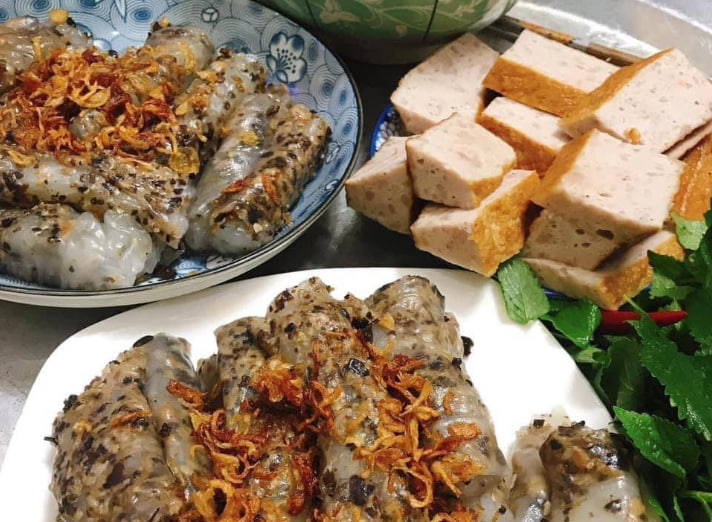
In Quang Ninh, banh cuon is often eaten with squid patties. Squid patties are made from fresh squid, crushed or ground and then processed into pieces, with a characteristic crispness and sweetness. When combined with soft banh cuon and dipping sauce, the dish becomes a popular choice for tourists when coming to Ha Long area.
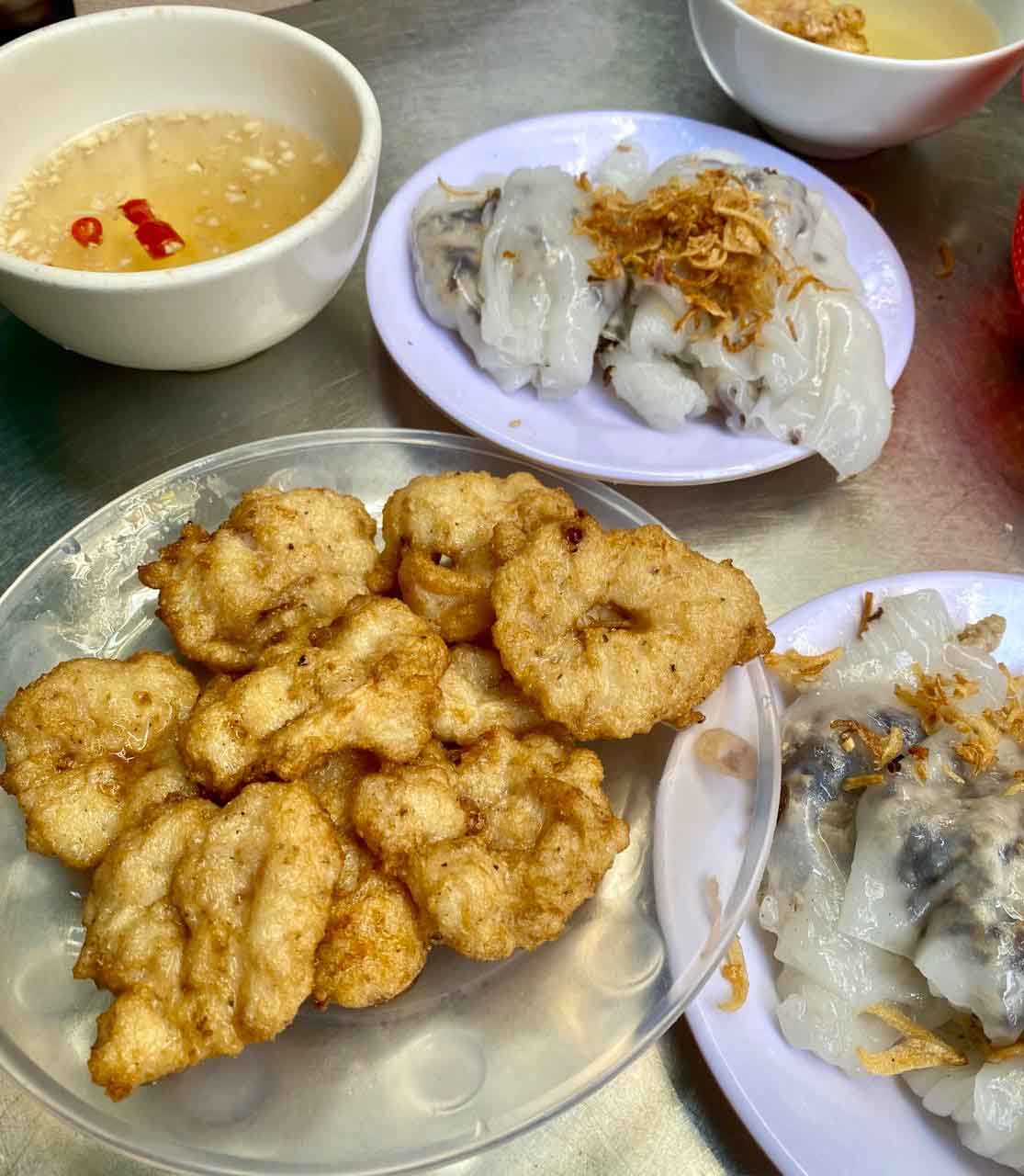
In the northern mountainous provinces, banh cuon continues to have notable changes. Cao Bang banh cuon is often eaten with hot bone broth instead of the usual dipping method of fish sauce. The banh can be served with minced meat, wood ear mushrooms or eggs. The broth is simmered from bones, creating a sweet taste and suitable for hot eating in highland weather conditions.
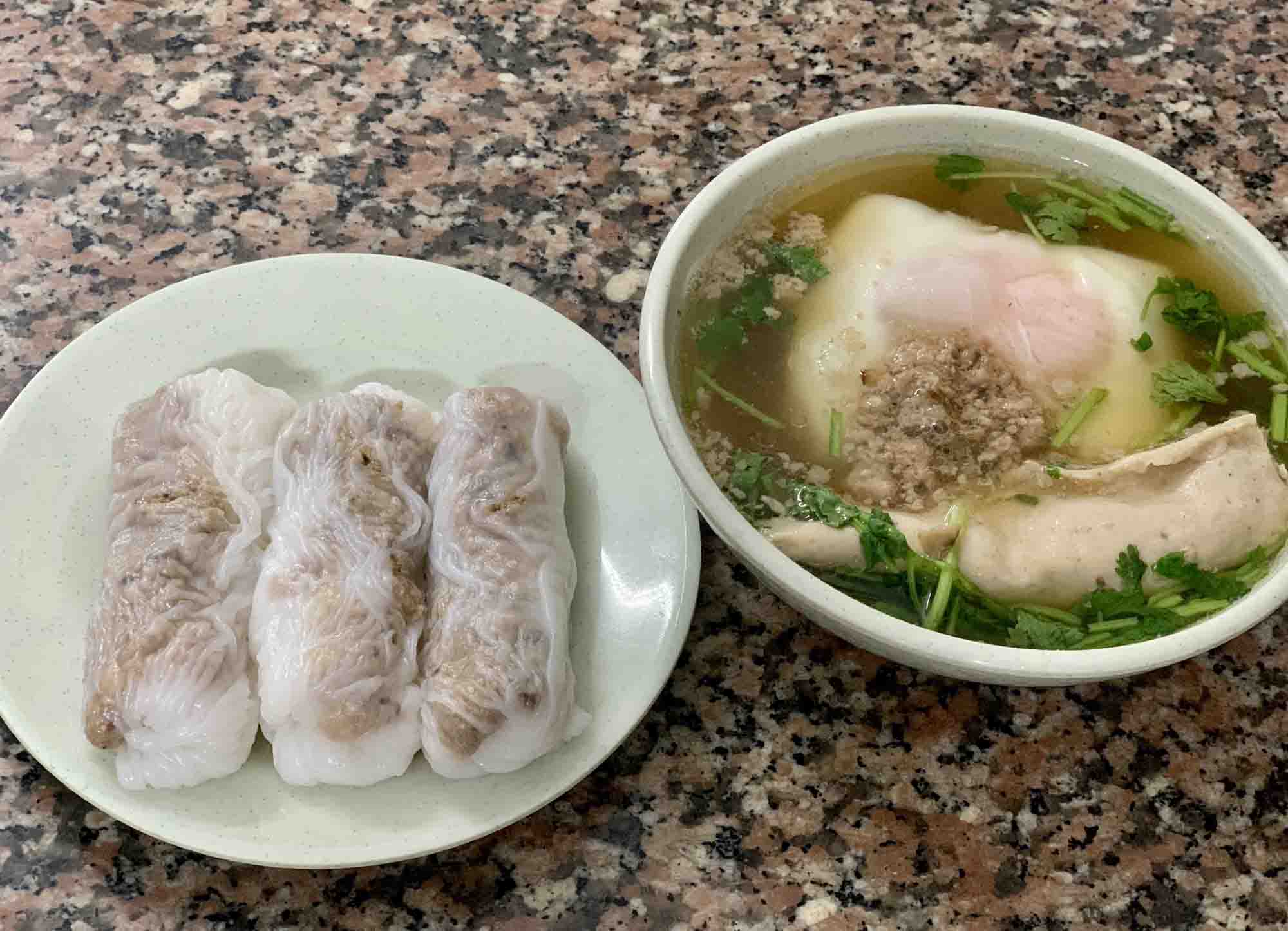
In Lang Son, chicken eggs are beaten directly onto the cake surface during the making process. Cooked eggs and the cake layer create a fatty and energy-rich serving. This processing method also creates a difference compared to many types of banh cuon in the plains.
The difference between types of banh cuon shows that this dish has the ability to adapt to the ingredients and tastes of each region. From banh cuon without filling in Thanh Tri, banh cuon eaten with grilled spring rolls in Phu Ly, banh cuon with meat filling in Da Mai to banh cuon with broth in Cao Bang, each locality forms its own processing method but still maintains the foundation of rice flour rice paper.
With that diversity, banh cuon becomes one of the dishes that can connect local cuisine with tourism activities. Many versions of banh cuon are directly associated with place names, local ingredients or traditional crafts, creating more products to introduce the culture and cuisine of each region to tourists.