
Inventory of pho variations nationwide
Recently, the Hanoi Department of Culture and Sports has sent a document to the cultural agencies of 17 provinces and cities requesting research and development of scientific dossiers for heritage sites related to pho to propose inclusion in the National List of Intangible Cultural Heritage.
The coordination list stretches from North to South, including Ho Chi Minh City, Hai Phong, Da Nang, Cao Bang, Lai Chau, Lao Cai, Lang Son, Ninh Binh, Son La, Thanh Hoa, Thai Nguyen, Tuyen Quang, An Giang, Can Tho, Dak Lak, Gia Lai and Khanh Hoa.
This move takes place in the context that "Hanoi Pho" and "Nam Dinh Pho" (now belonging to Ninh Binh province) have been recognized by the Ministry of Culture, Sports and Tourism as national intangible cultural heritage. However, through the survey process, specialized agencies determined that pho is currently widely practiced in many localities with its own nuances, reflecting the process of intersection and development of Vietnamese culinary culture.
The review list includes many variations such as Cao Bang sour pho; Nhang Lai Chau pho; Bac Ha red pho (Lao Cai); roasted duck pho, Lang Son sour pho; Ninh Binh goat pho; beef pho, Son La mixed pho; Thanh Hoa mountainous sour pho; duck pho, sour pho in Tay - Nung region in Thai Nguyen; Dong Van corn pho; Western pho in Can Tho; Southern pho in Ho Chi Minh City; Pleiku dried pho, fish pho, Central beef pho in Gia Lai; Khanh Hoa seafood pho and many variations affected by Khmer, Cham, Chinese cultures.
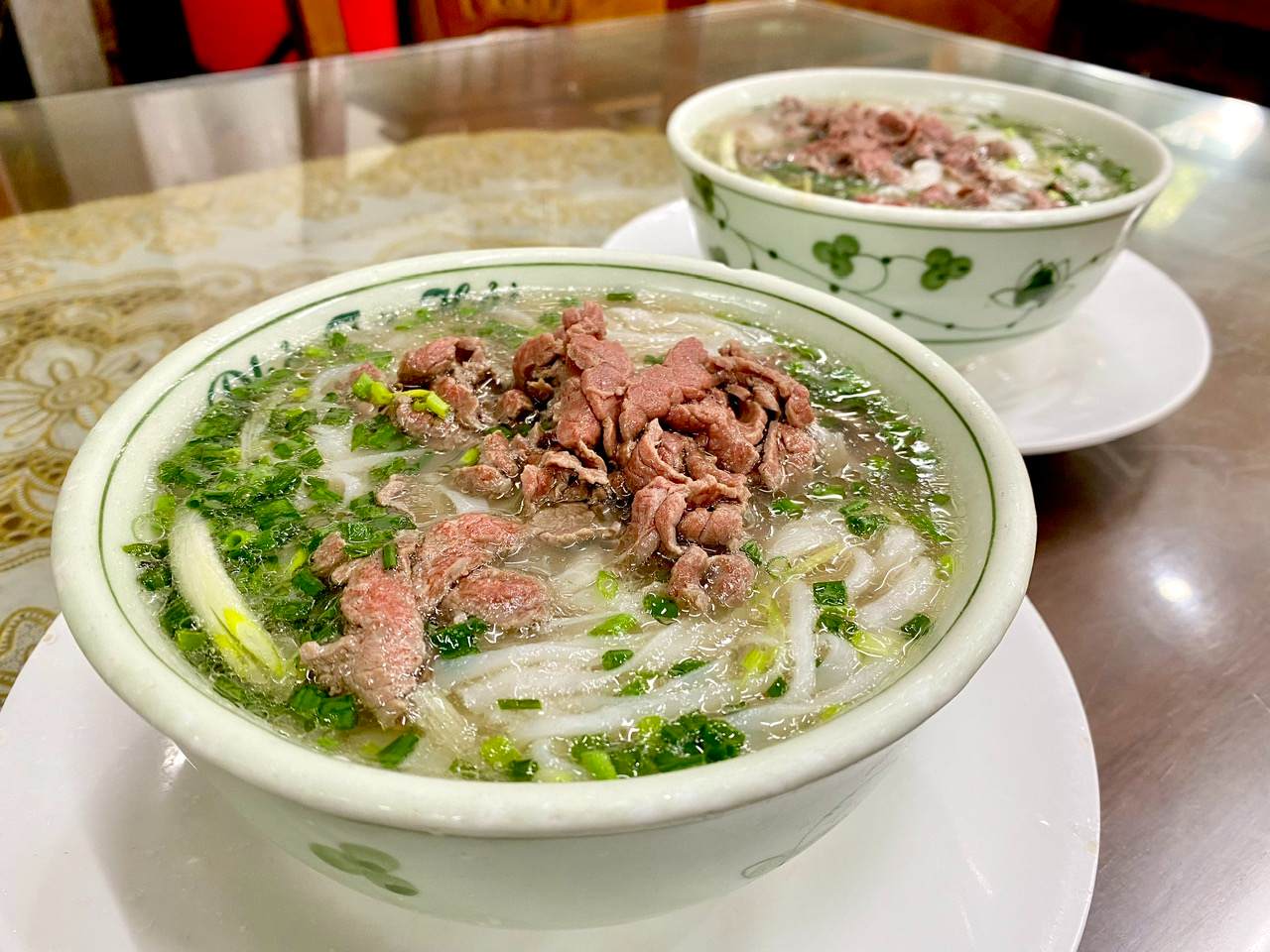
According to the Hanoi Department of Culture and Sports, the inventory aims to create a basis for localities to coordinate with Hanoi to build a scientific dossier requesting UNESCO to list "Pho" in the Representative List of the Intangible Cultural Heritage of Humanity.
Expanding the scope of review also attracts the attention of researchers and the public. Some opinions suggest that many dishes named "pho" have a history of formation, ingredients and processing methods different from traditional pho bo and pho ga, thereby posing a requirement to clearly identify the core values of heritage in the dossier development process.
Turning culinary heritage into a development resource
In fact, the development of dossiers to submit to UNESCO has been started by Hanoi since April 2026 through the plan to protect, promote and promote the value of the "Hanoi Pho" intangible cultural heritage.
The plan is built on the basis of the 2024 Law on Cultural Heritage and programs and resolutions on cultural and cultural industry development. Not stopping at the goal of preservation, Hanoi expects to turn the value of pho into a resource to promote tourism, services and cultural industries.
To complete the dossier, Hanoi will coordinate with Ninh Binh and localities with pho heritage to organize conferences, professional seminars, and mobilize the participation of researchers, artisans and heritage practice communities to unify the content of the dossier as required by UNESCO.
In the third and fourth quarters of 2026, the city is expected to complete the steps of collecting data, completing dossiers and coordinating inter-sectoral and inter-local levels. In parallel with that is building a digital data system, maps of pho restaurants, and developing heritage introduction platforms in the digital environment.
Many promotional activities will also be implemented such as sketch contests, beautiful photos, videos about pho; building a heritage identity set; organizing "Pho Heritage Day" at the end of 2026 to connect artisans, business establishments and practice communities. Hanoi also plans to strengthen cooperation and exchange experiences in preserving culinary heritage with Japan to further promote the image of Vietnamese pho to the world.
If UNESCO recognizes it, "Pho" will not only be honored as an intangible cultural heritage of humanity but also have more opportunities to become a national cultural brand, contributing to enhancing the attractiveness of Vietnamese tourism and expanding the development space for the cultural industry in the culinary field.


