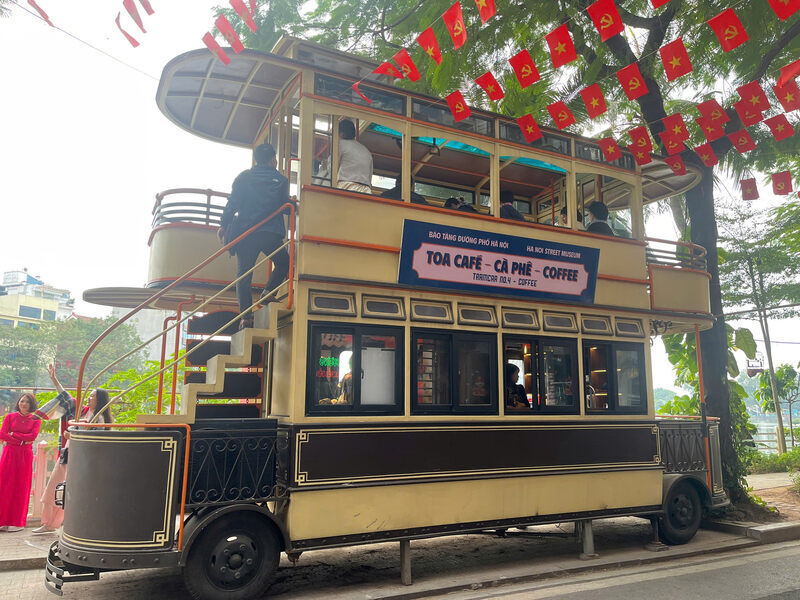
The "Hanoi - Touching Memories" experience tour is attracting a large number of domestic and international tourists to visit and experience. The 6th Metro Line project in this journey is like a vibrant street museum in modern Hanoi.
Originating from the familiar ringing of the 5 old Hanoi tram lines (1900-1991), this special 6th tram line is not simply for passengers, but specializes in "carrying" memories, history and the cultural source of the thousand-year-old Capital.
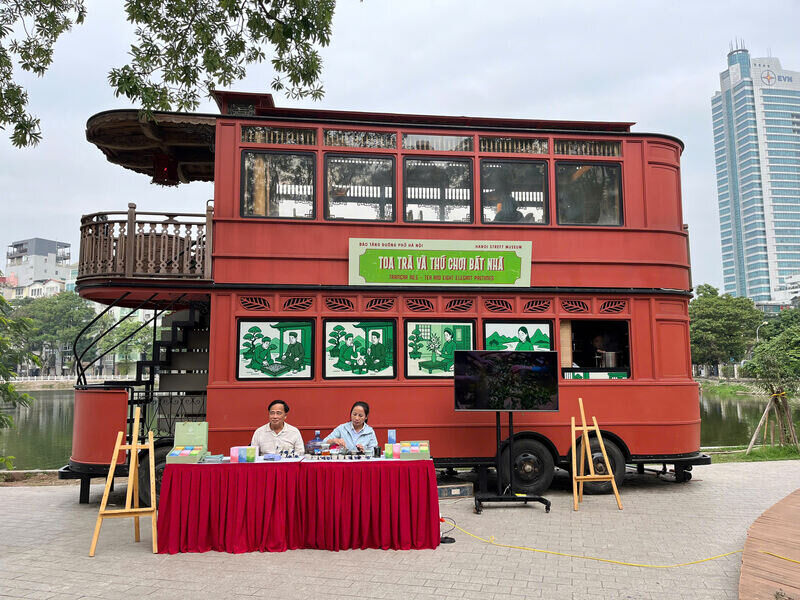
2-story carriages are designed like miniature museums, opening up a lively interactive space, where visitors can feel Hanoi with all senses: sight, hearing, hearing, smell, touch, taste...
Here, visitors are led through many vivid slices of Hanoi's ancient life, from beliefs, customs, to entertainment, cuisine, folk games associated with childhood memories, along with costumes and means of transportation of a time. The journey opens a new approach to the Capital, where the flow of the past and present intersects, where folk memories harmonize with contemporary urban life, for culture to rekindle its vitality in the heart of the city.
The journey has 9 stops - 9 moments touching memories, with 5 carriages, along with relics and display spaces such as Quan Thanh Temple, Thuy Trung Tien Temple, Ngu Xa bronze casting house...
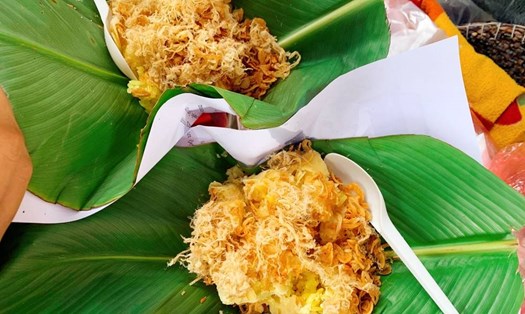
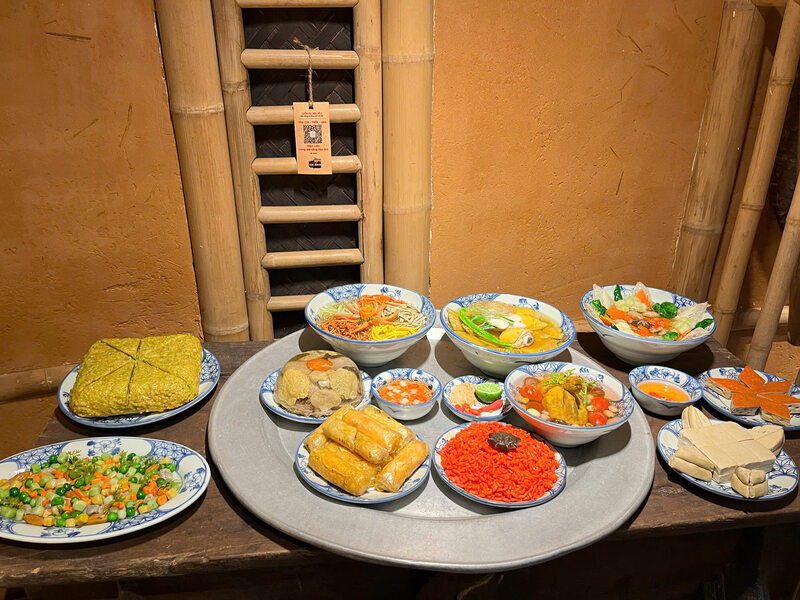
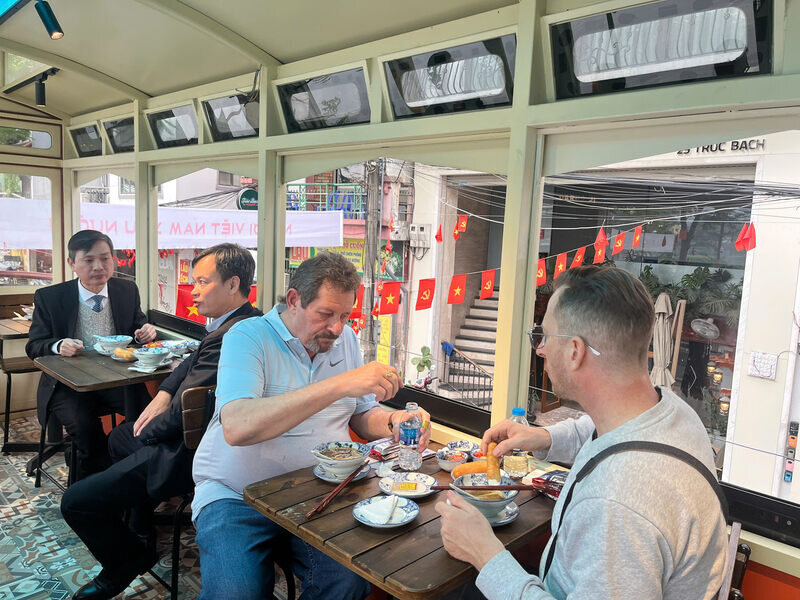
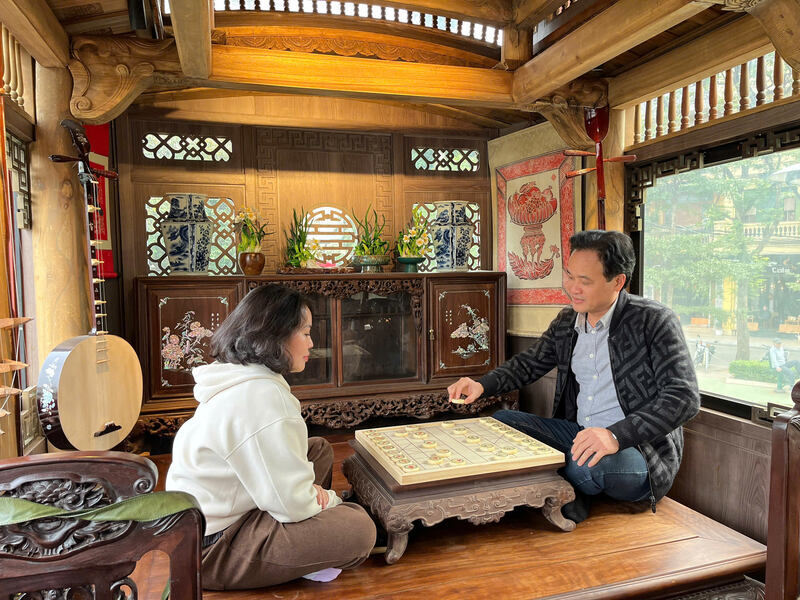
The 5 main train cars will have 2 floors. The 1st floor recreates the culinary space, Vietnamese kitchen in the subsidy period, tea, coffee and elegant pleasures. The 2nd floor with direct experience space such as enjoying cuisine, playing chess, making com cakes, eight bat nha...
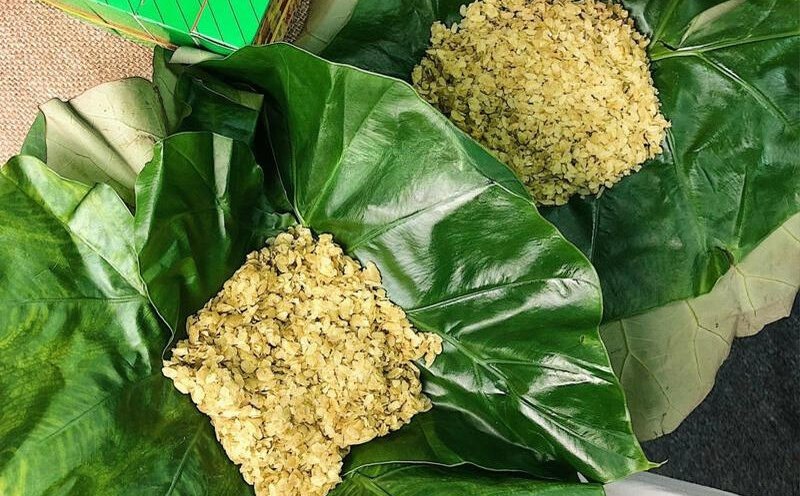
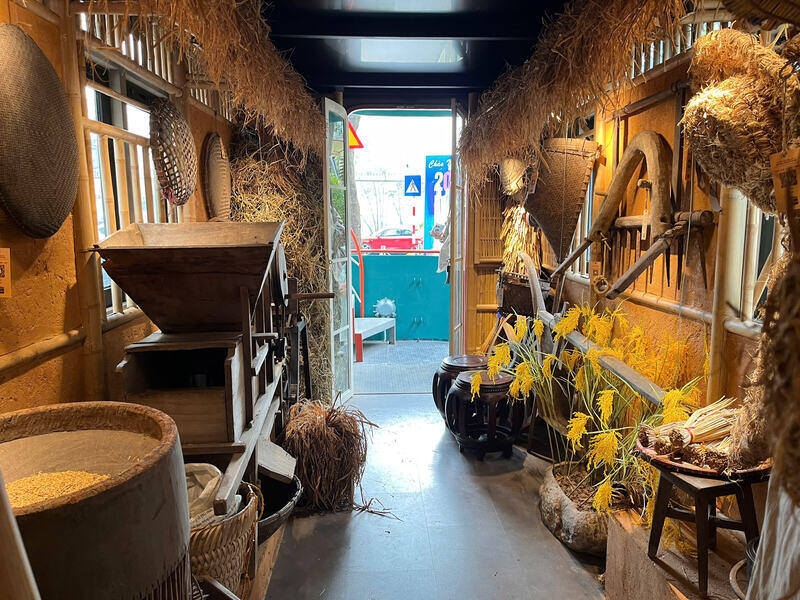
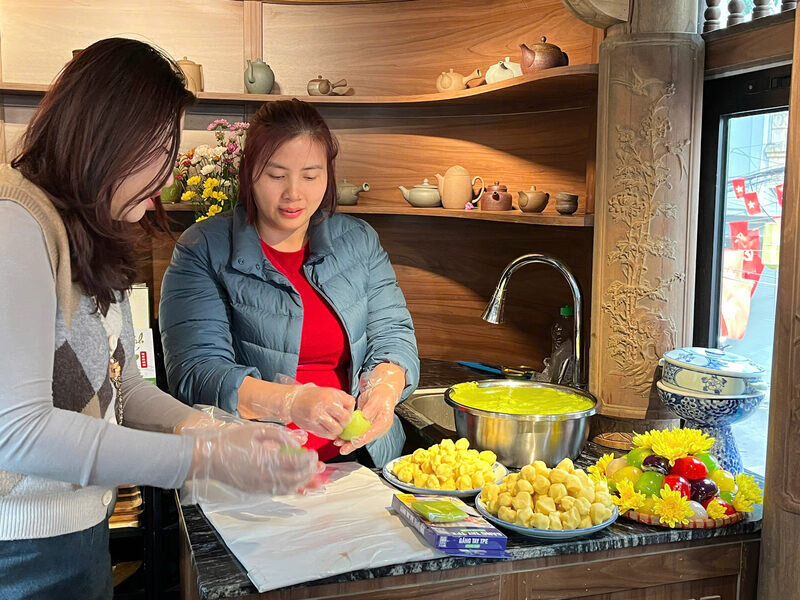
Toa Lua - Thoc - Gao will take tourists to learn about the experience of Vietnamese rice civilization, tourists will explore the stage from sowing rice grains to harvesting, grinding into pure white rice. In addition, tourists can learn about the interesting meaning of Vietnamese meals: rules and customs associated with traditional meals, and experience making sticky rice cakes themselves...
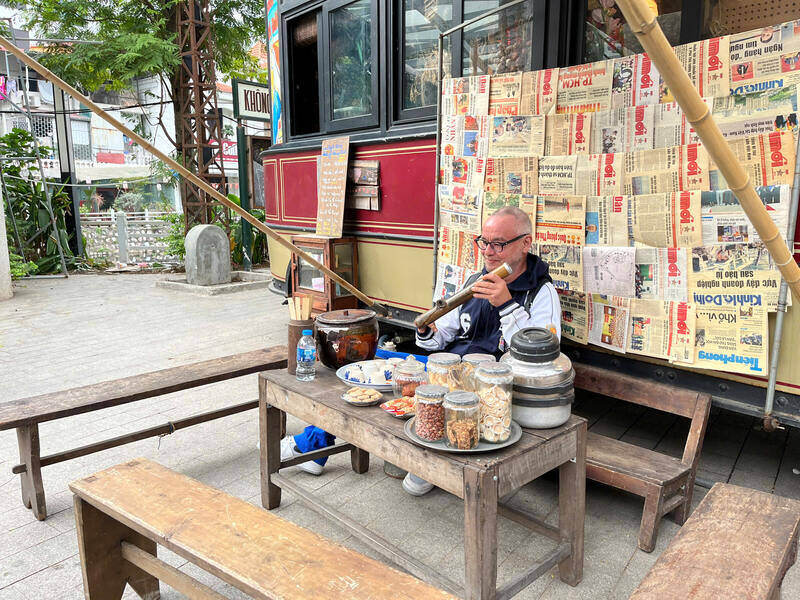
Toa Bep - Chan - Mam will take visitors back in time to the Vietnamese kitchen space during the subsidy period, where each stamp, each oil stove will tell the story of a difficult time but imbued with the spirit of "mutual love" of the Vietnamese nation. Tourists should not hesitate to taste rustic dishes or cool iced tea next to the "street news agency", evoking old memories.
Coffee - Coffee - Coffee booth, where the coffee scent spreads with a cozy space, taking viewers along the journey of Vietnamese coffee beans, from the red basalt land to the fragrant cup of coffee in the heart of the Capital. Here, visitors can buy quality coffee beans and personally process them as well as enjoy the flavor of Vietnamese coffee.
Toa Pho - Bun - Soi seems to open a journey to discover thousands of culinary stories experiencing cuisine spanning 3 regions of the country. From Hanoi pho bowls considered "national souls" to specialty noodles in regions. Here, visitors can also learn and fully enjoy the quintessence of Vietnamese cuisine.
Stepping onto Toa Tra and the elegant play, visitors will enjoy a quiet space of Vietnamese tea culture, immersed in the elegant tea enjoyment of ancient Lord Trinh. Let's experience 8 elegant plays - cam, ky, thi, hoa, thu, tuu, hoa, tra - of the intellectuals of the Kinh Ky region.
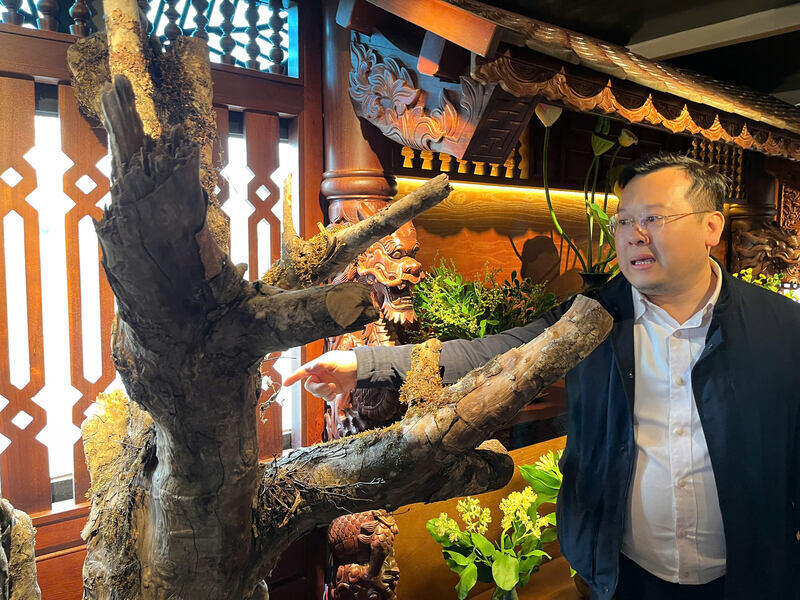
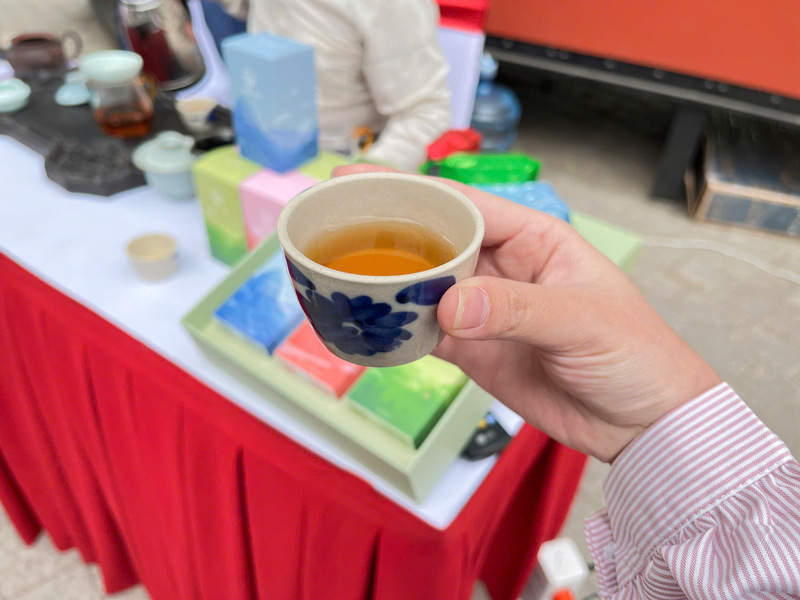
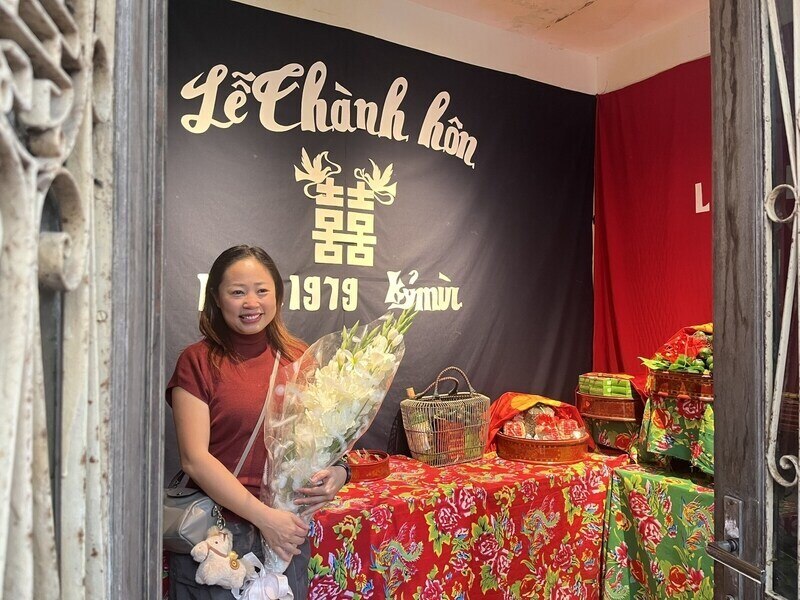
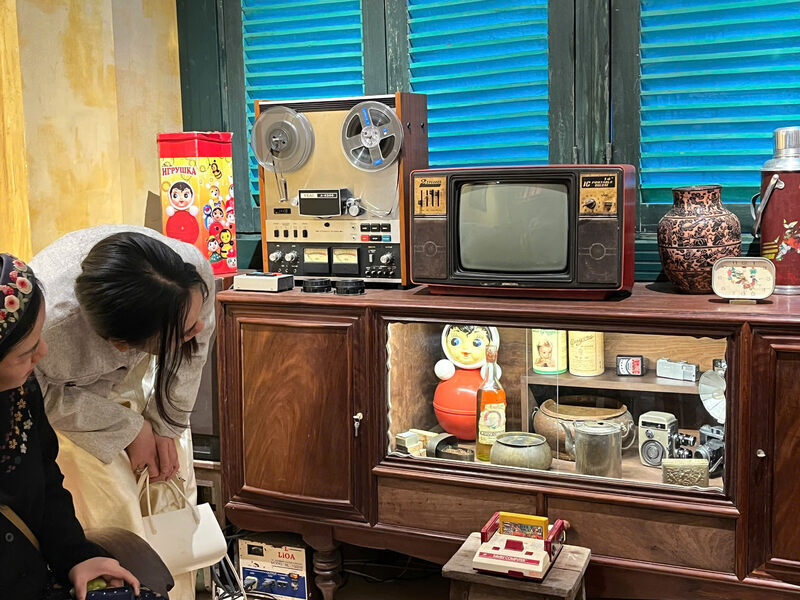
Finally, stop at the subsidized apartment - the central station of the 6th metro line, where visitors can relive the nostalgic atmosphere of the subsidized era: from wedding shops, travel, tailor shops to entertainment... This is a unique check-in point in the heart of the Capital.
Don't forget to visit nearby relic sites such as Quan Thanh Temple, Tran Quoc Pagoda, Ngu Xa communal house, Than Quang Pagoda, Thuy Trung Tien Temple, Duc Dong Ngu Xa display house, Ngoc Ngu Xa Island night food street, Chau Long traditional market.
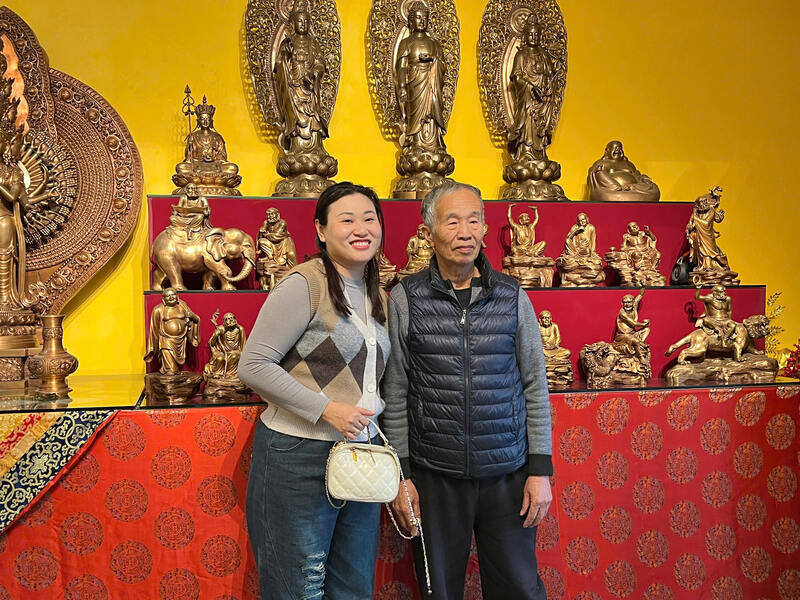
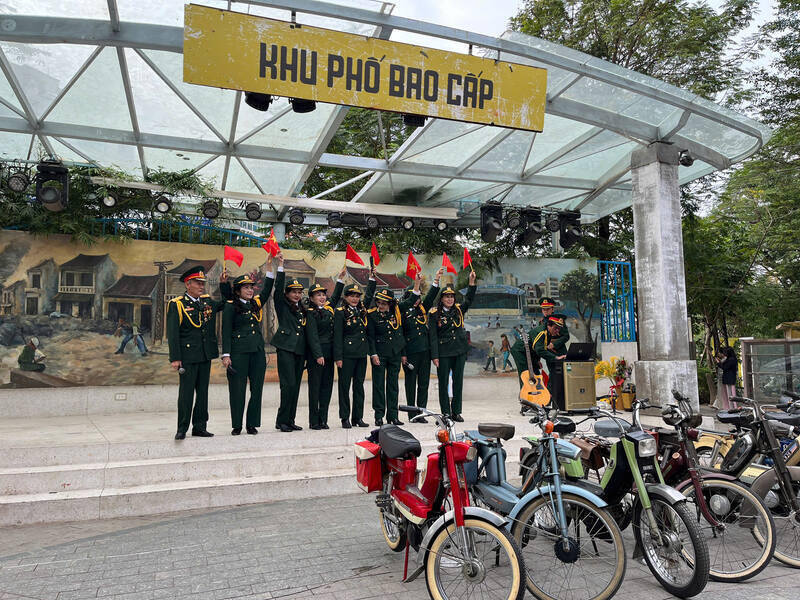
At each stop, visitors are introduced and guided by a team of tour guides. With the message "Each trip is an experience", each journey opens up opportunities for visitors to touch the memories of ancient Hanoi, explore the unique colors of cuisine and spiritual cultural space, where the past is held in the modern rhythm of life.