
Hang Bac Street used to be a gathering place for famous jewelry families in the capital. Silver is not just a material, but a measure of craftsmanship, prestige, and honor passed down from generation to generation. In the memory of artisan Nguyen Chi Thanh, the craft street in the past was not as noisy as it is now. Each store is a small workshop, with trading in front and craft space behind with full of chisels, polishes, and kilns.
The handicraft jewelry craft in Mr. Nguyen Chi Thanh's family has been continuously continued through 5 generations. He shared that his family originated from Dinh Cong village, one of the typical jewelry craft villages of the ancient North. When they came to Hanoi to live and work, previous generations chose house number 83 Hang Bac street as a place to live, combine production and maintain the handicraft jewelry craft to this day.
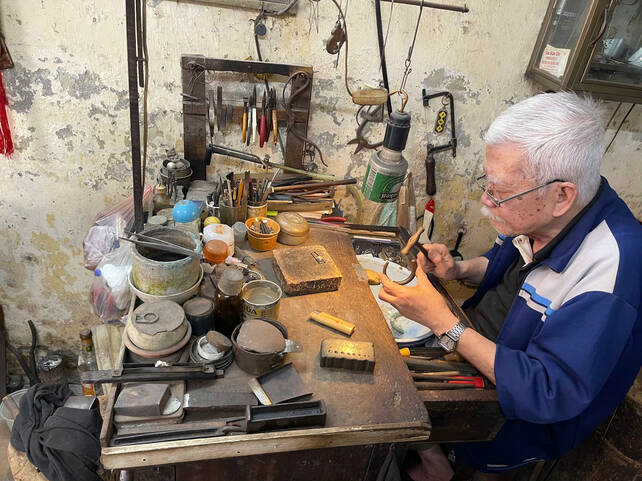
In the small working space, old tools are still carefully kept. Not because of nostalgia, but because those are the things that have accompanied him throughout his career. Each worn mark on the gold table is a moment of time passing silently.
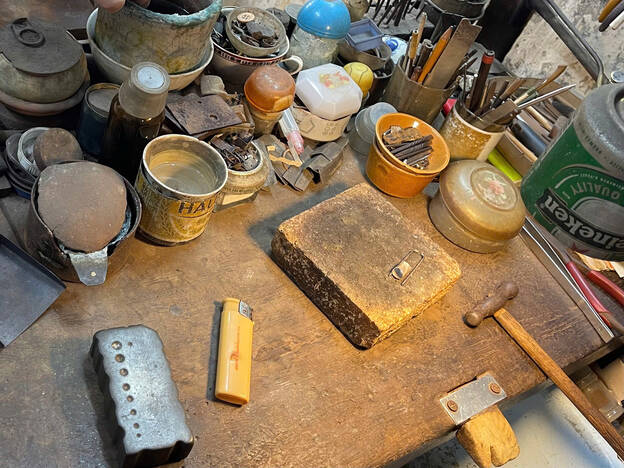
Mr. Thanh said that his childhood was associated with the sound of chiseling, sharpening and the fire to burn gold in his small house on Hang Bac street. With tools available at home, he soon became familiar with the profession from the times he "played" with them when he was young.
Despite difficult family circumstances, many siblings had to switch to other jobs to earn a living, he still chose to follow the silver carving profession, both to preserve the profession for the family and because he was considered the most skillful person in the family.
This job is not noisy," Mr. Thanh said, still skillfully adjusting every small detail. "But a mistake is ruining a silver coin.
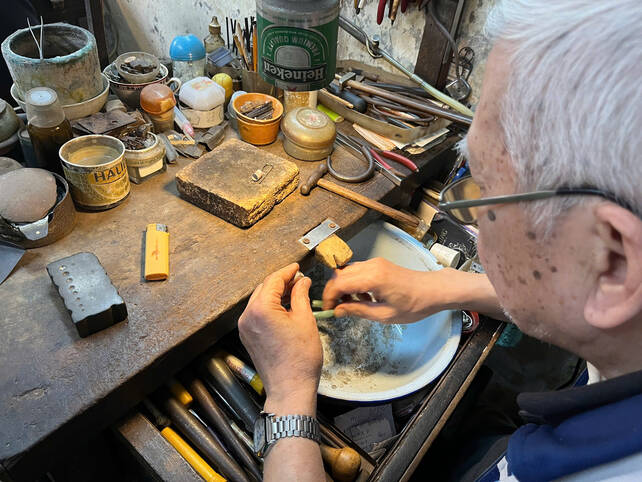
For artisan Nguyen Chi Thanh, jewelry is not simply a job. It is a habit of living, the rhythm of a person's life. For decades, he has been used to sitting for hours just to complete a small detail, used to meticulous repetition, used to slowing down in the fast street.
According to Mr. Thanh, the craft of handmade jewelry requires high accuracy and long-term concentration. The craftsman not only needs to be skillful but also must maintain caution in each stage. This is why the craft is not popular, and the number of followers is decreasing.
Handmade jewelry products often take a lot of time to craft. At the earliest, it takes 2-3 days, elaborate designs can last for nearly a week. This job not only requires the craftsman to know how to calculate and accurately adjust the amount of gold and silver used, but also requires aesthetic eyes and the ability to feel shapes and patterns to complete the product.
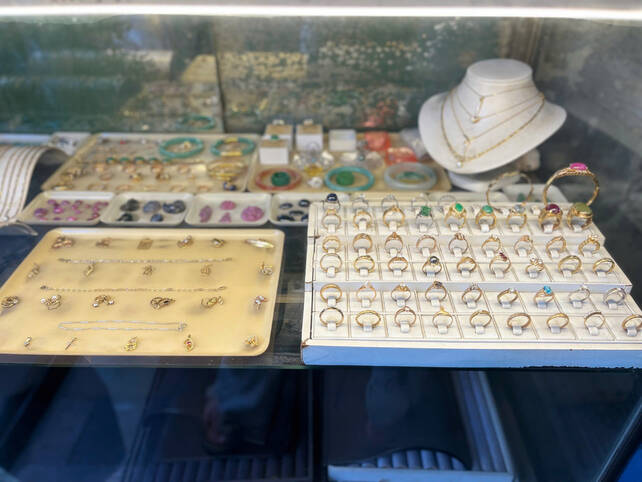
Amidst market fluctuations, there were periods when the profession was not enough to support workers. But Mr. Thanh still chose to stay. Because for him, quitting the profession is not just about changing livelihoods, but about personally closing a career that has been associated with family memories.
Income from handicrafts is not high compared to the effort spent. The finished product price is mainly calculated based on the detail of the product, while the price of silver raw materials is not as high as gold. This is the main reason why many skilled workers in Hang Bac quit their jobs.
Young people today have little patience to follow the profession. The craft of crafting jewelry requires calmness, hard work and acceptance of a dusty working environment, and income is not as sudden as business and technology industries" - Mr. Thanh shared with a smile.
Artisan Nguyen Chi Thanh does not consider himself a heritage keeper. He only quietly does his job, just like he has done his whole life. That persistence is not noisy, but enough to remind that: heritage is not only in museums, but exists in people who are preserving it every day.
In the middle of Hang Bac street today, where modern lights and signs gradually obscure a golden age, there is still an old craftsman sitting with his craft, quietly keeping for the street a memory that has not yet faded.


