
Every autumn, the cultural landscape of ancient tea forests on Canh Mai mountain in Puyi city, Yunnan province, China becomes an ideal rendezvous for those who love nature and traditional tea culture.
This is the first World Heritage Site related to tea to be officially recognized by UNESCO.

Setting foot on Canh Mai mountain during this time, visitors can immerse themselves in the ancient space of tea forests hundreds of years old hidden in the mist and clouds.
In ancient villages such as Ong Co village (Wengji) or Noc Can village (Nuogan), the rhythm of life of Bo Lang ethnic people and the Thai people is closely associated with each tea bud.
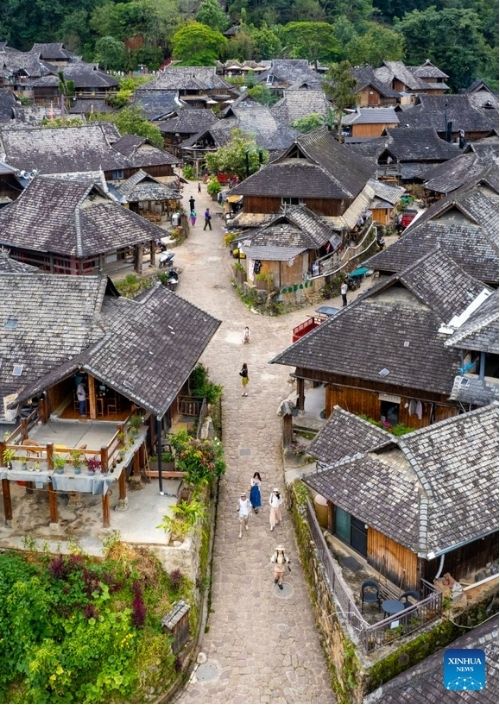
Visitors can see people meticulously processing handmade tea in front of their houses, or enjoy fragrant Pho Nhi tea offered by local women themselves in rustic tea shops.
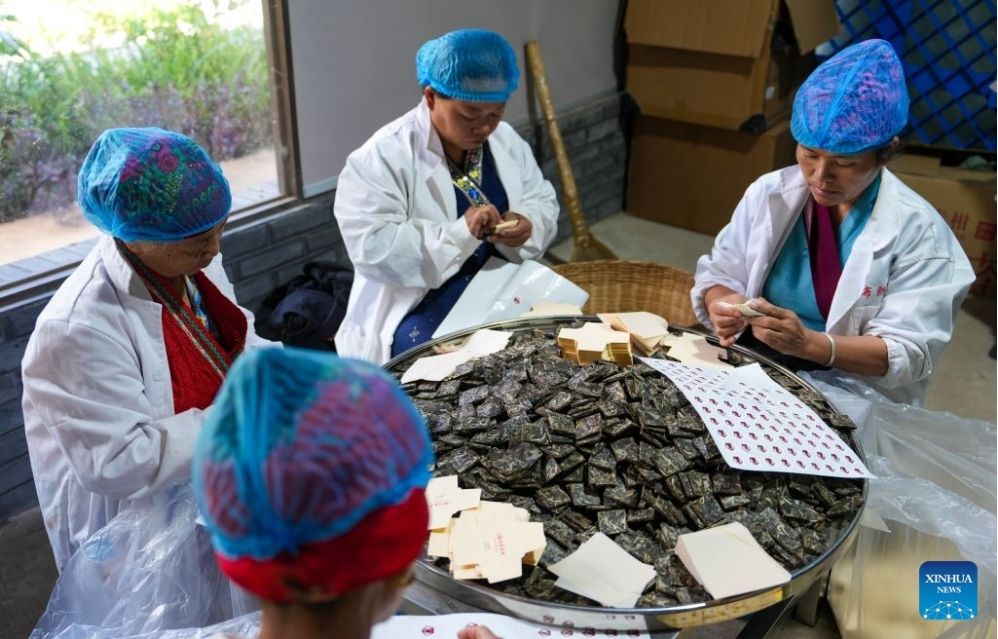
In parallel with village life, Pho Nhi tea production facilities and processing workshops on Canh Mai mountain are also busy in the harvest and packaging season to serve the market.


Thanks to the harmonious combination of picturesque natural landscapes, sustainable traditional tea forest farming models and the hospitality of the local community, this heritage mountain continues to affirm the attractiveness of the cultural tourism model associated with agricultural identity.


