
If you are looking for a journey with both majestic scenery and experiencing highland culture during the September 2nd holiday, Ha Giang (now Tuyen Quang province) is a worthwhile destination with many impressive stops.
Move
From Hanoi, tourists can choose many bus companies running the Hanoi - Ha Giang route, with a reference ticket price of about 250,000 - 550,000 VND/trip, depending on the type of car.
When coming to Ha Giang, to proactively explore the highland routes, tourists can rent motorbikes in the central area. Motorbikes are usually more suitable for hilly terrain, rental prices start from 180,000 VND/day, depending on the type of vehicle.
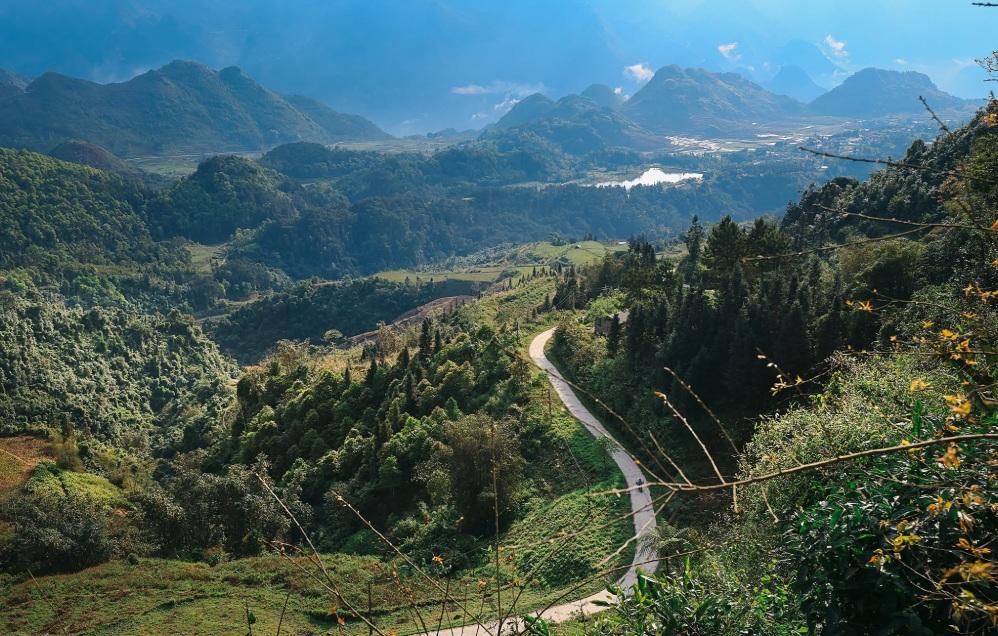
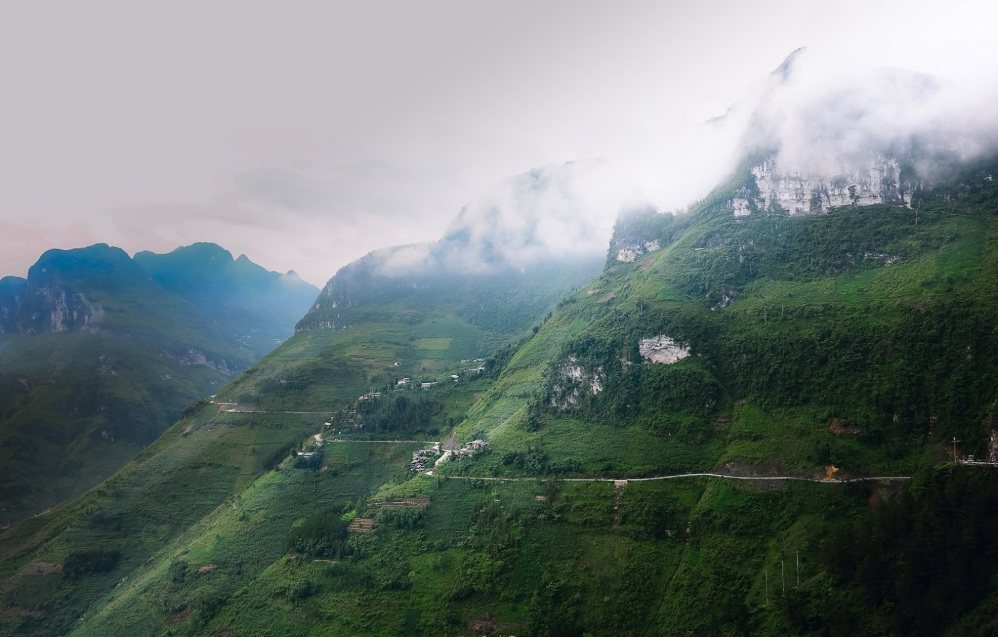
Schedule
Day 0: Hanoi - Ha Giang
At about 9 pm the previous night, tourists departing from Hanoi can choose night buses from My Dinh bus station. At about 3 am the next morning, arriving in Ha Giang ward (Tuyen Quang province), you can rest at the bus company's resting place to prepare for the journey.
Day 1: Ha Giang - Tham Ma Slope - Pao's House - Lao Xa - Lo Lo Chai
At about 7 am, tourists can start their journey to explore Ha Giang. The first stop is KM0 Ha Giang, where tourists can check-in, eat "Ha Giang Km0 milestone" ice cream and buy a Ha Giang Passport. This is a suggestion book of 12 famous destinations, helping tourists check-in and collect all 12 landmarks in their journey to explore Ha Giang.
Then, you continue to move through Tham Ma Pass, Pho Cao and Pao's House. These are all prominent stops on the stone plateau exploration route.
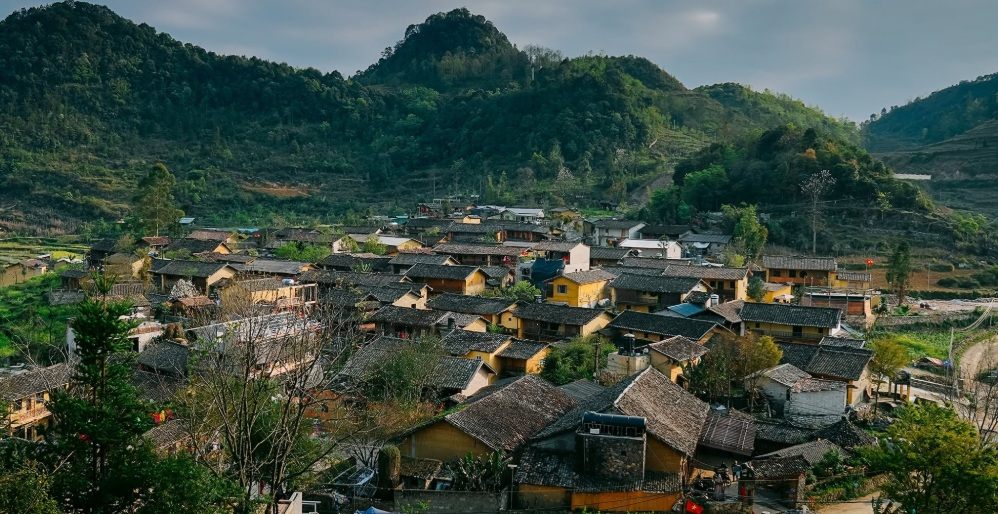
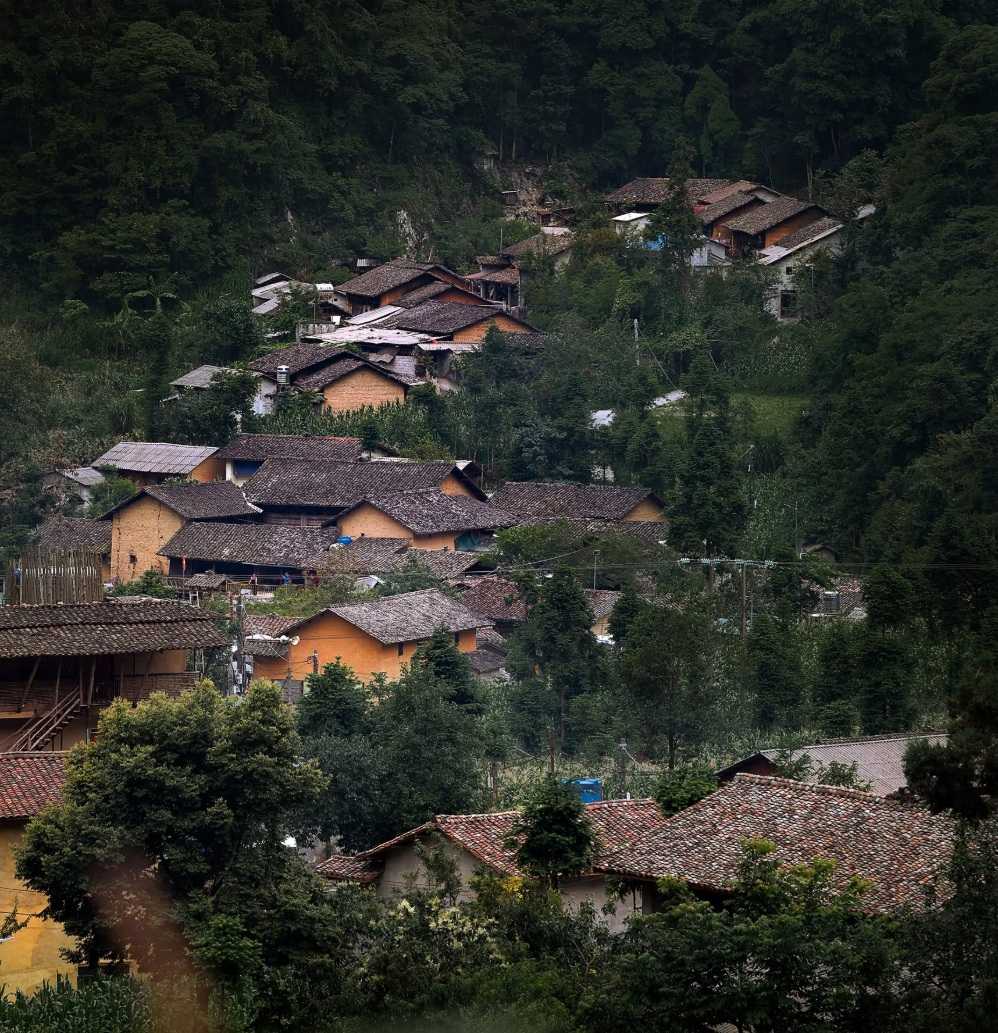
After lunch, the journey continues to Lao Xa village to visit the ancient houses imbued with traditional architecture. In the afternoon, visitors can visit Then Pa village, find a cafe with a typical highland space before moving to Lo Lo Chai village to stay overnight.
Day 2: Lo Lo Chai - Dong Van ancient town - Tu San Alley - Nho Que river - H'Mong Pa Vi
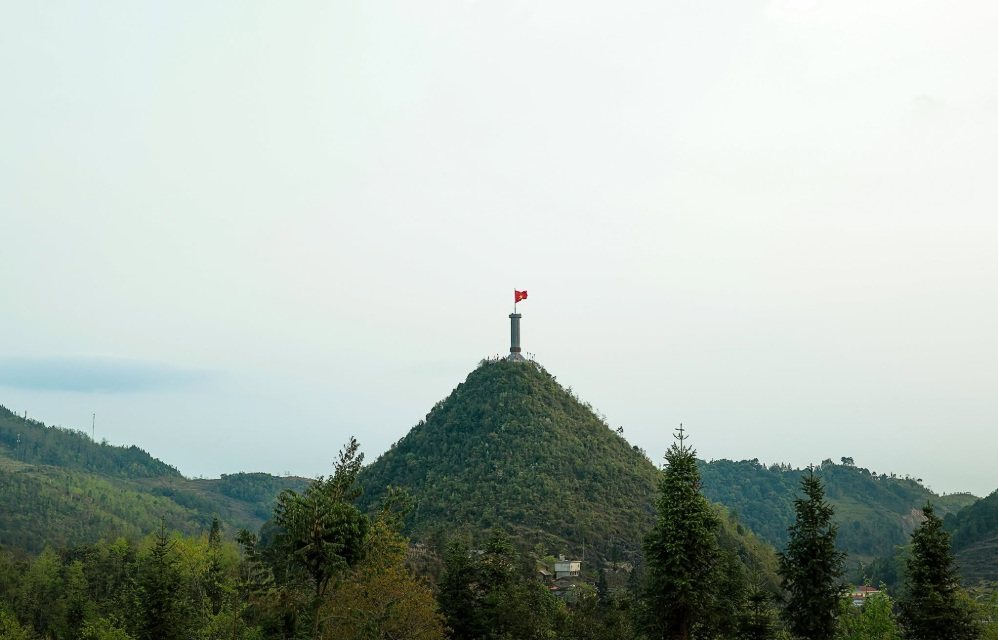
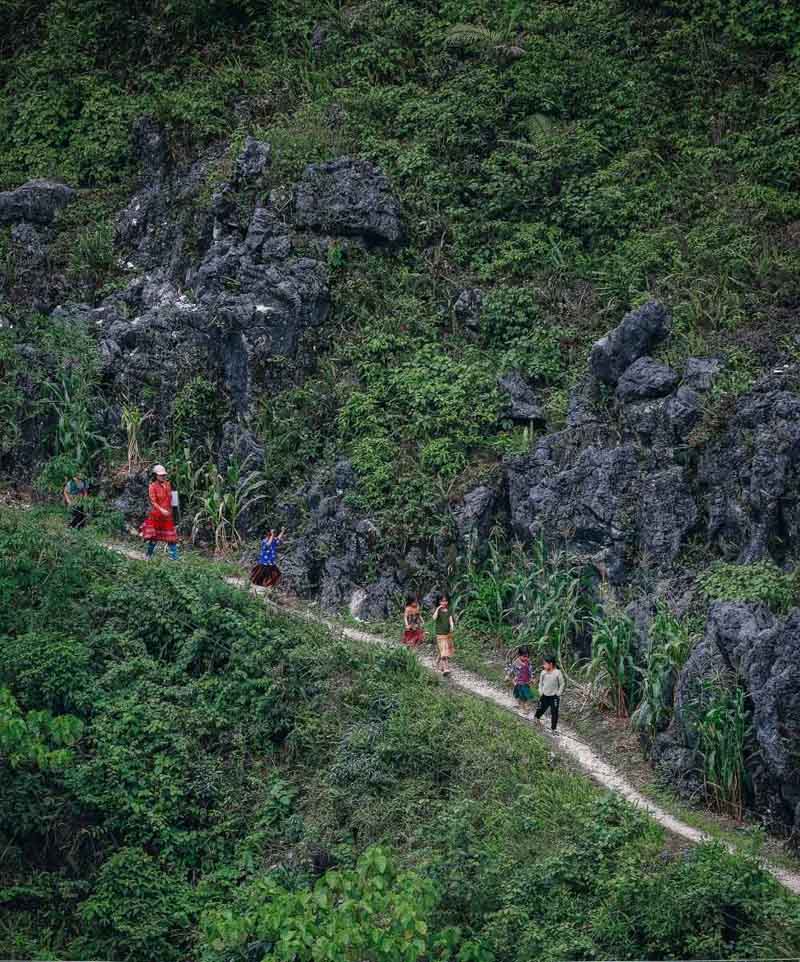
In the morning, visitors can spend time strolling around Lo Lo Chai, visiting cafes designed in the style of rammed earth houses and learning about the life of local people.
By noon, visitors can leave Lo Lo Chai to go down to Dong Van ancient town to eat and rest.
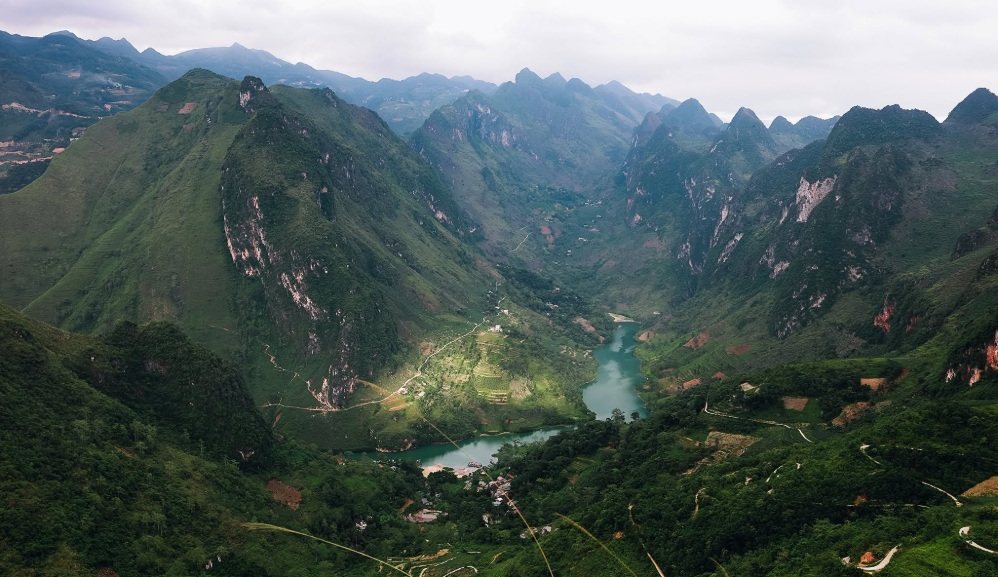
In the afternoon, the journey continues to the Tu San alley area, where visitors can experience boating on the Nho Que River, admire the vertical cliffs and typical landscapes of the rocky plateau. From April 2026, the boat ticket price to visit the Nho Que 1 hydropower reservoir will be adjusted to 150,000 VND/person for people over 1.2 m tall and 80,000 VND/person for people from 1.2 m or less tall. This price includes shuttle bus, insurance and taxes.
After visiting, you move to H'Mong Pa Vi cultural village to rest and have dinner in the highland space.
Day 3: Meo Vac - M-curve - Can Ty slope - Lung Tam linen weaving village - Hanoi
Tourists can wake up early to visit the Meo Vac fair, learn about the typical trading atmosphere of the highland people before starting their journey back.
On the way, don't miss the M-curve - one of the famous check-in points of Ha Giang.
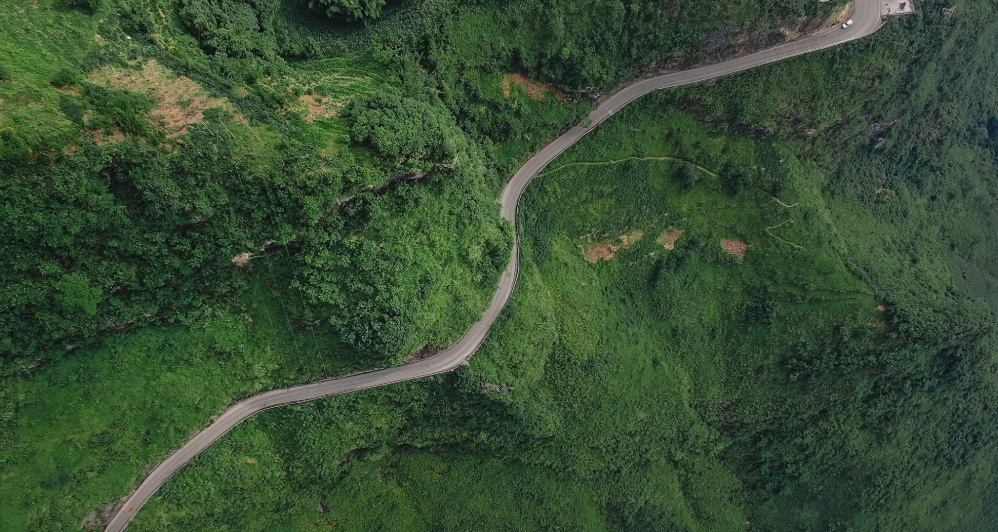
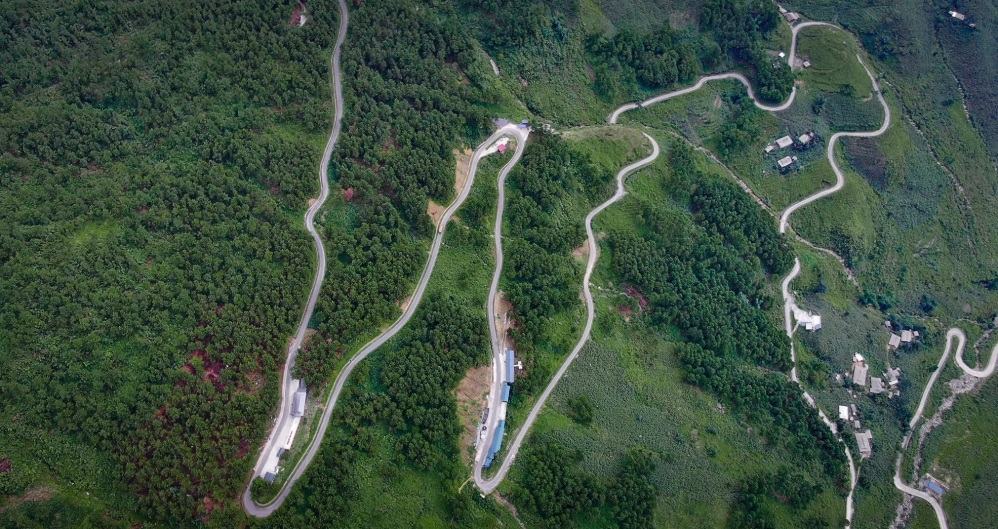
By noon, tourists are present in the Yen Minh area to eat and rest. In the afternoon, continue to move to the Ha Giang area, stop by Can Ty slope and Lung Tam linen weaving village.
Here, visitors can learn about the traditional linen weaving craft of the Mong people, from the stages of processing linen fibers to creating unique handicrafts.
At about 7 pm, you get on the bus to return to Hanoi, ending the journey.
Residence
Ha Giang has many homestays with diverse prices and services. During peak seasons such as the September 2nd holiday, tourists should proactively book rooms about 2-3 weeks in advance to have more choices and avoid room runs out.
Notes
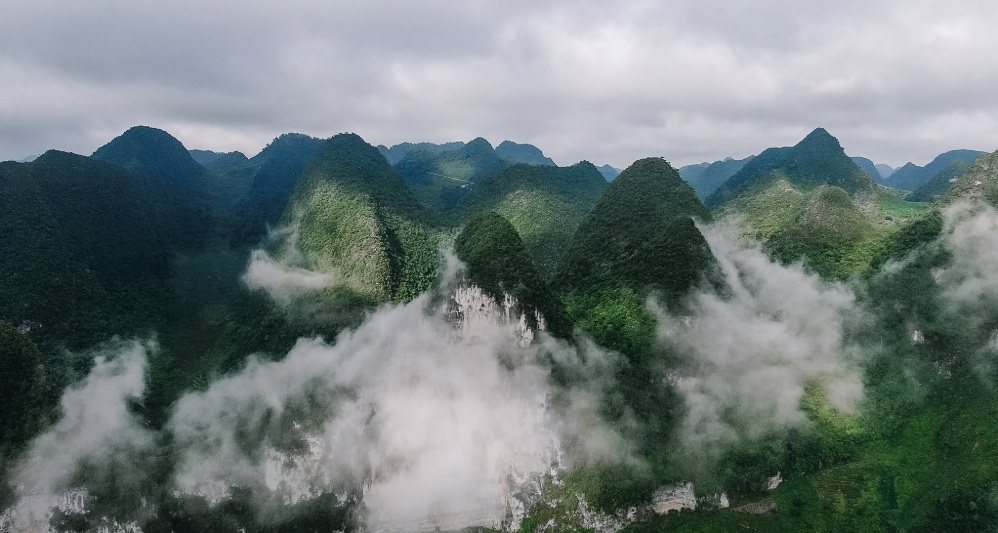
Because the itinerary has many mountain passes and quite long travel distances, tourists should wake up early to both have more time to visit and have the opportunity to see the sunrise on the rocky plateau.
Luggage should be minimized for convenience when traveling by motorbike. The weather in the highlands can change, so wear thin coats or warm clothes, especially when traveling in the early morning and evening.
For long roads or locations deep in the village, tourists should combine using maps with asking local people.


