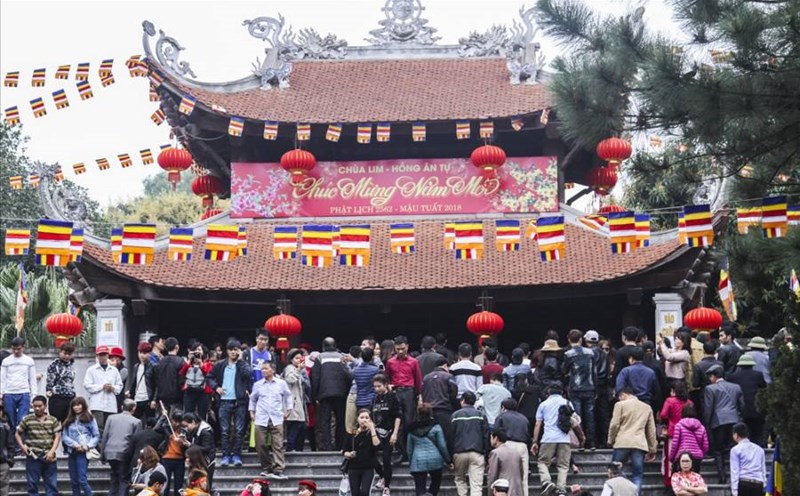
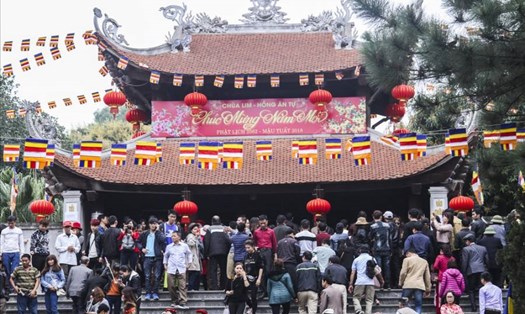
Do Temple (also known as Co Phap Dien or Ly Bat De Temple) is located in Tu Son ward, Bac Ninh province. The temple was started construction in the 11th century on the homeland of King Ly Cong Uan. This is a place to worship 8 Ly kings including: Ly Thai To, Ly Thai Tong, Ly Thanh Tong, Ly Nhan Tong, Ly Than Tong, Ly Anh Tong, Ly Cao Tong and Ly Hue Tong.
According to the Temple Relic Management Board, the temple was built on the land where King Ly Cong Uan returned to visit his homeland in the past. According to history books, the people of Dinh Bang village built a large house to welcome the king.
Initially, Den Do was just a Thai temple built by Ly Thai To on the land southeast of Huong Co Phap, Chau Co Phap (Dinh Bang village).
When King Ly Cong Uan passed away, Ly Thai Tong ascended the throne to succeed his father, he renovated the old house and chose it as a place to worship his father, from then on the Temple became a place to worship the Ly kings after their death.
Den Do was completely destroyed in 1952 during the resistance war against the French colonialists. By 1989, the government and people had restored the temple according to the ancient model.
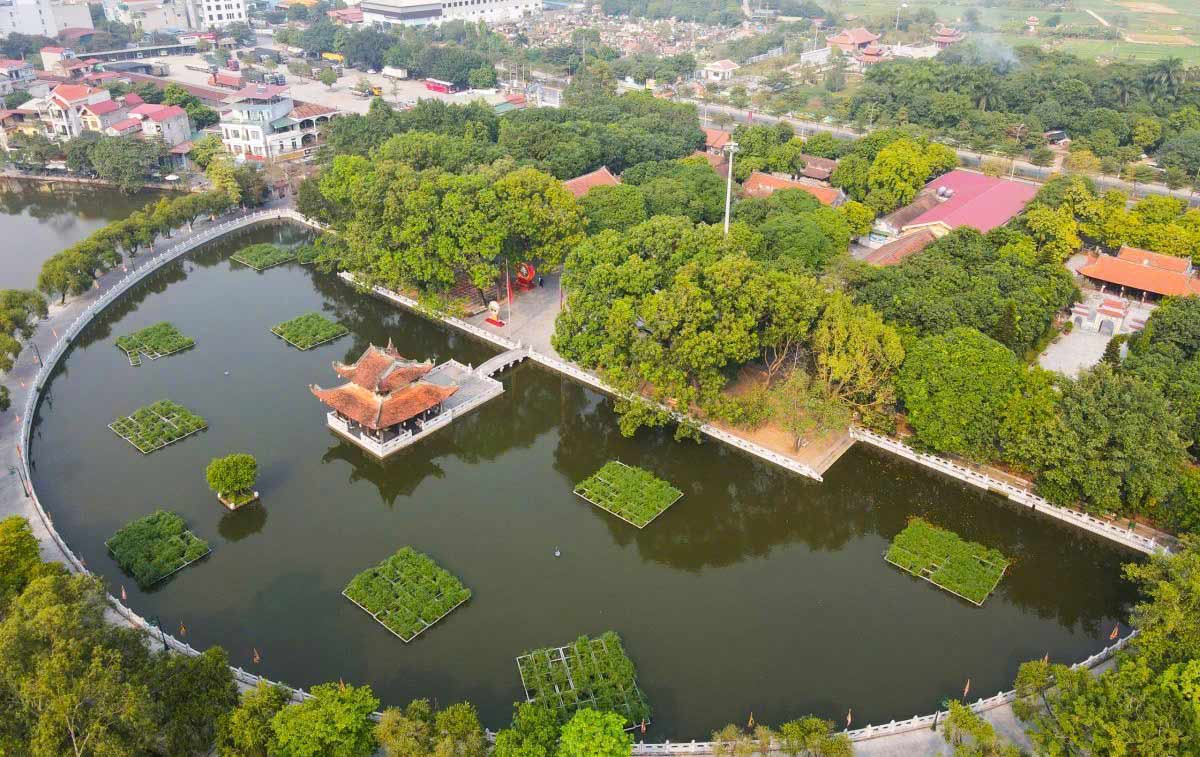
The relic is divided into two parts, inner city and outer city, with 21 sophisticated construction items. Outer city includes construction items: Van chi house, Vo chi house, Thuy dinh house, Ho ban nguyet... Inner city includes: Ngu Long Mon Gate, Dragon Yard, Phuong dinh house, Tien te house, Chuyen bong house, Hau cung house, Ngua house, Bia house, Mau temple, guest house, Traditional room. Visitors often start their journey from Ban Nguyet lake with the Thuy dinh house, then enter the inner palace silently under the canopies of ancient trees.
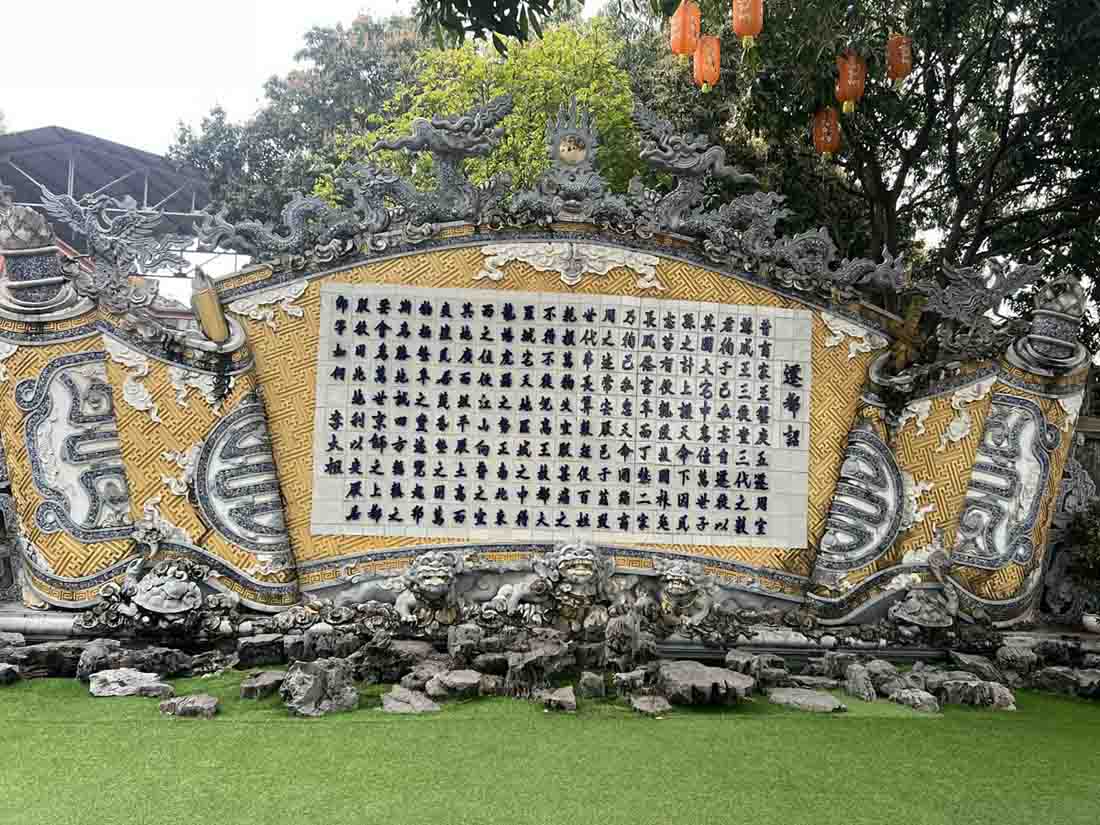
A highlight not to be missed at Do Temple is the book "Chieu doi do" placed at the temple gate. Guinness Book of Records recognizes it as the largest do-do project in Vietnam today. The project is 3.5 meters high and more than 8 meters wide.
In particular, the canvas consists of exactly 214 Han characters, corresponding to 214 years of existence of the Ly dynasty. All the characters are embossed with blue-glazed Bat Trang ceramics.
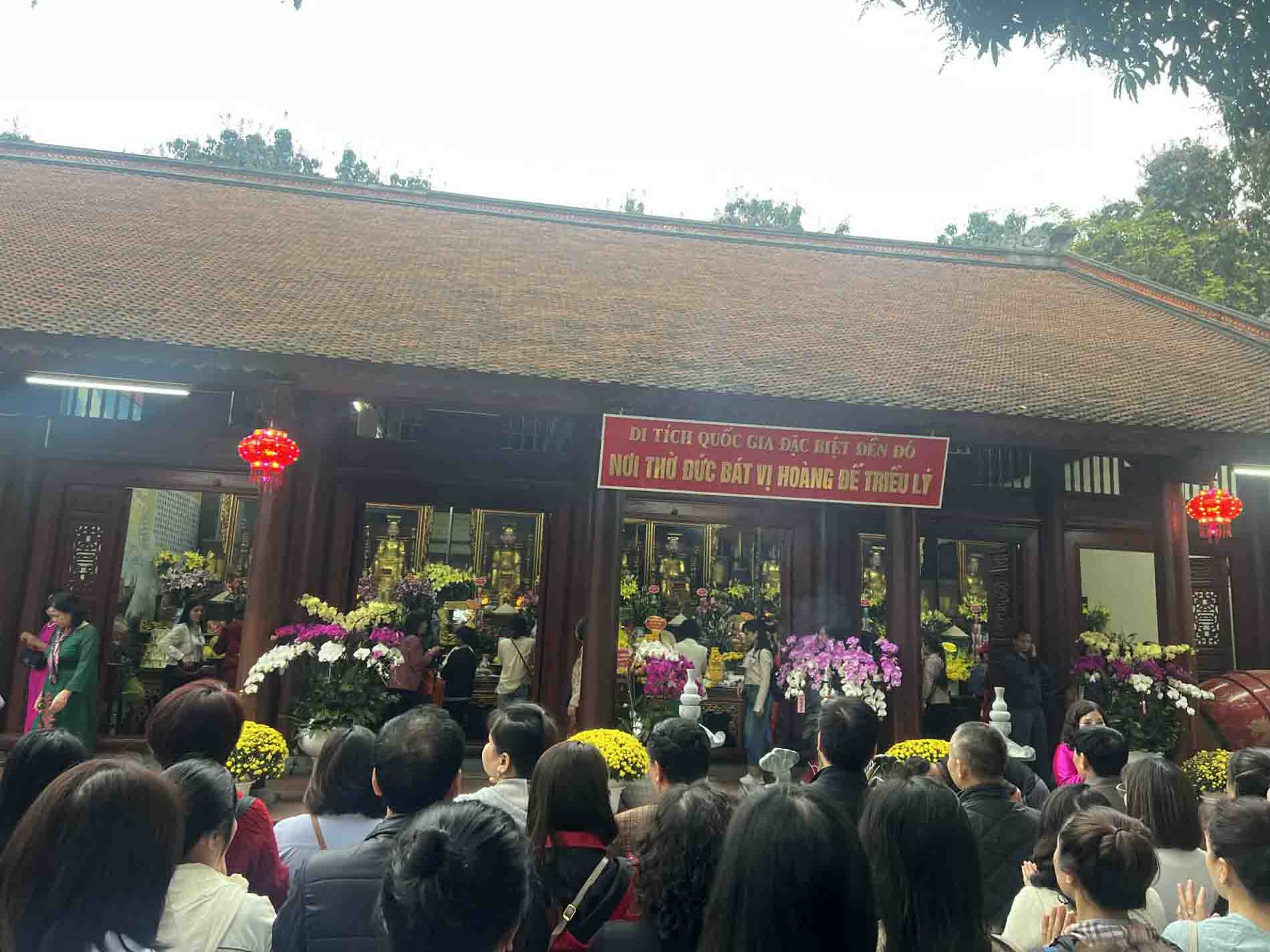
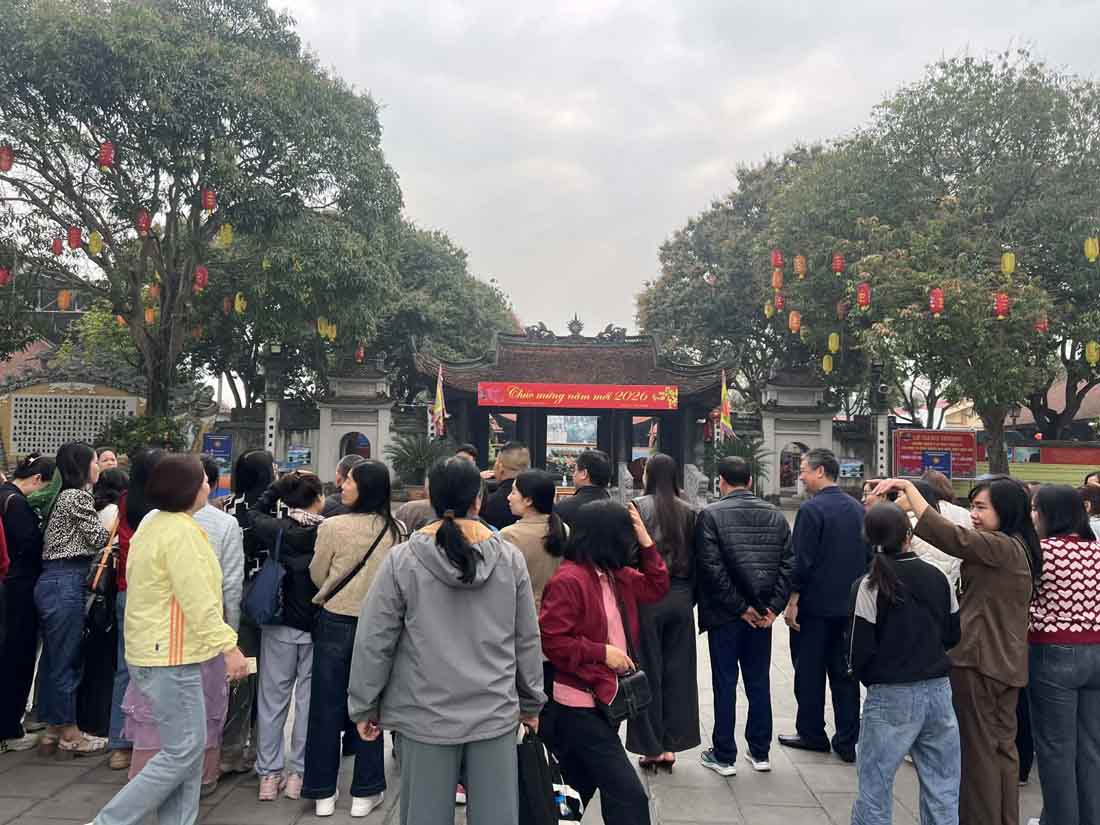
Recording the early spring festival season, crowds excitedly flock to Do Temple to offer incense, praying for health and luck. Tourists come here not only to worship but also to admire the unique architecture on an area of more than 31,000 m2.
Ms. Dao Lien (a tourist from Hanoi) shared: "Every beginning of the year, my family comes to Do Temple to express our gratitude to our predecessors. Standing in front of this majestic space, I feel proud of the nation's history and also feel more peaceful.
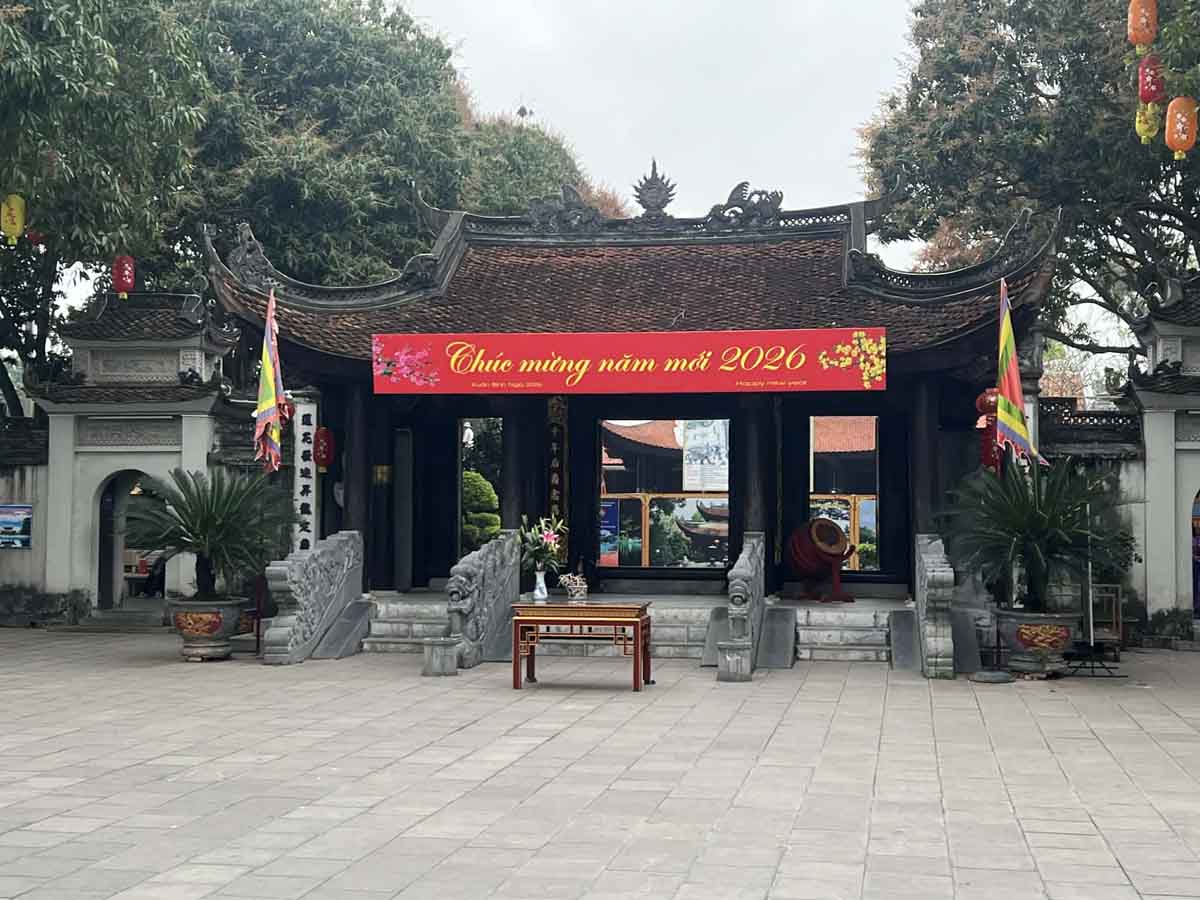
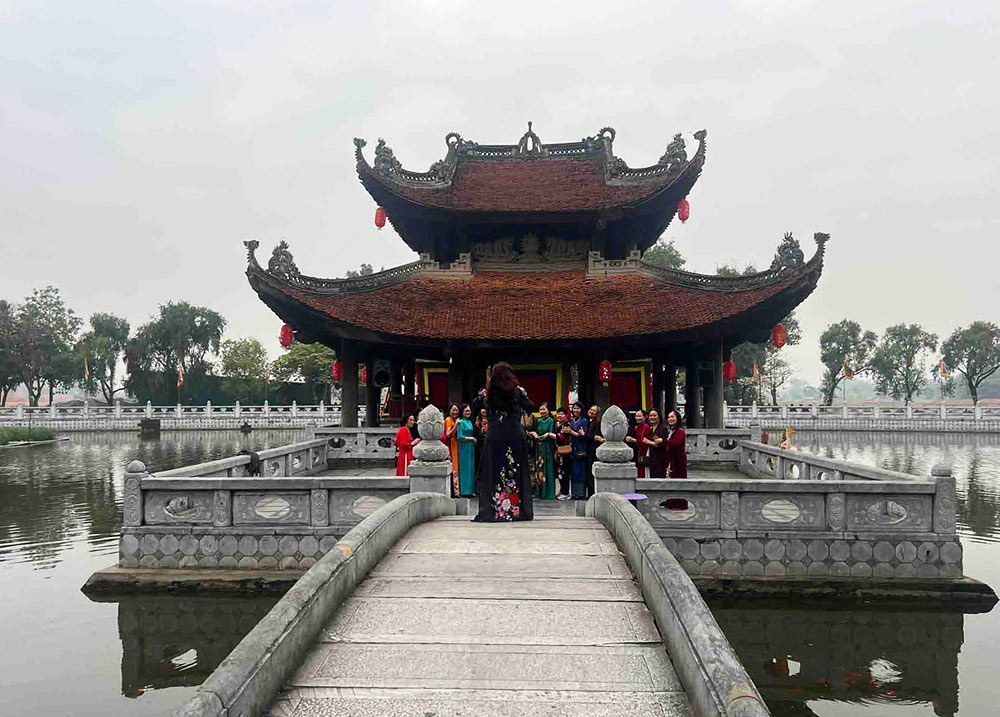
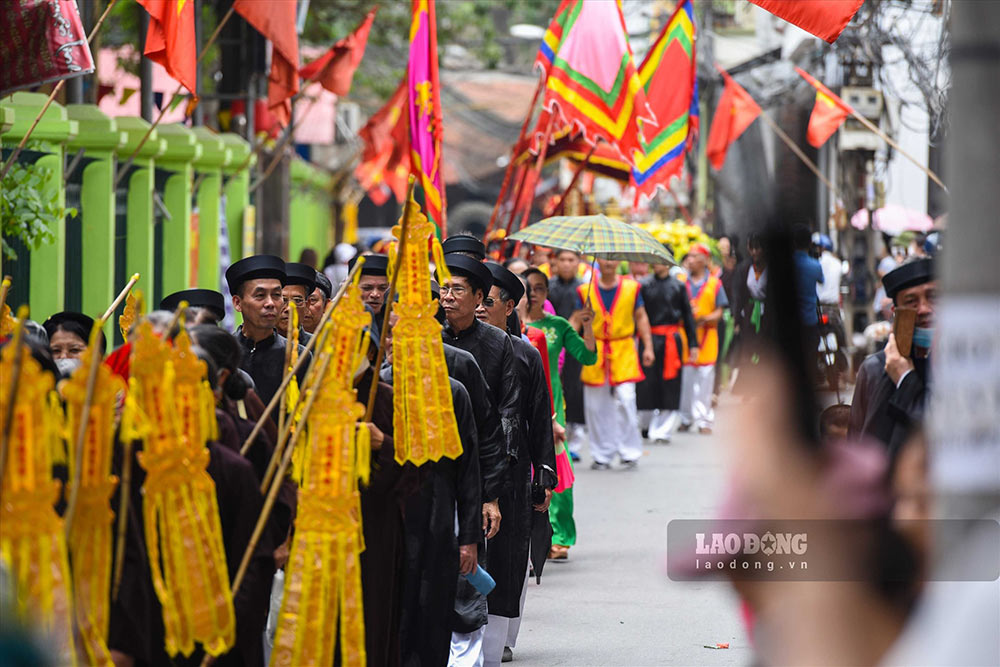
The main festival of Den Do takes place on the 14th, 15th and 16th days of the third lunar month. This is the occasion to commemorate the day Thai To Ly Cong Uan was crowned, attracting tens of thousands of visitors from all directions to come to offer incense and commemorate the merits of the Ly Dynasty. Within the framework of the festival, many unique traditional rituals take place such as palanquin procession, worship, incense offering...
Den Do was recognized by the Government as a historical and cultural relic according to Decision No. 154 of the Ministry of Culture, Sports and Tourism dated January 25, 1991. In 2014, this place, along with the tombs of the Ly Dynasty kings, was ranked as a special national relic.