
On September 8, the Ha Lan Stone Carving Management Board of Ngan Xuyen city (Ninh Ha Autonomous Region, China) said that this agency has recorded finding more than 500 new stone carvings since the launch of the general field inspection from 2020 to date.
Talking to Xinhua News Agency, Mr. Truong Kien Quoc - Deputy Director of the Ha Lan Stone Carving Management Board shared that the newly discovered works are mainly distributed in the foothill area.
Most of the paintings are images of animals such as sheep, horses, cows, camels, and ancient carvings with delicate carvings. Archaeologists also found many human faces and drawings depicting hunting, singing and dancing, and ancient tools of labor.
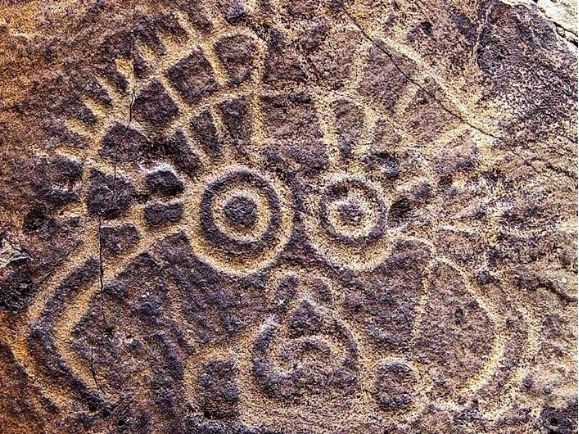
The highlight in this discovery is a rare painting depicting a carriage pulled by four horses (four long horses).
This is the first time this topic has appeared at the Ha Lan stone carving complex, and it is also a rare discovery on a Chinese scale, helping to fill the data gap about ancient life and migration methods in the locality.
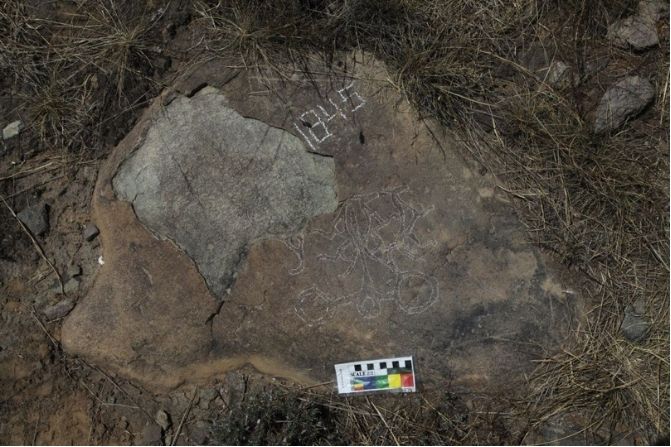
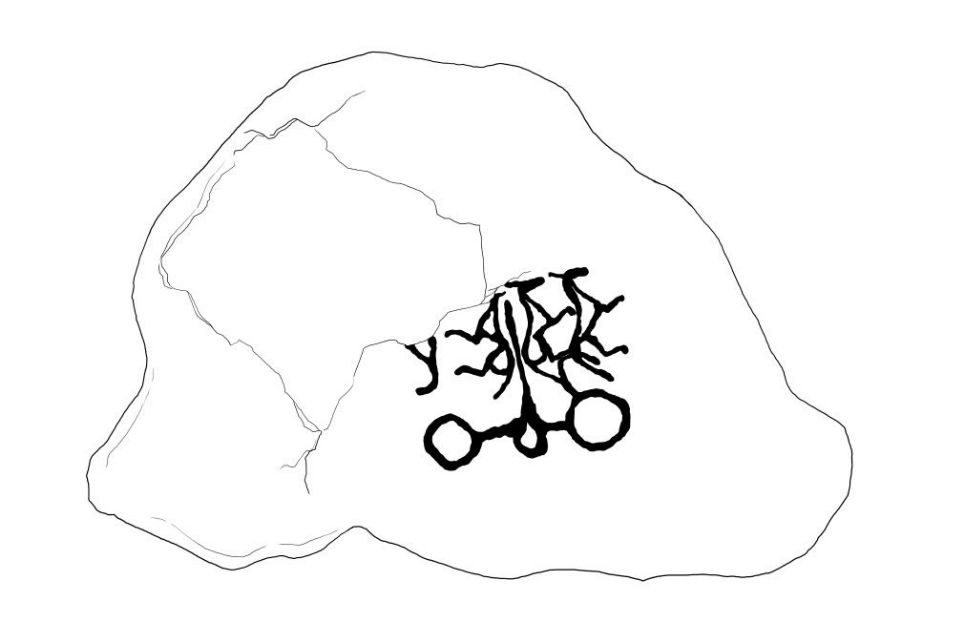
The Ha Lan stone carving conservation area is located on the eastern slope of the mountain range, and has recorded nearly 6,000 works, including more than 700 portraits of human faces. Many works were previously buried under the surface soil or hidden deep in dangerous mountain crevices, so they cannot be recorded due to technical limitations.
In this survey, experts combined 3D laser scanning equipment to clearly record grooves, operated unmanned aerial vehicles to collect multi-angle data and used a low error positioning system to standardize coordinates.
The new discoveries not only provide more valuable data to decode the social life and aesthetic thinking of prehistoric people, but also enrich the treasure of indigenous culture. Along with digital solutions, this archaeological work creates a sustainable preservation platform, paving the way for the development of heritage tourism in China and making Xia Lan range an attractive cultural destination.


