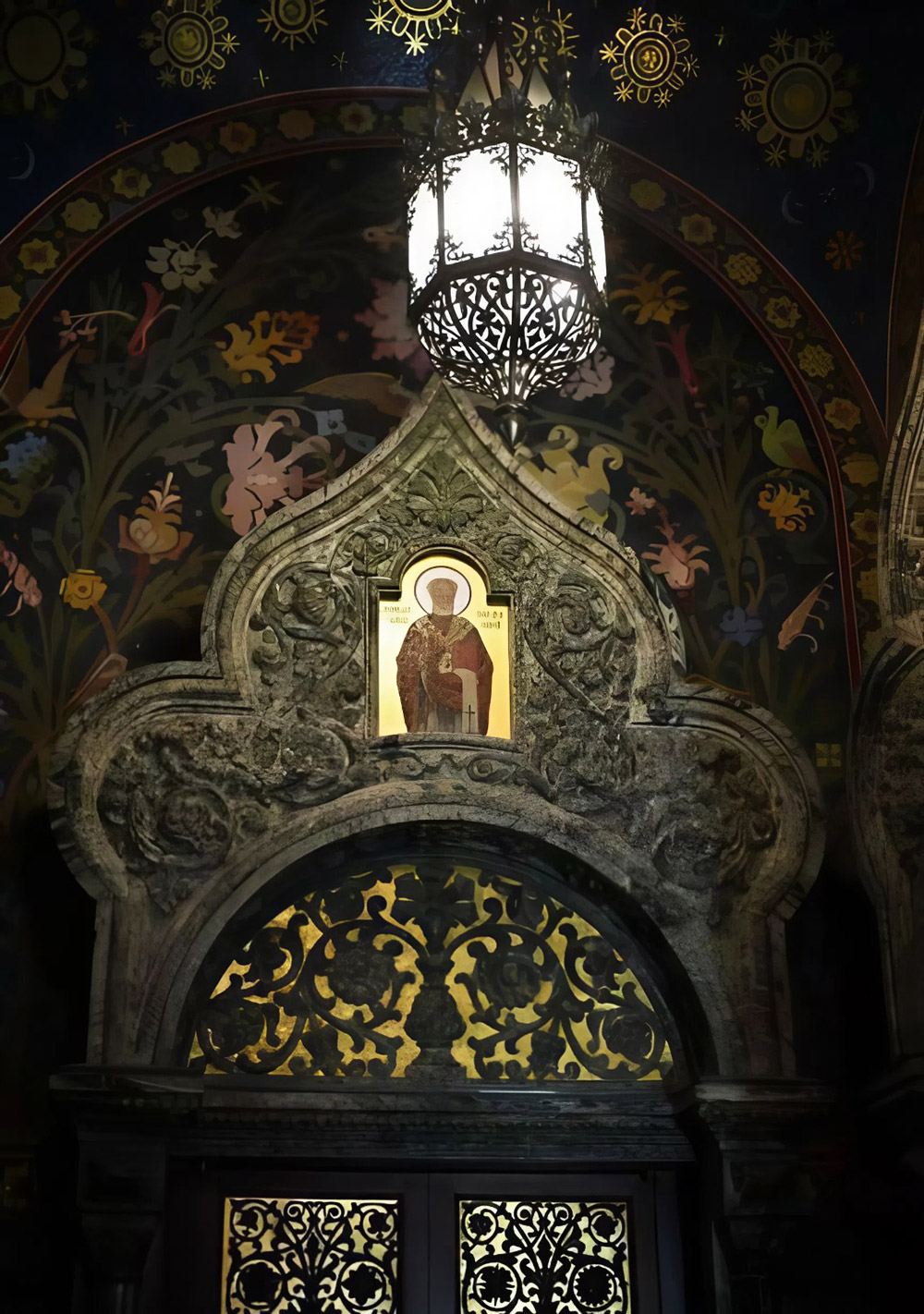
Not only a place of worship, this church is also a lively memorial, a museum of mosaic art.
Construction began in 1883 under King Alexander III, and the church was completed in 1907. It's impressive name comes from the reason why the structure was built right on the site of the assassination of King Alexander II by a terrorist in 1881. Therefore, the church has the meaning of a national monument, engraved on a tragic moment in Russian history.
Completely different from neighboring European-style buildings, the Church on the Blood is a powerful testament to the Russian Revival style. With five characteristic hanging touches, carved with porcelain, gilded and colorful, it strongly reminds St. Petro's Church. Basil in Moscow, brings a nostalgic Central Russia in the heart of the "Western" city of Saint Petersburg. However, what truly makes the Cathedral's global reputation lies in its interior with a space almost completely covered by gorgeous mosaic paintings.
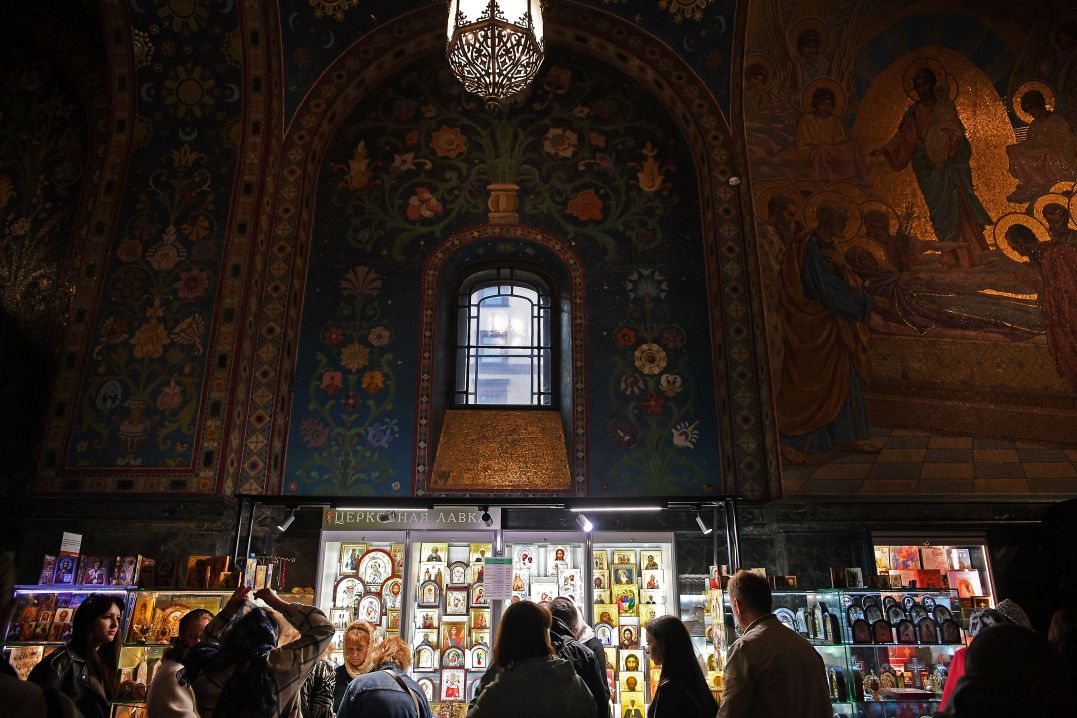
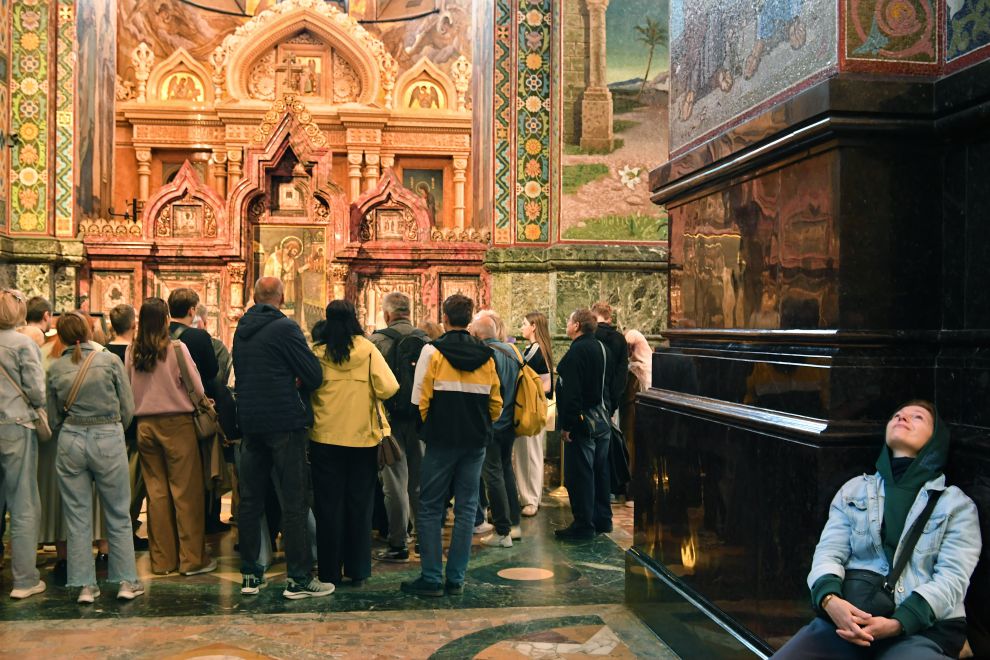
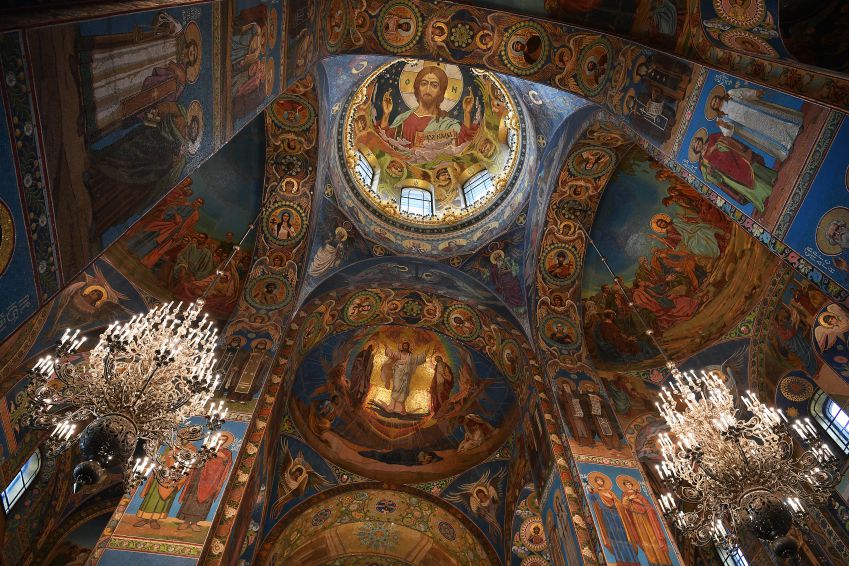
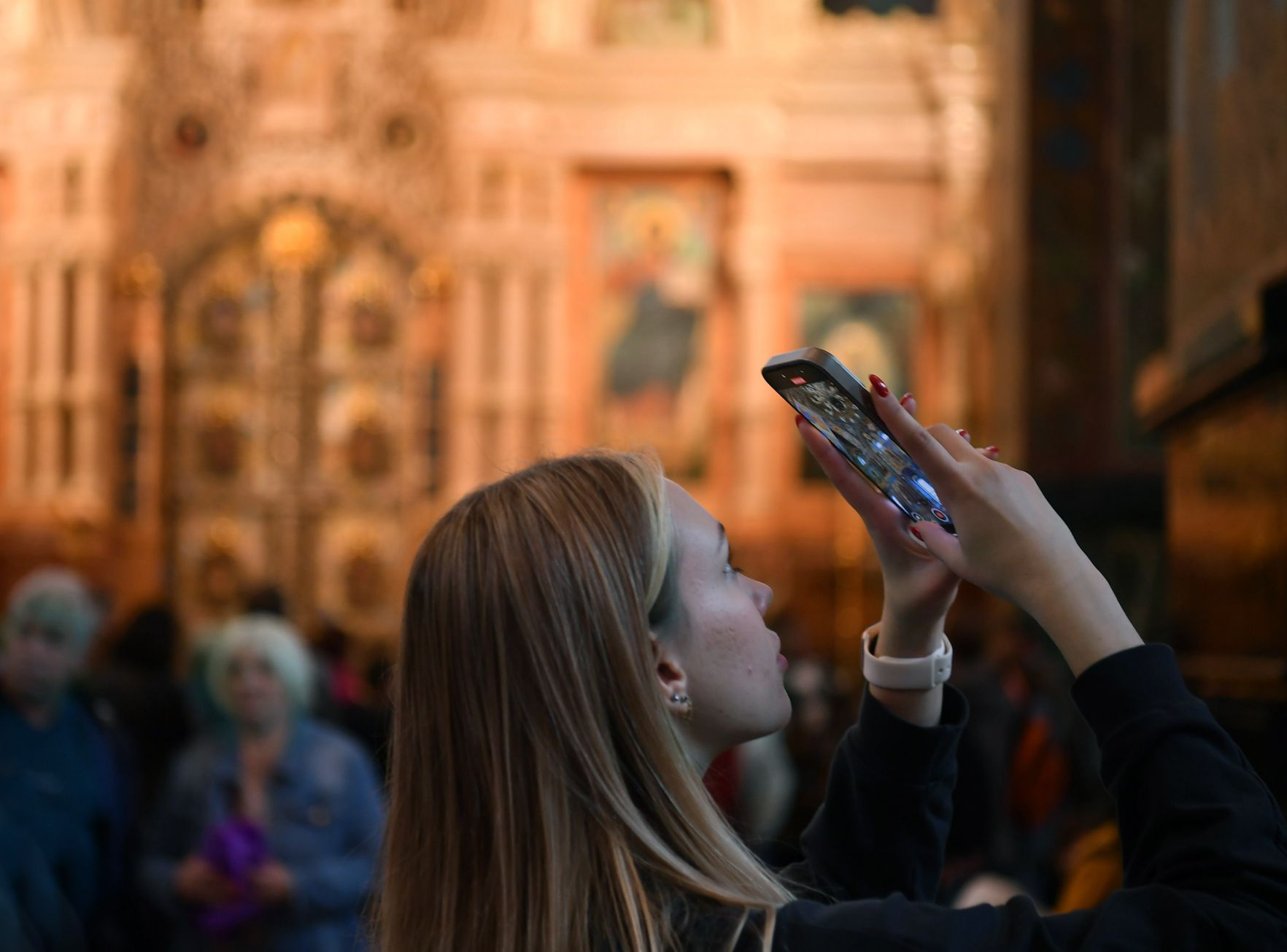
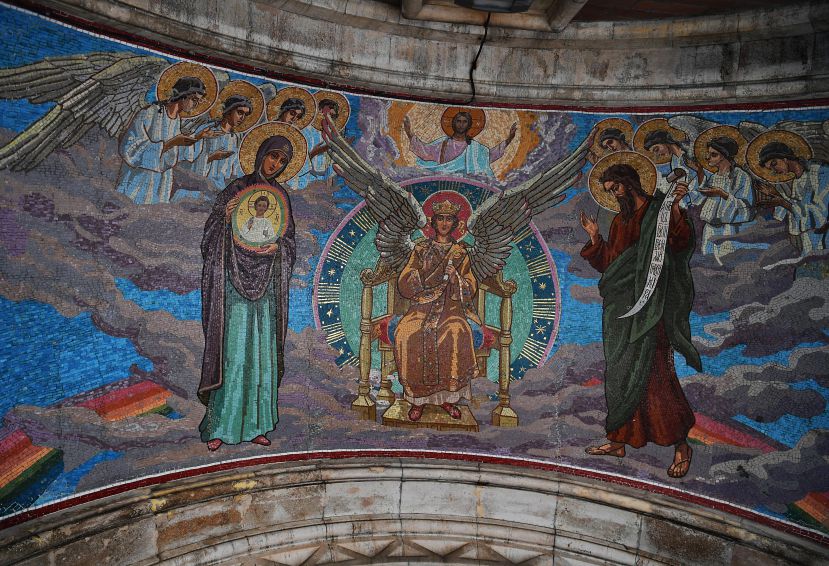
With a total area of over 7,500 square meters, this is one of the largest mosaic collections in the world. The walls, ceilings, arches and pillars are all carved from millions of pieces of stone and light-colored glass, an extremely elaborate work of art and technique. This collection details scenes from the bible, the Saints and important events in the history of Russian Eastern Conference.
The uniqueness lies in the stone cutting technique: Each piece of film is placed at different angles to maximize light reflection. This makes mosaic paintings seem lively and change color to match the intensity of light, especially when combined with gold-plated panels.
From a tragic memorial, the Church of Jesus Christ on the River has become an artistic wonder, where visitors can admire the perfect blend of religious beliefs, majestic architecture, and the pinnacle of mosaic art.