
Leaving the city for the forest
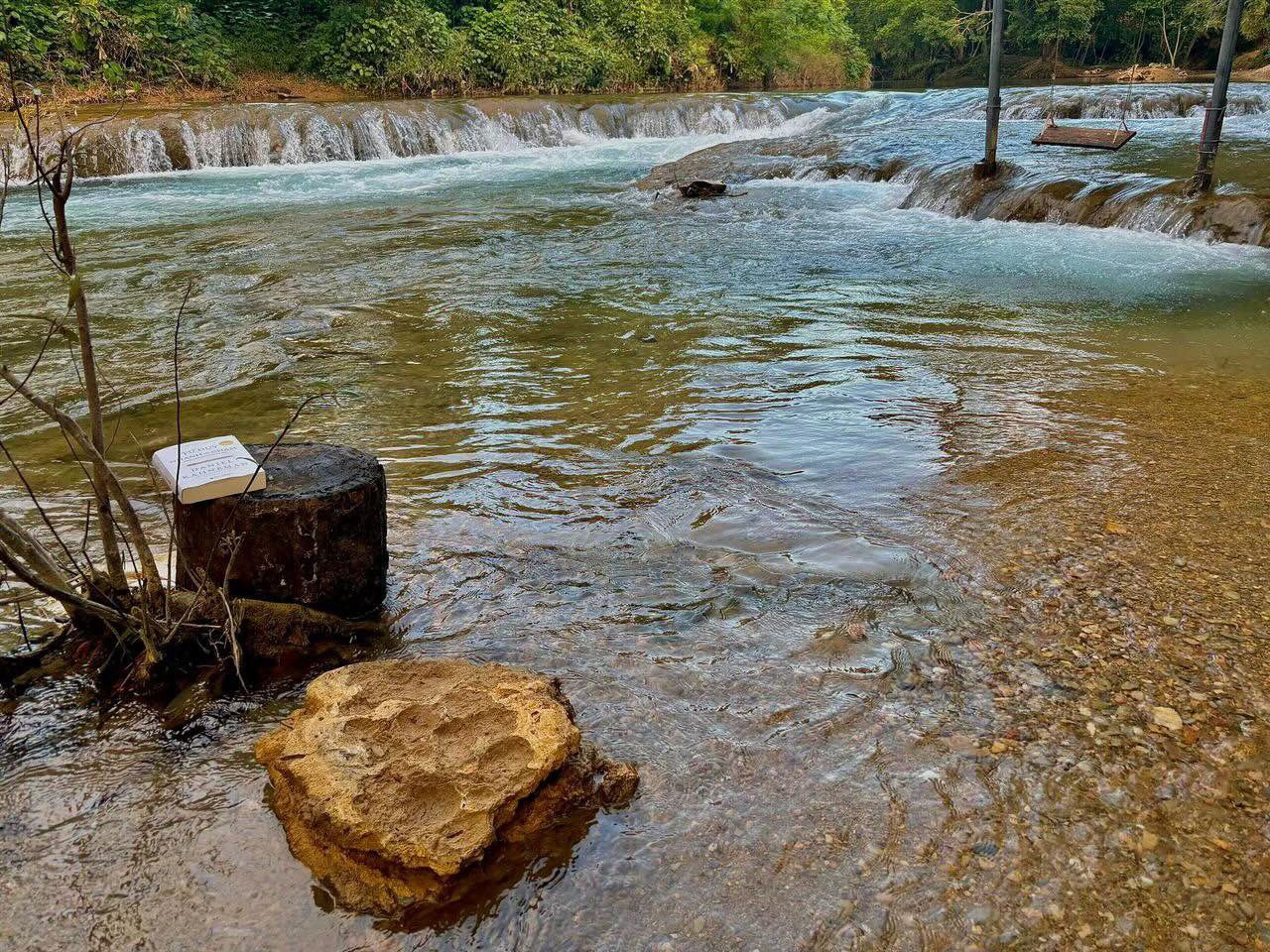
May Waterfall is located on Lang Su stream, in Thach Quang commune, Thanh Hoa province, more than 90km from the center of Hac Thanh ward. This area is surrounded by primeval forests, a rich ecosystem, and is where the Muong ethnic group lives and has been attached to it for many generations.
With the trend of finding nature, May Waterfall has gradually become a destination chosen by many tourists thanks to its wild scenery, both majestic and poetic. The increase in the number of visitors has opened a new direction for the development of eco-tourism and community tourism in the locality.
Taking advantage of that opportunity, the two Muong sisters, Bui Thi Nga (born in 1995) and Bui Thi Ngan (born in 1992), decided to start a business right in their homeland.
Ms. Nga said that she has a passion for exploring, having visited many localities such as Sa Pa, Hoa Binh, Ha Giang to experience the community tourism model. From those trips, she realized that Thach Quang is not inferior in landscape and cultural identity, if she knows how to exploit it properly, she can completely become an attractive destination.
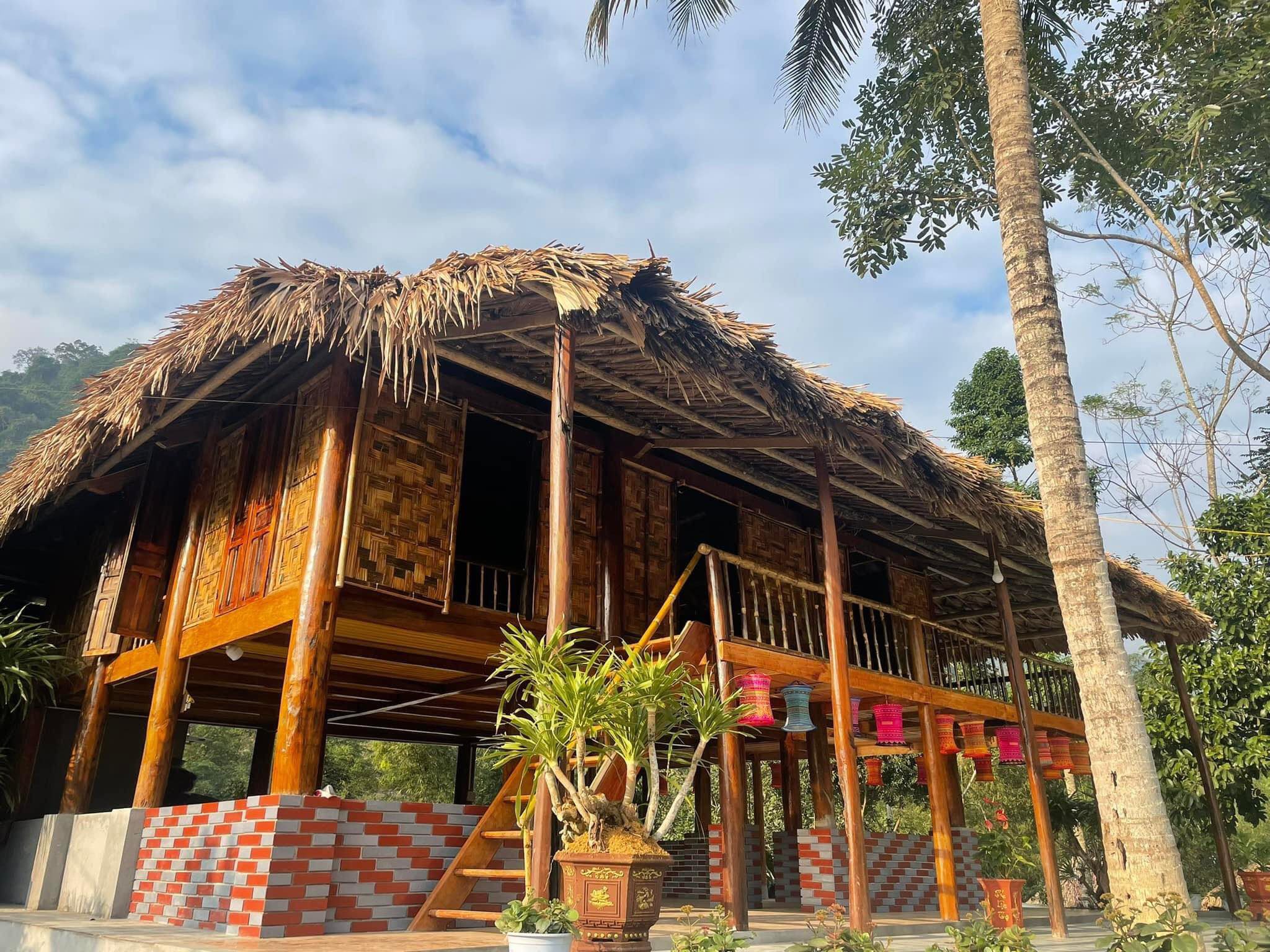
Before the April 30 - May 1, 2022 holiday, the two sisters agreed to join hands to realize the idea of "Leaving the city to the forest", also the name of the homestay. With an initial capital of about 50 million VND, they rented leveling machines, renovated the ground, and built small hutes by the stream. After more than 10 days, the first three rustic hut houses were formed, marking the beginning of the two sisters' travel journey.
The homestay was built on a plot of land of more than 1,000 square meters left by the family, resting on the hillside, behind it is a small stream with a pebble and natural sand. From the idea of turning the stream behind the house into a space for experiencing closeness to nature, after more than a year, the community tourism model of the two sisters has gradually taken shape, attracting a large number of tourists to come.
At first, homestays encountered many difficulties due to lack of capital, knowledge and experience in tourism. Both Russia and Ngan have their main jobs, and have to take advantage of the time to maintain operations. As the number of customers increased, the two sisters gradually trained more human resources to share work and improve service quality.
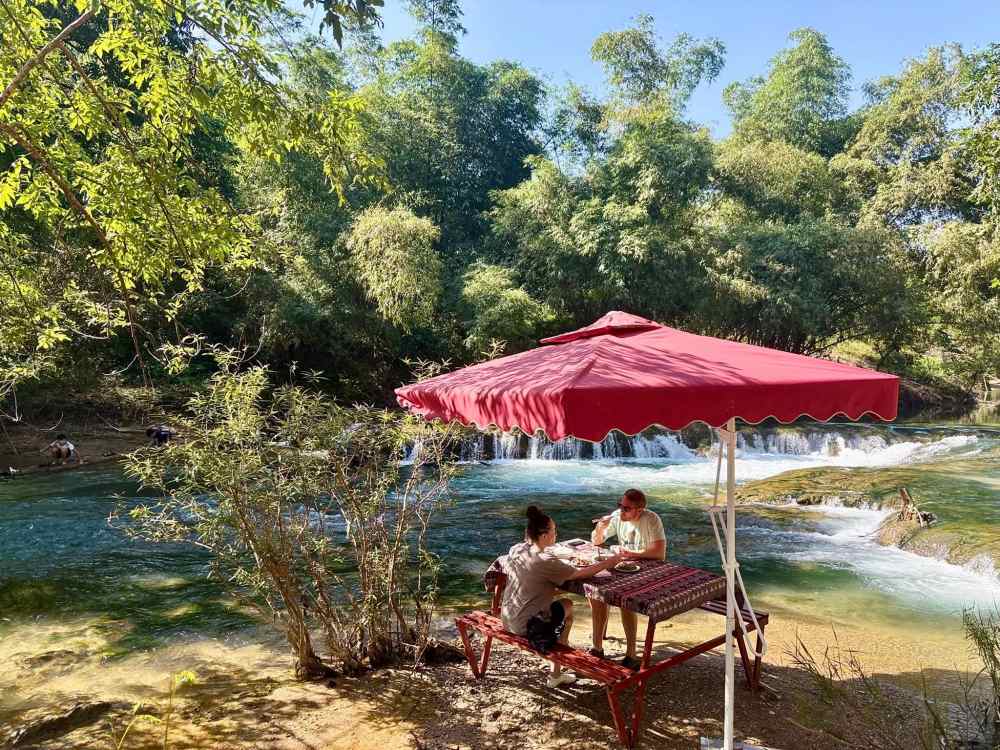
From the initial three small hut houses, the homestay has now expanded into two large stilt houses with some hostels and living areas along the stream. During the peak summer months, this place can welcome about 250 visitors every weekend. Tourists coming to May Waterfall not only visit, take photos, and relax but also experience the cultural life of the Muong people through traditional cuisine, ethnic costumes, folk games and local cultural activities.
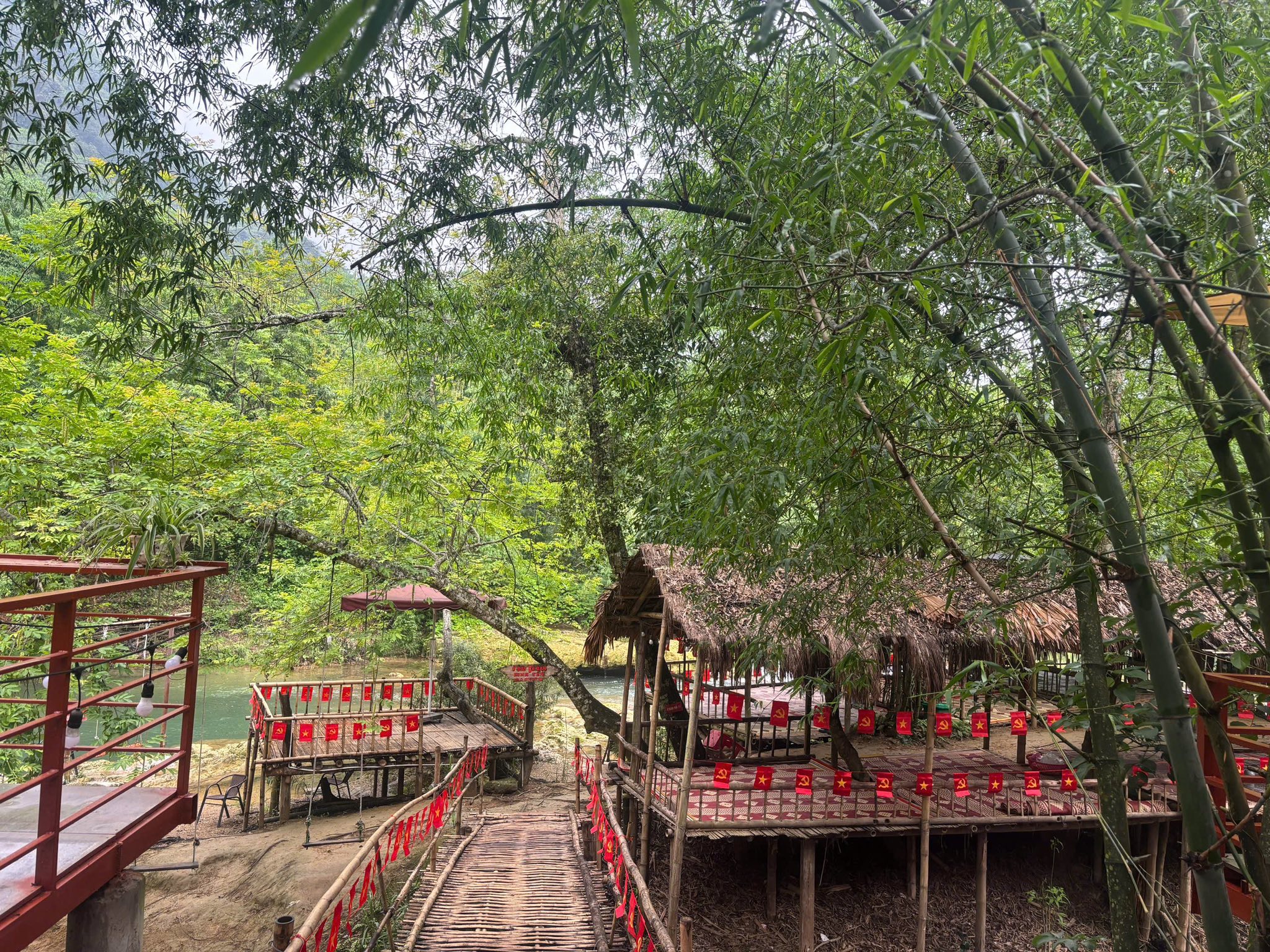
Currently, "Leaving the city and returning to the forest" has become one of the homestays that many people know about when coming to Thach Quang. With the money earned from tourism activities, the two Russian sisters boldly invested in building more bamboo and bamboo bridge cages to give visitors a place to rest, sightsee and enjoy rustic outdoor meals. The homestay also has an area dedicated to customers who like to camp and experience the wild atmosphere in mountains, forests and waterfalls.
Ms. Nga shared: "The homestay is widely known, we also welcomed more guests than before, including both domestic and foreign guests. Tourists come here to experience the peaceful, fresh atmosphere when immersing themselves in nature.
In addition, we also provide food, entertainment, waterfall bathing, canoeing, swing chains... to serve families and small groups. Occasionally, the homestay also welcomes the entire film crew to come here to survey and film".
From the initial small idea, Russia itself did not expect that now, the two sisters own an increasingly perfect community tourism model, creating a stable livelihood for the family and opening a new business direction for local people.
According to Ms. Nga, the most valuable thing that "Letting the city go to the forest" brings is not only income, but also contributes to preserving the natural landscape, introducing Muong culture to tourists from near and far.
Bringing knowledge to enrich the homeland
Unlike Russian women, Mr. Chau Thanh Nga (born in 1991), a Tay ethnic group, was well trained at the University of Culture and has more than 10 years of experience as a tour guide. In 2018, he left Hanoi to return to his hometown of Thuong Lam province in Tuyen Quang to pursue his aspiration to develop community tourism right in the village.
Together with local youth union members, Mr. Nga developed a project to establish a Youth Cooperative for homestay tourism. This project won first prize in the provincial startup idea contest, then won third prize at the national level and received support of 300 million VND from the National Employment settlement Fund. This capital became the foundation for him to implement Tai Ngao homestay.
The project is in line with the local tourism development orientation, so it should receive support from authorities at all levels and Youth Union organizations. However, according to Mr. Nga, community tourism is still a new concept for people, while capital is limited, promotion and market access are still a big challenge.
After 5 years of operation, the model has gradually stabilized with two stilt houses, with a capacity to serve about 70 guests per day during peak season. The cooperative currently has more than 15 members, many new homestays have been formed, linked together, supporting each other in welcoming guests and developing services.
Currently, in addition to accommodation and cuisine, homestays organize many experiential activities, art performances, and introductions to Tay culture, thereby creating jobs for a large number of union members, youth and local people.
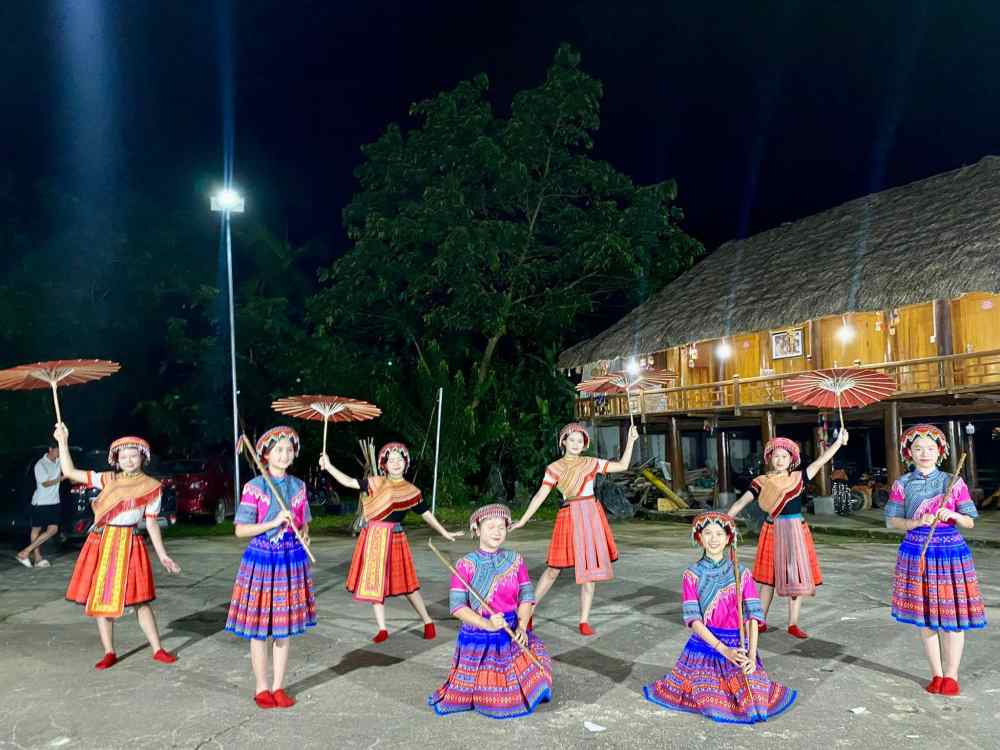
Coming here, visitors can experience the typical living space of the Tay people in traditional stilt houses, looking out at the green rice fields and majestic rocky mountains surrounding Thuong Lam village.
Visitors also have the opportunity to enjoy local cuisine with dishes with rich mountain and forest flavors such as stream fish, charcoal grilled lake fish, cooked buffalo meat, five-color sticky rice, leaf-laden corn wine. All are prepared in a traditional, rustic way by the local people themselves.
At night, homestays become a space for community activities, where visitors gather by the lights, enjoy Then music, the dan tieng, the folk songs and dances of the Tay people, to fully feel the cultural beauty and hospitality of the mountainous countryside of Tuyen Quang.
In the coming time, Mr. Nga hopes that the model will continue to expand, contributing to retaining young people in their homeland and joining hands to develop the local economy.
Starting a business in your hometown
Regardless of their starting point in terms of capital or experience, young people who choose to return to their hometown to do tourism have to face many barriers on their journey to open a new path. In reality, community tourism startups not only need passion but also require companionship and support from many sides.
For Bui Thi Nga - who almost started with zero, the biggest wish is that local people have more access to knowledge about proper tourism. According to Ms. Nga, there should be more training courses, inviting experts on instructions, organizing tours for people to visit and learn about community tourism models in localities that have done well, thereby forming ideas suitable to the conditions and identity of each village.
In addition, Ms. Nga also said that procedures related to business registration, security and order, fire prevention and fighting... are still confusing for people, and specific guidance is needed, while expanding capital support channels for young people to start businesses.
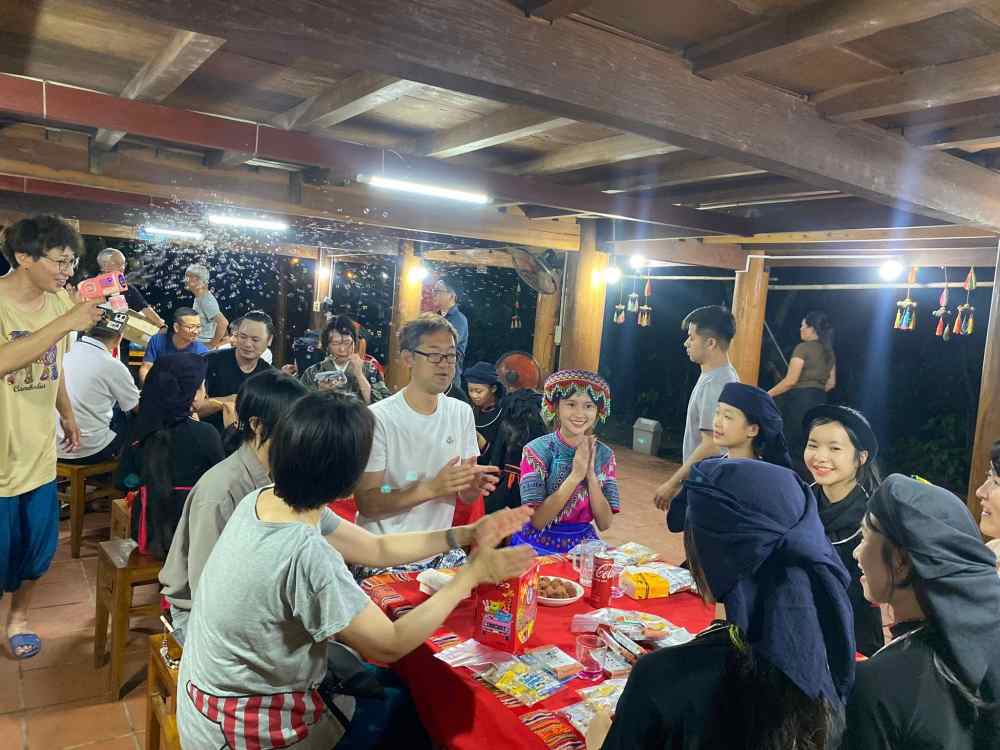
From the perspective of Mr. Chau Thanh Nga, who has many years of experience in the tourism sector, the biggest challenge lies in changing the thinking and way of doing things of the community. According to him, community tourism cannot be developed hotly or run for immediate profits, but needs the consensus of the people, the connection between households and clear orientation from the government. Lack of capital, limitations in promotion, and management skills are still common problems, requiring models to both do and learn, and adjust to suit reality.
In reality, sustainability plays a key role in community tourism development. That is the harmony between nature and people, between exploitation and preservation, between economic development and indigenous cultural preservation. To do this, it is impossible to rely only on personal efforts, but need the synchronous participation of the government, businesses and the community, so that tourism can truly become a long-term livelihood for the hometown people.


