
Quang Ninh Provincial People's Committee has just issued Decision No. 213/QD-UBND approving the Project on developing traditional craft villages to become cultural and tourism products in the period 2026-2030.
According to the project, traditional craft villages are not only preserved with the role of preserving cultural identity, but also positioned as new destinations on the Quang Ninh tourism map.
Forming a network of craft villages - craft clusters in rural areas with synchronous infrastructure, production - display - experience. Positioning key industry groups suitable to regional ecological and cultural conditions.
Craft villages will be reorganized with production, performance, display and experience spaces, associated with heritage, festivals, cuisine and local landscapes.
In the period 2026-2030, the province strives to recognize 13 craft villages and 4 traditional craft villages.
Develop 13 craft villages into cultural and tourism products, and preserve 7 craft villages associated with cultural and tourism development.
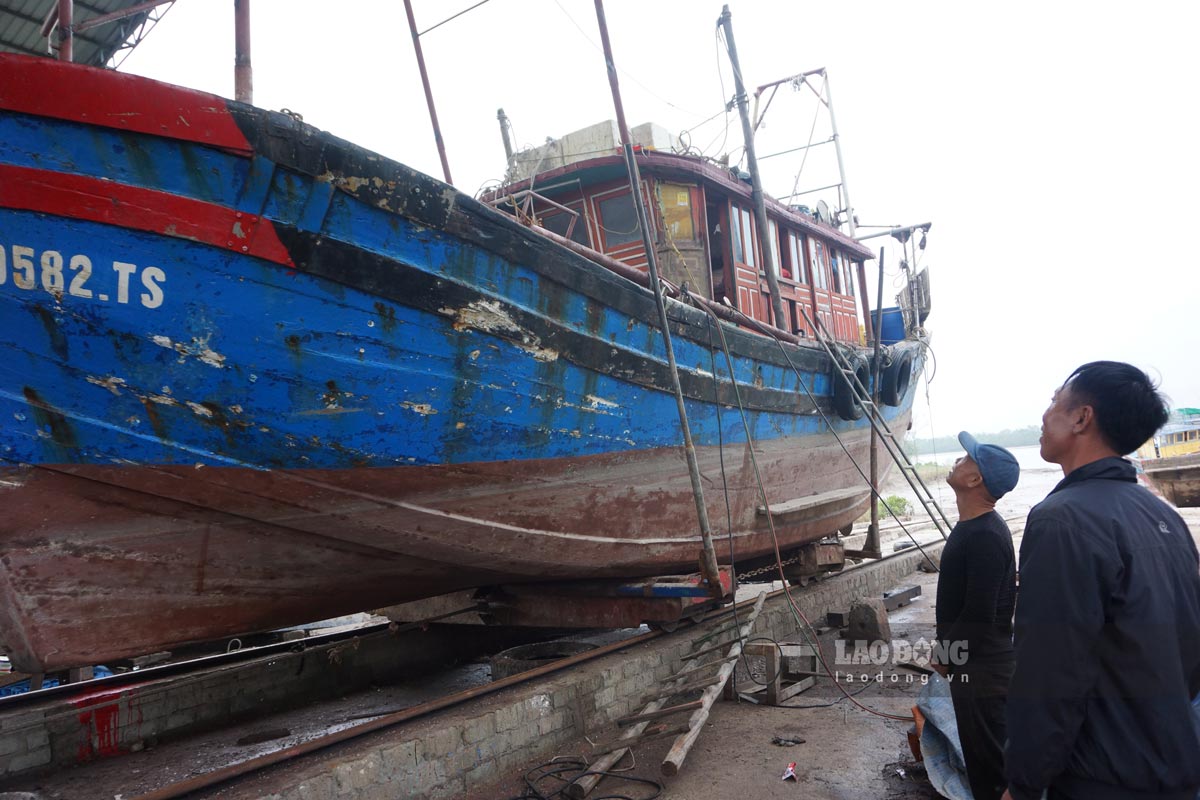
Orientation for developing craft villages to become cultural and tourism products in the period 2026-2030 includes: Dam Ha - Quang Tan radish growing and processing village; Binh Lieu vermicelli village; Van Don traditional fish sauce village; Duong Hoa tea growing and processing village; Ba Che medicinal herb growing and processing village, Cai Duoc net weaving village (Quang Ha).
Yen Tu yellow apricot growing village (Binh Khe); Dong Che flower growing village (Hoanh Bo); Van Don orange growing village; Cua Van fishing village, Nuong Yen Tu village, Khe Phuong village community tourism village, Aquaculture combined community tourism village (Van Don - Co To - Ha Long - Cam Pha).
One of the highlights of the project is building a village tourism identity including logos, slogans, digital maps; strengthening the presence of villages on digital platforms such as websites, Google Maps, e-commerce platforms. Through this, villages are gradually "aligned" clearly on tourism maps, helping tourists easily access and experience.
The project sets a target of increasing the number of tourists visiting craft villages by 10-15% each year. About 60-80 artisans, skilled workers and local people will be trained in tourism skills, introducing products to contribute to improving service quality at the destination.
The average income of workers in rural occupations is expected to increase by 2.5-3 times compared to 2020; the rate of trained workers reaches 80%.
The province also aims to form concentrated and stable raw material areas, meeting about 70% of the development needs of rural industries, requiring 100% of traditional craft villages to develop environmental protection plans.
The total cost of implementing the project is 124.5 billion VND, of which the state budget accounts for 25%, and the rest is mobilized from non-budget sources and other legal sources.
It's a bit of a bit of a bit of a bit of a bit of a bit.


