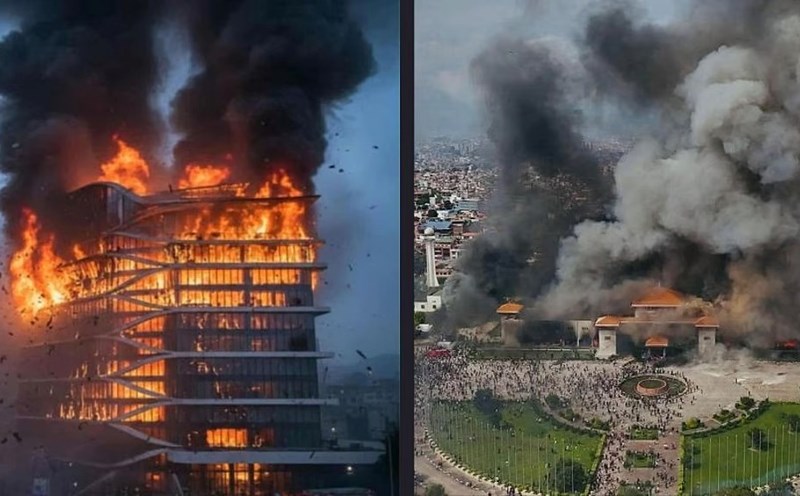
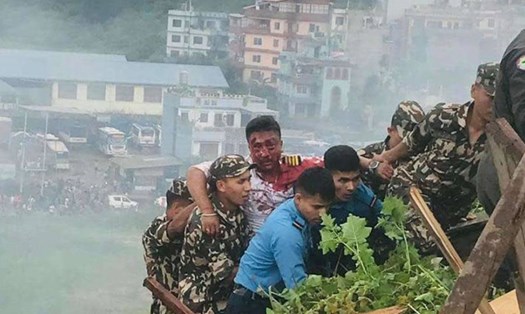
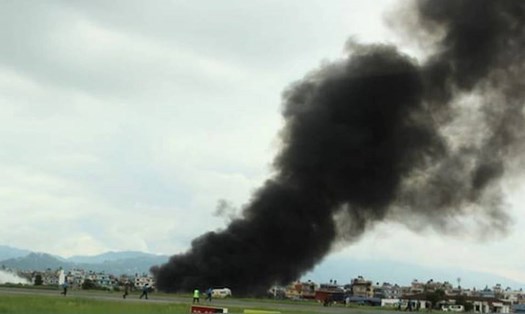
A large-scale flash flood and landslide occurred on August 26 in the Bhote Koshi River basin in Rasuwa district (northern Nepal, bordering Tibet, China) causing particularly serious damage to people and infrastructure.
According to AFP, as of noon on August 29 (local time), emergency rescue teams have found 633 bodies of victims, while the missing person list has reached nearly 3,000 people and threatens the livelihoods of nearly 100,000 border residents.
The tragedy occurred at the Rasuwagadhi - Timure transit point, the leading important gateway connecting the sacred Kailash Mansarovar pilgrimage tours from Nepal to Tibet.
The Nepal Tourism Authority and the Indian Ministry of Foreign Affairs confirmed that hundreds of international tourists of many nationalities from India, the United States, Malaysia, England, Australia... and locals lost contact while on tour. Many bridges, customs offices and the entire key national highway connecting to the border were swept away by floods.
In addition, Nepal recommends that tourists postpone unnecessary trips to the Rasuwa, Nuwakot, Dhading, Gorkha, Chitwan flooded areas and the Bhote Koshi, Trishuli river basin, and continuously review road conditions to prevent incidents.
This incident heavily damaged the efforts to restore the South Asian nation's tourism industry. According to the World Travel & Tourism Council (WTTC), tourism contributes about 6.6% of Nepal's GDP and is the core livelihood of the highland people.
Scientists and environmental experts warn that the event at Rasuwa is a red alarm bell about the impact of climate change on the Himalayan ecosystem.
Previously, the World Bank (World Bank) and the Asian Development Bank (ADB) also repeatedly warned that increasing climate shocks are the biggest negative risk to Nepal's economic growth, directly threatening the two pillars of tourism and agriculture.
According to scientific reports, there are currently at least 42 ice lakes in Nepal facing the risk of natural dam breaks due to warming temperatures causing ice sheets to melt rapidly, forming cross-border flash floods. Although Nepal contributes less than 0.1% of global carbon emissions, this country is suffering the most severe damage.
Experts believe that to ensure the future of adventure tourism and spiritual pilgrimage, Nepal not only needs to stimulate tourist demand but also urgently invest in satellite surveillance technology, early warning systems and sustainable disaster response infrastructure at high mountain routes.