
On May 17, the World Health Organization (WHO) declared the Ebola epidemic in Africa a global public health emergency - the second highest level of alert according to the International Health Regulations.
Currently, the epidemic mainly appears in the Democratic Republic of Congo and Uganda, where more than 90 deaths have been recorded.
Faced with the risk of disease spreading across borders, Indonesia has implemented strict health check-up measures at international border gates after the latest warning from WHO.
The head of the communications department of the Indonesian Ministry of Health, Mr. Aji Muhawarman, said that Indonesian authorities are closely monitoring tourists from countries affected by the Ebola epidemic.
Suspected cases will be transferred to designated hospitals and reported through the national emergency response system," said Aji Muhawarman.
He also said that the Indonesian government is coordinating with hospitals and public health agencies to strengthen early detection capabilities, epidemiological surveillance and response capabilities if suspected cases appear.
The move was made in the context of the strong recovery of international visitors to Indonesia. According to published data, the country welcomed about 3.44 million foreign visitors in the first quarter of 2026, an increase of 8.62% compared to the same period last year and recorded the strongest quarterly growth since 2020.
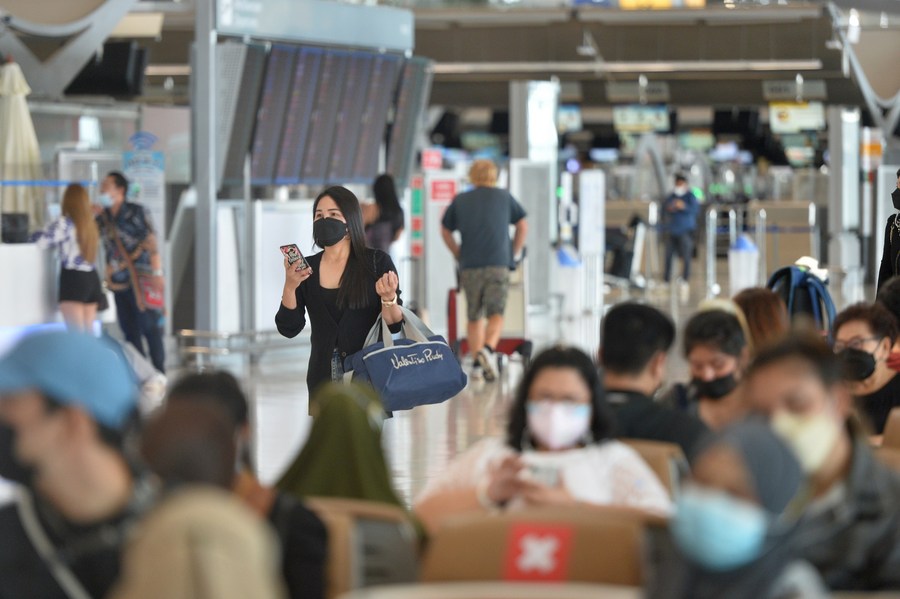
According to Nation Thailand, Thailand - the second largest economy in Southeast Asia - has also raised its vigilance against the Ebola epidemic.
Thai health authorities said they are closely monitoring tourists from the Democratic Republic of Congo, Uganda and other high-risk areas for 21 days - the maximum incubation period for Ebola.
Hospitals nationwide are required to strengthen screening for suspected cases, and quickly investigate when detecting symptoms or abnormal signs related to this dangerous infectious disease.
Despite implementing stricter epidemic prevention measures, Thailand's tourism industry is still under pressure for unstable recovery. In the first 4 months of 2026, the country welcomed about 12 million international visitors, down 3.45% compared to the same period last year.
WHO said that the Ebola Bundibugyo virus strain that caused the outbreak currently has no approved vaccine or specific treatment method. This makes the risk of cross-border spreading a major concern for many countries with high international trade and tourism flows, including Southeast Asian countries.


