
Music created by AI is not yet recognized as a work, because the law stipulates that the creative subject must be humans. This sets clear limits for machined products. In addition, AI cloning the voice (copying or recreating a person's voice using AI technology) for commercial purposes without permission can be considered a violation of human rights and related rights.
In reality, there have been cases of frustration. In March 2024, People's Artist Le Thuy spoke up when her voice was simulated by some AI users to sing BlackPink music, Thai film music... to "view, like". Forging a voice not only distorts the artist's image but also violates the professional value accumulated over decades.
On YouTube Vietnam, many videos of AI singing Trinh's music in rock style, AI covering old music songs with new-style arrangements have attracted millions of listeners and views. There are even AI covers that attract more views than the real singer's singing version.
According to lawyer Pham Vu Khanh Toan - Head of the Law Office of Su Pham and Lien Danh, Vietnam currently has no regulations on "publicity right" - the right to commercial exploitation of images and voices.
Due to the lack of a clear legal framework, the handling of fake voice behavior mainly relies on personal rights, which still causes controversy about the scope of protection and the level of violation.
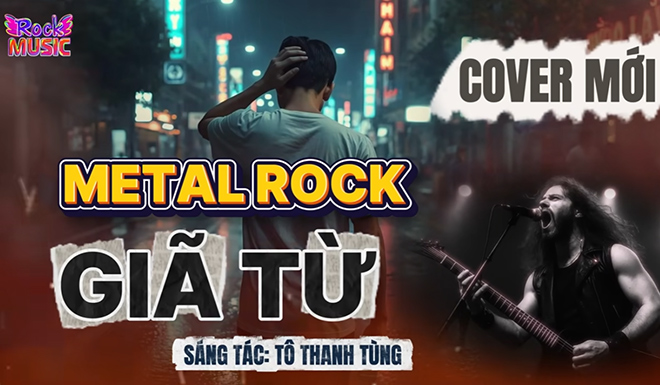
When AI cover is based on the original melody, this is the most common form. The AI model recreates songs through melodies, musical structures, and part of the lyrics. Although the collection is new, the entire content is created with the structure of the original work. Legally, this is a "defeated work" and must always ask for permission to own the copyright owner.
When AI copes and impersonates the voice of an artist, technology will simulate the sound, breathing, vibration and the characteristic songwriter's preferences. Using a singer's simulated voice without permission is considered an infringement of human rights. The risk level in this group is considered the highest because it is directly related to personal rights.
Some AI systems create new arrangements but maintain the artist style. AI only simulates the familiar rhythm and harmony of the artist without using the original melody. This is a legal gray area, because the musical style is difficult to determine whether it is a protected asset or not.
AI creates recordings from zero but based on the acoustic signature. In this case, AI creates beats, musical instruments and voices without getting specific data. According to lawyer Pham Vu Khanh Toan, if the music created is too similar to the original, the risk still exists because the platform can be identified by audio fingerprint.
When asked "How should Vietnam respond to the AI wave to both take advantage of technology and protect artists", Lieutenant Colonel, musician Trinh Xuan Hao said: "First of all, it is necessary to take advantage of AI to increase creativity, improve product quality and promote Vietnamese music. Technology helps us catch up with trends and reach out to the world faster.
But most importantly, artists must keep the Vietnamese heart and Vietnamese soul in their compositions. Technology supports but must not lose identity.
copyright law needs to be strongly updated to protect the rights of artists against the rapid development of AI.


