
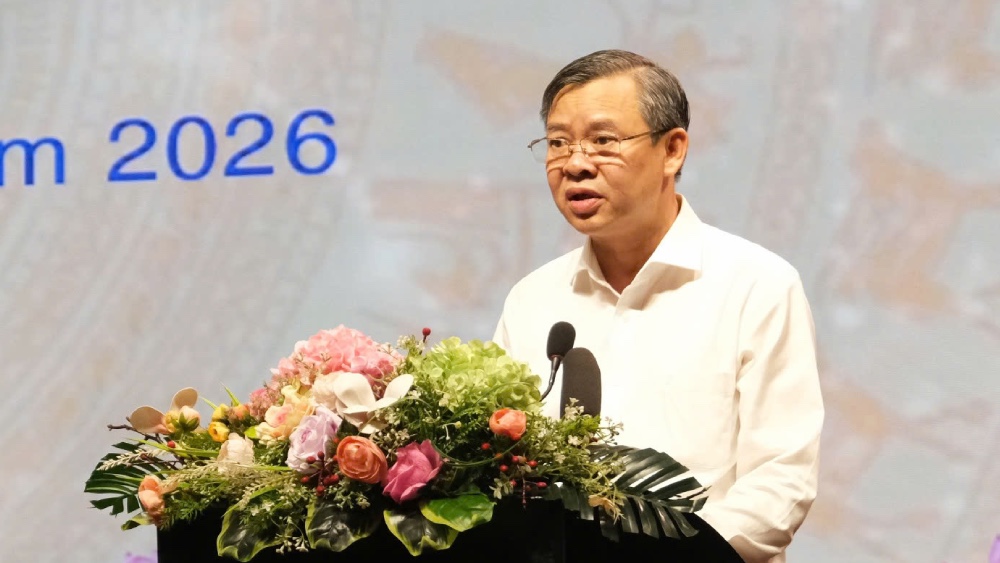
At the Conference to promote trade and investment cooperation between Hanoi City and Can Tho City (afternoon of June 8), Deputy Secretary of the City Party Committee, Chairman of Can Tho City People's Committee Truong Canh Tuyen informed that after the merger, Can Tho has a coastal space and coastal localities with rich potential, creating great development space for marine economy, seaports, logistics, renewable energy and aquaculture and seafood exploitation.
On that basis, Can Tho has approved the adjustment of the City Plan after consolidation (Decision No. 3639/QD-UBND dated December 31, 2025). One of the important contents of this plan is the development of functional areas.
Tran De Economic Zone
Can Tho City orients the development of Tran De economic zone with a scale of over 40,000 hectares in the coastal area of 10 communes and wards, associated with Tran De seaport.
This is a multi-sectoral integrated economic zone, playing an extremely strong growth role, an international maritime trade hub, a pilot center for digital transformation, green transformation and high-quality human resource training.
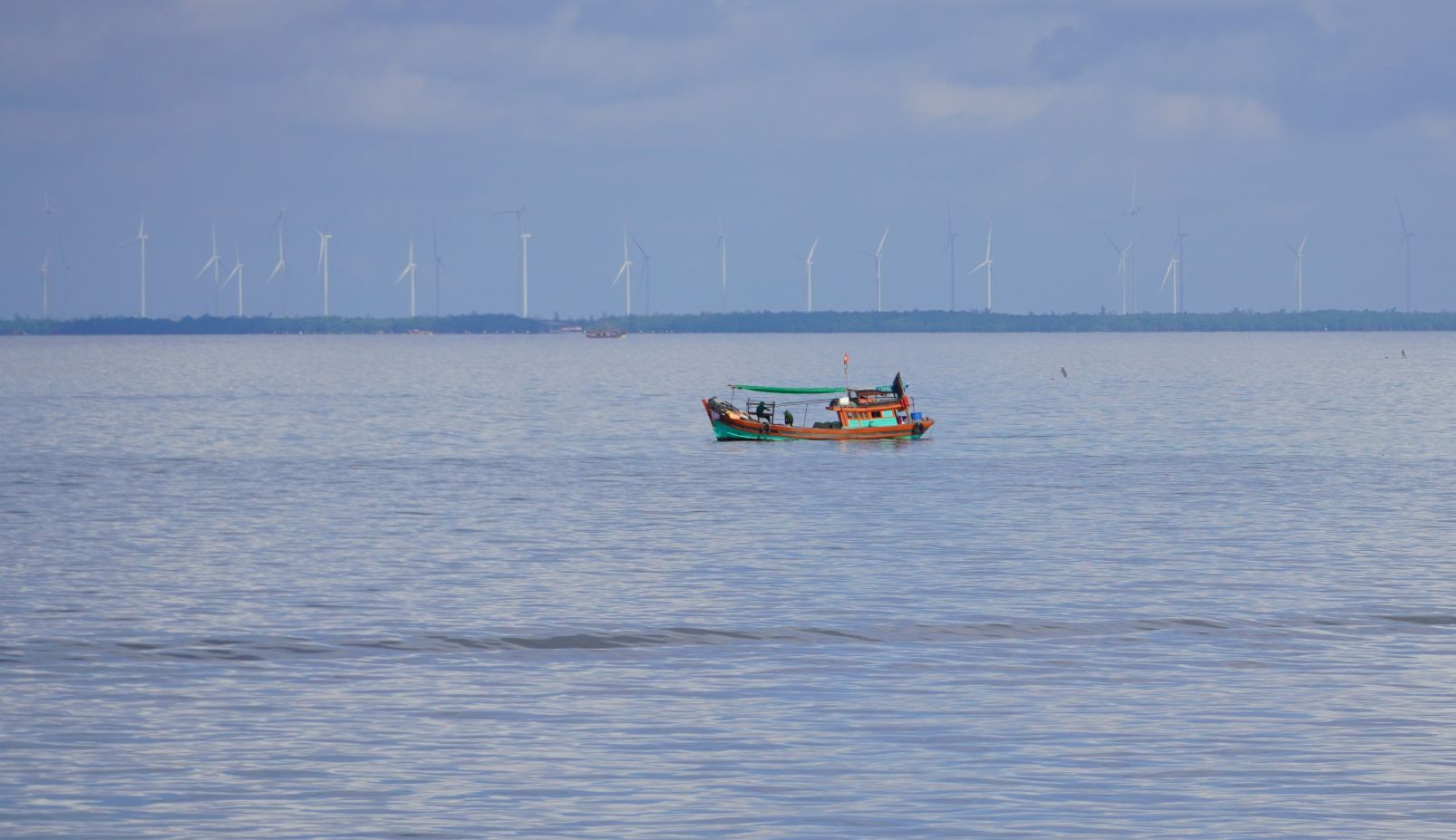
Tran De Port will be the biggest breakthrough, changing the logistics situation of the entire Mekong Delta region, helping export goods not have to be transshipped through Ho Chi Minh City, saving trillions of VND in costs each year" - Chairman of Can Tho City People's Committee said.
Industrial park
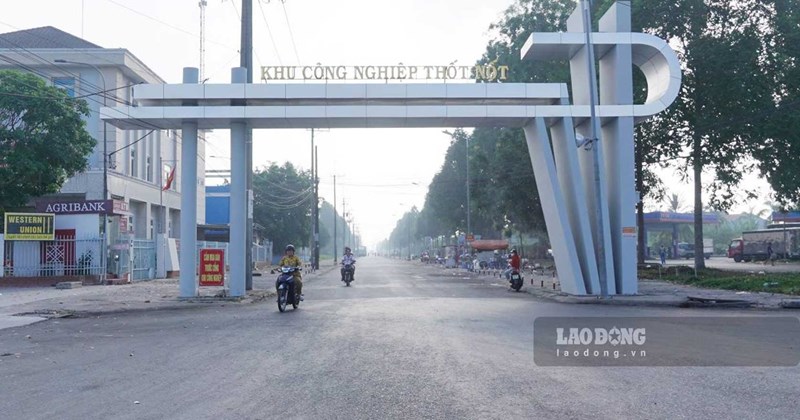
Can Tho orients the development of industrial parks according to the "3 regions - 3 centers - 1 linkage axis" structure with 40 industrial parks, with a total area of over 60,000 hectares by 2050.
Currently, Can Tho City has 7 existing industrial parks operating, prioritizing attracting high-tech agricultural and aquatic processing industry; energy equipment industry; supporting industry; electronics industry and green industry.
Free trade zone
In Can Tho City, a pilot free trade zone is being researched and developed with a scale of about 2,000 - 5,000 hectares at 2 locations: the area associated with Can Tho airport - aviation logistics center and High-Tech Zone; and Tran De coastal economic zone associated with a deep-water port.
This will be an investment environment with specific and attractive preferential policies to attract FDI enterprises and domestic enterprises with leading positions.
Industrial - logistics - science and technology complex associated with Can Tho International Airport
This complex has a scale of about 16,000 hectares in the wards of O Mon, Phuoc Thoi, Thoi An Dong, Binh Thuy and Phong Dien commune.
Can Tho City orients its development into an Aviation Service and High-Tech Industry Center, including aviation logistics, cold storage chains, electronics industry, pharmaceutical processing, agricultural products and aviation urban areas.
Industrial cluster system
By 2030, the city will have 35 industrial clusters with a total area of over 2,000 hectares, creating favorable conditions for small and medium-sized enterprises to access production space.
Economic corridor
The plan also clearly defines the strategic economic corridor system, in which the Chau Doc - Can Tho - Soc Trang corridor associated with Tran De seaport is prominent; the Hau River corridor; the economic corridor along the expressway CT. 02 connecting East - West; the North - South corridor CT. 01 connecting the entire region and the coastal corridor CT. 33, a key infrastructure to open the development space of Can Tho to the sea.
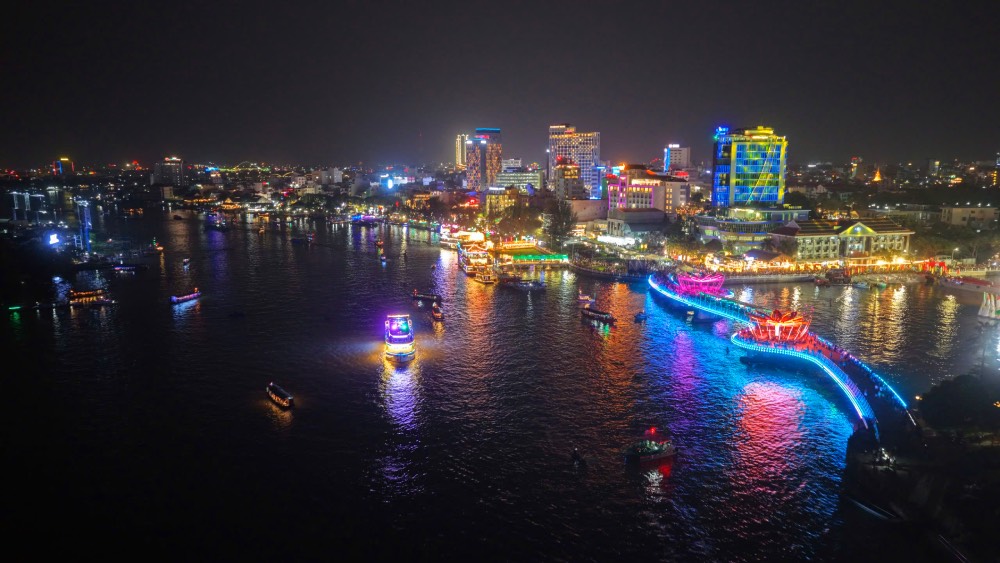
The goal by 2030 is for Can Tho City to have an average GRDP per capita of about 8,500 USD; total budget revenue strives to reach 57,000 billion VND.


