
90% of goods transit through Ho Chi Minh City
Recently, at the 2025 Can Tho City Annual Economic Forum with the theme "Can Tho City towards a modern logistics center - the development driving force of the Mekong Delta", Dr. Bui Thien Thu, Vice President of the Vietnam Port - Waterway - continental shelf Association, commented that the Mekong Delta plays an important role in the development of agriculture, aquaculture and exports of the whole country. With a dense river system, inland waterway transport has, is and will continue to play a vital role in transporting goods and passengers, promoting regional connectivity and sustainable socio-economic development.
However, Dr. Thu said that the waterway infrastructure here is still weak and unsynchronized. Many key routes were silted up, the bridge had low clearance, and narrow boat clearance, making it difficult for heavy-duty ships, containers and overweight goods to operate safely. The port and wharf are small, spontaneous, lack technical standards and are not well connected to other methods.
Dr. Thu commented that although the cost of waterway transportation is low, this sector has not been prioritized for investment, while climate change causes silting, erosion, and salinity intrusion, directly affecting transportation activities.
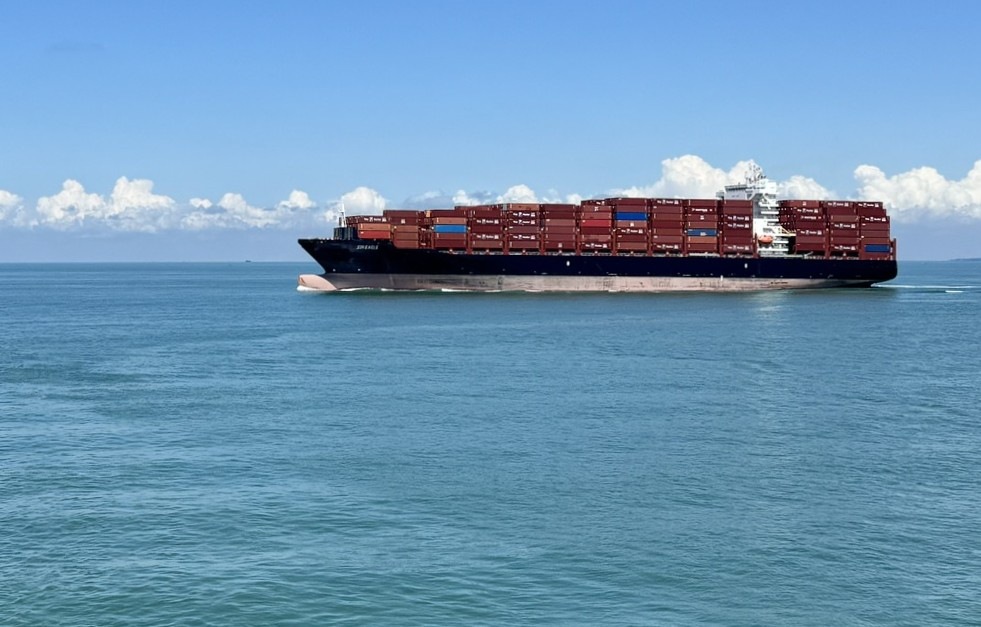
Mr. Tran Van Minh, Director of the Inland Waterways Port Authority of Region IV, said that the demand for export goods in the Mekong Delta is up to tens of millions of tons/year while there is a shortage of deep-water ports for large container ships; Ho Chi Minh City ports are often overloaded, increasing costs and storage time. The main transport routes connecting the Mekong Delta with Cai Mep - Thi Vai port still have limited infrastructure: the small route only receives ships under 1,200 DWT, the main route for ships over 5,000 DWT to operate effectively but operate complicatedly.
Dr. Le Thanh Hoa, Acting Director of the Can Tho City Institute of Economics and Society, commented that the Mekong Delta needs to transport more than 18 million tons of goods per year, worth about 31 billion USD, but 90% still have to transit through Ho Chi Minh City, causing costs to increase and reduce competitiveness.
Dr. Hoa cited Can Tho City as a strong locality in terms of waterways directly connecting Cambodia and Ho Chi Minh City with major ports. However, currently, 70% of import and export goods still have to go through Ho Chi Minh City due to lack of deep water ports, limited infrastructure, silted inland waterways, and inconvenient waterway and canal connections, causing transportation time to increase, increase costs and reduce the quality of agricultural products.
A shrimp exporting enterprise in Soc Trang area, with a turnover of about 250 million USD/year, said that for the past 30 years, it has had to transport goods to the port of Ho Chi Minh City at a cost of 700 USD/container of 40 feet in both directions. He said that if there is a deep-water port in Tran De, the cost could be reduced by 20 billion VND/year and transportation time can be shortened.
Waterway upgrade strategy
To maximize the advantages of waterway transportation, Dr. Bui Thien Thu proposed developing inland waterway transport in the Mekong Delta by perfecting the law, upgrading infrastructure and developing human resources. Port and wharf planning needs to limit small wharves, integrate logistics centers, dry ports, warehouses; at the same time, upgrade routes, dredge river mouths and combine flood and salinity prevention works.
Mr. Tran Van Minh said that it is necessary to maintain rivers, canals, bridges, and culverts, ensuring width, depth, and clearance suitable for modern means, especially Dinh An canal and Quan Chanh Bo canal at 6 - 6.5 m for large ships to travel safely. At the same time, improve multi-modal transportation supervision and logistics services to reduce costs, creating a synchronous transportation chain.

Dr. Le Thanh Hoa proposed prioritizing waterway and sea transportation, convenient connection from raw material areas to major transit ports such as Ho Chi Minh City or Cai Mep - Thi Vai, shortening time, reducing costs and pressure on roads. With the Tran De deep-water port project receiving heavy-duty ships, it will create a direct "sea gateway" for the Mekong Delta, enhance competitiveness and sustainably develop the regional logistics system.


