
When vacation becomes a "health regimen
For many years, resort tourism has often been associated with the image of lying on the beach, eating comfortably or enjoying the feeling of temporarily being away from everyday life. But in recent years, that trend has been changing rapidly. More and more people want to return after vacation with a healthier body, more balanced spirit and even... stay young longer.
The concept of "longevity tourism" has therefore emerged as a new branch of the high-end tourism industry. Instead of just spa or simple detox, many resorts now combine modern medicine, health data analysis and restorative therapies to prolong biological life.
Switzerland is currently one of the prominent centers of this trend. Clinics located in the Alps, which are famous for weight loss and body detoxification therapies, are now gradually switching to anti-aging personalized programs. Visitors are tested for DNA, age biological assessment, body index analysis, and then develop their own protocols including nutrition, exercise, and cell therapies.
The cost for these experiences is not cheap, but many people see it as an investment for the future. Instead of shopping for luxury, they are willing to spend money to better understand their health and find ways to prolong healthy living years.
That trend is also spreading strongly to the Middle East. In Dubai or Abu Dhabi, many luxury hotels are replacing traditional spas with high-tech health care centers. Tourists can experience cold therapy, nutrient infusions or personal nutritional counseling right in the resort.
It is noteworthy that "longevity tourism" is no longer only for the super-rich. From short-term "retreat" courses to more affordable health care programs, more and more young people are also starting to pay attention to living healthy and preventing premature aging.
Searching for longevity secrets from "green areas
Contrary to high-tech treatments, there is a simpler type of longevity tourism: Finding places where people live healthy and naturally long lives.
The concept of "Blue Zones" - "green areas" with many people living over 100 years old - was popularized by researcher Dan Buettner after many years of surveys. What makes these areas special is not in expensive medicine but in daily lifestyle.
On the Italian island of Sardinia, people walk a lot on hilly terrain, eat local products and maintain strong family relationships. Long meals with loved ones, slow pace of life and community cohesion are considered an important part of helping them stay healthy in old age.
In the Nicoya Peninsula of Costa Rica, the secret to longevity lies in very ordinary things: manual labor, eating a lot of beans, pumpkins, corn and always maintaining a sense of meaningful life. Local people call it "plan de vida" - the reason to wake up every morning.
Singapore is again seen as a "Blue Zone 2.0" in a very modern way. The government of this country focuses on urban design that is friendly to the elderly: Many walking spaces, outdoor fitness areas and policies to help families live close to each other so that the elderly are less lonely.
The common point between these places is not high technology or magical secrets, but the balance between exercise, eating, living environment and social connection.
Perhaps that is why long-term tourism is attracting many people. After years of the world experiencing prolonged epidemics and stress, many tourists no longer want to just "go for fun". They want each trip to bring something more sustainable: A healthy lifestyle, a slower pace of life or simply a feeling of living better every day.
New trends of health tourism
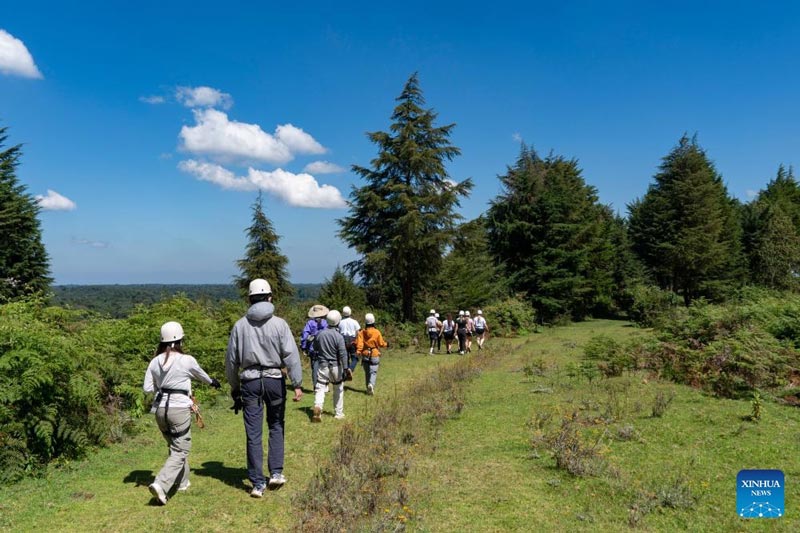
According to many international travel agencies, the demand for resorts combined with health care is increasing sharply after the pandemic. In addition to traditional spas, tourists are increasingly interested in meditation, healing retreat, macrobiotics, sleep and mental health.
Some resorts currently also offer biological age measurement programs, sleep monitoring, hormone counseling or high-tech body recovery therapies. This trend shows that tourism is no longer just for entertainment but is gradually becoming a part of modern healthy lifestyles.
Blue Zones
Blue Zones" is a term referring to areas where the rate of people living over 100 years old is higher than normal. Many studies on "Blue Zones" show that long-lived people often do not exercise too harshly or diet extremely. They exercise naturally every day by walking, gardening, cooking and maintaining strong social relationships. Some green zones also have a habit of napping, eating dinner early and living slower than modern urban rhythms.
The 5 most famous green regions in the world include Sardinia (Italy), Okinawa (Japan), Nicoya (Costa Rica), Ikaria (Greece) and Loma Linda (USA).


