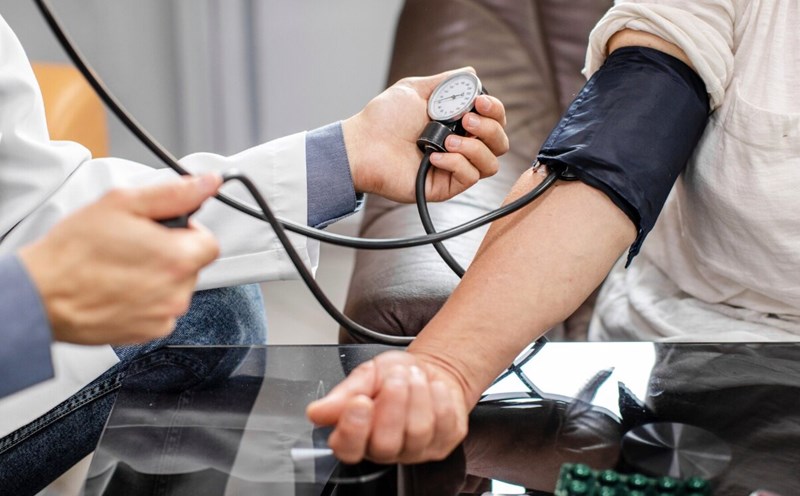
Cardiovascular disease increases
Due to poor cardiovascular health, when the weather changes, the health of Ms. Le Thi Lien (Thanh Hoa) is significantly affected. In recent days, when she felt short of breath for a long time, her family took her to Hanoi for examination. At the 108 Central Military Hospital, the doctor diagnosed Ms. Lien with a severe double leaf valve leak due to low heart rate and cold weather that made cardiovascular conditions worse.
About a few months ago, Ms. Chu Thi Nhan (Ninh Binh) also had to be hospitalized for difficulty breathing and chest tightness. Although she was prescribed cardiovascular drugs, not complying with regular medication caused the disease to recur when the weather turned cold, forcing her to be hospitalized for the second time.
"For about a week now, I have had chest tightness and difficulty breathing, so I have to be hospitalized for the second time. The cause is due to failure to maintain regular medication. After going to the hospital twice for cardiovascular disease, this time I will follow the instructions to avoid complications," said Ms. Nhan.
Not only in the case of Ms. Lien and Ms. Nhan, according to Dr. Le Dai Phong - Department of Cardiology, 108 Central Military Hospital - in the past 1-2 weeks, when the temperature has dropped sharply, the number of patients hospitalized for cardiovascular disease has increased significantly. Notably, the group of elderly people aged 70-80, especially 80-90 years old, accounts for a high proportion and many cases have serious developments.
Risk groups need special attention
At the time of changing seasons, especially when the temperature drops sharply, the number of cardiovascular patients admitted to the hospital tends to increase sharply. According to Associate Professor, Dr. Pham Truong Son - Director of the Cardiovascular Institute, Head of the Department of Cardiovascular Internal Medicine, 108 Central Military Hospital, the sudden cold caused blood vessels to constrict and cause limb anemia, so the number of patients admitted to the hospital for intervention for limb mach remittances also increased.
Cold weather also causes reduced resistance, increasing the risk of flu, especially influenza A, plague and vaccine virus. The rate of pneumonia and respiratory infections therefore increases and becomes a trigger for more severe heart failure, while increasing the risk of heart attack and arrhythmia.
Associate Professor, Dr. Pham Truong Son said that there are some groups of people who are more susceptible to reduced resistance and are more susceptible to diseases in cold weather. Cardiovascular diseases when complications appear without timely treatment can progress very severely. With cardiovascular disease, if not intervened early, the risk of necrosis is very high and in many cases can be life-threatening.
In coronary artery disease, myocardial infarction can cause death, coronary artery blockage and potentially cause heart failure. In particular, for patients with heart failure, each hospitalization significantly increases the risk of death and makes heart failure worse.
Therefore, doctors recommend that the elderly and cardiovascular patients need to be vaccinated against influenza and plaque every year, maintain exercise, eat well and take medication regularly. At the same time, you must keep your body warm, avoid sudden temperature changes, and limit going out in the early morning or late at night. When there are unusual signs, it is necessary to go to a medical facility immediately for timely examination and treatment.