
Hanoi is the hottest in the country, Central region has places above 40 degrees Celsius
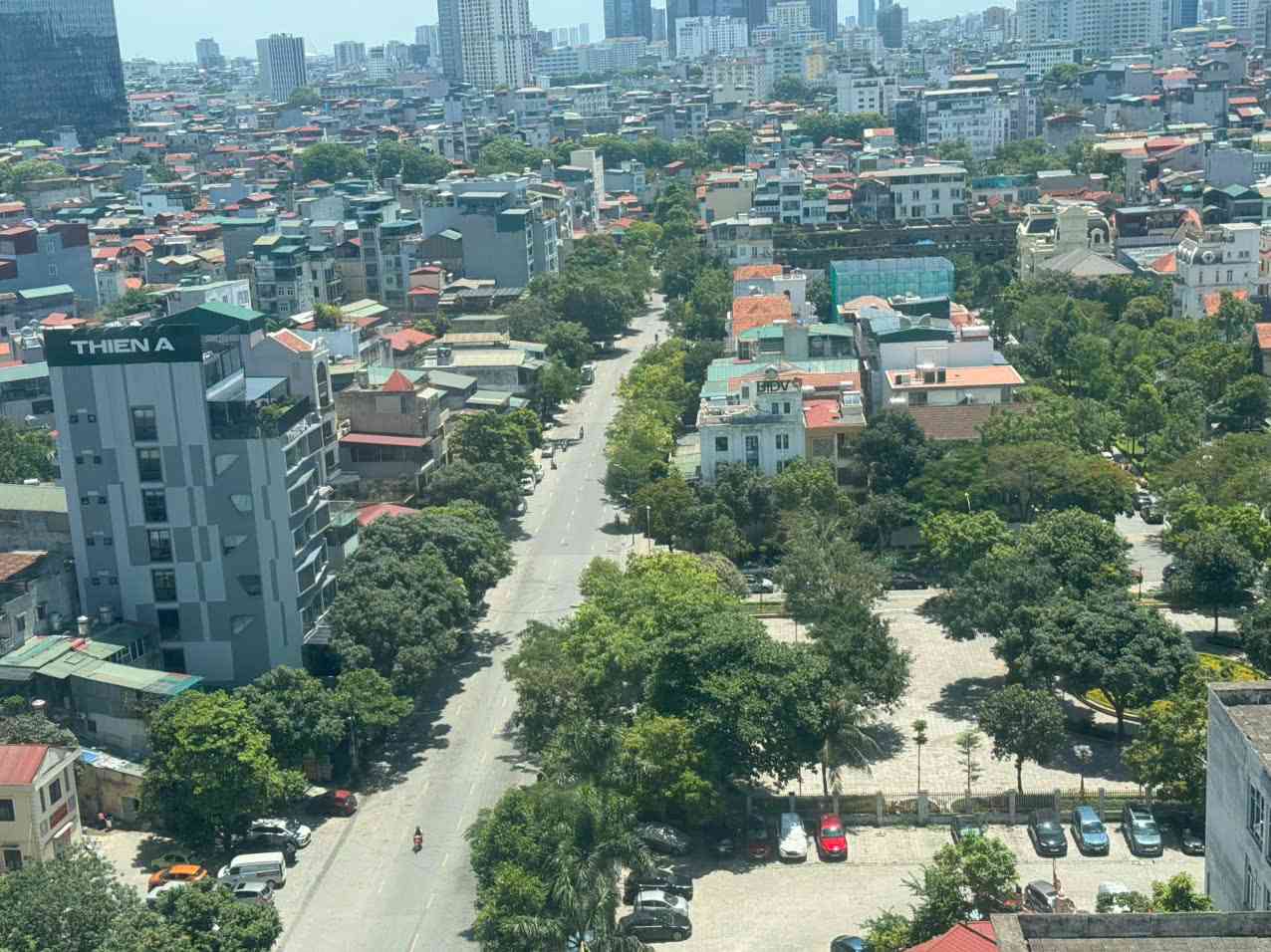
According to the National Center for Hydro-Meteorological Forecasting, on May 23, widespread heat occurred in the North, from Thanh Hoa to Hue and the South Central Coast. In which, Hanoi recorded the highest temperature in the country, many places exceeding 37 degrees Celsius such as Son Tay 37.7 degrees Celsius, Lang 37.6 degrees Celsius.
Forecast from May 24 - 25, hot weather will continue to increase. The Northern, Central and South Central Coast regions are commonly 36 - 38 degrees C, in some places above 39 degrees C, low humidity only about 40 - 45%.
Especially on May 25, the area from Thanh Hoa to Da Nang and eastern Quang Ngai may experience particularly intense heat with temperatures above 40 degrees Celsius.
The Southeast region will also maintain hot weather of 35 - 36 degrees Celsius in the next few days, Ho Chi Minh City forecasts hot weather to return and last for about 4 days.
The meteorological agency warns of increased risk of fire and explosion due to hot and dry weather and high electricity demand. The actual outdoor temperature may be 2 - 4 degrees Celsius higher than forecast, especially in concrete and asphalt road areas.
Hot weather forecast in the North is likely to last until around May 27 - 28, the Central region lasts until May 28, the Southeast region until May 27.
Doctors guide how to protect yourself from heat
During prolonged intense hot weather days, the risk of heatstroke, heatstroke and heatstroke is increasing sharply, especially in large cities and outdoor work areas.
According to MSc.BSNT Nguyen Minh Hieu, A9 Emergency Center, Bach Mai Hospital, heatstroke and sunstroke are conditions of thermoregulatory disorders when the body is exposed to a high temperature environment for too long or exercises excessively in hot, humid conditions.
Dr. Hieu said that heatstroke often occurs when the body cannot effectively release heat due to working in a hot, windproof environment, wearing stuffy clothes or not getting enough water. Outdoor workers, athletes, construction workers or people who have to exercise at high intensity are a major group of risk.
Meanwhile, heatstroke appears when sunlight shines directly on the head, neck, and nape for a long time, affecting the body temperature regulating center of the brain. This condition usually occurs faster than heatstroke, especially at noon.
In mild cases, patients may feel tired, thirst, dizziness, rapid heartbeat, cramps. When it worsens, severe headache, shortness of breath, nausea, consciousness disorders, convulsions, coma and risk of cardiovascular collapse appear.
Children, the elderly and people with underlying diseases are the most vulnerable in the extreme heat wave.
For adults, common symptoms are fever above 40 degrees Celsius, nausea, dizziness, lightheadedness, rapid breathing, dry and hot skin, and rapid heartbeat. If not treated early, patients may fall into liver failure, kidney failure, and brain damage.
As soon as you feel your body exhausted, thirsty, nauseous in a hot environment, you need to immediately stop activities, move to a cool place and replenish water early to avoid severe progression," Dr. Hieu advised.
When detecting a person with heatstroke or heatstroke, it is necessary to quickly take the victim out of the hot area, to a ventilated or air-conditioned place.
Patients should be shed some clothes, wiped with a damp cloth at locations such as neck, armpits, groin - where many large blood vessels are concentrated - combined with fans to increase heat exhalation.
If the patient is still conscious, oresol mixed according to instructions or cool water, fruit juice can be given to replenish water and electrolytes.
In case of unconsciousness, it is necessary to lie on your side safely and call emergency services immediately.
Doctors also recommend absolutely not to arbitrarily use fever-reducing medicine, do not give ice water or self-mixed concentrated salt water because it can make the condition worse.
Proactively prevent during peak sunny days
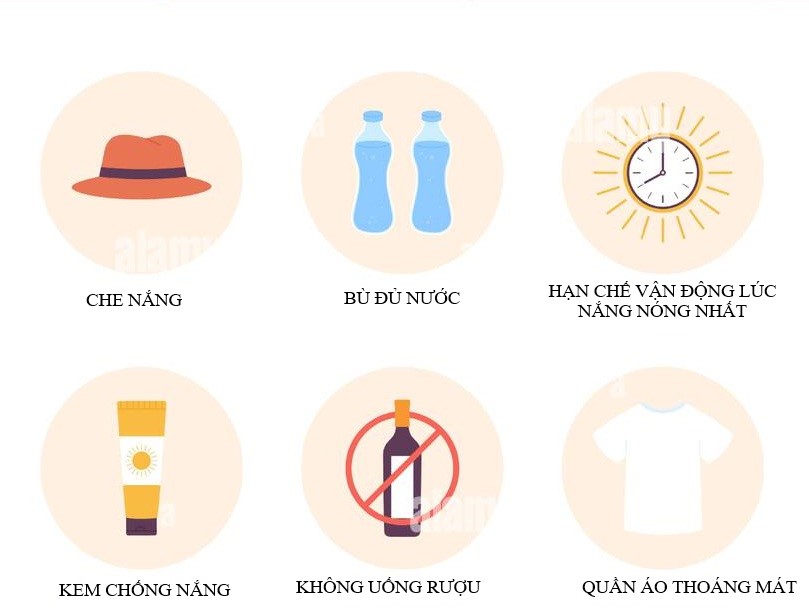
To limit the risk of heat shock, doctors recommend that people limit outdoor activities during hot sunny hours, especially from 11:00 AM to 3:00 PM.
The body needs to be replenished with enough water before, during and after exercise. Workers outdoors should drink about 600-800ml of water before working and replenish about 200ml every 20 minutes even when they do not feel thirsty.
In addition, you should wear light, loose, and sweat-absorbing clothes; wear wide-brimmed hats, and use sunscreen when going out.
The diet also needs to be adjusted reasonably, increasing energy-rich foods, and limiting alcohol to avoid dehydration.


