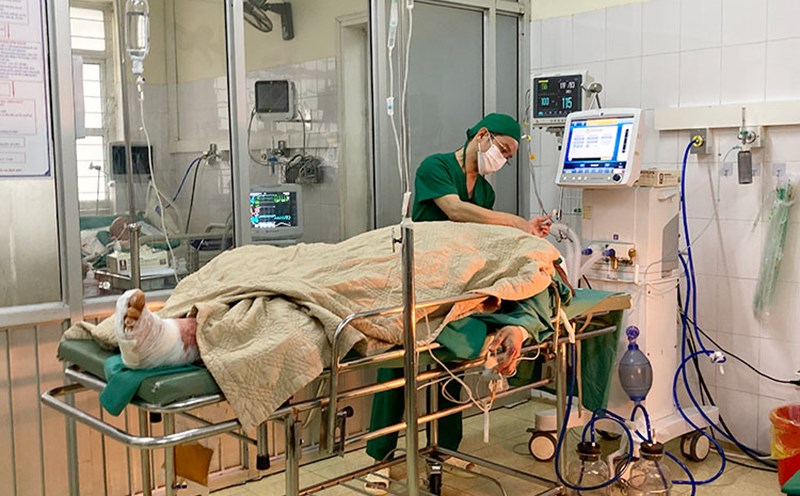
While on duty on a offshore ship moving through the central sea at the time of storm No. 12, Mr. D (a offshore ship crew member) had a serious accident while repairing equipment. The ship was hit by strong waves, a sudden hit caused his right index finger to completely lose.
Immediately after the accident, the crew members gave timely first aid and properly preserved the severed finger in the thermal bar, while coordinating with rescue forces to bring Mr. D to shore in extremely harsh weather conditions.
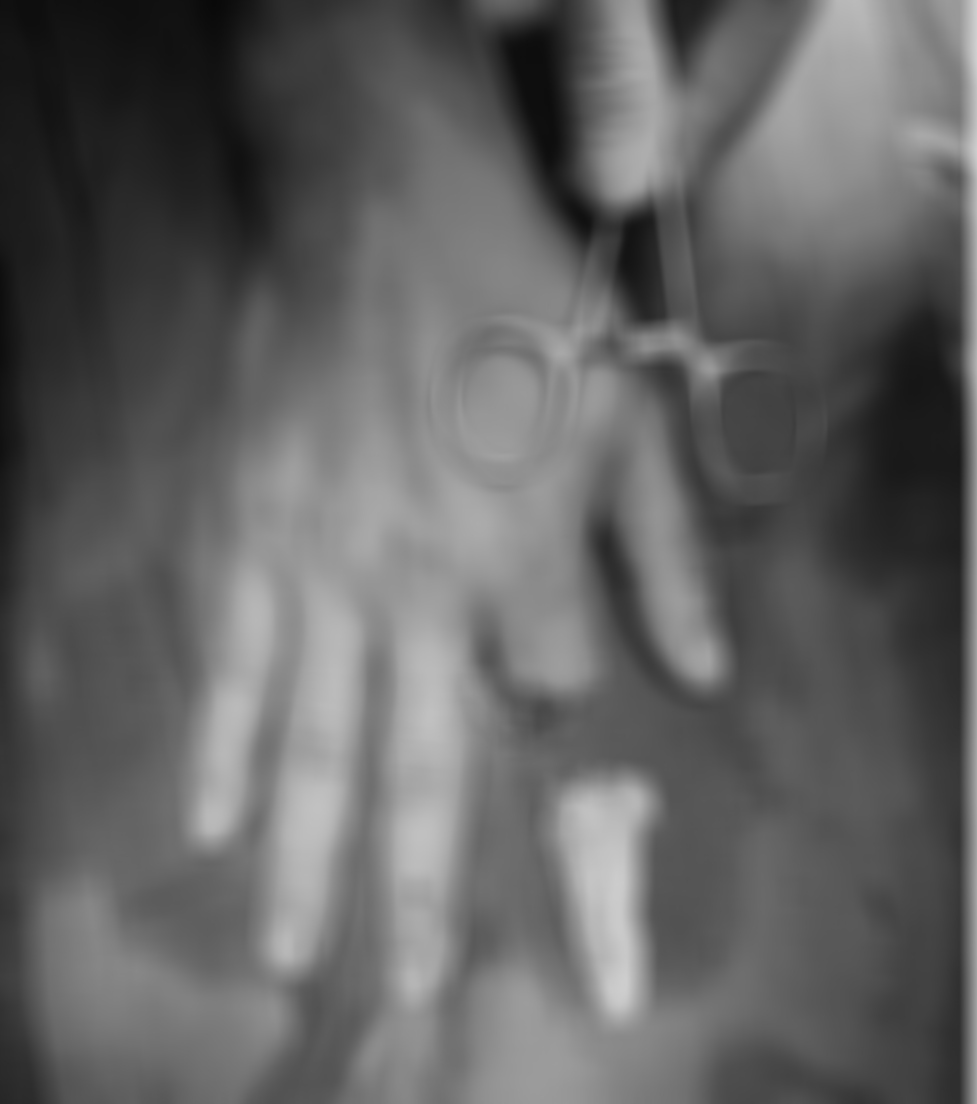
After receiving initial emergency care at a medical facility in the Central region, hoping to have his finger reconnected, Mr. D and his family decided to take the earliest flight from Da Nang to Hanoi early the next morning to go to Viet Duc Friendship Hospital. From the time of the accident to the hospital admission, the total time of anemia on the finger was up to 25 hours.
At Viet Duc Friendship Hospital, doctors assessed that the severed fingers were preserved properly, the joints were still soft, and the tissue structure was well preserved. Immediately, the hospital organized a multidisciplinary consultation including: plastic surgery - cosmetic surgery, anesthesia resuscitation, Orthopedic trauma... and agreed to perform a minor surgery to reconnect the patient's finger - a bold decision in the context of anemia that has exceeded the usual threshold.
The surgery was urgently performed with two parallel surgical teams: one team handled the severed finger, the other team prepared the thumb. The bones are positioned and fixed with specialized needles, the tendon - ligament system is restored.
In particular, doctors had to suture the neuron and micro-vehicle under the surgical microscope with absolute accuracy. Just an interrupted joint, the entire finger is at risk of complete necrosis.
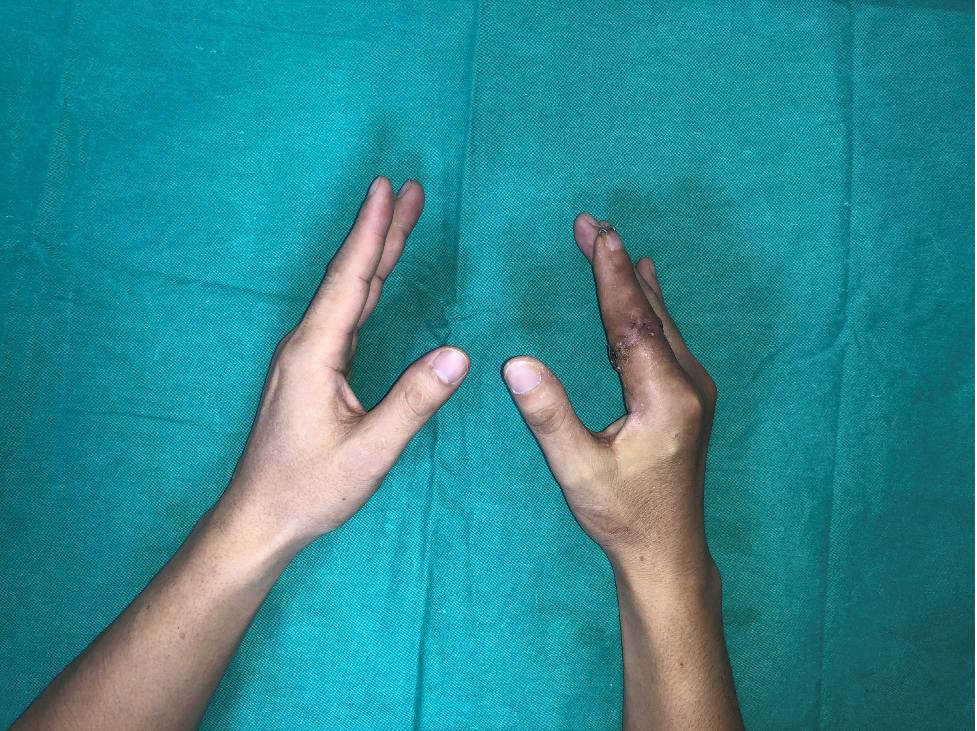
With a record anemia time of 25 hours, the team had to strictly control the temperature, vasoconstriction, as well as monitor peripheral circulation after surgery to ensure blood flow nourished the fingers.
Dr. Vu Trung Truc - Deputy Head of the Department of maxillofacial, plastic and cosmetic Surgery, Viet Duc Friendship Hospital, who directly performed the surgery, said: This is an extremely special case. Usually, prolonged anemia is a huge barrier for joint joints. However, thanks to the fingers being properly preserved right from the scene, the joints are not stiff and the tissue structure is still good. In addition, the fingers themselves with less muscle mass are more likely to withstand anemia than large limbs. The close coordination between specialties and the experience of the surgical team is also a key factor in the successful surgery.
After surgery, the ring finger was pink, completely live, and the wound was immediately healed. The patient has had his threads cut, a fixed needle removed and is currently continuing to undergo rehabilitation to regain mobility and sensation.
Doctors recommend that people need to have a good grasp of the proper first aid procedure when a dismemberment accident occurs, because this is a decisive factor in the ability to save the limb:
Do not wash or soak the dissolved remains in an antibacterial solution or chemical.
If the severed part has many foreign objects, just rinse gently with clean water, purified drinking water or boiled water to cool.
Wrap the victim with a clean cloth or towel, place it in a sealed nylon bag (not let it come into direct contact with the stone).
Place this bag in another bag containing ice for storage.
Keep the environment clean, stabilize the temperature and transport as quickly as possible.
Bring the victim to the nearest medical facility for timely handling.
Absolutely do not arbitrarily apply medicine or use disinfectants to the severed limbs.