
On May 23 (UK time), according to The Telegraph, the Royal Navy announced that Wildcat combat helicopters are ready to respond and even sink Russian warships if a threat to Britain or NATO allies appears.
The information was released before this force joined the HMS Prince of Wales aircraft carrier strike group deployed to the Arctic region this summer. This is an area that is increasingly attracting military competition as Russia increases the operation of warships and submarines in the northern waters.
According to the British Navy, Wildcat helicopters have just been equipped with Sea Venom anti-ship missiles and Martlet hypersonic missiles, significantly increasing their combat capability at sea.
Commander Andrew Henderson, who is in charge of the Wildcat force, affirmed that the pilots and crew have been trained to be ready to respond to any situation.
When necessary, we have the ability to sink Russian warships. We are always in combat readiness," Henderson told The Telegraph.
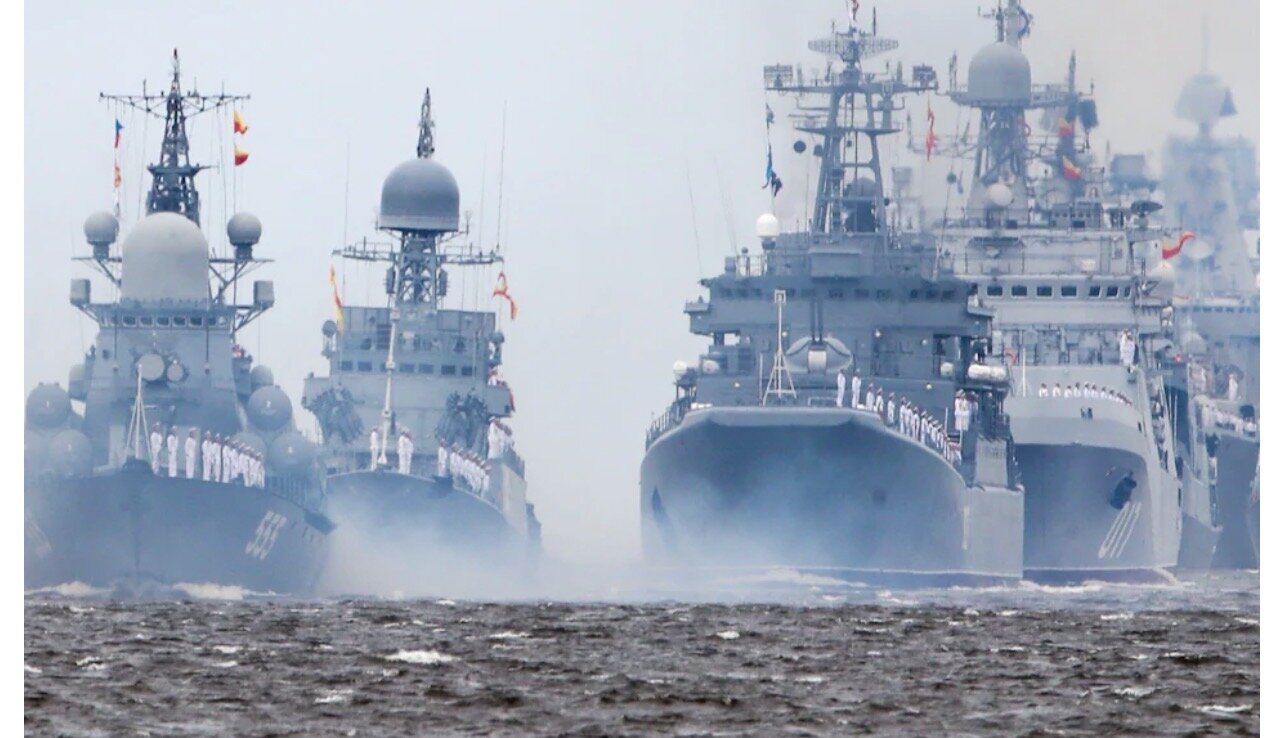
The Wildcat force currently includes about 500 soldiers and 28 helicopters, divided into two squadrons stationed at Yeovilton Naval Air Base in Somerset County.
The Sea Venom missile has a range of about 30km and is designed to attack large warships. Meanwhile, Martlet can reach speeds 1.5 times the speed of sound and is used to destroy smaller targets such as speedboats or unmanned devices at sea.
According to British Navy commanders, the noteworthy point of these missiles is their ability to accurately attack important systems on enemy ships such as radar, command centers or helicopter shelters without necessarily destroying the ship completely.
In addition to new missiles, Wildcat in the near future will also be supported by Peregrine drones. This type of UAV has the ability to remotely reconnaissance, detect and track targets at sea before transmitting data to helicopters to carry out attacks.
The British Navy said that the current strategy is gradually returning to Cold War thinking, focusing on rapid response to Russian military operations instead of long-term deployment operations.
According to British military officials, the number of Russian ships appearing near British waters has increased significantly in recent times, forcing the Royal Navy to regularly dispatch ships and aircraft for surveillance.


