
The Ministry of Home Affairs is seeking opinions on the draft Decree amending and supplementing a number of articles of Decree 179/2024 of the Government stipulating policies to attract and value talented people.
Notably, the draft decree proposes that leading experts, scientists, and people with high professional qualifications when admitted to civil servants and public employees will be entitled to additional allowances equal to 300% of the salary level according to the current salary coefficient for a period of 5 years.
Along with that, cadres, civil servants, and public employees who are recognized as talented are also proposed to enjoy additional monthly allowances equal to 300% of the salary level according to the current salary coefficient.
Talking to Lao Dong Newspaper, Dr. Dao Hung - Department of Public Management, Faculty of Business Administration, University of Economics and Law (Vietnam National University Ho Chi Minh City) - said that the policy of attracting talents and highly capable people in the public sector is not a new issue in Vietnam but has been discussed since the 2000s.
According to Mr. Hung, there are currently many concepts used in parallel such as "talented people", "high-quality human resources", "competent people", but current legal documents have not yet unified the concepts of "talented people" or "high-quality human resources".
In addition, attracting and retaining talent is only a component in the overall operation of public human resource management. Separating this issue will easily lead to narrowed perspectives and solutions lacking comprehensiveness.
Attracting and retaining talent (or high-quality human resources) is a competitive problem between the public and private sectors. The public sector not only needs to do better than it is now, but the State's policies and programs must also be designed to be more attractive than the regimes that the private sector pays to a similar individual" - Mr. Hung analyzed.
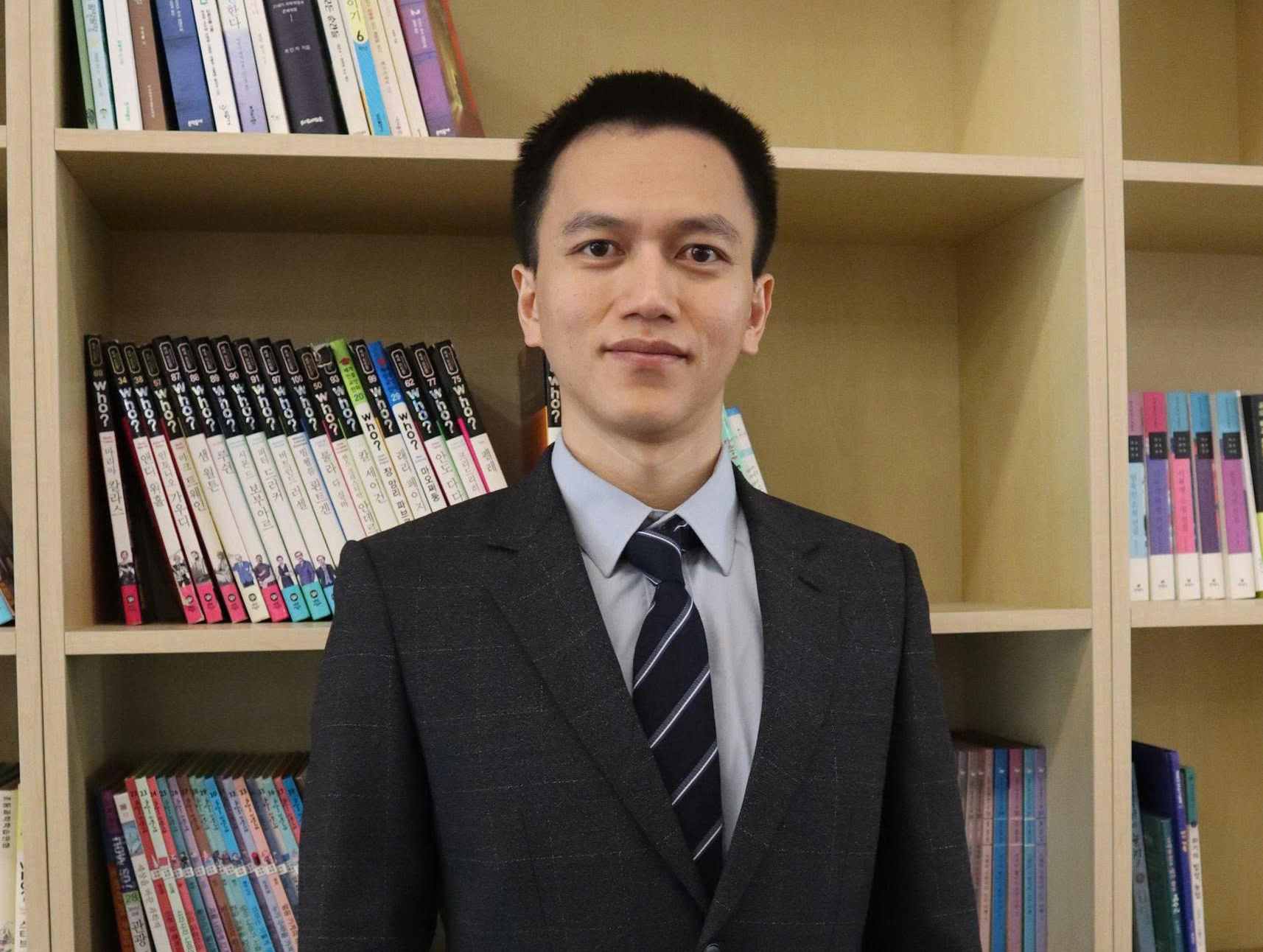
According to this expert, the 300% allowance level is "an impressive figure", showing a special regard for high-quality human resources and talents.
Placed in the context of attracting talent above, this is a specific move, solving the problem of income, which is always considered low in the public sector.
However, he believes that talent needs to be clearly defined with the content of the right person, the right job, and the right time.
A person lacking one of these three factors cannot be considered a talent. Therefore, this is a dynamic concept, changing according to social context, tasks to be solved and specific times" - Mr. Hung stated his opinion.
From the perspective of talent competition with the private sector, Dr. Dao Hung believes that the use of financial tools, specifically allowances of 300%, cannot completely fill the income gap between the two sectors.
This is a component of the strategy to attract and retain talent, but not the strongest weapon" - Mr. Hung said.
According to him, the increase in allowances should be seen as a supplementary tool for other human resource management solutions in the public sector such as building a proactive working environment, reducing the impact of rigid administrative regulations; building a suitable KPI evaluation system, focusing on output results; and ensuring clear promotion opportunities and transparent achievement recognition and reward activities.
The 300% allowance level also needs to be clearly explained by the drafting agency based on the proposal, thereby setting requirements for defining "talent" as well as measuring the performance (KPI) of this group of subjects.


