
Technical turning point
After more than 16 years of commercial operation, BSR's team of engineers has completely mastered modern refining and petrochemical technology, from operation, maintenance to process optimization. In particular, Master Le Quoc Viet is one of the typical faces, the one who proposed the solution "Change the operating mode of LCO-HDT workshop and combine diesel products to save energy", bringing billions of dong in economic efficiency to the factory, contributing to affirming the bravery and intelligence of BSR.
Joining BSR from the factory testing phase, MSc. Viet has experience in many positions from operation to research and development, thereby mastering the technological characteristics of each workshop. Currently, in the role of Deputy Head of the Processing Technology Department, he is in charge of evaluating and proposing technical optimal solutions to ensure stable, efficient and safe operation.
In the technology line, LCO-HDT workshops are likened to "cleaning plants", playing a key role in eliminating unsaturated sulfur, oxygen and hydrocarbons, ensuring diesel blending standards. This is also a workshop that consumes a lot of energy, hydrogen, steam and fuel gas - factors that account for most of the production cost.
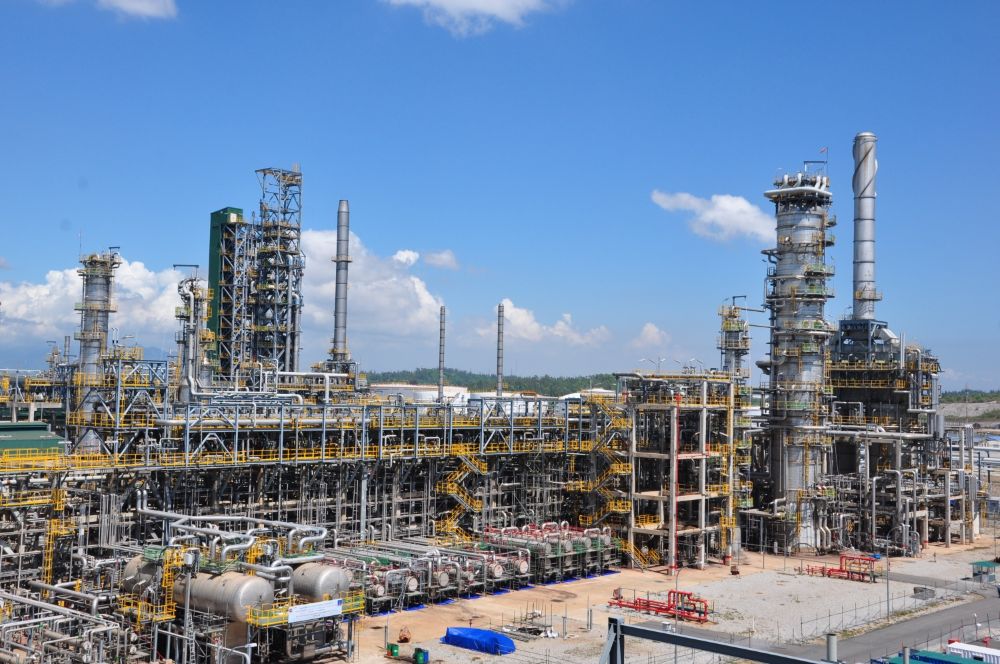
From experience in operation, MSc. Viet has found that there are periods when crude oil has low sulfur content, causing diesel products to still meet standards without having to be processed through LCO-HDT. From there, he asked: "Under the operating conditions and characteristics of crude oil, can the LCO line be directly combined to produce standard diesel without having to be processed through the LCO-HDT reaction?".
The research team analyzed data for many years, building a correlational model between sulfur in crude oil, LCO segment, diesel products and sulfur recovery workspace (SRU2). From there, the group determined the optimal operating range, where it was possible to bypass the LCO-HDT reaction cluster and directly mix LCO while still ensuring product quality. It is the sensitivity to data and innovative thinking that has helped MSc. Viet turn a small discovery into an initiative that brings great efficiency to BSR.
Saving energy, protecting the environment
Although the possibility of removing treatment while still ensuring diesel quality has been identified, the research team continues to face the problem of determining the optimal sulfur limit in crude oil, while assessing the impact on parameters such as Cetan index, viscosity, water content, etc.
To solve this problem, MSc. Viet and her colleagues analyzed in depth the operating data, building a balance of sulfur distribution from crude oil to each technology line, to determine the relationship between sulfur in crude oil, diesel and SRU2 capacity. In addition, the team conducted many mixing and analysis tests in the laboratory, and organized technical seminars to assess risks before implementing them in practice.
Master Le Quoc Viet's solution must go through a long process of research, in which finding an "optimal operating environment" is one of the difficult problems for the author.
Through practical testing and daily diesel quality monitoring, the team confirmed that the product still meets the standards when crude oil has a sulfur content of 500700 ppm. This is an optimal operating environment that helps the factory flexibly adjust operating mode, saving energy while still ensuring quality and safety.
The initiative to change the LCO-HDT operating regime and directly mix LCO/HVN has brought clear economic - energy efficiency. After only two short application periods (11'25.2021 and 03'19.2022), the plant saved nearly 7 billion VND in operating costs. The temporary suspension of the reaction cluster helps to significantly reduce the consumption of hydrogen, steam, electricity, fuel gas and de mineral water - factors that account for 6070% of the cost. Each hour of stopping at the workshop also helps reduce nearly 90% of auxiliary energy, contributing to reducing CO2 and greenhouse gas emissions.
I feel very happy because this solution not only helps save costs and energy, but also opens the premise for deeper operational optimization research, towards the goal of BSRs green development safe efficiency, MSc. Viet confided.
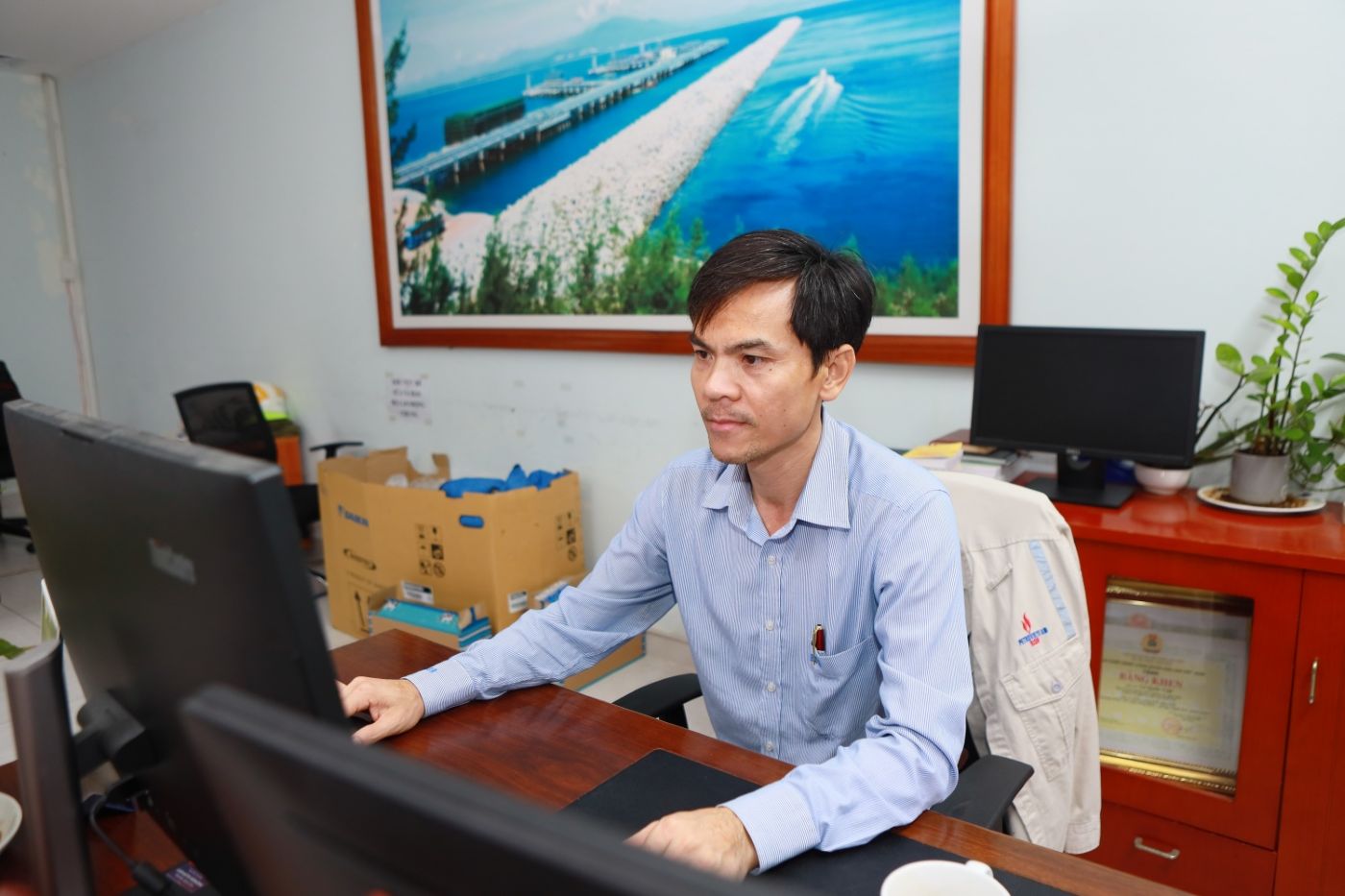
From a small adjustment in LCO-HDT operation, the initiative of MSc. Le Quoc Viet proves the innovative thinking, the ability to master technology and the sense of responsibility for the sustainable development of the BSR engineering team. The solution "Change the operating mode of LCO-HDT workshop and combine diesel products to save energy" won the Third Prize at the 14th Quang Ngai Provincial Technical Innovation Competition and was proposed to participate in the 18th National Technical Innovation Competition.
The solution not only brings economic efficiency but also contributes to the goal of reducing emissions, saving energy and sustainable development of Dung Quat Refinery, affirming the technological mastery of the Vietnamese team of engineers in the field of modern petrochemical and refining.


