
A video recording living in the living room suddenly appeared on social networks. Another clip was filmed from the camera of a store being advertised for sale in closed groups. Further, a series of images inside hospitals, factories, and schools were once spread after attacks on surveillance camera systems.
Such incidents show a worrying reality that has occurred quite a lot in Vietnam: cameras are installed to protect security, but if not managed properly, they can become a weakness in security.
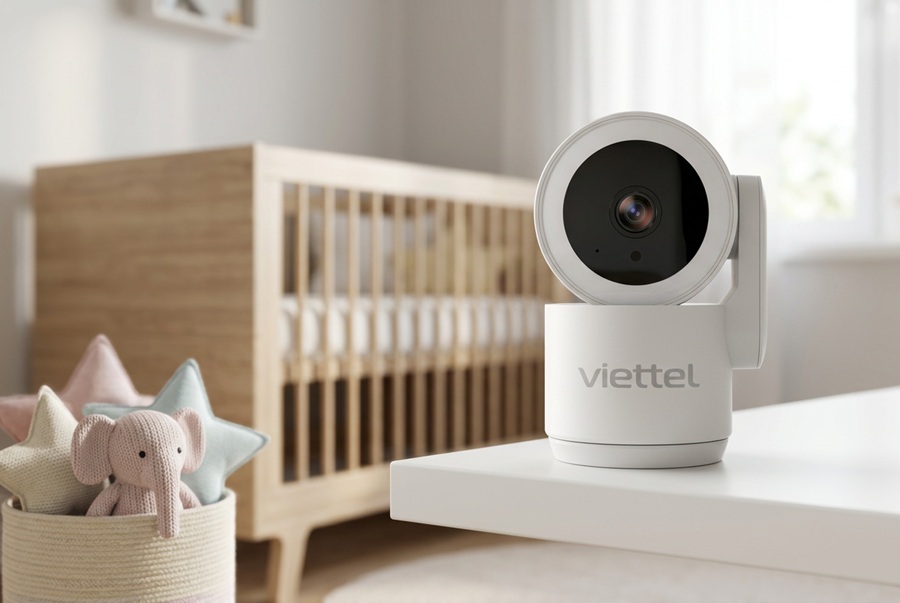
Cybersecurity experts warn that the biggest risk today does not lie in the image quality or resolution of the camera, but in the data behind the device.
When the "divine eye" needs to be put into a safe frame
Technically, IP Cameras are IoT (Internet of Things) devices that continuously collect and transmit images and sounds through the network environment. In the current market, a large proportion of floating camera devices are storing user data at servers located abroad, without end-to-end encryption mechanisms, or using weak default passwords.
This turns the camera from a protective tool into a "backdoor" for cybercrime organizations to exploit and steal private or confidential business images.
From July 1, 2026, the new regulations of the Ministry of Public Security for IP Camera devices will officially take effect, focusing on requirements for information security, data protection and management of Internet-connected devices. The new regulations are expected to create a "screening" in the camera market, where factors related to data infrastructure, encryption and security management will become mandatory standards instead of just competitive advantages.
Establishing new standards for IP Cameras is an inevitable technical requirement to protect data sovereignty in the digital space. And this change requires both individual and business users to re-evaluate the current monitoring system, prioritizing suppliers with infrastructure capacity and compliance with the law.
In that wave of standardization, many camera solution providers have begun to restructure their systems to meet new requirements. Viettel Camera is one of the units that chose to develop a model based on domestic storage infrastructure, data protection mechanisms and synchronous operation services to minimize information security risks for users.
What makes Viettel Camera safe?
To meet new requirements for security and data management, Viettel said it has built a camera system based on three main groups of solutions.
The first factor is the storage infrastructure located in Vietnam. All data from Viettel Cameras is stored and operated on Viettel's data center system in the country. Domestic storage not only helps optimize access speed but also creates more favorable conditions for compliance with legal regulations related to data and network security.
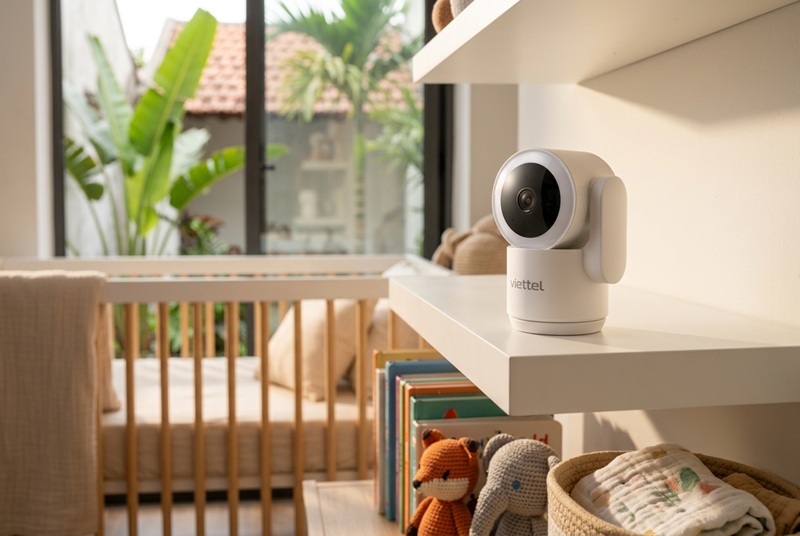
The second factor is the mechanism to protect accounts and user privacy. According to Viettel, the system is designed with account management and data processing processes to limit the risk of unauthorized access, while strengthening personal information protection throughout the usage process.
The third factor is the synchronous operating model. Instead of letting users self-search for devices, installation units and storage services from many different providers, the solution is implemented in a package form from consulting, equipment supply to maintenance and technical support. This helps reduce risks arising from scattered operation, while creating a clear focal point for responsibility when incidents occur.
Viettel's early preparation to meet the regulations of the Management Agency shows the network operator's companionship with national information security enhancement policies as well as the responsibility to protect customers throughout the service provision process.
Promotion program: Buy FTTH get Camera
Application time: 3. 6. 2026 - 30. 6. 2026.
Customers who newly register for Viettel's FTTH Internet service.
Equip Wifi and Camera devices in the house.
Get a Cloud storage package.
Fare from 195,000 VND/month.


