
Results from vocational training classes
From the resources of the National Target Program for the period 2021-2025, Dak Lak province has implemented many synchronous solutions to improve the quality of vocational training, develop skills and expand job opportunities for the poor, near-poor and low-income workers.
It is estimated that in the past 5 years, the locality has created jobs for more than 100,000 workers.
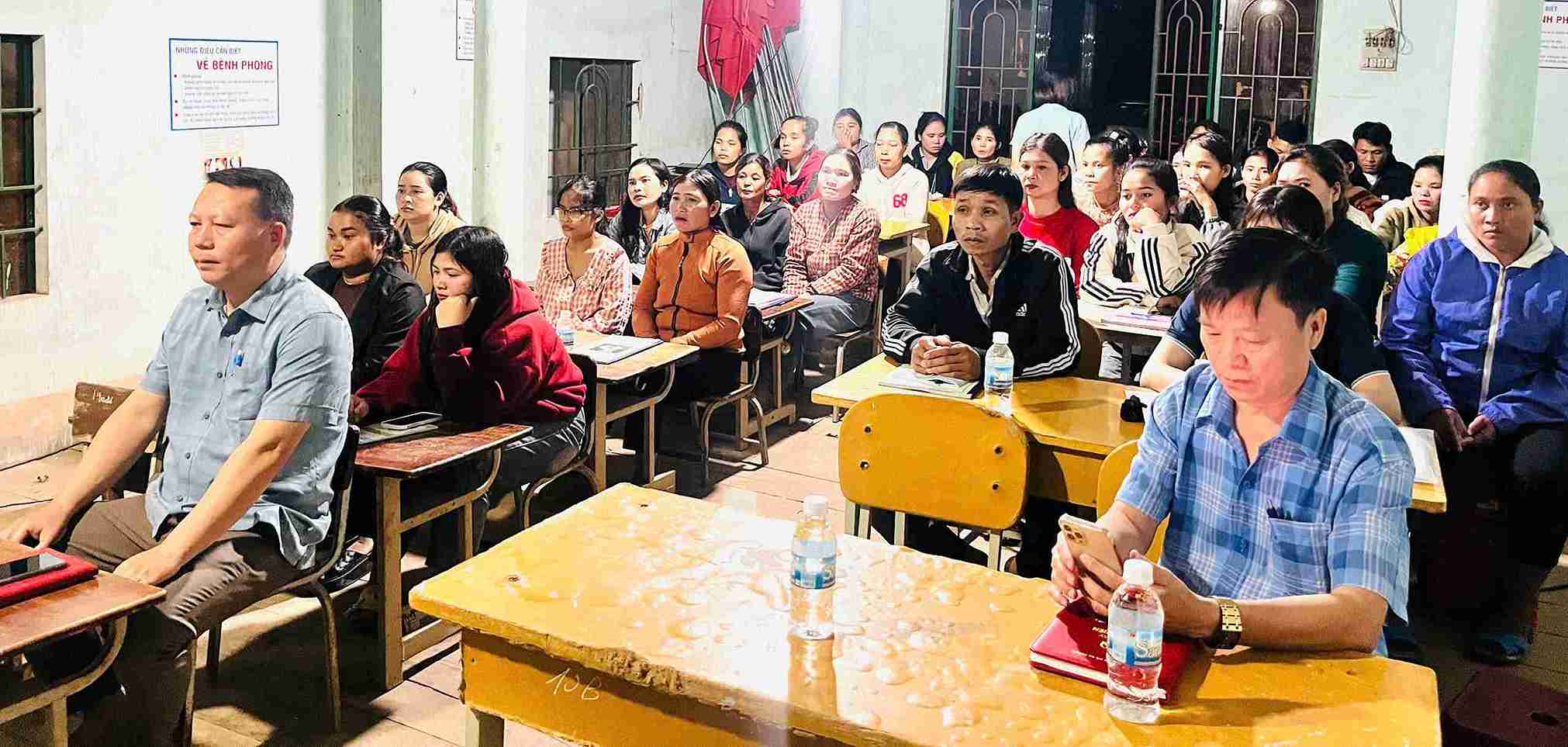
Ms. H' Mer Nie, Mr. Y Puinh Nie (residing in Dak Lak) and some other students after attending a rural vocational training class boldly expanded the scale of pig farming. Previously, the free-range livestock model was ineffective. After learning new methods, students have applied them in practice and achieved higher productivity.
Ms. H' Mer Nie shared: "After the pig farming class, I found it very useful and applied it immediately in practice. Other professions such as textiles and construction are also studied by the people. After graduating, they can find a job on their own and have a stable income.
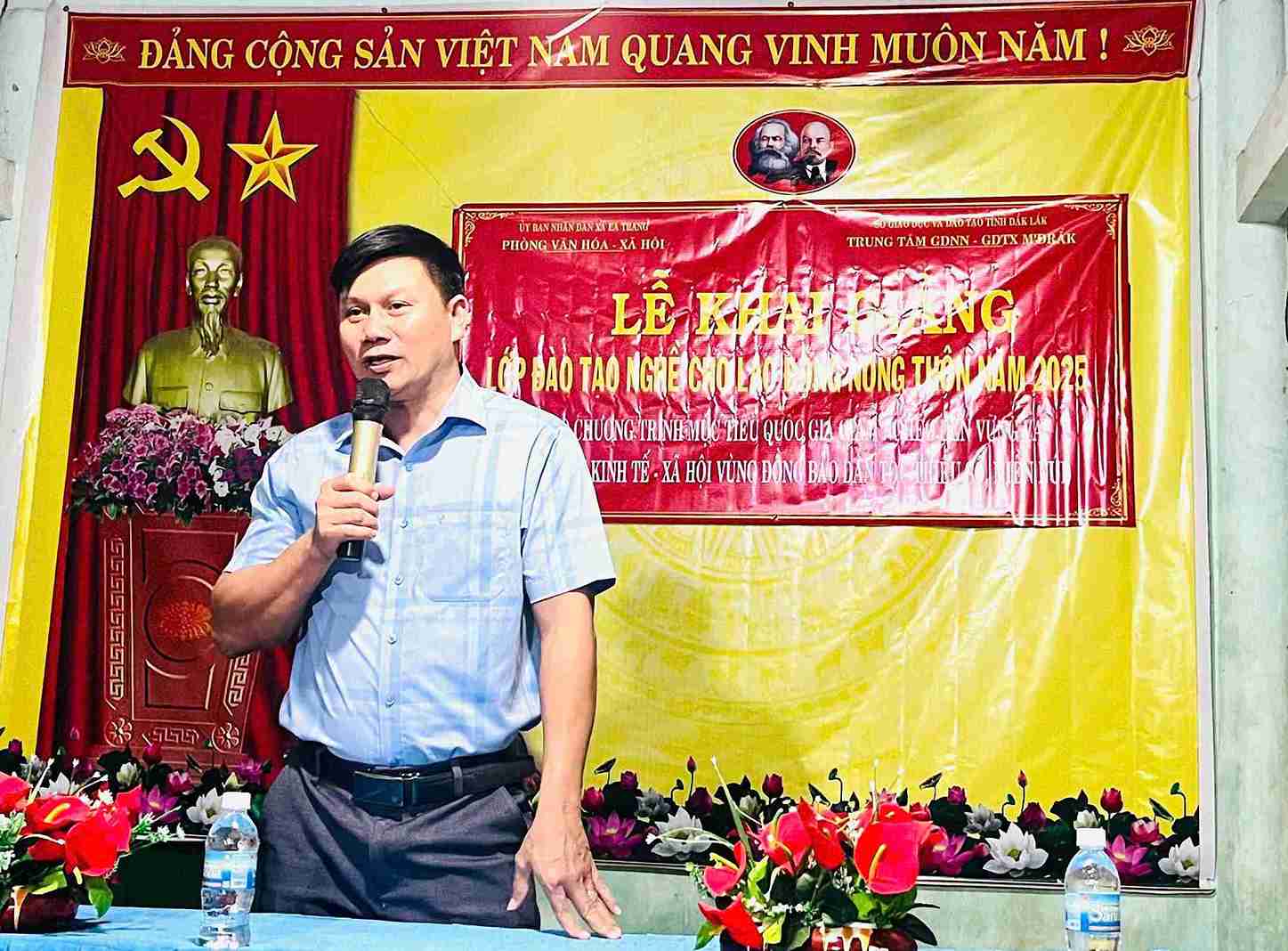
Realizing positive results, the local government and the provincial education sector have developed a plan and organized vocational training classes for rural workers.
Vocational Education - Continuing Education Centers in Krong Ana, Cu Kuin, Buon Ma Thuot, Ea Kar, Krong Buk... have opened many vocational training classes associated with local practices.
An exciting thing is that sewing, animal husbandry, veterinary classes... have attracted a large number of people to participate. Among them, many students are ethnic minorities in remote areas.
Forming "learning goes hand in hand" groups
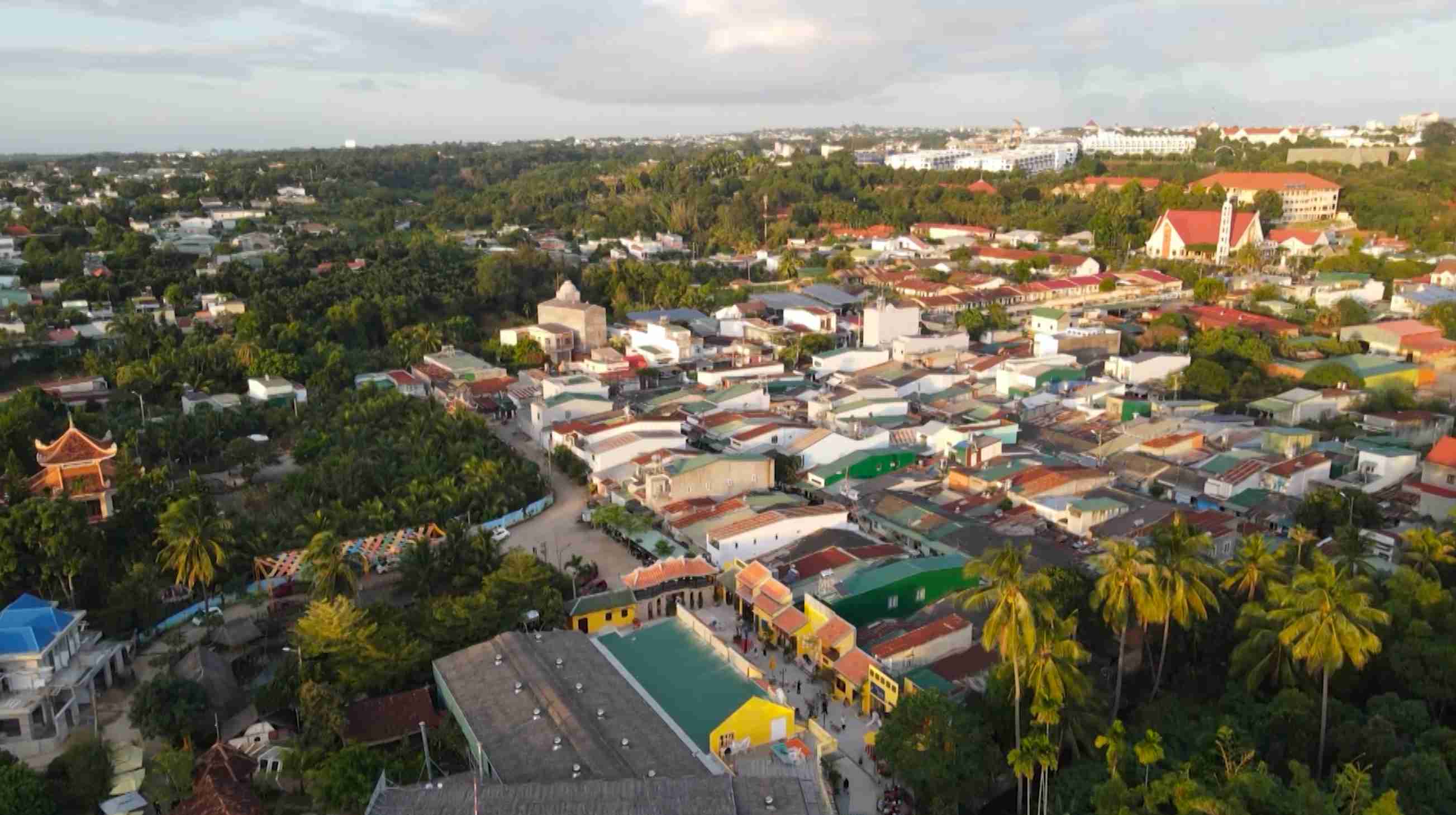
Dak Lak province - a place of unique culture of 49 ethnic groups - is not only rich in potential for resources and land but also has a large, young workforce. However, many ethnic minorities in remote areas still have difficulty accessing vocational education.
In order to sustainably reduce poverty and promote socio-economic development, in recent years, Dak Lak province has implemented systematic vocational training programs, focusing on equipping learners with practical skills and arousing the spirit of overcoming difficulties.
The goal is to help people have stable jobs, contributing to the socio-economic development of ethnic minority and mountainous areas in the period of 2021-2025, and at the same time orienting to the period of 2026-2030.
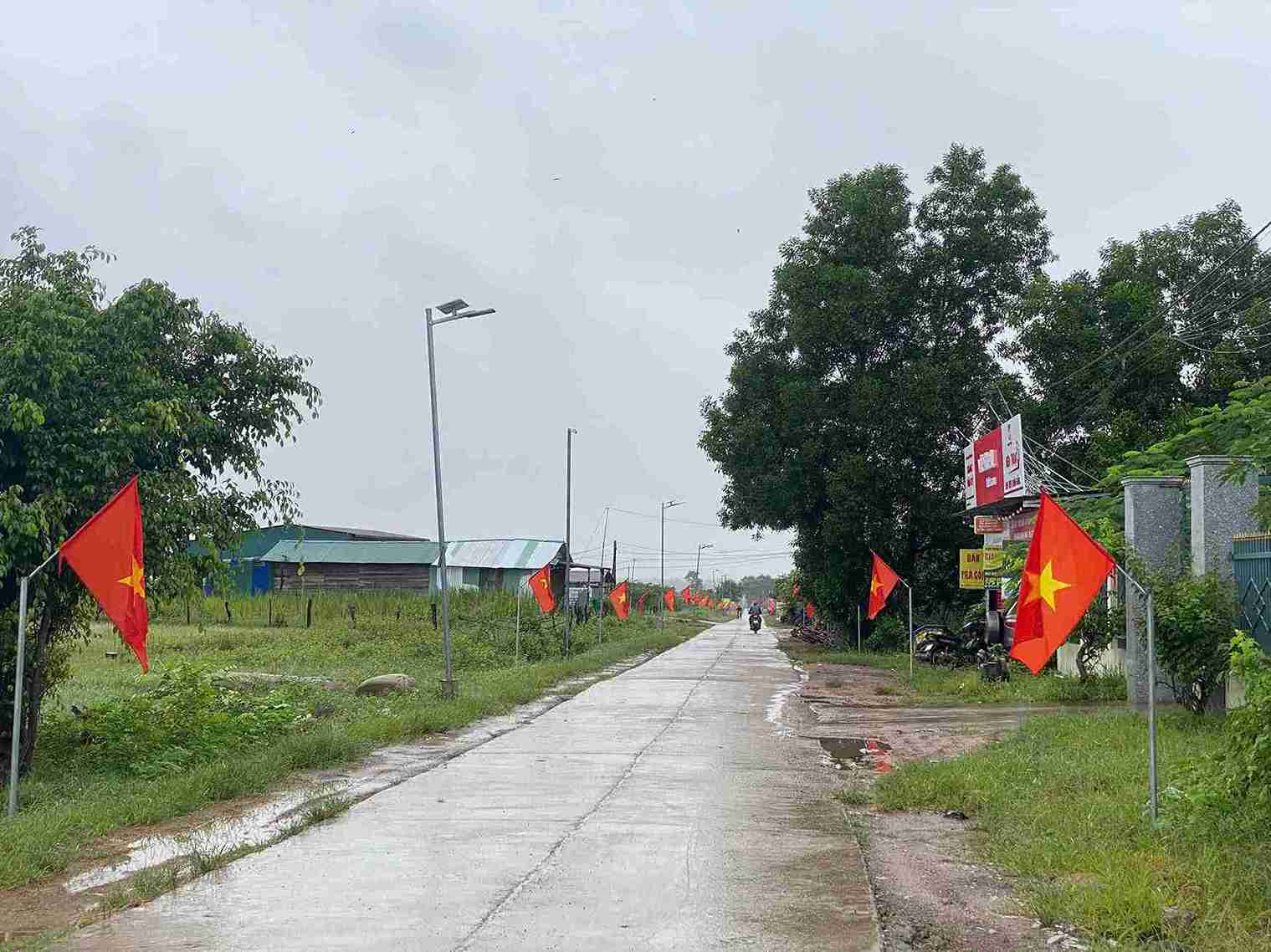
Mr. Le Duy Nhat - Head of the Department of Vocational Education - Continuing Education (Department of Education and Training of Dak Lak province) commented that the highlight in vocational training in Dak Lak is building a spirit of solidarity and sharing experiences among students.
Many villages and hamlets have formed "learning and working" groups, supporting each other in production and finding outlets for products. The community spirit - which is a characteristic of the people - is further promoted, creating a boost to help people confidently develop the economy.
Thanks to these efforts, vocational training not only contributes to sustainable poverty reduction but also gives people the belief in the ability to change their lives - something that all support programs aim for.


