
On June 9, Lao Cai Provincial People's Committee announced that it had issued a plan to strengthen the training of commune and ward officials and civil servants in the 2026-2031 period to improve the capacity to perform official duties and meet the requirements of operating local governments at 2 levels.
According to the plan, in the period 2026-2028, the province strives for 100% of commune-level cadres and civil servants who do not meet professional requirements according to their job positions to participate in specialized knowledge training courses.
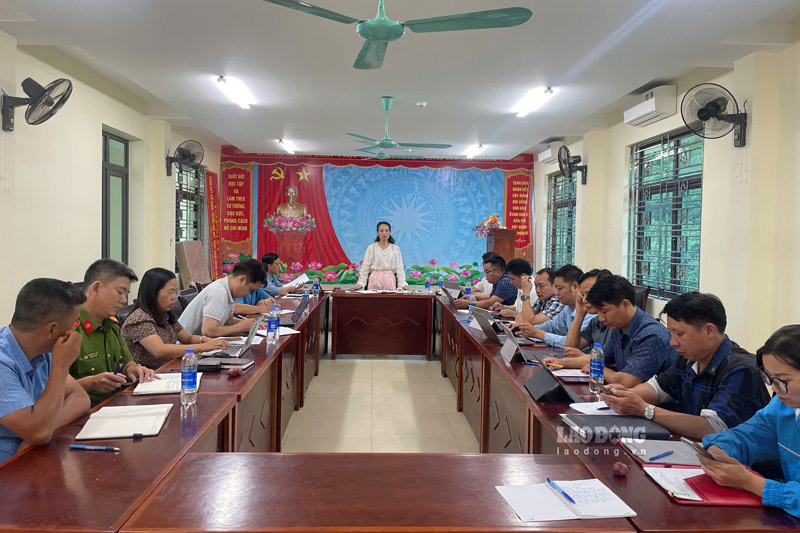
Along with that, 50% of commune-level professional civil servants are trained in state management knowledge; 100% of commune-level cadres and civil servants are trained and updated in expertise, nghiệp vụ and necessary skills to serve their work.
In the 2029-2031 period, Lao Cai continues to provide in-depth training for leaders, managers and commune-level civil servants, focusing on modern public administration, digital government, digital skills and the application of information technology in management and administration.
The province sets a goal that by the end of 2031, all commune-level cadres and civil servants will be supplemented with new knowledge, improve professionalism and quality of task performance.
According to the Lao Cai Provincial People's Committee, the training will focus on equipping and updating professional knowledge, skills, management and administration skills, along with necessary supporting skills; and at the same time improve public service ethics, spirit of responsibility and quality of service to the people.
Training programs are built in association with job positions, practical requirements at the grassroots level and the operation of the 2-level local government model.
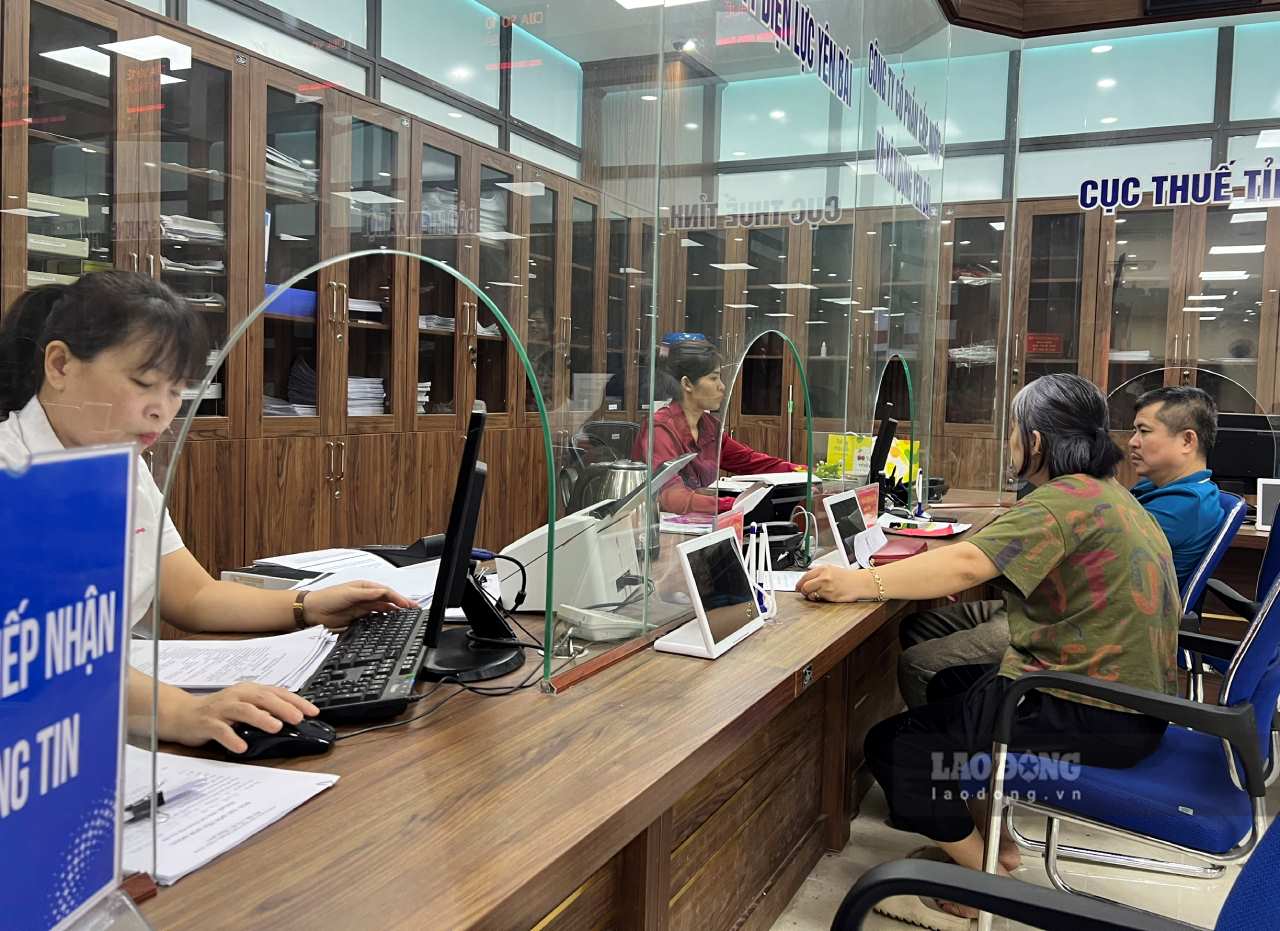
Notably, in the initial implementation phase, nearly 2,500 commune-level professional civil servants will be trained in state management knowledge. More than 2,400 officials and civil servants participate in professional and nghiệp vụ training classes and skills for performing official duties.
The training content focuses on many practical fields such as public investment management, finance, land, construction order, social security, community tourism, rural digital economy, complaint and denunciation resolution, administrative reform and digital transformation.
The results of training will be monitored and evaluated regularly and associated with the work of evaluating, ranking, planning, appointing, rotating or streamlining staff for cadres and civil servants.
Post-training effectiveness is considered based on task performance results, satisfaction level of people and businesses, work coordination capacity as well as the application of knowledge into practice.


