
Many potential advantages
From July 1, 2025, Ea Rieng commune will be established on the basis of merging 3 communes of Ea Rieng, Ea M'Doal and Ea H'Mlay. The new Ea Rieng commune is more than 100km from the center of Dak Lak province, with a natural area of 167.56 km2.
The commune has a large population, many of whom are of working age, and can promote their will and determination to develop the economy. According to research, with a large natural area, by September 2025, the whole commune had planted 5,571 hectares out of a total of 6,045 planned hectares.
The total herd of buffalo and cow reached 5,084, showing that there is still a lot of room for agricultural and livestock development. In addition, the industrial sector in the area maintains stable operations. Production and business establishments continue to create jobs for workers, contributing to promoting economic growth of the commune.
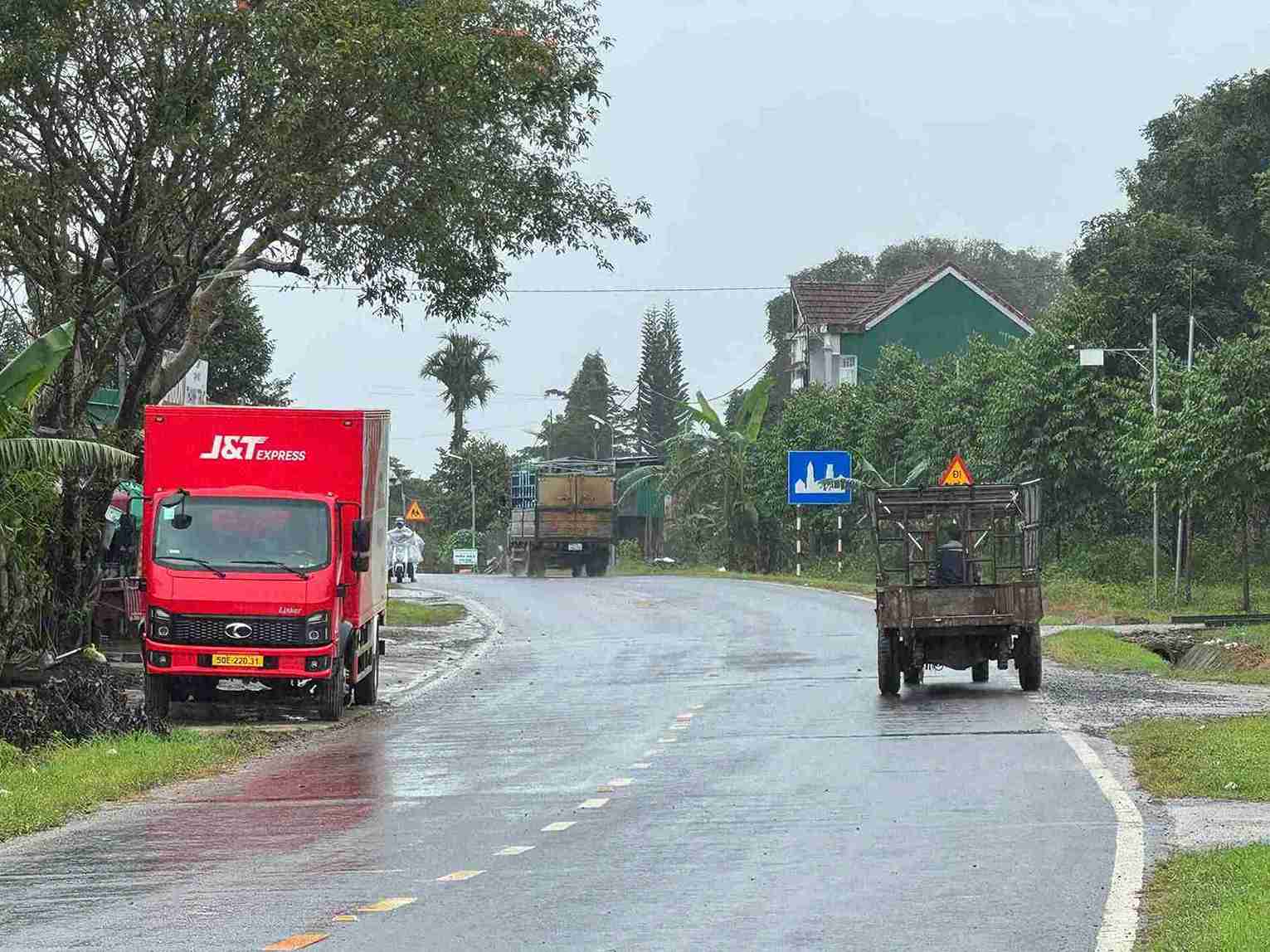
Another advantage is that local authorities are conducting inspections and reviews of traffic routes and proposing investment in construction and repair through national target programs. This helps improve transport infrastructure, effectively serving production and the circulation of goods.
For example, in village 20, Ea Rieng commune - an area in a particularly difficult area and 100% are ethnic minorities. The whole village has 194 households with 1,058 people, including 46 poor households and 15 near-poor households. Compared to 2024, the village has reduced 20 poor households and 9 near-poor households.
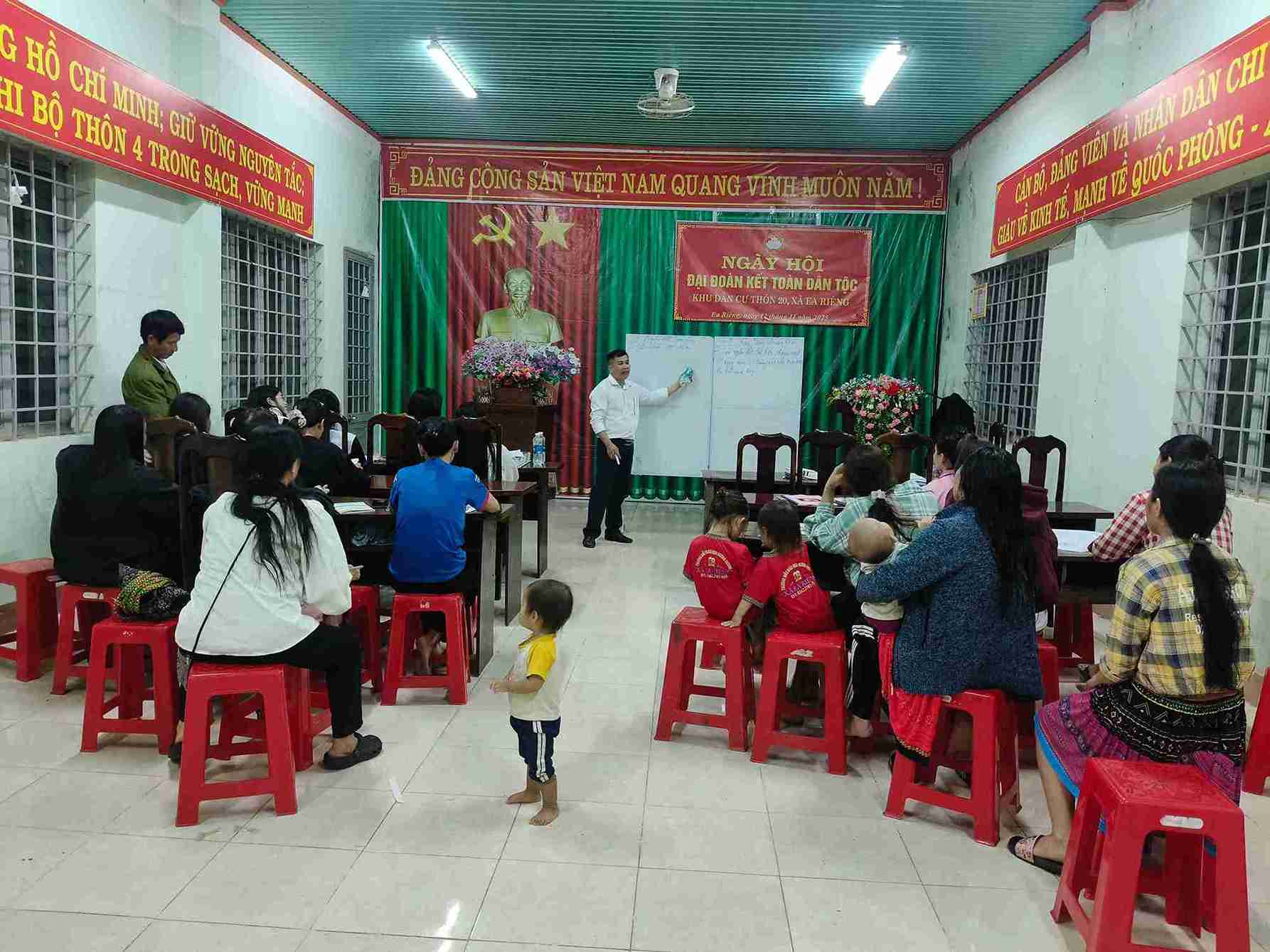
Assessing the potential of the locality, Mr. Giang Seo Chu - Head of Village 20 - said that in recent years, the infrastructure and roads in the commune have been renovated and are increasingly stable. In addition, the young workforce is quite large, and needs to be well-trained. In addition to traditional industries such as agriculture and livestock, the government should pay attention to expanding new areas.
A large number of people want to learn sewing, construction, mechanical repair... These are all occupations that suit people's needs and market development, bringing stable income. It is worth mentioning that the training time is not too long and people can proactively apply for jobs or create jobs themselves. Thereby, contributing to the socio-economic development of the locality", Mr. Chu shared.
Determination to teach vocational skills
After implementing the two-level local government model, Ea Rieng commune has stepped up coordination with village chiefs to propagate and mobilize people to participate in vocational training classes.
The government has determined that only when "proclaiming to the place - mobilizing to the people" can awareness be changed and vocational classes can be put into practice.

Realizing that the mentality of being afraid of vocational training is still popular, the commune has implemented many diverse forms of propaganda such as: Village meetings, broadcasting via loudspeakers, to each household to mobilize or invite people who have participated in vocational training to share practical experiences.
In addition, the commune also prepared a plan to link vocational training with job creation through linking enterprises and cooperatives. When people clearly see that after finishing their studies, they can have a job or create their own job, they will be more proactive in approaching it.

Mr. Hoa Quang Binh - Head of the Department of Culture - Social Affairs of Ea Rieng commune - said that the commune is proposing to implement a "flexible vocational class" model. This model allows learners to divide their study time, study by cluster or take intensive classes on weekends.
According to him, only when the organization is flexible and close to practical needs, can the locality open more classes, while reducing the burden on training institutions and vocational education centers.


