
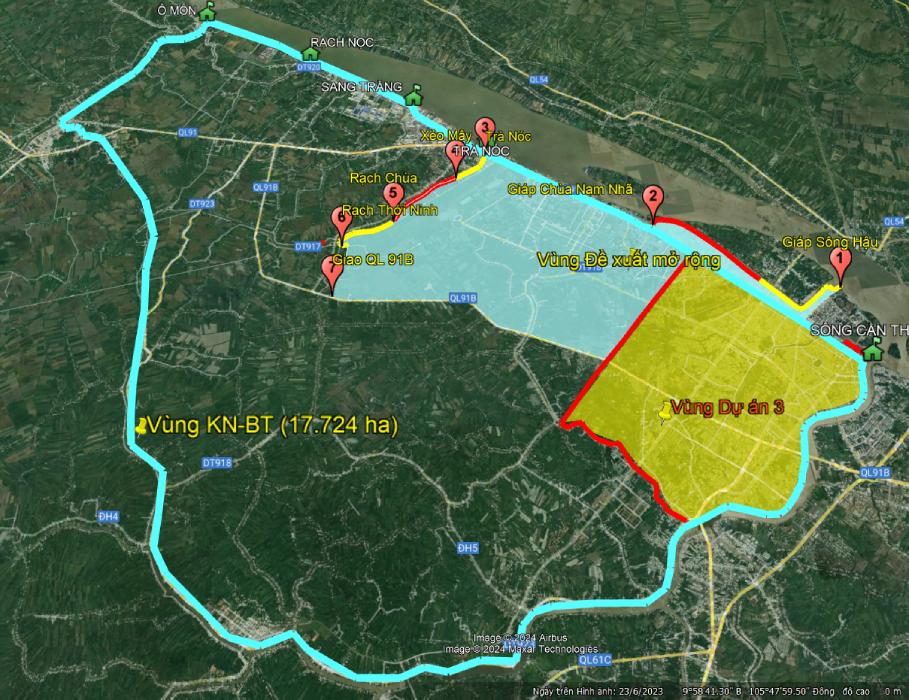
Recently, the ODA Project Management Board of Can Tho City proposed Project 4 - expanding the Can Tho City Development Project and enhancing urban adaptability, with a total investment of more than VND 9,144 billion. The project aims to enhance flood prevention capacity, complete traffic infrastructure and build resettlement areas for affected households in the implementation area.
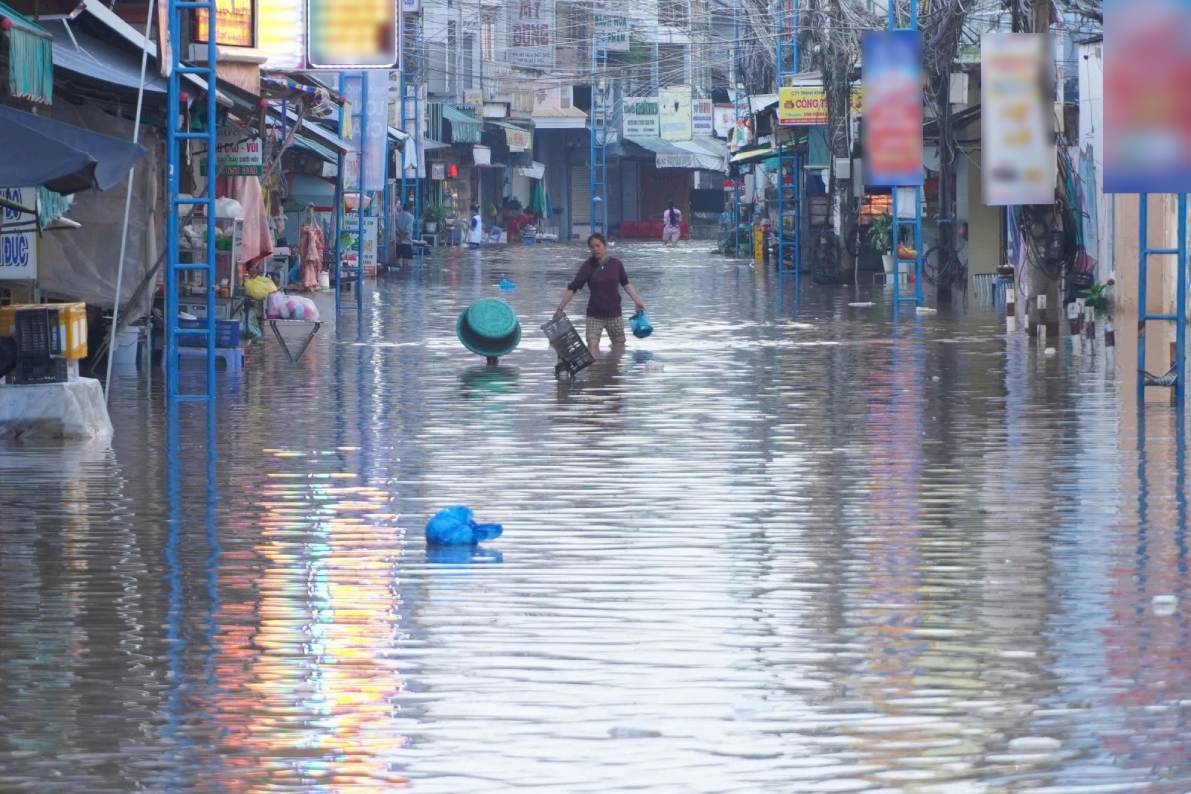
This proposal has received much attention from local people, because for many years, people living around Binh Thuy market (Binh Thuy ward, Can Tho city), especially households along the river, have had to regularly " live together" with high tides. Every time the water rises, people are worried because their houses are deeply flooded, their business is stagnant and their daily activities are disrupted.
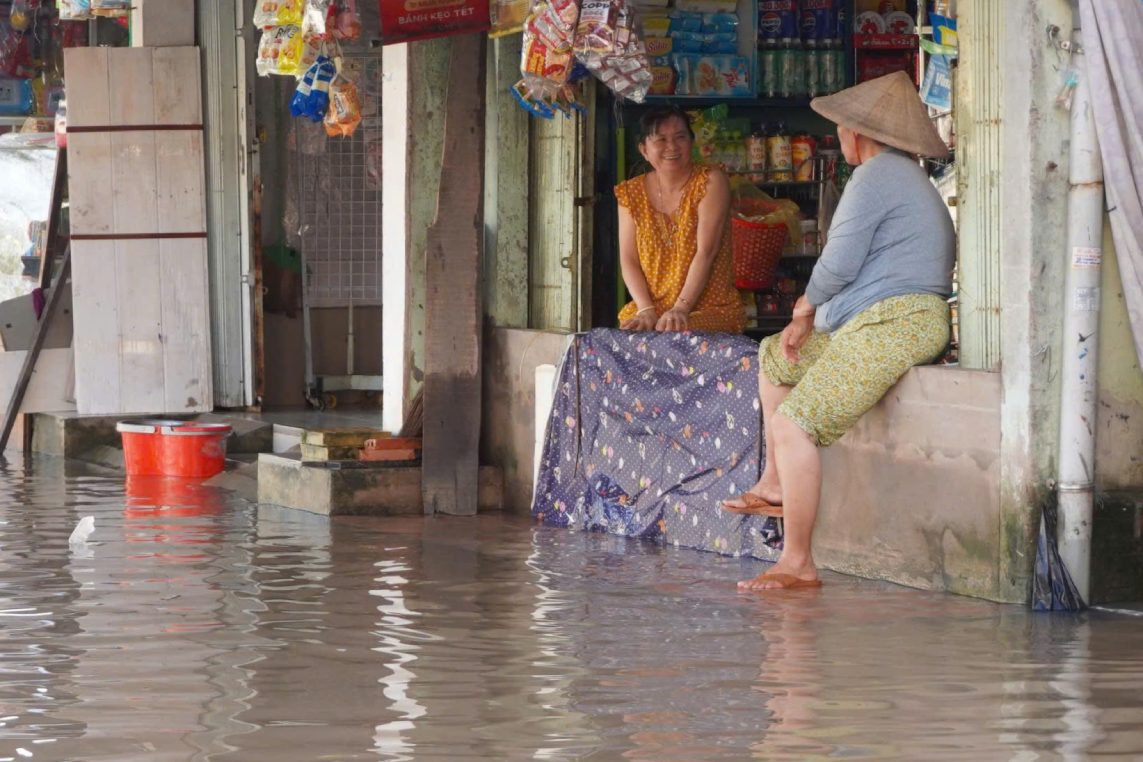
Running a grocery store next to Bui Huu Nghia Street, Ms. Nguyen Thi Kieu Oanh said that the flooding in recent years and the peak of the 15th day of the 9th lunar month have completely disrupted her family's daily life. During high tides, she had to temporarily stop trading and spend a lot of time pumping water out.
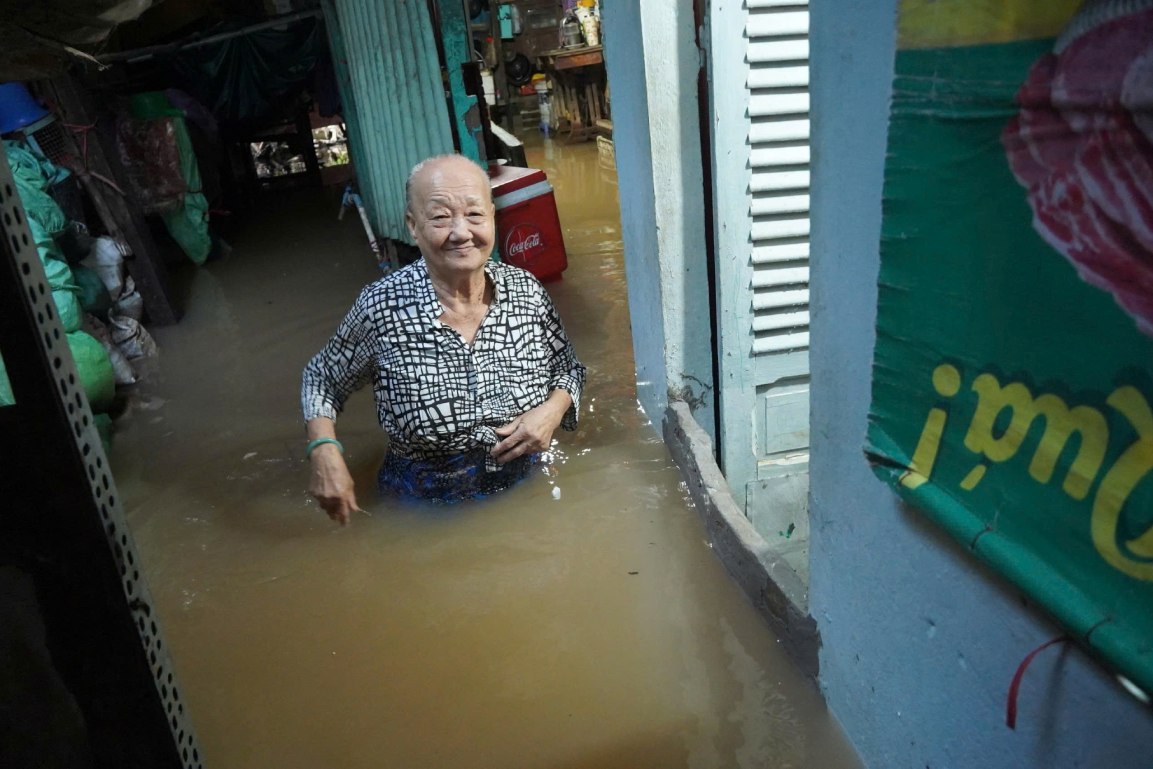
Ms. Kieu Oanh added that in many areas, the water flooded deeply, making it almost impossible for people to sleep, just worried about fighting the sudden rising water. Recently, when she heard that the government was proposing a project to build a flood-proof embankment, she could not hide her joy.
"If the embankment is built, I and other people will have a lot less hardship, no more the scene of water rising to the floor, turning up every day," Ms. Kieu Oanh happily said.
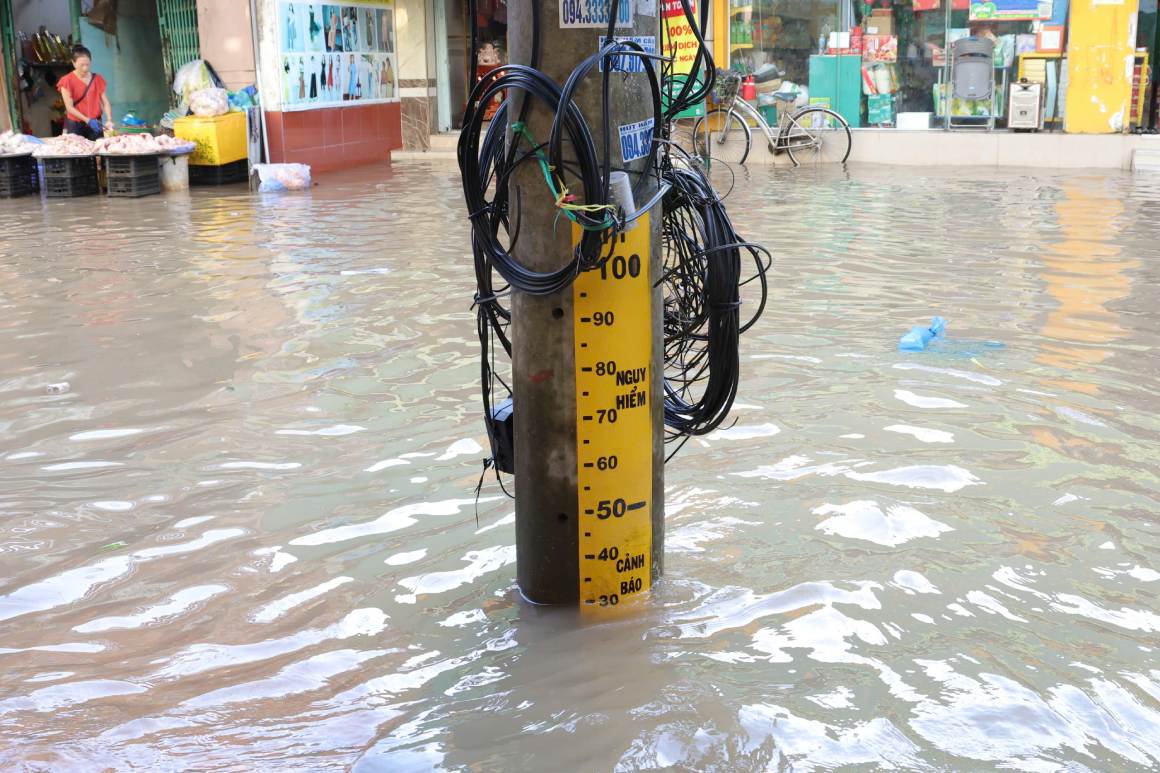
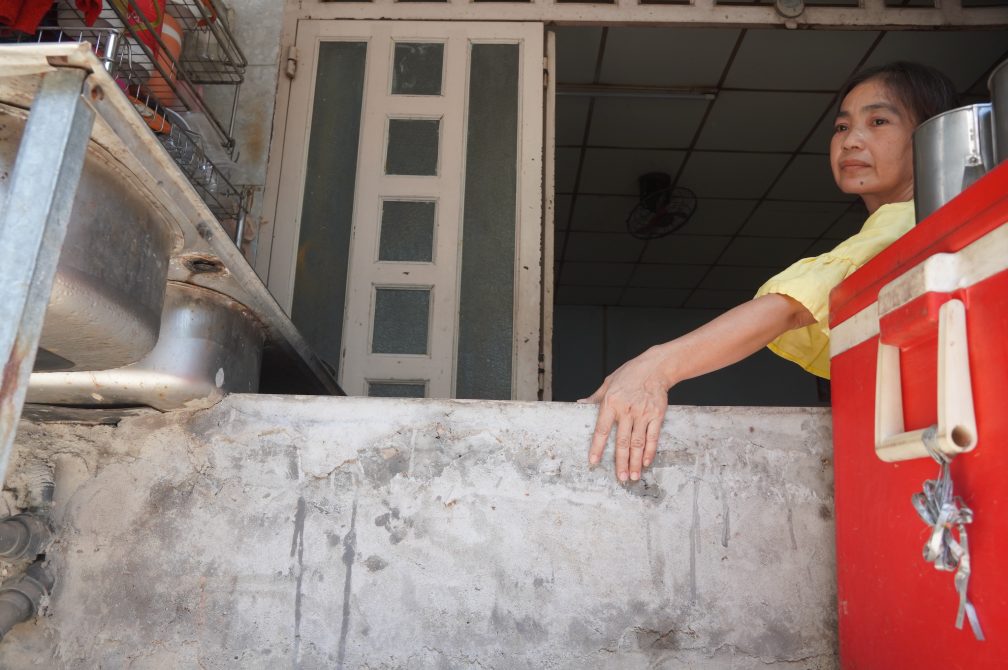
Also affected by living close to the riverbank, Ms. Diem said that in previous years there were floods but in recent years there have been no serious ones like this year. The water rose too quickly and suddenly forced the family to reinforce the walls to be higher and thicker, costing more than 1 million VND.
However, despite the wall being raised, Ms. Diem's business still faces many difficulties because customers are afraid to move while the roads are "submerged" in water. Therefore, when hearing the information about the proposal to build a dike, Ms. Diem was extremely excited.
Ms. Diem also hopes that the completed project will help the roads become more beautiful, the landscape is airy, creating a comfortable space for the entire residential area.
In addition to the common joy, some people are still wondering whether the embankment markers and the construction will affect their houses, land or property. They hope that the government will soon announce the scope, roadmap and construction plan to proactively prepare.
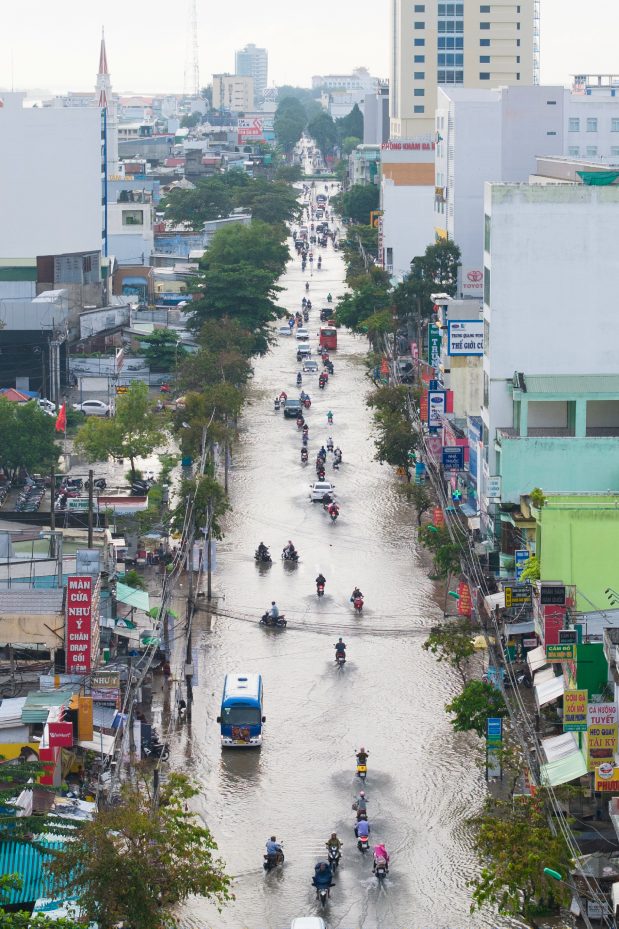
At the same time, people also expect the project to be implemented quickly and compactly, avoiding sluggishness like some other existing projects. However, the majority still hope that the project will not only effectively prevent flooding but also bring a new, spacious look to the riverside area where they have been attached to for a long time.
The new project has 3 main components, including: the component of expanding flood control in the inner city; the component of developing transport infrastructure and the component of building resettlement areas.
Component 1 focuses on expanding the ability to control flooding in the inner city of Can Tho city to adapt to climate change with a total capital of VND 3,477 billion, focusing on handling local flooding, high tides and poor drainage in central areas... The scope of implementation is mainly in the core area of the city, including Binh Thuy, Long Tuyen and Thoi An Dong wards...
Component 2, developing transport infrastructure to adapt to climate change, with the largest capital scale of VND 3,925 billion. The main content is to build an extension of Tran Hoang Na Street, from Nguyen Van Cu Street to National Highway 91B. The route is about 4.5 km long, with a scale of 4-6 lanes urban main road, a road width of 20-40 m and 4 bridges on the route. The project aims to create an important connection axis from the center of Ninh Kieu to new urban areas in the South of the city...
Component 3 of the project, with a total cost of 375 billion VND, focuses on building a resettlement area of about 25 hectares, including about 1,000 resettlement plots and accompanying welfare works to help households affected by the project stabilize their lives as well as synchronize infrastructure...


