
Tourism pulls people out of poverty
The weather in Sa Pa is still cold at the end of winter, but at the beginning of Ta Van village (Sa Pa - Lao Cai), the suspension bridge across Muong Hoa river is no longer as slippery and broken as before. The brightly colored concrete road leading to the village makes visitors' footsteps more relaxed.
"Now the road is beautiful like this, but before, every rainy season the whole village was divided in half, customers didn't dare to enter, children were always slipping and falling when going to school" - Mr. Lau A Pao, who was riding a motorbike, said.
Mr. Pao used to be a poor household. A year of raising rice is only enough to eat for 8 months. The wooden house on the mountainside used to be dark because there was not enough money to pull the electricity. Then in 2018, when Sa Pa started developing community tourism, he boldly renovated the house and opened a small homestay with 4 beds.
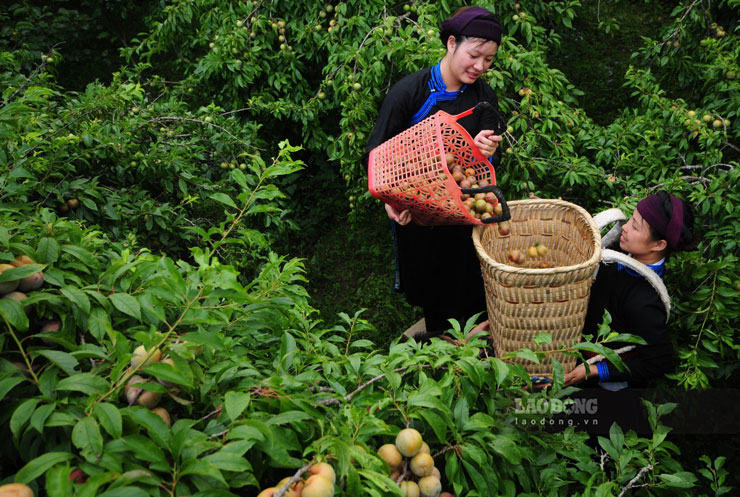
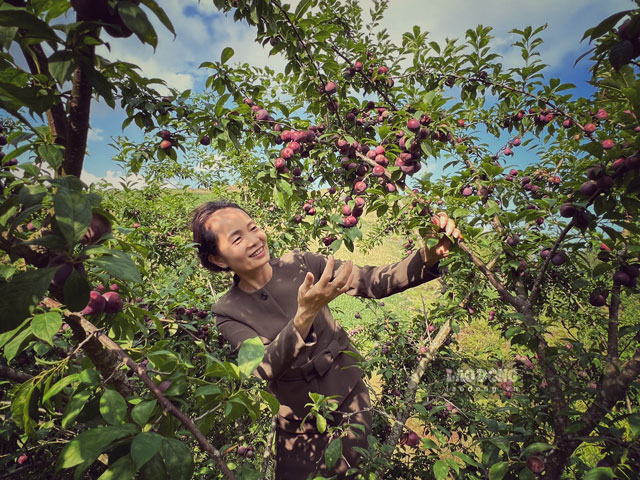
"At first, I didn't know how to welcome guests, and I didn't know how to speak the common language. But there were commune officials, youth unions and some young tour guides who came to teach little by little. From the way of setting tables, spreading blankets, to the way of telling village stories to tourists he recalled.
Currently, he welcomes 40'60 visitors per month, and during peak season, it can double. The family's average income is 300350 million VND/year, dozens of times higher than when they only knew how to be barber. His two children previously planned to drop out of school to support their parents - now both of whom are in junior high school and high school in Sa Pa.
The wooden houses with Po Mu leaves, the smelly smoke of Ta Van's kitchen, now stand next to the bamboo homestays and stilt houses renovated in local style. The village has nearly 90 households working in tourism, with income increasing steadily every year. Many families are no longer on the list of poverty reduction support.
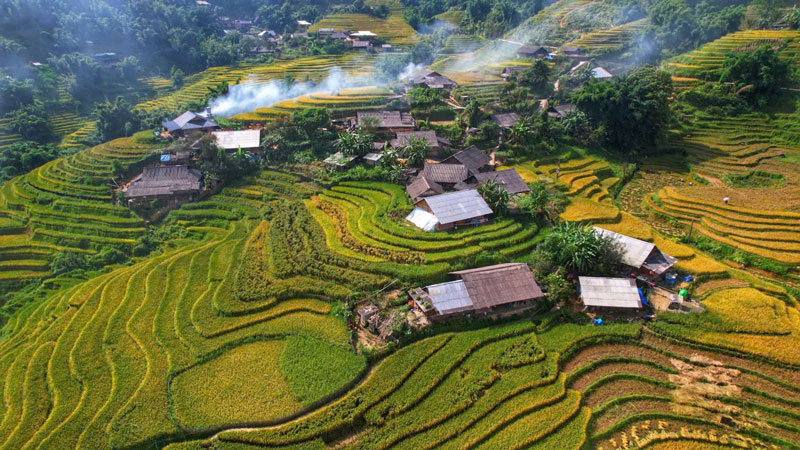
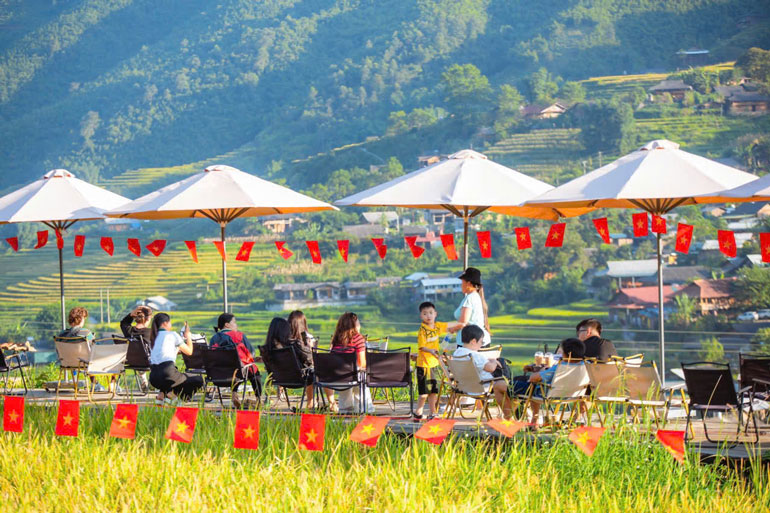
Ms. Giang Thi De, the owner of a homestay in Ta Van Dai, said that her village used to be one of the most difficult in the commune.
"There are very few customers because the roads are difficult to travel, the houses are temporary. Since the state's support project, we have learned to cook, learn to refresh living space, and have preferential loans to repair houses. After traveling, I found many precious things: the sound of the flute, the curse frame, meals with forest bamboo shoots, vegetables... Tourists really like it Ms. De laughed while rearranging a brocade dress hanging in the corner of the house.
From the place of "bottleneck" to the tourist village by Thac Ba lake
Unlike the crowded Sa Pa, the Ngoi Tu village of the Tay people is nestled next to Thac Ba lake like a peaceful oasis. But that peace was previously accompanied by scarcity. Ngoi Tu once had a poverty rate of over 60%, the road was just a small dirt road along the lake, with a lack of electricity.
Mr. Trieu Van Phien, 62 years old, clearly remembers the poor years to the point of "only the sound of the roof cheering and the smoke from the kitchen". In 2017, when the old Yen Bai province (now Lao Cai province) began to put Ngoi Tu in the direction of developing community tourism, the village had a turning point.
Many youth groups, women's unions, and cultural officials of the district came to survey and instruct people on environmental sanitation, renovate stilt houses, preserve traditional architecture, and connect with travel businesses.
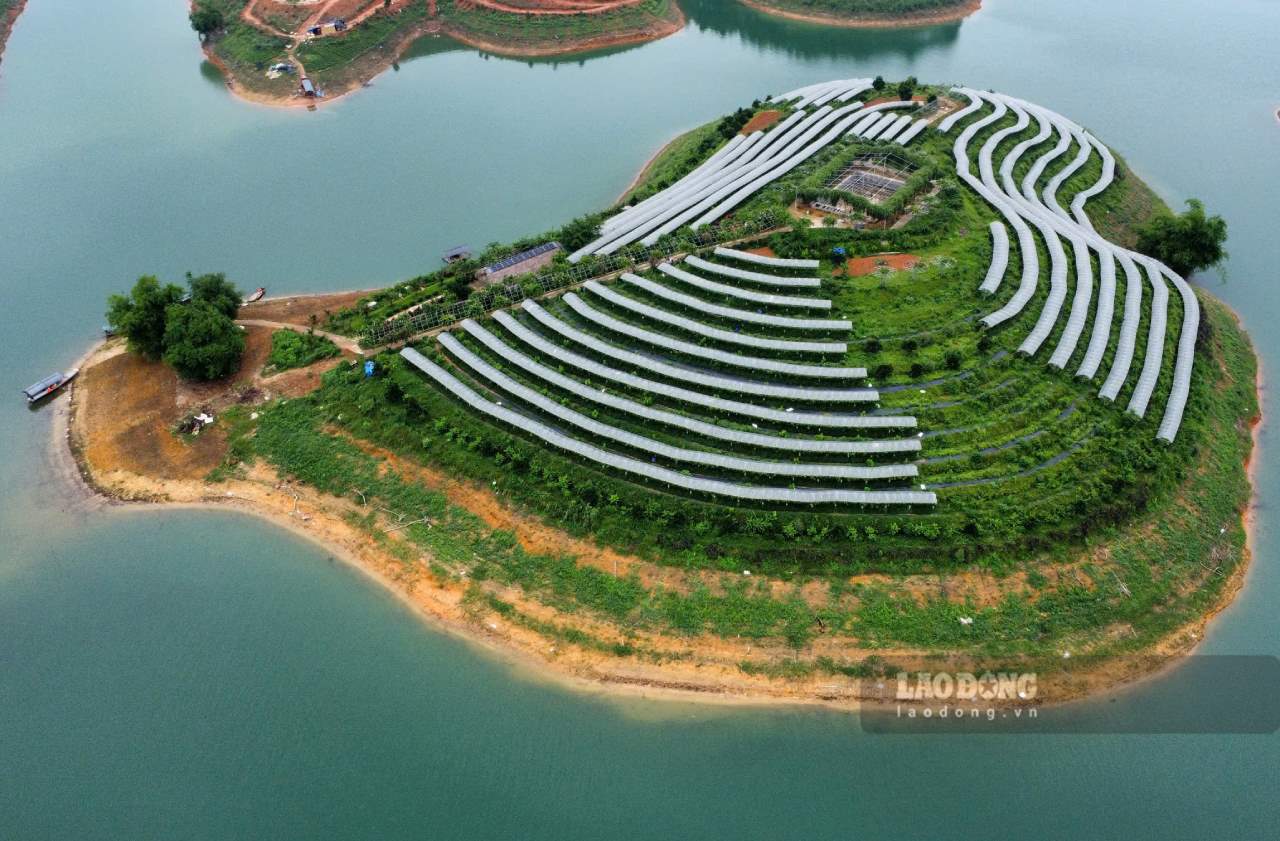
Mr. Phien's family was one of the first 5 households to open the homestay. "The biggest concern at that time was not knowing if there were customers. But then there are more and more visitors coming, they like to row boats on the lake, like to see us dye indigo and weave baskets. Thanks to traveling, the lights are on every night, and the income increases significantly" - he mixed a cup of thick tea and shared.
Currently, Ngoi Tu has 16 homestays, welcoming about 30,000 visitors/year, including many international visitors. Each tourism household has an average income of 150250 million VND/year. Children in the village no longer drop out of school to follow their parents to the mangrove plantation. Many women who used to just hang around in the kitchen have now become boat tour guides, art performances, and brocade weaving for customers.
Ms. Hoang Thi Sua, 28 years old, is the first youth class in the village to study a tourism skills training class jointly organized by the Department of Culture - Sports and Tourism.
"I was very shy before, I was confused when meeting customers. After studying, I learned to introduce the history of Thac Ba, learned to tell my own story in English. The more I work, the more I love the countryside and the job, she said.
New source of sustainable tourism
The common point of Ta Van - Lao Chai and Ngoi Tu is the clear change in infrastructure. The inter-village road is nearly 100% hardened, with stable electricity and internet connection to each house. This is an important factor to prevent tourism from being interrupted by the season - something that once made tourists afraid when going to the highlands.
Local authorities have had practical support programs such as preferential loans, tourism skills training, cultural conservation training, building a model of "clean house - clean lane - beautiful village", or supporting people to develop OCOP products such as Shan Tuyet tea, honey, and brocade.
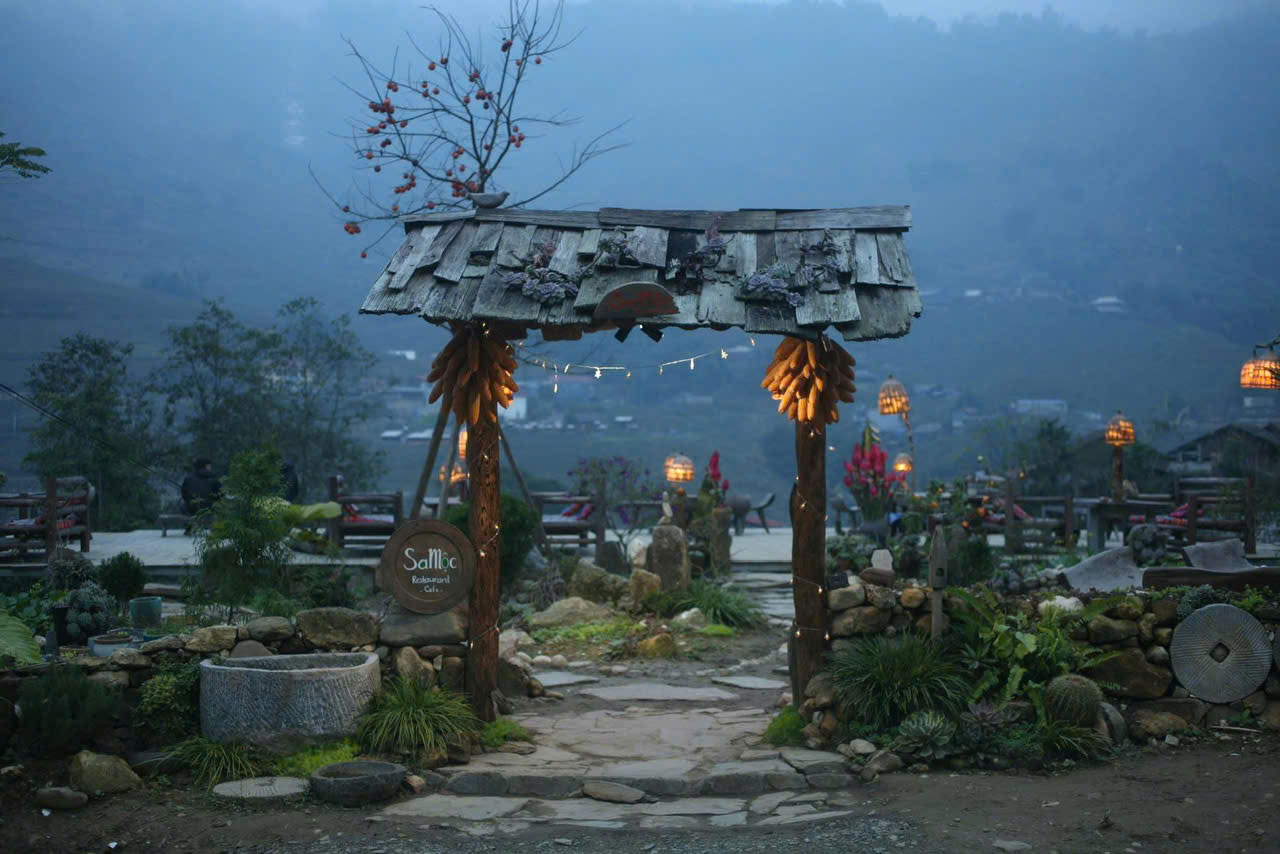
Mr. Vu Thanh Long, representative of the Lao Cai Department of Culture - Sports and Tourism, shared: "Community tourism has proven to be a clear effective poverty reduction. The important thing is not only the increase in income but also the way people change their thinking. They know how to preserve culture to make sustainable tourism, know how to protect the environment, know how to make a brand for their own village.
According to Mr. Long, the Department is coordinating with localities to promote green homestay standards, limit plastic waste and open more vocational training classes.
If in the past, young people in the highlands often went to the city to work as workers and waiters, now many people choose to return to the village to start a tourism business. In Sa Pa, Mr. Vang Seo Chinh, 25 years old, after working as a hotel in Hanoi, decided to return to Lao Chai to open a trekking service to take visitors through the village to "climate mountains" to experience terraced fields seasonally.
Chinh said: "There is no place as beautiful as my hometown. I take visitors to the forest, eat bamboo rice, and tell them about the wedding customs of the H'Mong people, they really like it. The good income of trekking that I get close to my family. Many young people in the village also want to learn to be tour guides, I am supporting them.
New "Bright Zone" on the community tourism map
Looking back, the people of the Northwest all have the same memories of a difficult life: no roads, isolated during the rainy season, children taking a long break from school, many young people having to leave their hometowns to make a living. But the perseverance of the people combined with the correct orientation of the locality has turned those villages into famous destinations.
The most valuable thing, according to Mr. Phien, is that "the spirit of the village has changed". People voluntarily clean up the village roads, maintain customs, and limit the construction of concrete houses that destroy the landscape.
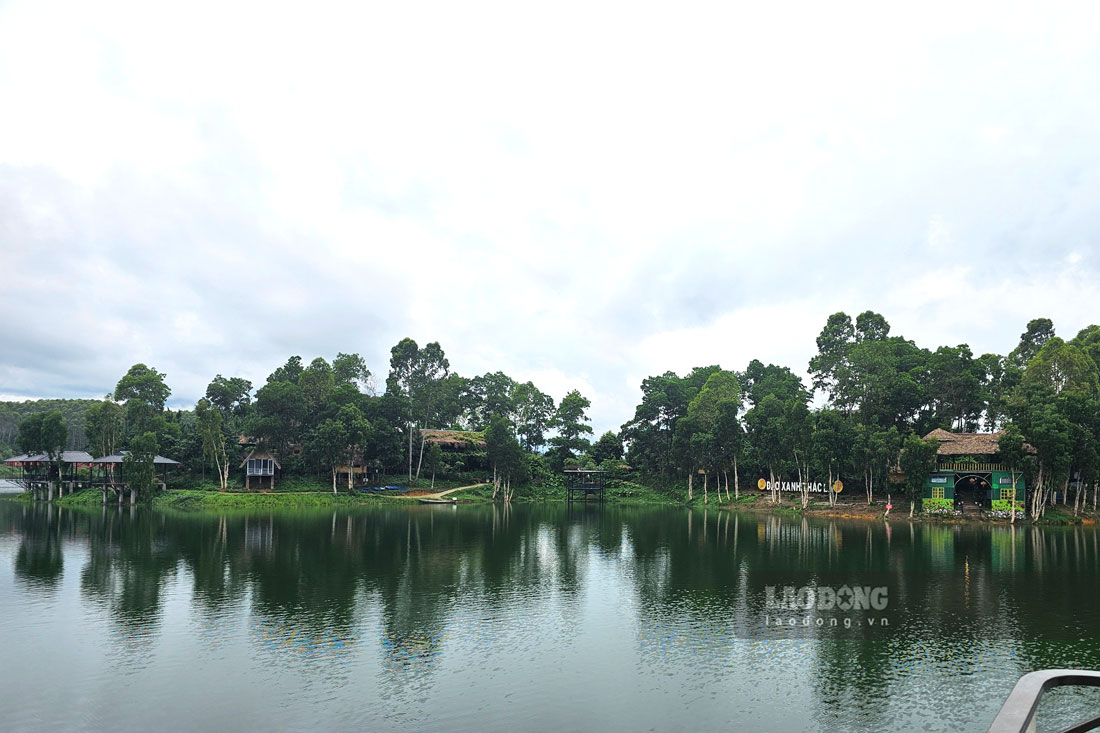

Many visitors return not only because of the beautiful scenery but also because of the feeling of living in an original cultural space. That helps community tourism not fall into the "commercialization" spiral. Many households understand that identity is the most valuable asset and must be preserved for long-term development.
According to the assessment of local authorities, the community tourism model in Ngoi Tu has created a widespread effect. Some other villages such as Khe Long and Lang Chinh are also starting to apply a similar model. In Lao Cai alone, Ta Van - Lao Chai is considered a model of tourism development associated with poverty reduction, attracting many infrastructure investment projects and cultural preservation.
Currently, Lao Cai province is developing the criteria for "S type of rural tourism", emphasizing cultural factors, environment, typical products and proactive participation of the people. The ultimate goal is for the people to benefit the most. When income increases, cultural life improves, children have access to school fully, then we can talk about sustainable development.


