
Turning heritage into property
Dien Bien is known for its majestic nature, heroic history, and unique culture. This is a land with rich tourism potential with 35 ranked relics (including 1 special national relic, 20 national relics).
In particular, Dien Bien owns 22 national intangible cultural heritages, of which 2 were recognized by UNESCO as representative intangible cultural heritages of humanity.
Muong Lay ward, Dien Bien province was the capital of the old Lai Chau province (now Dien Bien and Lai Chau). In 2004, after splitting the province, Muong Lay became an administrative unit of Dien Bien province.
Muong Lay owns a diverse source of tourism resources, the cradle of the White Thai people (accounting for 44.5% of the population). The hilly terrain surrounding Son La Hydropower Reservoir creates a majestic landscape, very favorable for developing river tourism, trekking, paragliding and cave exploration.
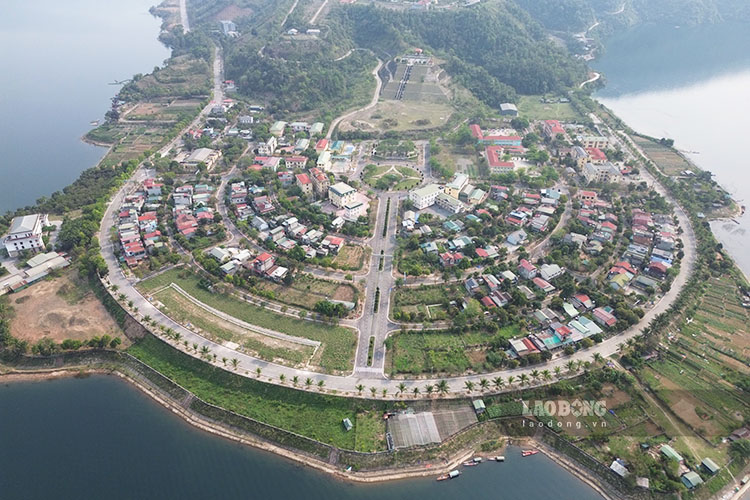
Realizing that potential, Ms. Lu Thi Toan (32 years old, Thai ethnic group, Quan Chien village, Muong Lay ward) decided to give up her stable nursing job to bring the beauty of her hometown closer to tourists.
According to Ms. Toan, after attending a training course to improve capacity in community tourism organized by the provincial Department of Culture, Sports and Tourism. practical trips to Son La, Phu Tho or Lai Chau... helped her realize the great potential of her hometown Muong Lay.
Accordingly, about 4 years ago, she started her entrepreneurial journey from zero, renovating her family's traditional stilt house into a homestay to welcome guests.
Not simply providing accommodation, Ms. Toan has built a series of Thai cultural experiences. Visitors here can enjoy local cuisine, immerse themselves in xoe dance and participate in special festivals such as the Tinh Dau Boat Race or paragliding.
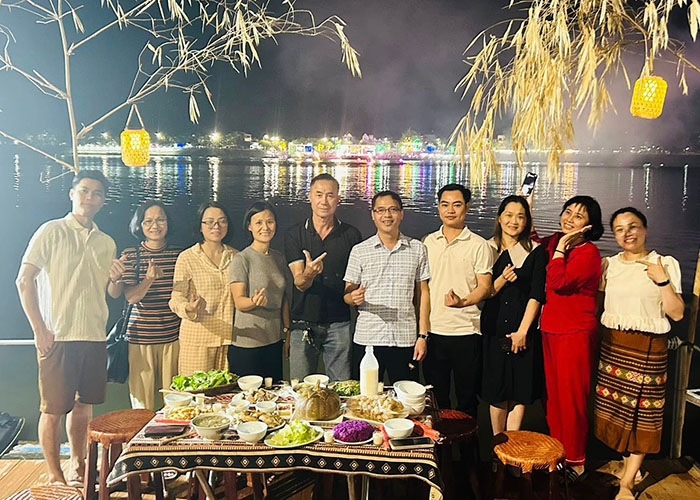
"When I am confident in doing things, others will look at me and believe me. Now, the villagers are no longer as hesitant as before, everyone wants to contribute to the development of the village's tourism" - Ms. Toan said.
From Ms. Toan's pioneering work, up to now, Quan Chieng village has had about 8-10 households participating in tourism.
Ms. Toan does not keep a secret for herself but proactively connects households into a closed chain of services: Households providing accommodation, households providing cuisine, households in charge of art. Thanks to this digitalization, during the holidays, Quan Chieng village has welcomed nearly 1,000 visitors, creating jobs and stable income for many households.
Talking to reporters, Ms. Toan said that she is aiming to establish a Community Tourism Cooperative in the first quarter of 2026 to eliminate the situation of disjointed and broken business. She also proactively cooperated with the Waterway Cooperative and agricultural products to diversify products, helping tourists have more experiences when coming to Muong Lay.
Sustainable direction for the tourism industry
According to Ms. Lu Thi Pung (homestay Pi Noong) in Huoi Luc village, Tua Chua commune, before 2021, the concept of tourism was still unfamiliar to the people here. Encouraged and given the opportunity to visit the model attractions in Son La and Hoa Binh by district and commune officials, Ms. Pung boldly "worked differently, did differently".
From a small, deprived establishment, Ms. Pung's family persistently restored the traditional stilt house of more than 100 square meters. Each blanket and pillow is washed with fragrant brushes, the kitchen corners and wooden floors are cleaned to welcome guests.
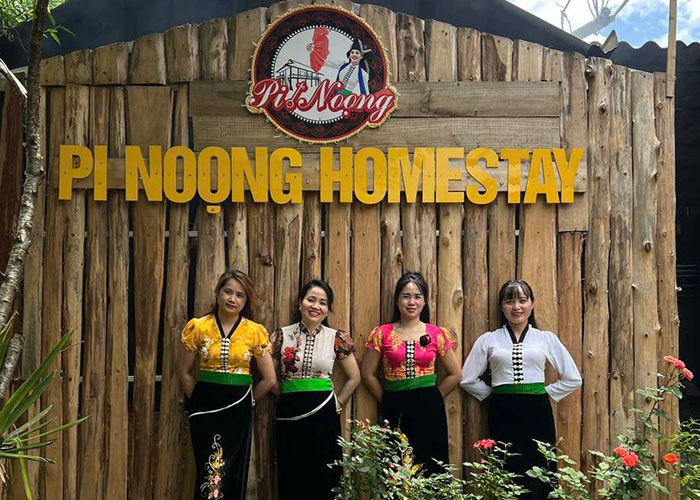
According to Ms. Pung, thanks to training, people understand more about what customers need and how to satisfy customers. On days with customers, the fire is red from morning, some grill fish, some pick vegetables, the atmosphere in the village is very happy.
The success of Pi Noong homestay has created a chain effect. Currently, Huoi Luc village has many households registering to do tourism. Households that are not eligible for homestay should join cooking groups, tour guides or art groups.
The village's art troupe with nearly 20 members is always ready to serve visitors with xoe, Khen music and folk games such as acupressure, throwing and...
In Sin Thau commune - where the Vietnam - Laos - China border crossing is located, the development of community tourism is often associated with milestone No. 0. Every year, many tourists come here to explore and experience this special border space.
Mr. Chu Khai Phu - owner of Ha Nhi A Pa Chai homestay said that at the end of 2024, the homestay welcomed more visitors than in early 2024 and 2023. Although it has connected with a number of tourism businesses and used social networks to promote, the number of visitors to A Pa Chai in the past year has not been stable with a small number.
In 2025, Ha Nhi A Pa Chai homestay plans to expand its facilities, while promoting its image and attracting customers.
According to statistics, the number of tourists coming to the "land of banh hoa" has been increasing every year. In particular, the period of 2021 - 2025 witnessed a strong explosion of Dien Bien tourism.
Specifically, in these 5 years, Dien Bien is estimated to have welcomed over 5.4 million visitors, an increase of 183% compared to the period 2016 - 2020. The increase in the number of visitors has led to impressive revenue growth. Total revenue from tourism activities is estimated at over VND9,400 billion, an increase of 198% over the previous 5 years.
To achieve these figures, Dien Bien province has made efforts to organize many large-scale cultural and tourism programs and events, both national and international. These events not only promote the local image but are also a lever to attract domestic and foreign tourists.
However, according to the assessment of the Department of Culture, Sports and Tourism, the scale of tourism activities in the province is still small, the number of tourists to Dien Bien, although increasing every year, has not met expectations; the length of stay and spending of tourists are limited.
Tourism products are not yet rich and diverse, and there are not many new tourism products. In addition to the products related to historical and spiritual tourism that have been shaped, the products of community, ecological, agricultural, and resort tourism are unclear and of low quality to create competitive advantages and improve the quality of the experience.
Development support policy
To continue the growth momentum and overcome infrastructure limitations, at the regular meeting in November 2025, the People's Committee of Dien Bien province unanimously approved the content of submitting to the Provincial People's Council to issue a Resolution regulating policies to support the development of tourism products above.
According to the draft, the province will focus resources on directly supporting essential infrastructure items in tourist areas and destinations and developing community tourism. The policy aims to support people in building and repairing houses to do business in accommodation services.
Accordingly, the maximum support level is 150 million VND for each project to build a new house to serve tourists (homestay). The province plans to support a maximum of 10 new construction projects per year. However, to ensure planning and quality, each community tourism development point will be supported with no more than 5 new construction projects.
For the activity of upgrading and renovating houses for homestay (including purchasing equipment, renovating gardens, performing spaces, toilets, etc.), the support level is 100 million VND/activity. The maximum amount of support is 20 upgrading and renovation activities per year.
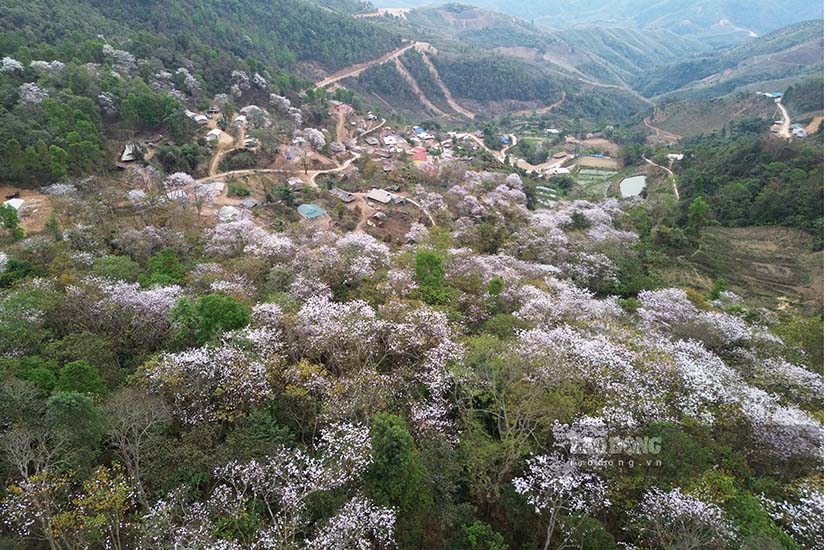
Mr. Nguyen Minh Phu - Vice Chairman of the Provincial People's Committee, Director of the Department of Culture, Sports and Tourism of Dien Bien province said: "Community tourism plays an important role in the local socio-economic development.
Developing this type of tourism not only helps diversify tourism products, increase the experience and length of stay of visitors but also creates sustainable livelihoods, improving the standard of living for the community".
According to Mr. Nguyen Minh Phu, there are currently 14 community tourism activities in the province with more than 40 homestay models. villages and households have proactively invested and exploited traditional cultural values combined with agricultural production to serve the sightseeing and experience needs of tourists.


