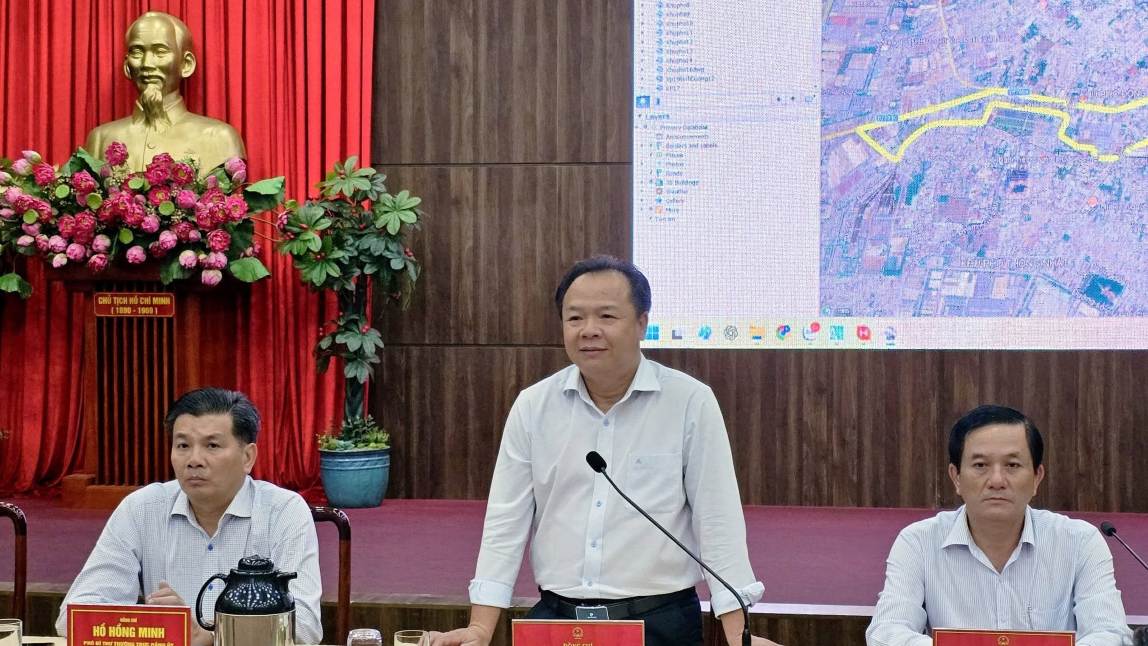
According to Di An Ward People's Committee, the ward was established on the basis of merging the entire area and population of Di An ward, An Binh ward and 6 neighborhoods belonging to Tan Dong Hiep ward (old), with an area of more than 21.3 km2.
This is the most populous ward in Ho Chi Minh City with nearly 256,000 people, distributed in 19 neighborhoods.
Currently, many neighborhoods have a very large population scale and number of households, putting significant pressure on management and administration at the grassroots level. According to the proposed plan, Di An ward will implement the arrangement from 19 existing neighborhoods to 28 new neighborhoods through the form of keeping, merging and dividing neighborhoods with large population scale.
The adjustment aims to ensure a relatively uniform household size between neighborhoods, creating favorable conditions for state management, deploying policies and serving people better.
At the conference, delegates focused on discussing and contributing many opinions related to the naming of neighborhoods after arrangement, determining the dividing boundaries between new neighborhoods as well as the method of organizing people's opinions for the project. The opinions all highly agreed with the arrangement policy, and at the same time proposed to ensure science, convenience for management and suitability with the historical and cultural characteristics of each area.
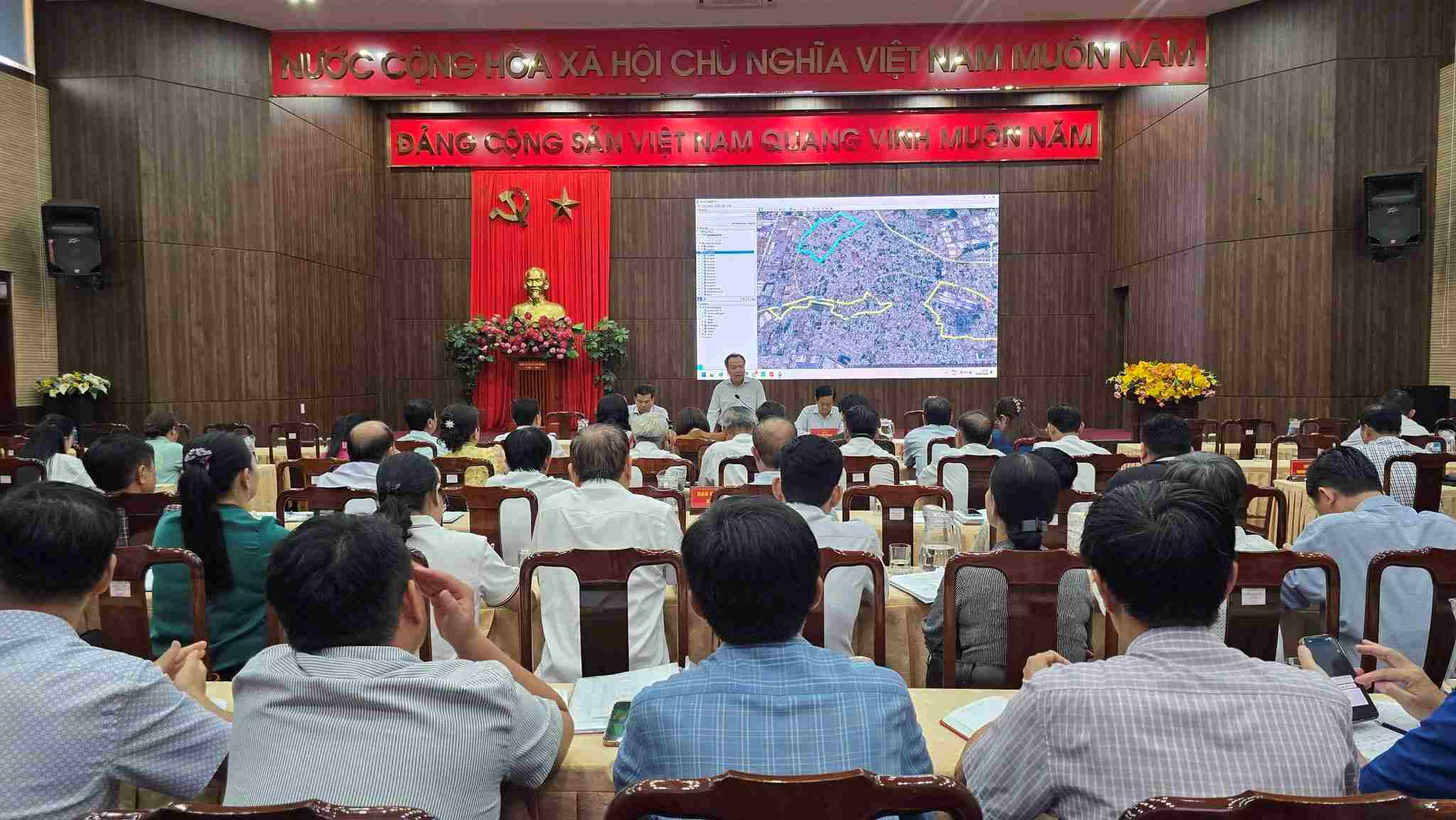
Speaking at the conference, Mr. Nguyen Van Dong - City Party Committee Member, Secretary of the Ward Party Committee proposed that the arrangement of the neighborhood must ensure democracy, publicity, transparency, and create high consensus among the people. Thereby, contributing to building a streamlined grassroots apparatus, operating effectively and efficiently, meeting the development requirements of Di An ward in the new period.
Regarding the names of neighborhoods, Mr. Nguyen Van Dong proposed to prioritize keeping the old neighborhood names associated with the formation and development of the locality, preserving the historical, cultural and traditional values of each area; and at the same time study a suitable numbering plan to facilitate administrative management.
Regarding taking opinions from voters representing households, Mr. Nguyen Van Dong proposed to diversify forms of taking opinions, fully record people's opinions in each neighborhood, ensuring publicity, democracy and compliance with regulations.