"I just thought that to get money, I had to go out on the street"
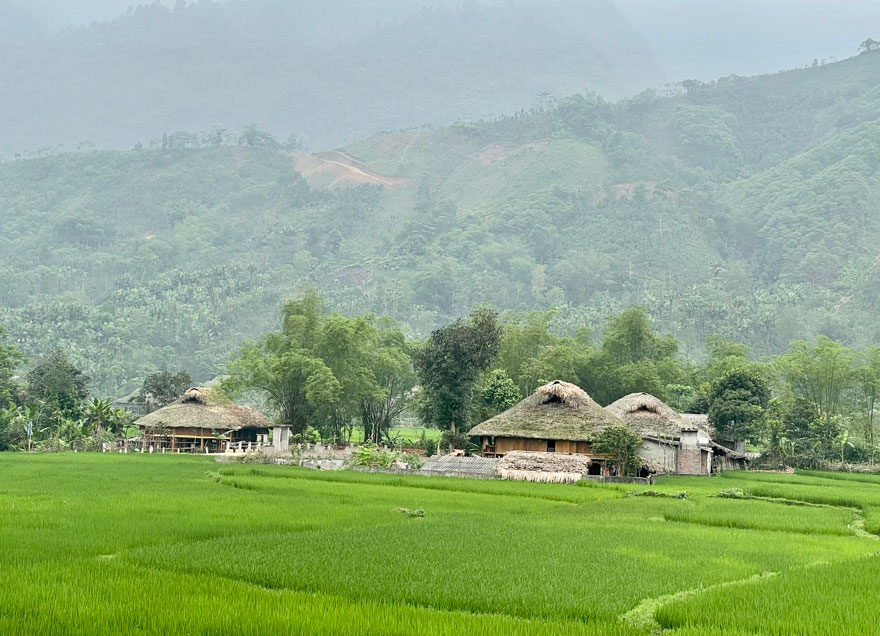
In the early winter days, the small road leading to Lao Chai village (ta Van commune) was crowded with tourists. Amidst the terraced fields are wooden houses with warm yellow lights and the occasional scent of wild leaves. In a wooden house that has been renovated into a homestay, Giang A Pao - 26 years old, H'Mong - is laughing happily with a group of foreign visitors who have just finished their trekking journey on the mountain slope.
Pao has been a bridge worker in Hanoi for three years. He said that it was a time when "there was no future while away from home", but because he was poor, he had to leave. When the COVID-19 pandemic hit and he lost his job, Pao was forced to return to the village.
It was his return to the mountains and forests that made him realize that his village had special things that the city never had. Tourists began to return to Sa Pa, many trekking groups crossed into the village, and Pao saw an opportunity from her parents' old house.
"At first, I didn't know anything, from English to how to welcome guests. In the evening, I opened YouTube to self-study, if I didn't understand, I turned it back on. My best thing is to understand the village and the mountains, so I just rely on that to do it, Pao said.
He repaired the wooden house, kept the traditional architecture, only added a closed toilet and a hot water system. Thanks to her express appearance and friendly attitude, Pao quickly became a favorite tour guide for European tourists. His trekking tour not only takes visitors to climb mountains, but also integrates the experience of "a day as a H'Mong person" such as dyeing flaxcloth, cooking for monks or practicing blowing the flute.
Pao's homestay now welcomes about 100 to 150 guests per month. During the peak travel season, he hired four more young men in the village to be tour guides and cooks. Not only did his family escape poverty, Pao also became an inspiration for many young H'Mong people in the village.
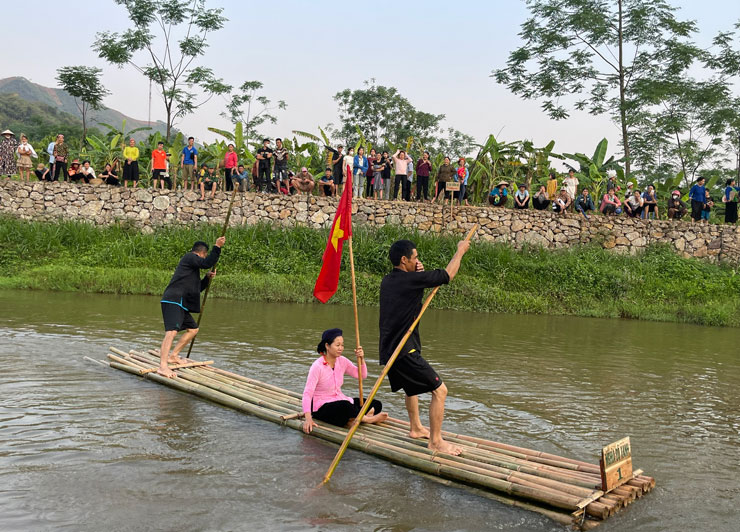
"In the past, I thought that if I wanted money, I had to go to the city. Now I believe that the village can also get rich, as long as I know how to keep my beauty and do tourism for good, Pao confidently said.
The whole community benefits from tourism development
Not only those who have gone far have brought a new breeze. In Bac Ha, many young Tay, H'Mong, and Nung people have never left the village but boldly look at opportunities from green tourism, creating very unique models.
In Na Hoi village, Lo Van Hau - 24 years old, Tay people - is considered the " initiator of clean agricultural tourism". Hau's family previously relied on plum and black pigs, and their lives were unstable seasonally. However, the development of Bac Ha tourism has made tourists come more to experience the fair, Tay culture and large plum gardens. The beauty queen began to wonder if her village could become a stopover for tourists.
"Sometimes I thought that if I wanted to change my life, I had to go far. But then seeing tourists who are fascinated by the scenery of my hometown, fascinated by plums, and fascinated by streams, I decided to try farmstay. Because I did not have the strengths of Sa Pa, I chose to let tourists live like local people, Hau recalled.
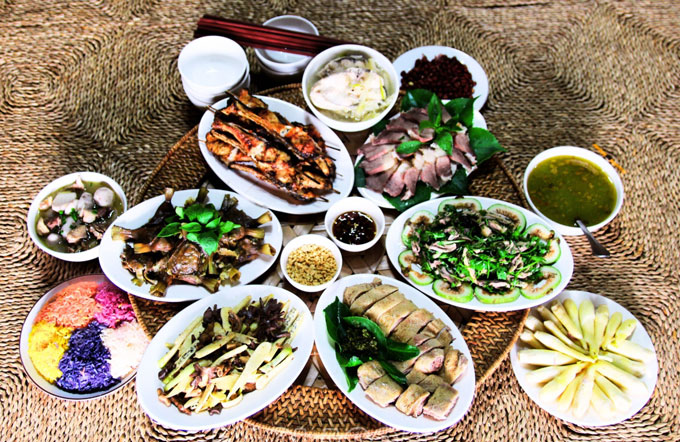
Taking advantage of the land by the stream, Hau built simple wooden houses, planted plums, clean vegetables and raised stream ducks. Visitors to Na Hoi can not only rest in the middle of nature, but also follow Hau to make kging, pick plums, dig purple potatoes, cook grilled stream fish in a bowl. The city's children were delighted to see the stream water, catch fish, and burn firewood for the first time.
Ms. Thu Ha - a tourist in Hanoi shared: "I have been to many places but am very impressed with Hau's farmstay. There is nothing flashy here, but it preserves the soul of the Tay people. Children get to experience it, and adults get relieved.
Thanks to this model, Hau's family escaped near poverty and their income increased many times. More importantly, many households in Na Hoi village have started selling more clean agricultural products to tourists or opening small stalls in front of their houses. The whole community benefits from tourism development.
leverage from the government and organizations
Behind the success of many green startup models is the silent but persistent support of local political organizations and unions.
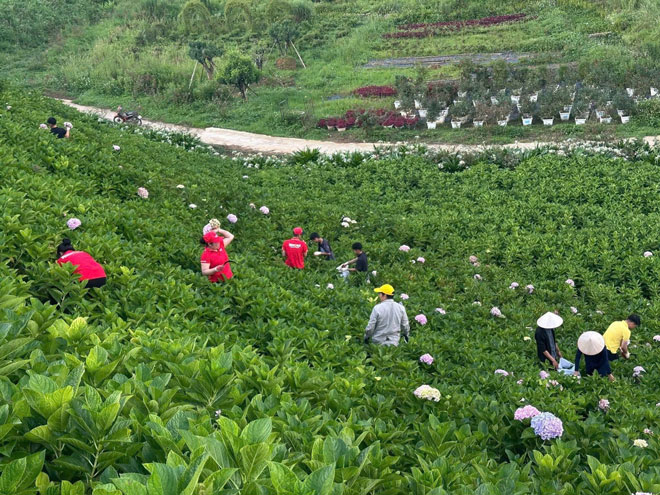
In Sa Pa, the Department of Culture organizes many community tourism training courses for H'Mong, Dao, and Giay youth. lessons on welcoming skills, cooking for tourists, environmental sanitation or how to communicate through social networks have helped young people become more confident.
Ms. Vang Thi Hoa - cultural officer said: "Youth in the highlands has a big advantage because they understand indigenous culture better than anyone else. As long as they are equipped with the right skills, they will become the core tourism force. The Trade Union always tries to accompany by training, connecting and supporting capital".
In Bac Ha, the district government has implemented a program to support the renovation of houses into homestays, provide preferential loans, and at the same time develop a model tourist village model. Organizations such as the Youth Union and the Women's Union also took strong action. Many youth tour clubs have been established, and traditional cooking training sessions are held regularly.
Thanks to that support, community tourism destinations in Bac Ha and Sa Pa have recorded a faster poverty reduction rate than non-tourism areas. Young people have jobs right in their hometown, limit spontaneous migration and contribute to maintaining the cultural environment in the villages.
"Youth is the force that has the fastest access to new things. They both maintain their identity and know how to do modern tourism. This is an important direction for people in remote areas to sustainably reduce poverty. In the coming time, the cultural sector will help them standardize their expertise, guide them to do safe - friendly - environmentally friendly tourism without harming the environment", the leader of the Department of Culture, Sports and Tourism of Lao Cai province assessed.
The key to poverty reduction in mountainous areas
Although many models have been successful, community tourism in the mountainous areas of Lao Cai still faces many difficulties. Some young workers lack investment capital, have limited foreign languages, while the tourist season depends on the weather. Some overloaded tourist destinations during peak season lead to the risk of environmental pollution and disruption of traditional architecture.
However, localities are making efforts to build a more sustainable direction. Practical training in tourism is increasingly focused on. Many communes have implemented digital transformation, supporting young people to set up promotional sites, update trekking schedules and book rooms online. Cultural identity is also given top priority, encouraging the community to preserve traditional wooden house architecture, restore embroidery, weaving, and musical instrument making.
Those changes, no matter how small, are helping community tourism develop in the direction of both creating livelihoods and protecting resources.
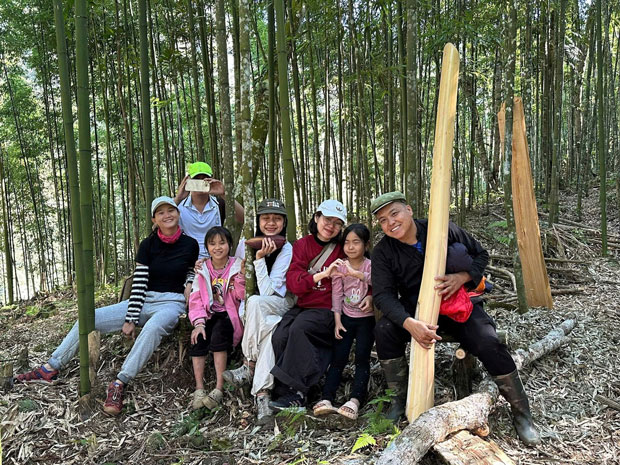
From the story of Pao in Ta Van, Hau in Na Hoi, or many young people who are taking visitors through the steep rocky slopes every day, it is clear to see the strong changes taking place in the youth community in the highlands. They are not only doing tourism, but are continuing to write the cultural story of their ethnic group in a more modern but still imbued with local character.
In the past, my parents said that only a daughter could make a living. Now I feel that I have more precious things than women. There are many tourists coming, so we have to preserve the forest and culture to do long-term tourism, said Pao, looking at the white clouds covering the mountain slopes.
Community tourism is opening a new door for ethnic minority youth in Lao Cai. From small wooden houses on the stream to trekking tours through the village, from green plum gardens to colorful markets... all are becoming resources for young people to master their future.
With the timely support of the government and organizations, along with the efforts of young people themselves, green tourism promises to continue to be an important direction to help the mountainous areas of Lao Cai sustainably reduce poverty, develop harmoniously between economy and culture, between people and nature.
A representative of the Department of Culture, Sports and Tourism of Lao Cai province said that the youth force is becoming a "creative core" in the community tourism development model associated with poverty reduction. The good news is that many ethnic minority young people no longer think about leaving their hometowns to escape poverty, but on the contrary, they return to get rich right with the local culture. This is in line with the province's orientation: developing green tourism, preserving heritage, increasing benefits for the community.