
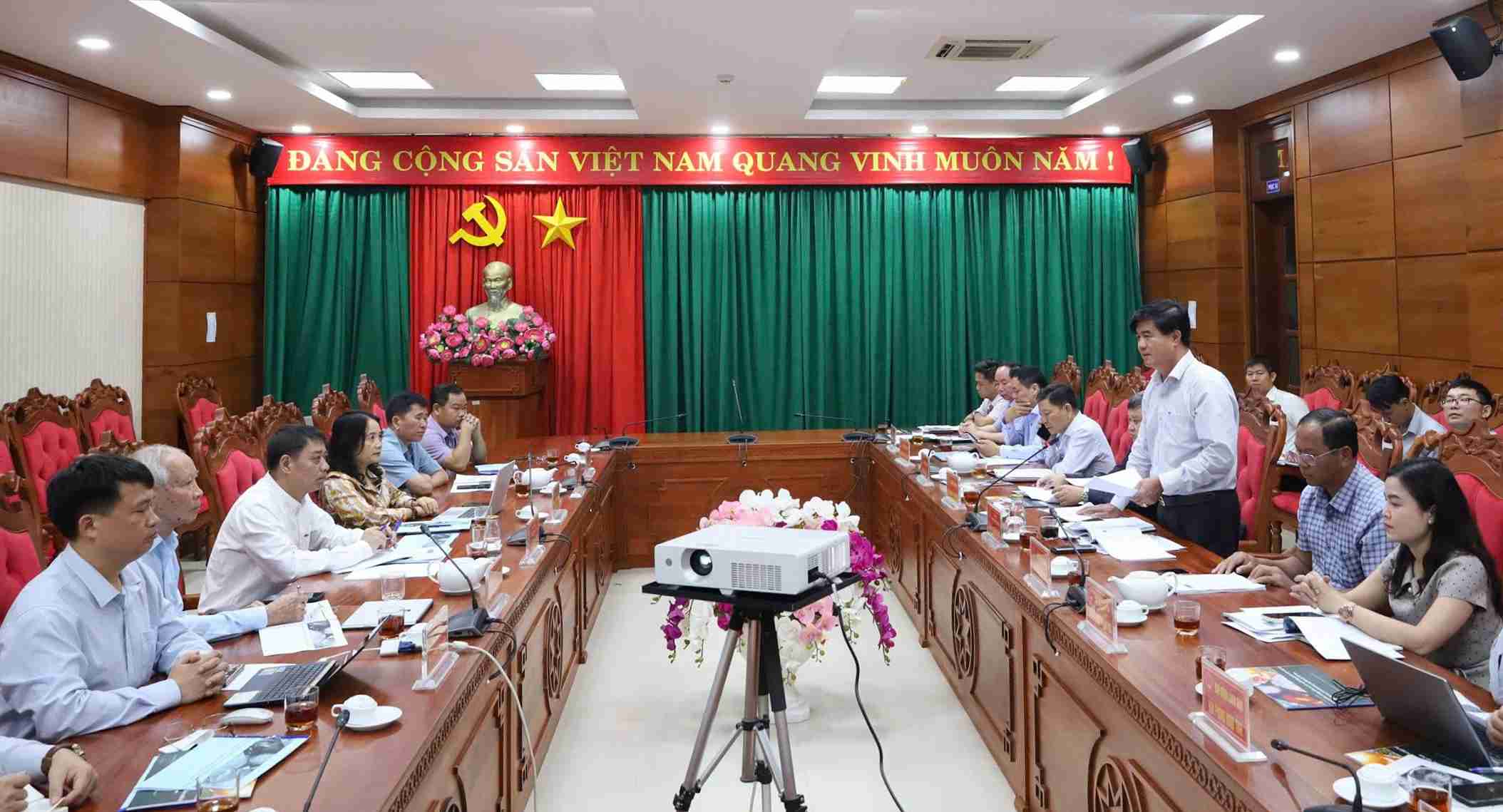
On June 1, Dak Lak Provincial People's Committee coordinated with the Department of Meteorology and Hydrology and the United Nations Development Program (UNDP) to organize a conference to collect opinions on the proposal for a pilot project to integrate from the basin to the coast to respond to losses and damage according to the climate risk activation mechanism in Dak Lak province.
According to the proposal, the project has a total budget of about 9.8 million USD from the Disaster and Damage Response Fund (FRLD), expected to be implemented in the period 2027 - 2031.
This is a fund formed after international negotiations on climate change to support countries heavily affected by natural disasters and extreme weather phenomena.
The project selects two areas representing the "from mountain to sea" development corridor of Dak Lak province after the merger, including Krong Nang commune - an area frequently affected by drought and Phu Yen ward - an area facing the risk of flooding, saltwater intrusion and high tides.
If approved, the project will directly support about 10,000 vulnerable households through livelihood recovery programs after natural disasters. At the same time, about 2,000 near-poor households will be supported to participate in parameter insurance to minimize risks caused by extreme climate phenomena.
A noteworthy new point of the project is the application of a mechanism to activate disbursement based on meteorological and hydrological data, satellite images, artificial intelligence (AI) and pre-set risk thresholds.
When weather indicators exceed the warning threshold, the support source will be activated immediately without having to wait for completion of statistical procedures and damage assessment like traditional support methods.
According to the proposal, about 77% of the capital of the livelihood recovery component will be transferred directly to people through UNDP's independent financial management mechanism, not through local budgets. This approach is expected to ensure transparency, improve the efficiency of capital use and shorten the time to support people after natural disasters.
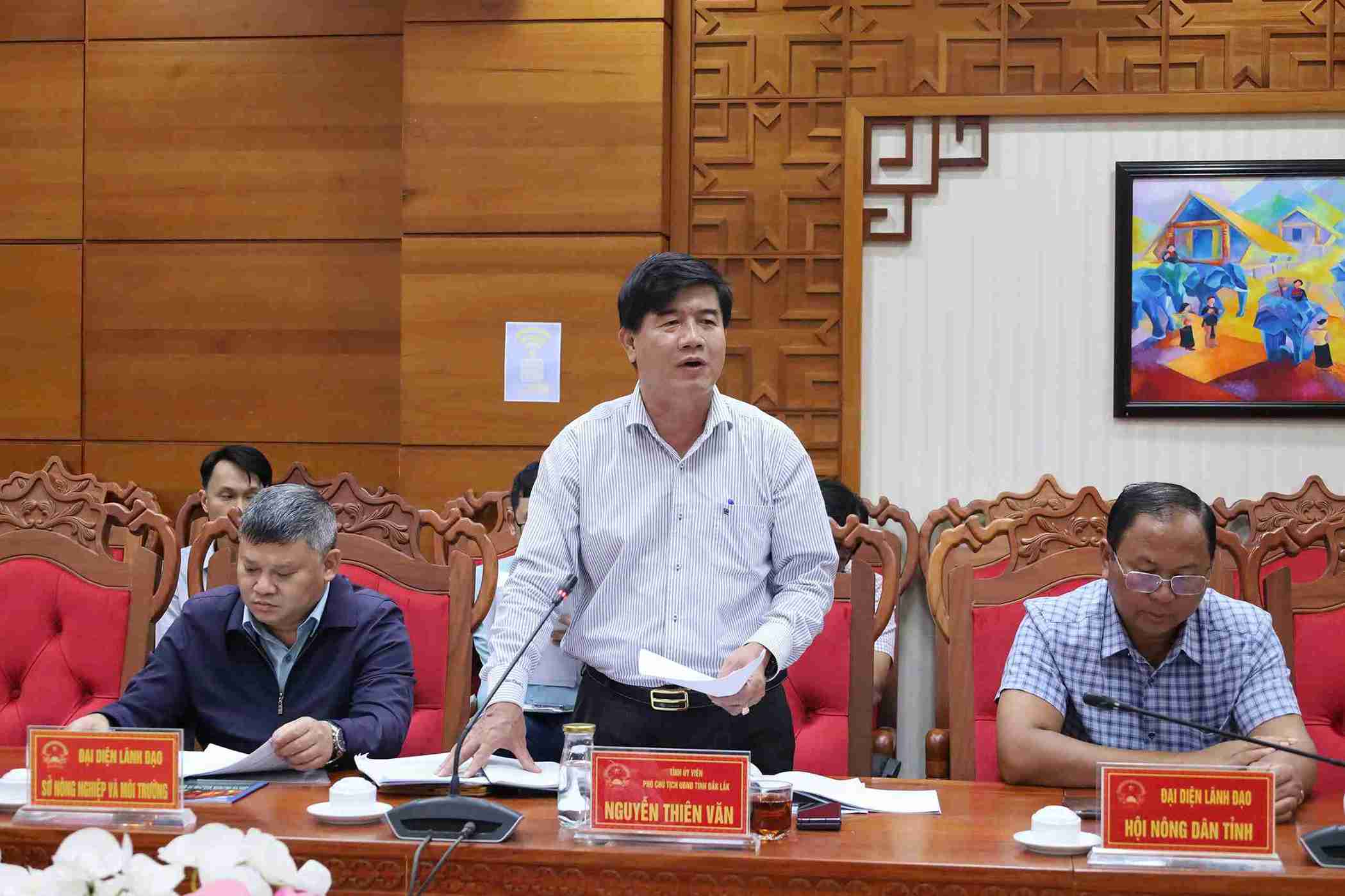
At the conference, delegates focused on discussing and contributing opinions to complete the project dossier, ensuring compliance with the practical conditions of the locality as well as the requirements of international donors.
If approved, this will be one of the pioneering projects in Vietnam to apply a climate risk activation mechanism to respond to losses and damage caused by climate change, contributing to improving the community's resilience to increasingly extreme weather phenomena.