Admire Tran Hung Dao Temple by the Bach Dang River in Quang Ninh
Nguyễn Huệ |
Quang Ninh - Tran Hung Dao Temple is a memorial relic of national hero, military genius Hung Dao Dai Vuong Tran Quoc Tuan.
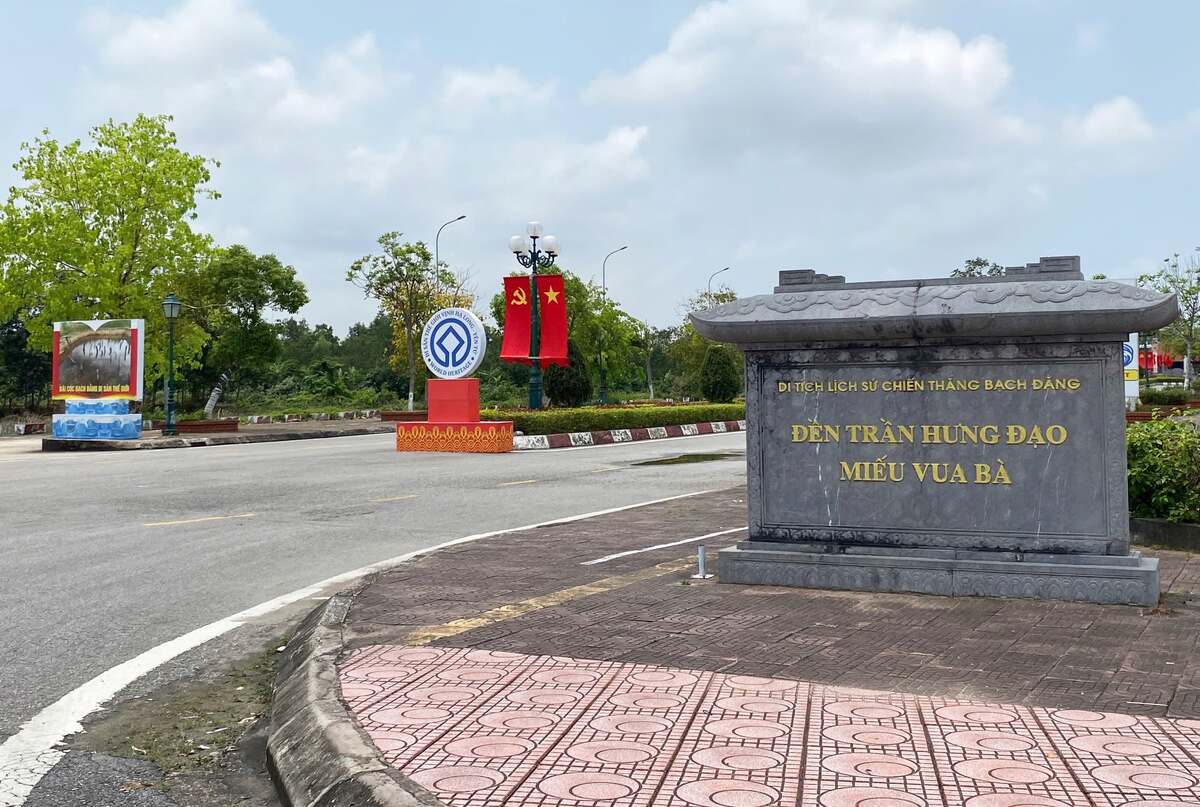
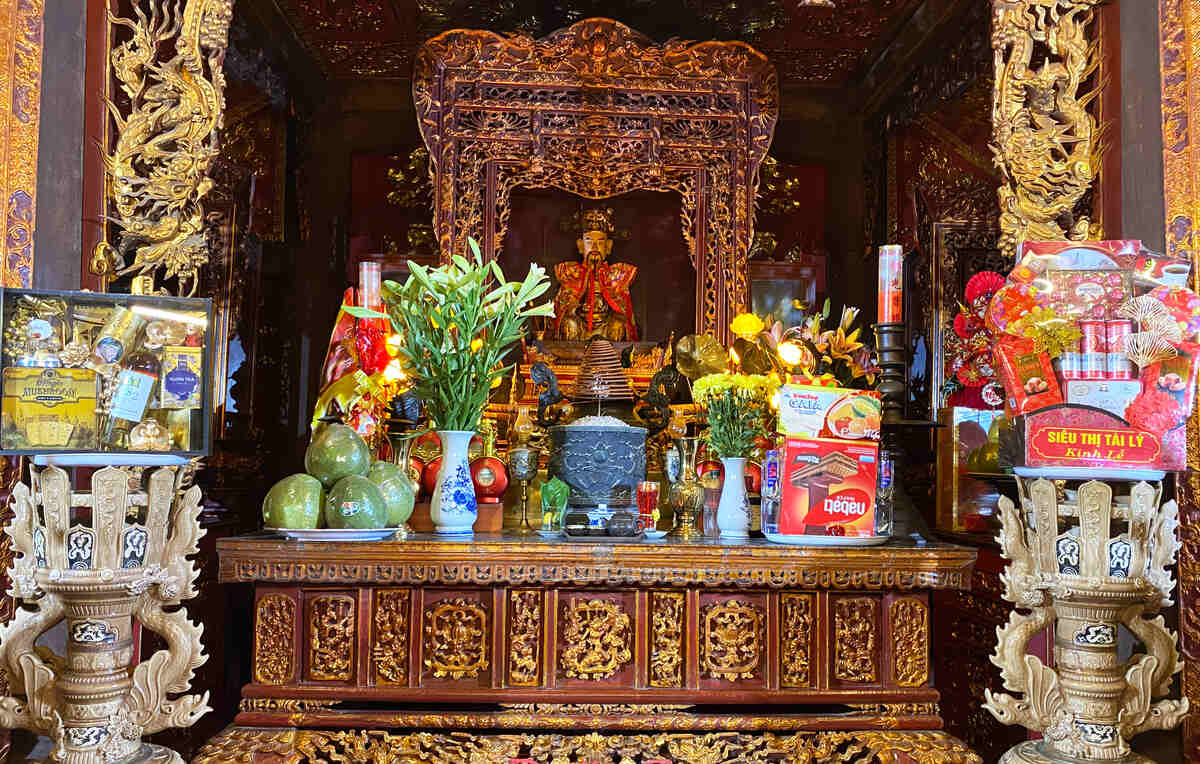
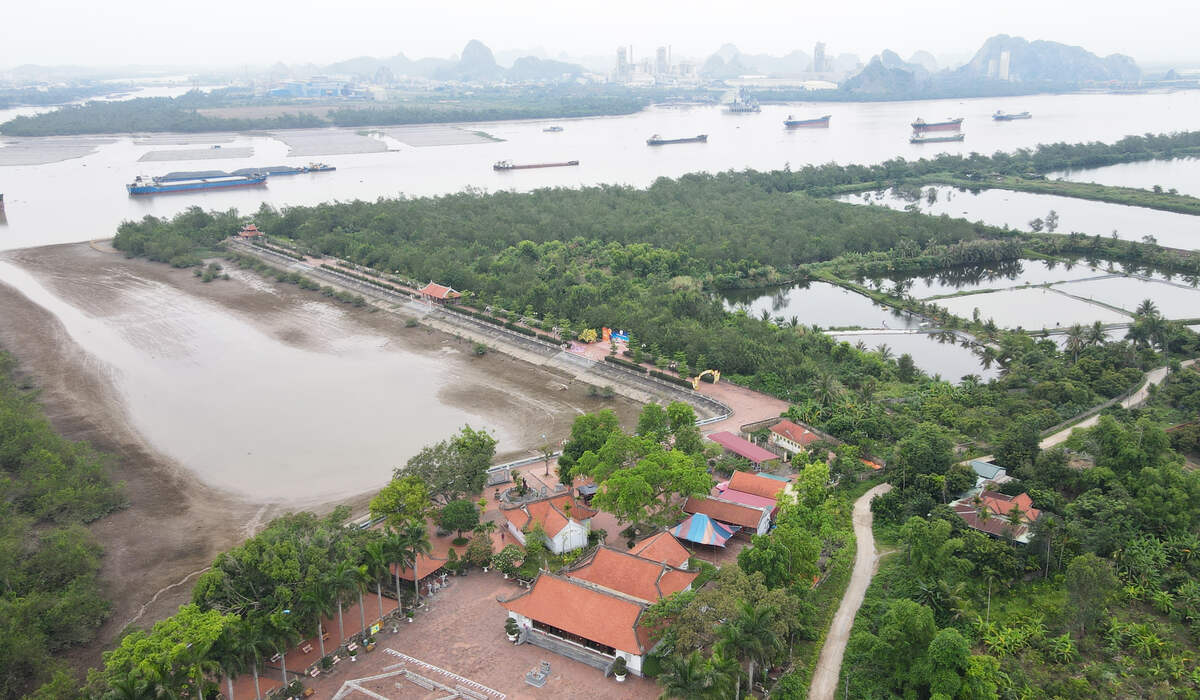
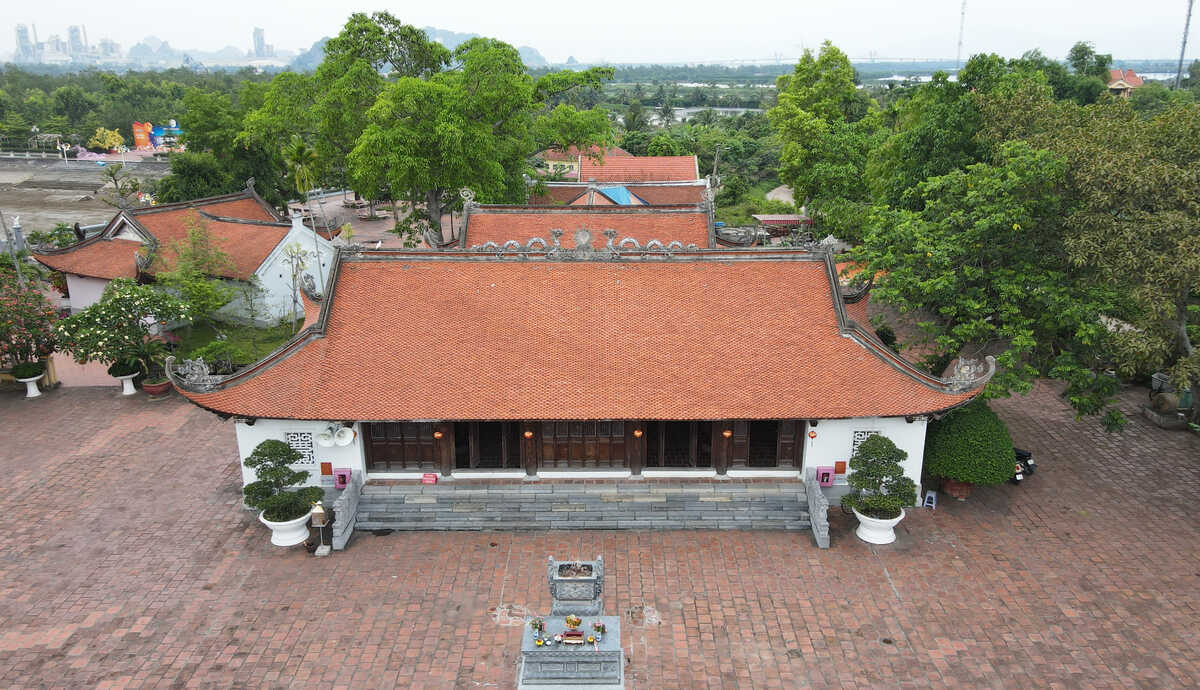
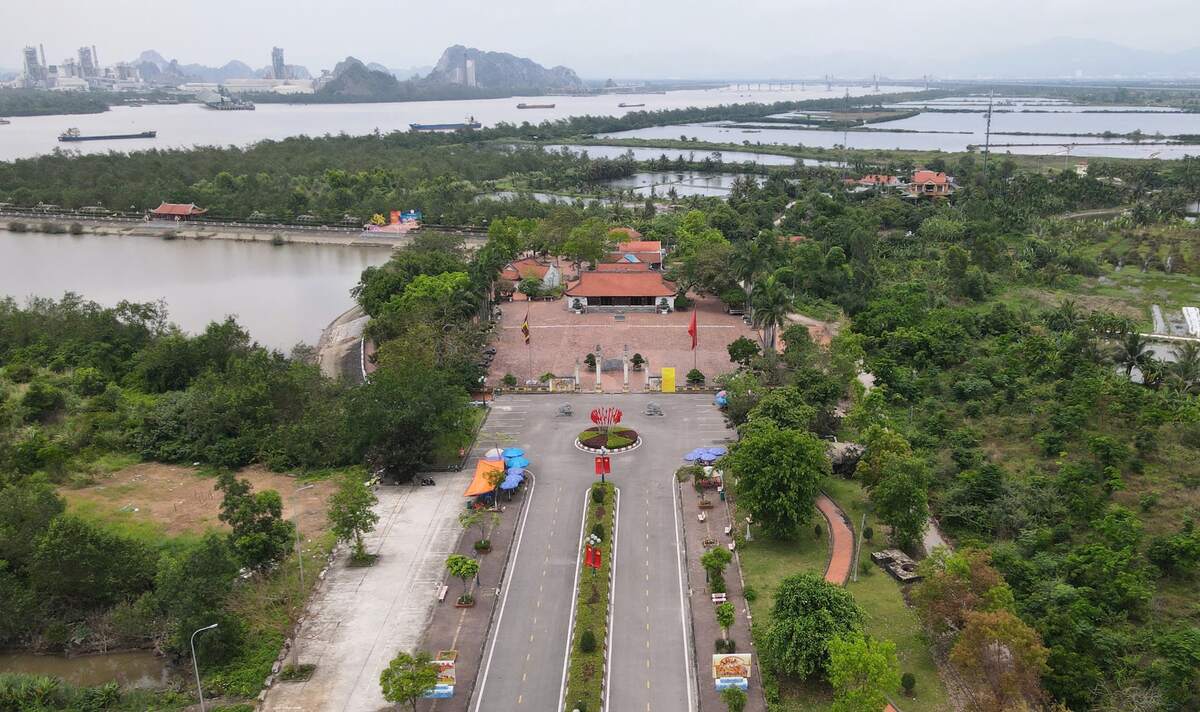
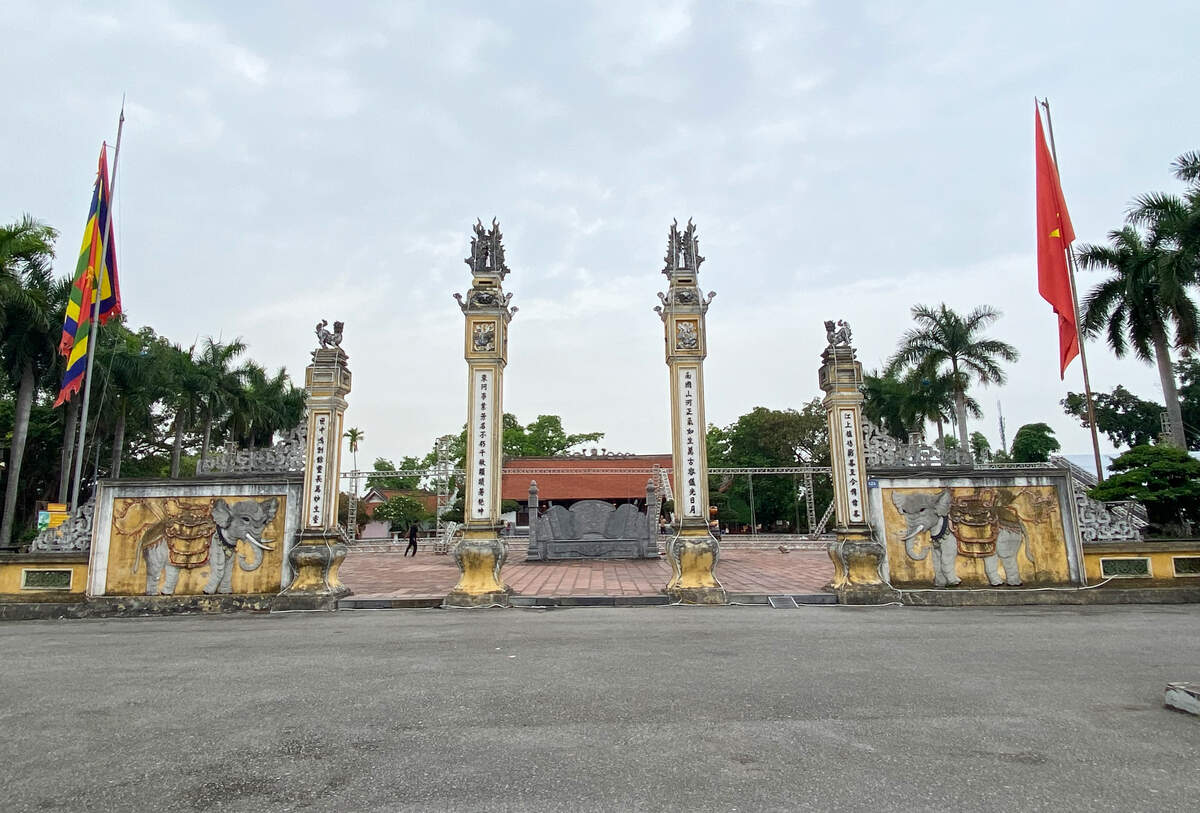
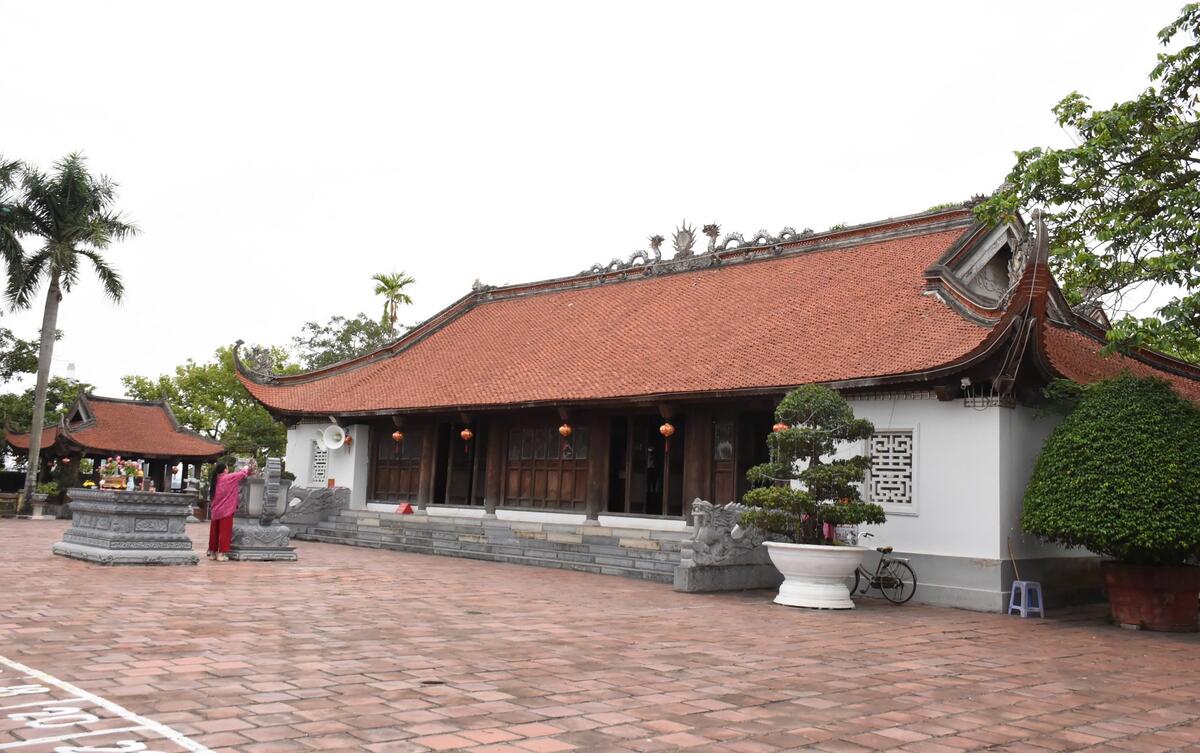
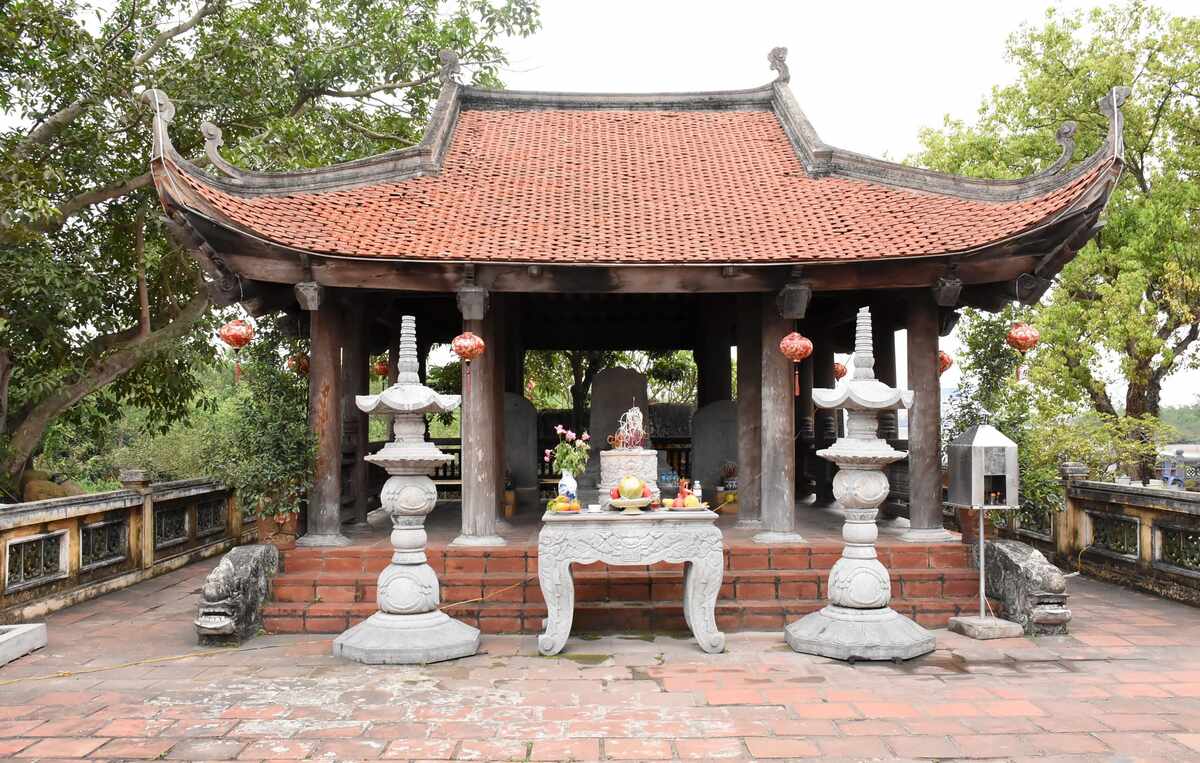
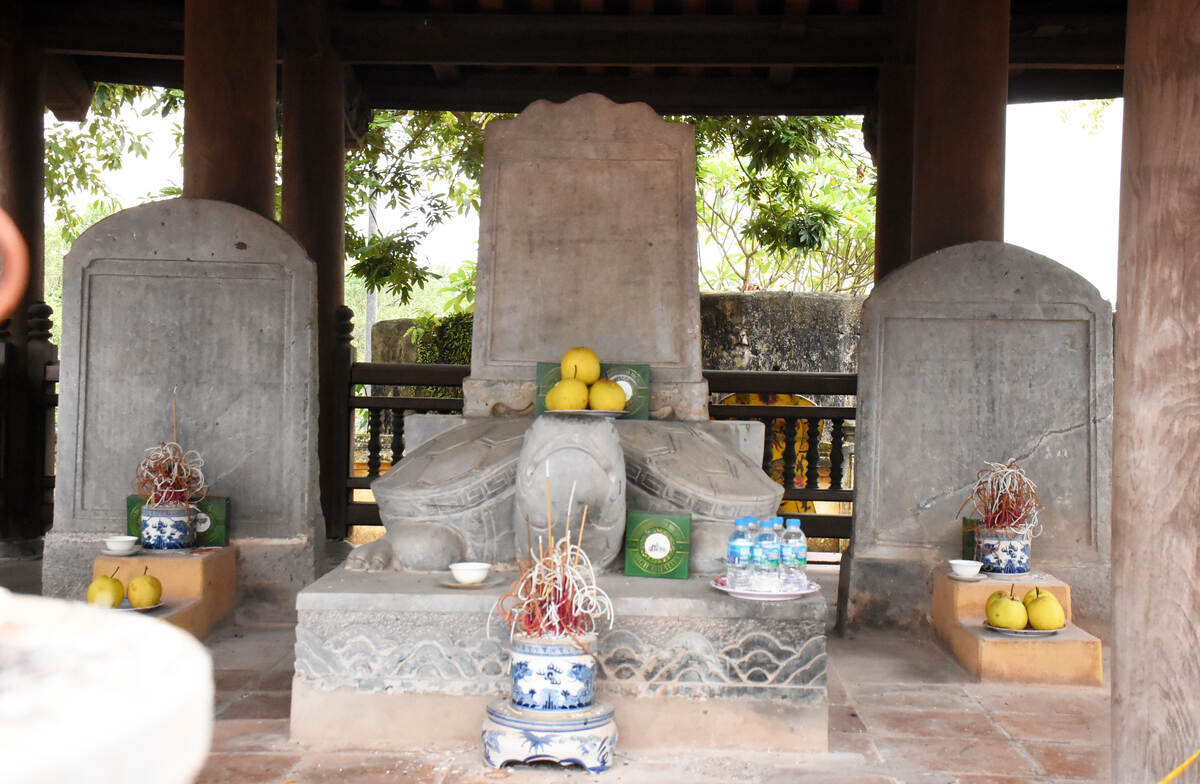
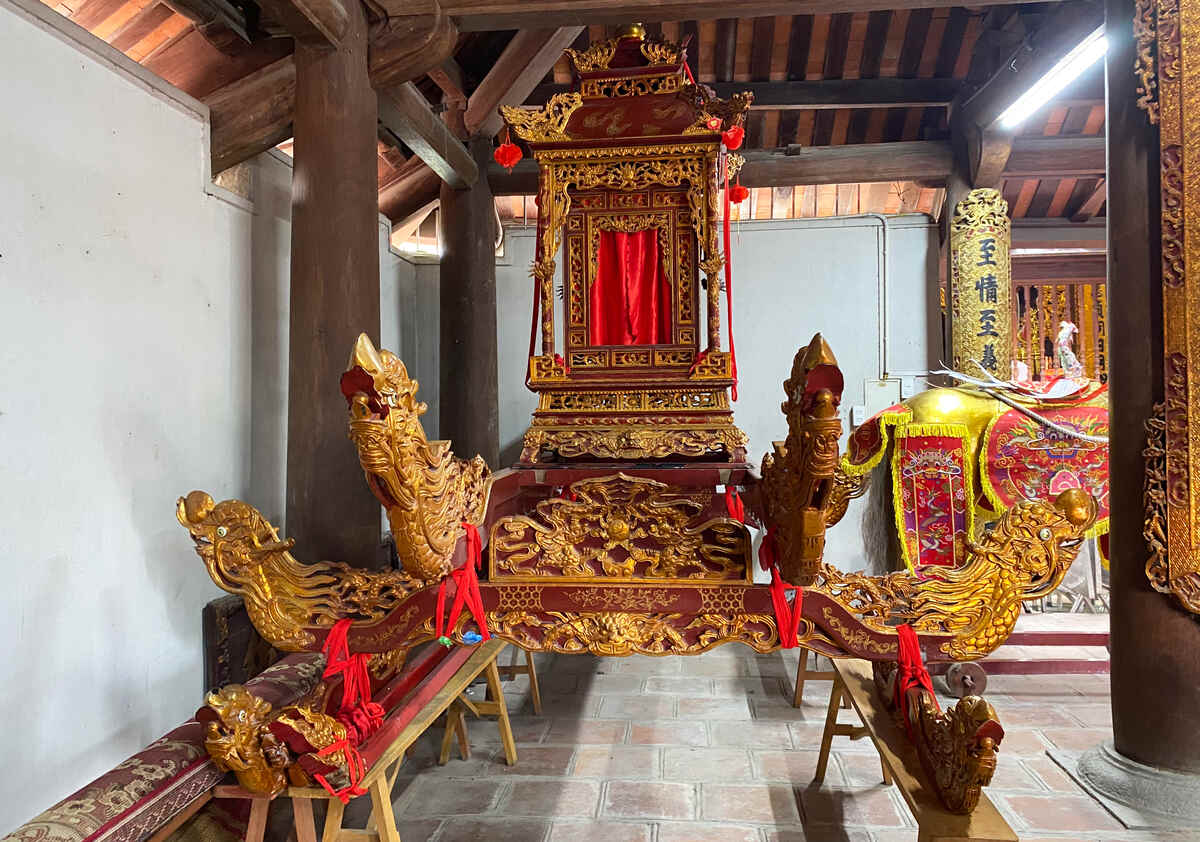
Tran Hung Dao Temple in Quang Ninh is located in the Bach Dang Special National Relic Site. This is a relic commemorating the glorious event in the history of fighting foreign invaders of our nation - Bach Dang Great Victory in 1288.The temple has the initial name "Bach Dang Linh Tu" (Bach Dang sacred temple), people often call it Tran Hung Dao Temple. Tran Hung Dao Temple was built by the people to worship National Hero Quoc Cong Tiet Che Hung Dao Dai Vuong Tran Quoc Tuan. In addition to the main deity of the temple, to commemorate the merits of giving birth and nurturing Tran Quoc Tuan, the people also worship Vuong Phu, Vuong Mau (father, mother of Tran Quoc Tuan), and his two daughters, De Nhat Vuong Co and De Nhi Vuong Co.The temple is located on an ancient embankment. To the west, it borders Vua Ba Temple, an ancient Quach tree, an ancient forest ferry wharf and Bach Dang River. This is the center of the Bach Dang Victory Relic Site in 1288.On October 15, 1998, Quang Ninh Provincial People's Committee issued a decision approving the planning for conservation and restoration of Bach Dang relic, including Tran Hung Dao temple. In 2002-2003, the temple was invested in large and spacious restoration as it is today with state budget and socialized sources. Construction works include the main temple, stele house, ceremonial preparation house and auxiliary works such as entrance roads, nghi mon pillars, gardens, stages, lighting, fences... with a campus of more than 5,000m2, total cost of more than 4 billion VND.Coming to Tran Hung Dao Temple, the first thing tourists and Buddhists feel here is the vast, airy, quiet and solemn space, commensurate with the stature and value of the relic. Outside the temple gate is a large flat land area, with stone steles guiding and introducing the relic and a straight asphalt-paved double road into the temple.The temple gate is a massive nghi mon pillar graph soaring high. The middle gate is 3.56m wide, the two side gates are 2.63m wide. The pillars are built in square shape, on the heads of the two middle pillars are embossed reliefs of the four dragons. The two lower pillars are embossed with nghê chầu. The stern of the pillars is embossed with many decorative patterns. The walls on both sides of the pillars are embossed with images of two elephants and decorative patterns of kỷ hà. In front of the nghi mon gate, there are a pair of stone elephants worshiping and reversing. The body of the pillar is embossed with 4 pairs of parallel sentences, praising Saint Tran.The main temple is facing south, with a "dinh"-shaped architecture, including the front hall, the worship hall and the rear palace.On the right side of the temple is the stele house, built and restored at the same time as the main temple, facing east. The stele house foundation is 60cm high, with 3 steps paved with restored square bricks, on both sides of the steps there are a pair of blue stone dragons. The stele house architecture is in the style of the communal house, with 4 curved roofs, tiled with geodetic nose tiles. Because the beams are in the style of gongs piled on bamboo, nhị, carved with winding patterns. The railing leans against the bars. All are made of ironwood with a total of 16 wooden columns.Inside the stele house, there are 3 blue stone steles. Among them, the stele "Bach Dang Linh Tu Bia Ky" (Bach Dang Temple stele memorial), made in Bao Dai's 17th year (1942), records the year of the relocation of Tran Hung Dao Temple from Rung village to its current location. The stele "Tu Ly Hung Cong" (Hung Cong stele), made in Bao Dai's 17th year (1942) and the stele "Thap Phuong Cong Duc Bi" (Cong Duc stele) do not record the year of making the stele, but record the names of people in Yen Hung commune who offered rice fields and money for repairing Tran Hung Dao Temple and Vua Ba temple.The temple preserves 9 imperial decrees of the Nguyen Dynasty kings, and the bat cong palanquin set.