
The National Special Relic Complex of Phu Dong Temple is a worship space associated with Saint Giong - one of the "Four Immortals" of Vietnamese folk beliefs. This place carries deep spiritual values and preserves a rich architectural and artifact system over many centuries.
The center of the complex is Thuong Temple - the main place of worship for Saint Giong. According to documents at the relic, the work originated from a small shrine from the time of Hung Vuong the 6th, which was later restored and named in 1010 under King Ly Cong Uan. Through many restorations, especially in the 17th - 18th centuries, the temple bears a strong architectural imprint of the Le Dynasty.
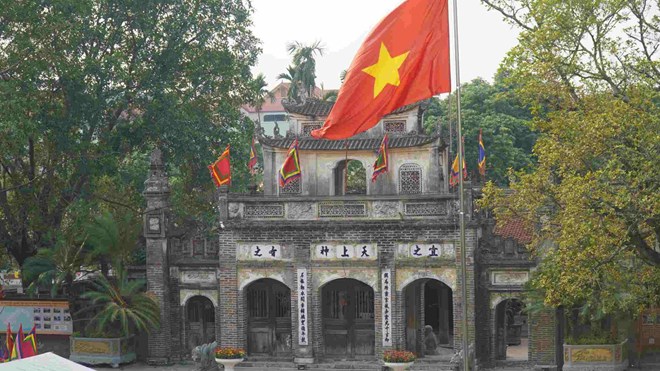
The complete layout with Nghi Mon, Phuong Dinh, Tien Te, Trung Te and Hau Cung creates a solemn worship space. Prominent are a pair of stone dragons and stone lions dating back to 1705 along with a large-scale worship system, in which the 3m high statue of Saint Giong is placed in the center.
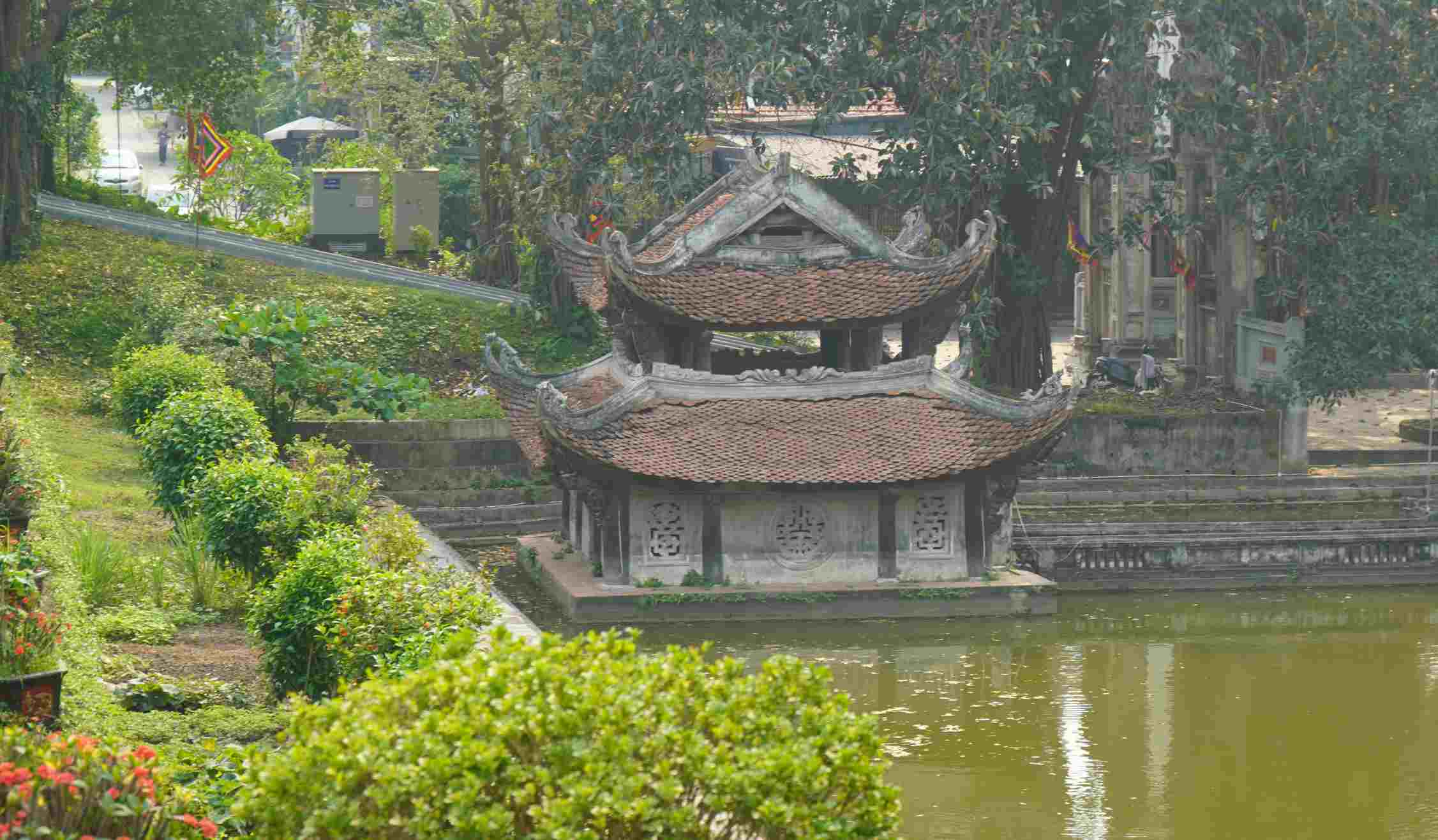
The space in front of the temple is dotted with the Thuy Dinh on the lake surface, contributing to creating a harmonious landscape and evoking a traditional festival atmosphere. Besides its architectural value, the temple also preserves 37 imperial decrees and many steles from the Le Dynasty, becoming a valuable source of historical and religious research.
Not far from there is Ha Temple (Khanh Quang Dien) - the place to worship Saint Mother. Separating the worship space from the late 17th century shows the respect for the role of mothers in Vietnamese cultural traditions.
The project is large-scale, located on a land shape likened to a dragon embracing, with a balanced architectural system. Many artifacts such as bronze bells, bronze ceremonial altars and imperial decrees from the Le Hy Tong period to the Duy Tan period are still preserved at the relic.
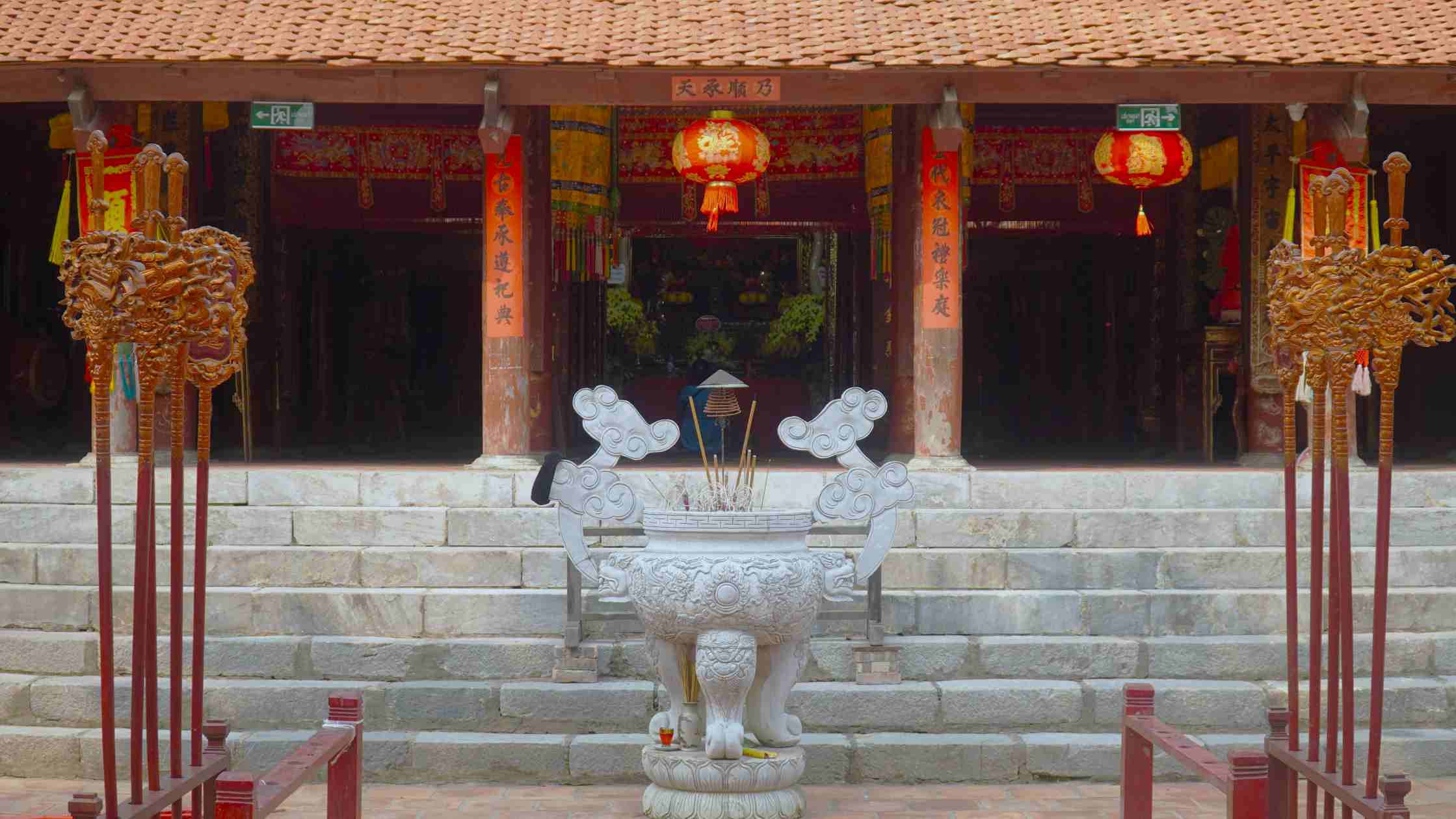
In particular, the festival takes place on February 21st of the lunar calendar every year, with the procession ceremony of the Holy Mother and the "Phung Nheng" procession festival, which is a unique community cultural activity.
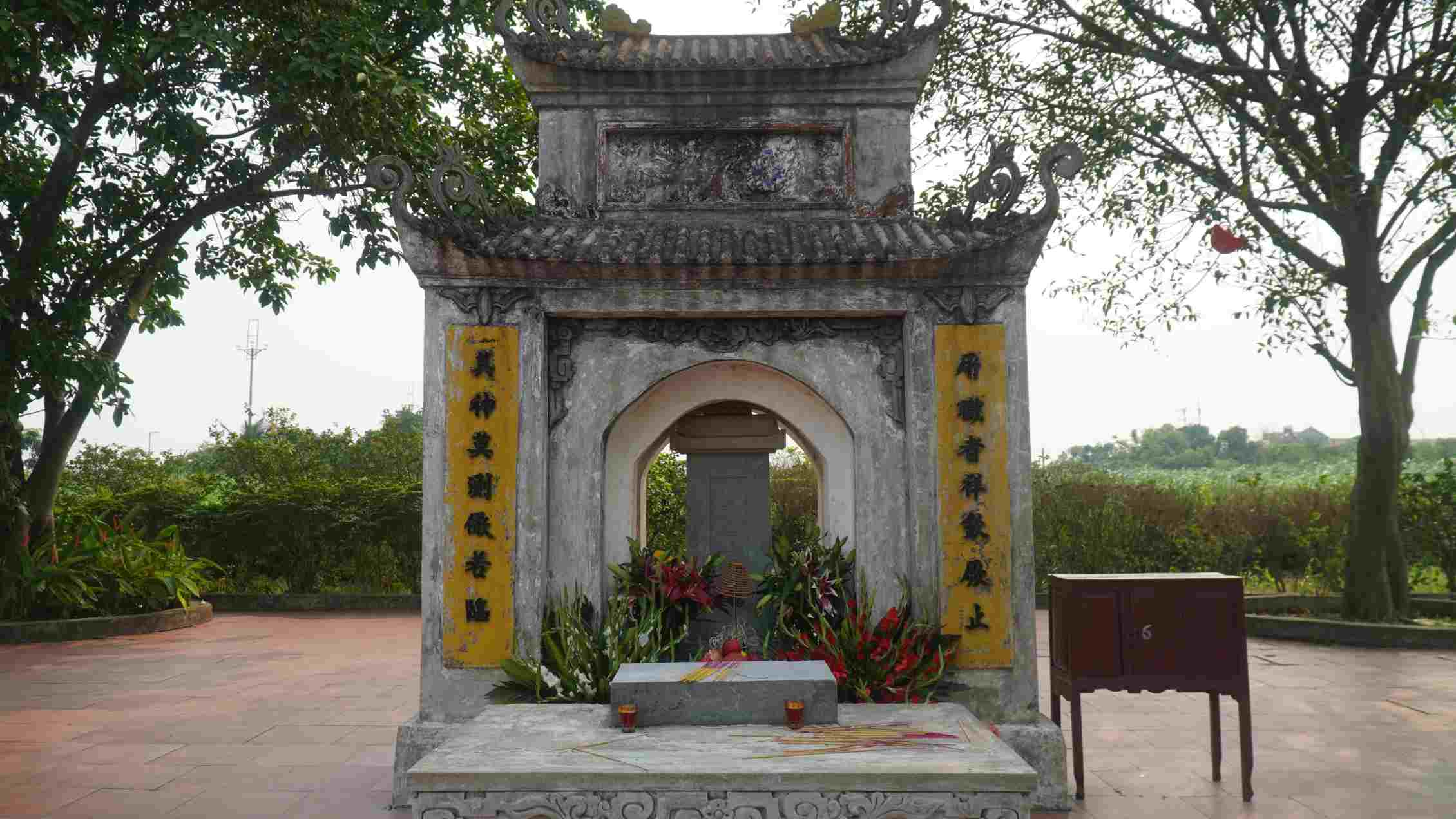
Following is Co Vien - a place associated with the legend of the birth of Saint Giong. The ancient garden space with the "Incense Tree" temple and the ancient stone stele marking the residence of Saint Mau contributes to livening up folk stories, expressing the belief and rich imagination of ancient Vietnamese people.
The overall relic is not only a place of worship but also a "living museum" of history and culture. Here, tangible and intangible values are intertwined, typically Giong festival, a major festival of the Northern Delta region that has been recognized by UNESCO. Over time, Phu Dong Temple still retains its sacred beauty, becoming a destination contributing to nurturing awareness of origin and national identity.


