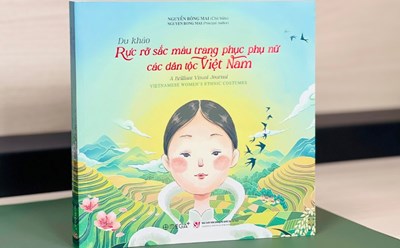
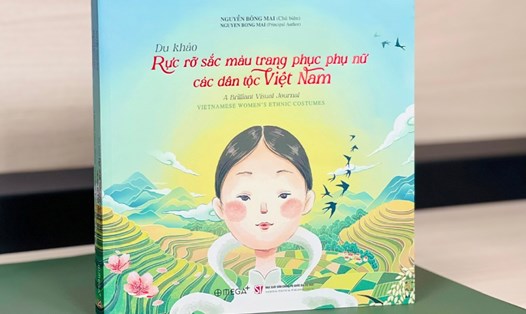
Amidst the changing pace of life, the traditional costumes of the Van Kieu and Pa Ko people are no longer confined to festivals but are gradually appearing in daily life. That change does not fade the identity, but becomes a motivation for artisans to create and enhance the value of products.
From ancient times, the costumes of the Van Kieu and Pa Ko people were quite simple, mainly made from tree bark to cover the body. Over time, when they learned to weave fabric, they created dresses and clothes imbued with cultural imprints, with patterns reflecting life, beliefs and relationships with nature.
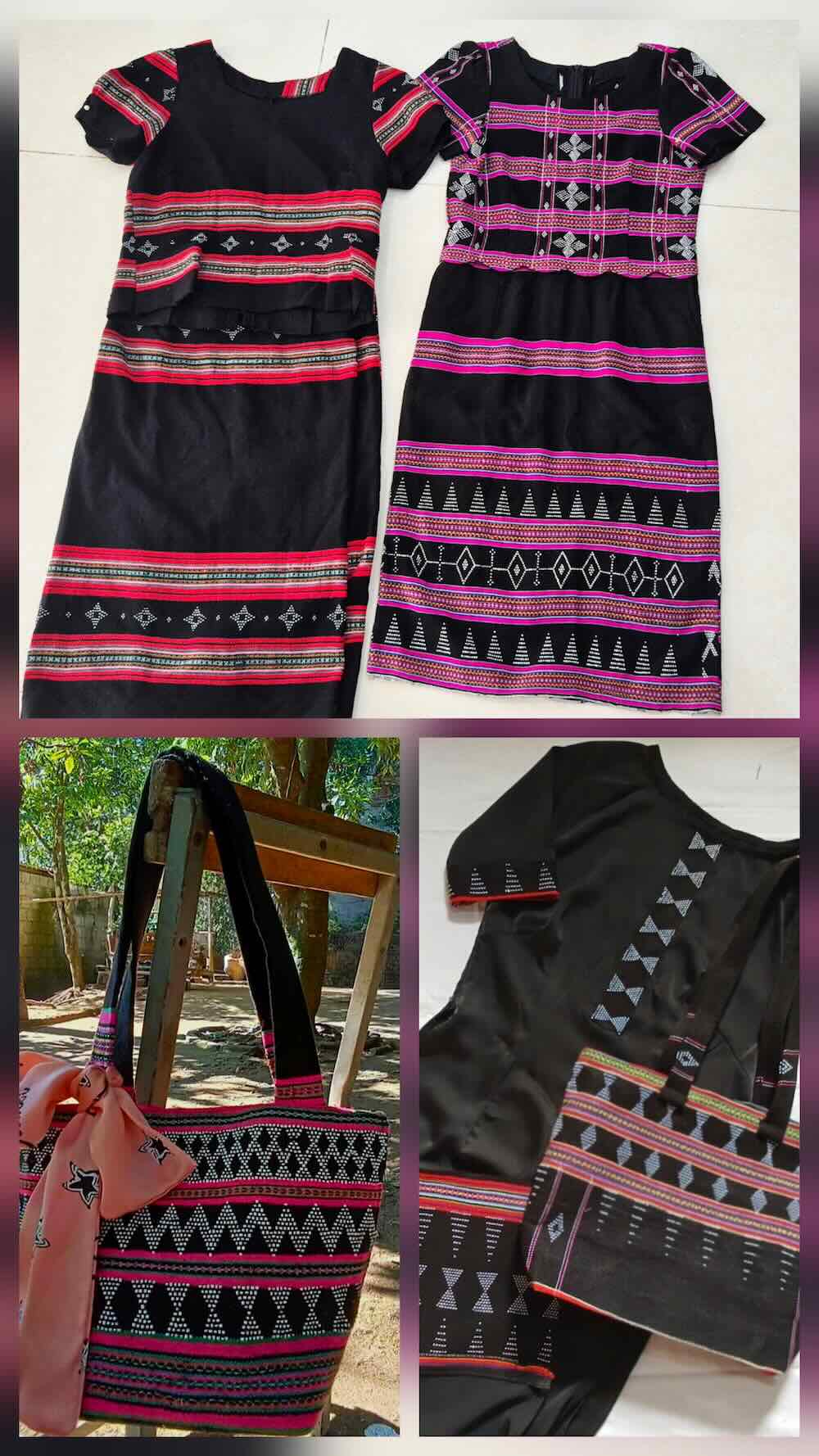
Today, at the A Bung brocade weaving group (La Lay commune, Quang Tri province), preserving traditional crafts is always going hand in hand with innovation. Members constantly learn, search for designs, and combine new materials such as cotton to create softer and easier-to-wear products. Thanks to that, costumes are not only beautiful but also suitable for many uses.
Ms. Ho Thi Nghim, in charge of the weaving team, said that accessing textile and garment models in other localities, along with support from projects, has helped women improve their skills. "Customers now like products that are both traditional and convenient. We have to change to meet needs, but still maintain our identity," she said.
Not only women, many male artisans also contribute to renewing traditional costumes. Mr. Ho Van Hoi (Khe Sanh commune) is one of the few people still attached to the brocade weaving profession. He believes that the most important innovation is to help costumes fit the wearer's figure. "I measure directly, adjust the design to make the outfit neater and more beautiful, but the patterns remain the same. That is something that cannot be changed," he shared.
From the user's perspective, Ms. Ho Thi Thoi - a national language radio editor often chooses innovative costumes when appearing on television. According to her, traditional costumes in the past were sometimes limited in style, causing inconvenience when wearing. "New designs are both beautiful and comfortable but still true to their identity, so they are very suitable for work," she said.
Meanwhile, teacher Ho Thi Tu - Principal of Huong Hoa Ethnic Minority Boarding School chose to combine tradition and modernity. The ao dai or brocade dresses are custom-made by her, mixing materials to suit the working environment. "Every time I wear traditional costumes, I feel very proud. Innovation is necessary, but it must be based on a cultural foundation," she shared.
Adding to the perspective of the young generation, Ho Van Nam (11th grade student, Huong Phung commune) said that he is increasingly fond of ethnic costumes when they are designed more modernly. "Previously, we rarely wore them because we found them inconvenient, but now there are many new beautiful, easy-to-wear designs, so I often choose them during school holidays," Nam said.
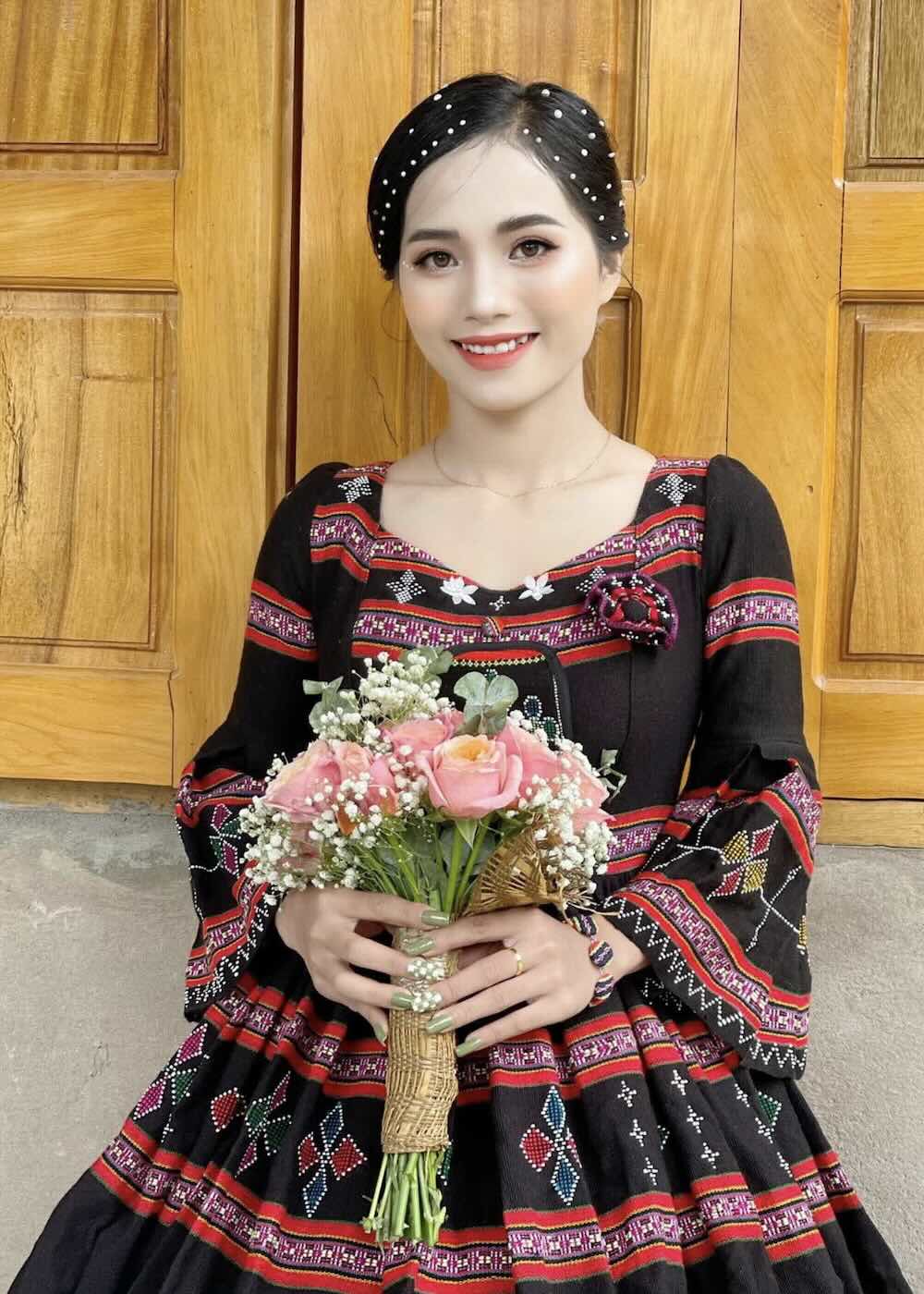
Reality shows that when traditional costumes are "renovated" properly, the value of products is also enhanced. Innovative brocade products are not only selling better but also opening up directions for economic development for local people.
However, according to artisans, the boundary between creativity and losing identity is very fragile. Changing the style and material is necessary, but traditional patterns must be preserved, because that is the "cultural language" of each ethnic group.
Van Kieu and Pa Ko costumes are therefore not only clothes, but also living cultural symbols. On the journey of integration, professionals are still steadfast in the principle: innovate to adapt, but not lose their roots.
Integration but not disintegration" that is how the people here preserve their identity amidst the current of modernity.