
Mentioning Ca Mau, many people will immediately think of a land famous for its rich seafood resources, along with a cuisine imbued with the riverine region.
Speaking of the specialties of this land, we cannot ignore crab - a famous seafood with firm, fragrant meat, natural sweetness and characteristic fatty brick layer.
Ca Mau crabs are mainly intercropped in shrimp ponds and mangrove forests. This seafood is processed into many delicious and attractive dishes such as steamed crabs, tamarind-roasted crabs, salt-roasted crabs, crab salad with water spinach.
Besides, crab noodle soup is also a specialty highly appreciated by many diners when enjoying it.
Ms. Bao Khanh (40 years old), owner of a crab noodle soup shop in Ca Mau, said that the secret to creating the appeal of the dish lies in the harmonious combination of fresh ingredients, rich broth and just right seasoning.
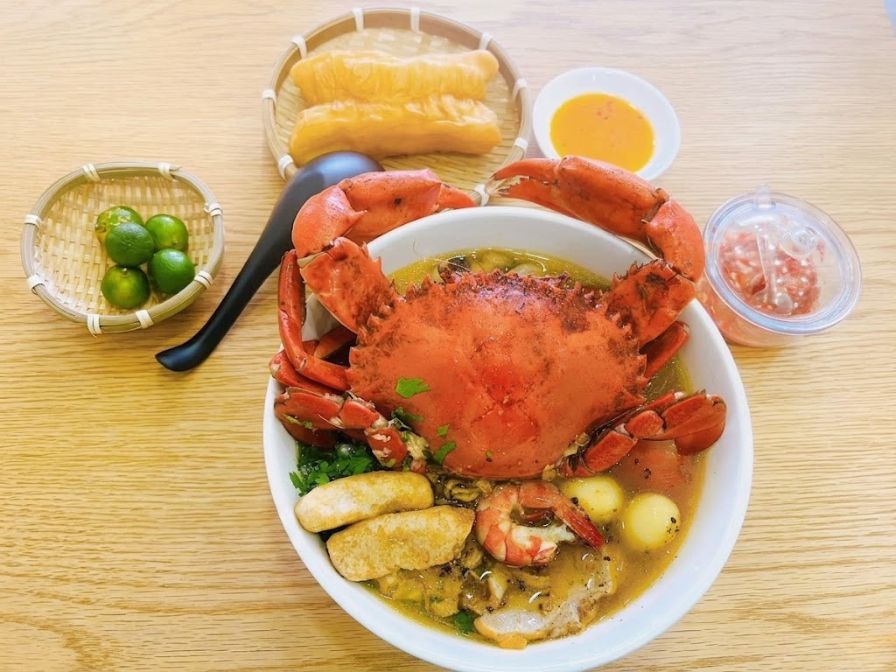
A basic bowl of banh canh includes main ingredients such as crab meat, shrimp, spring rolls, meat, blood, quail eggs and banh canh.
The restaurant owner shared: "To prepare the dish, I choose delicious crabs, with firm and sweet meat. The crab meat after preliminary processing and peeling will be shredded, seasoned lightly and then stir-fried briefly to maintain the aroma and enhance the rich flavor.
The shrimp used in the banh canh must be fresh shrimp, with firm meat and still retaining the head for easy quality control.
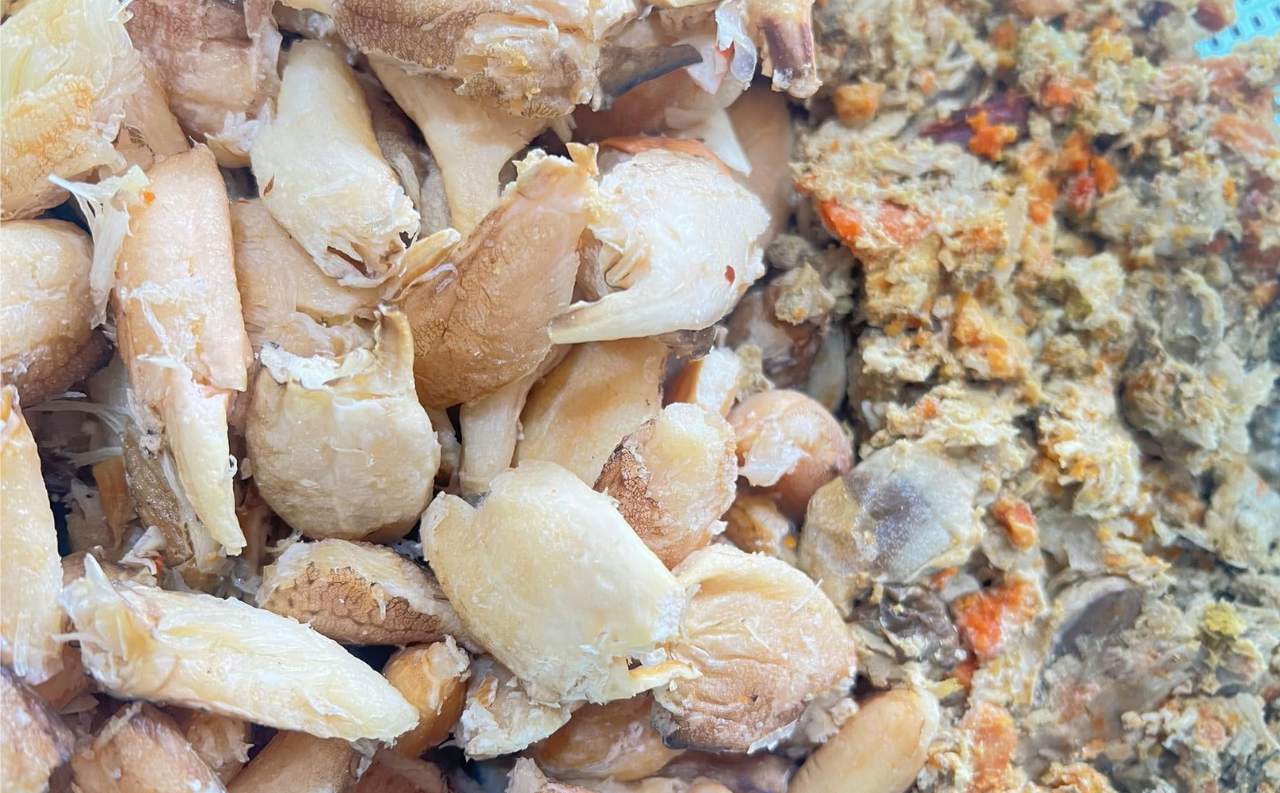
Besides the ingredient selection stage, the broth is considered the most important stage in the processing of crab noodle soup.
According to Ms. Khanh, the broth is cooked from bones and crab. The bones are simmered for about 3-4 hours to release all the natural sweetness, then filter out the broth before seasoning.
To create attractive colors and increase the aroma of the dish, Ms. Khanh uses more caramel color in the process of cooking broth.
Instead of using granulated sugar, she chooses rock sugar to create sweetness. According to her, rock sugar helps the broth have a sweet, harmonious and easier-to-eat taste, and at the same time does not create a strong sweet feeling.
Meanwhile, the banh canh noodles are made from a combination of rice flour and filtered flour, creating softness but still retaining the characteristic chewiness. The processor also adds a small amount of tapioca starch to make the broth slightly thicker, suitable for the taste of local people.
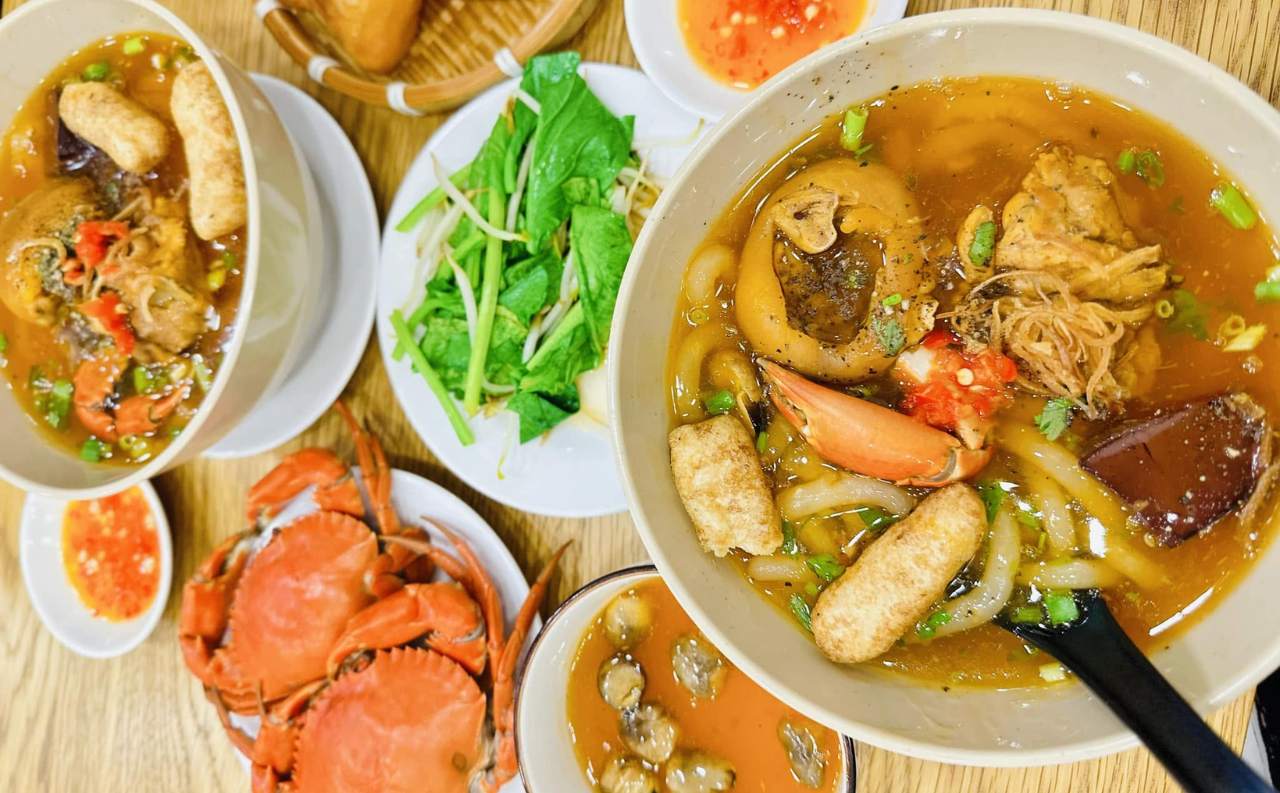
When finished, banh canh is put in a bowl with the ingredients, then poured with hot broth. The finished product is a bowl of hot banh canh with eye-catching orange-yellow broth, with a slight thickness.
When enjoying, diners can feel the sweetness from the broth stewed from sea crab and bones for many hours. The flavor of crab, shrimp and accompanying ingredients blend together, creating a characteristic richness but not too greasy.
The banh canh noodles are soft and moderately chewy, evenly absorbing the broth, contributing to making the dish even more flavorful. Many diners often use it with salty fish sauce and a few slices of fresh chili to increase the richness and attractiveness of the dish.


