
Xá bấu is actually white radish that is salted and then dried many times. Thanks to this process, the radish turns dark brown, has a characteristic crisp texture and a rich salty taste.
Not only a dish, *xá bấu* was also once a "savings" for many rural families, especially during the rainy and flood seasons.
The name "xa bau" originated from the Trieu Chau (chai pou) language, meaning pickled radish. Over time, the way of reading has been Vietnamized by the people of the Mekong Delta and becomes as familiar as it is today.
Many Northern tourists when coming to the Mekong Delta have to listen back a few times, laughing and slowly spelling the two words "xa - bau" to avoid confusion.
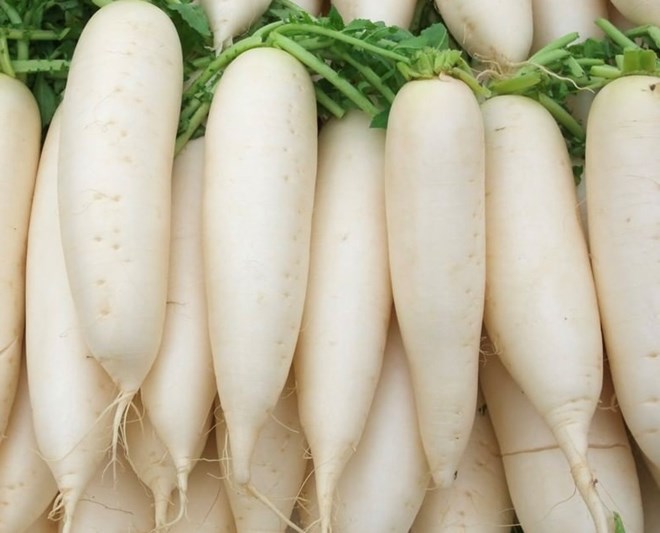
According to local people, xa bau appears commonly in many western provinces such as old Soc Trang (now Can Tho), Bac Lieu (now Ca Mau)... This is a familiar dish in family meals, simple but brings rice.
Depending on the taste of each place, *xá bấu* can retain its traditional salty taste or be transformed into a sweet taste. Many families also braise *xá bấu* with sugar, creating a harmonious and easier-to-eat flavor.
Before processing, the *xá bấu* is usually cut into small pieces, washed with salt and then squeezed dry. From there, this ingredient can be used directly or processed into many different dishes.
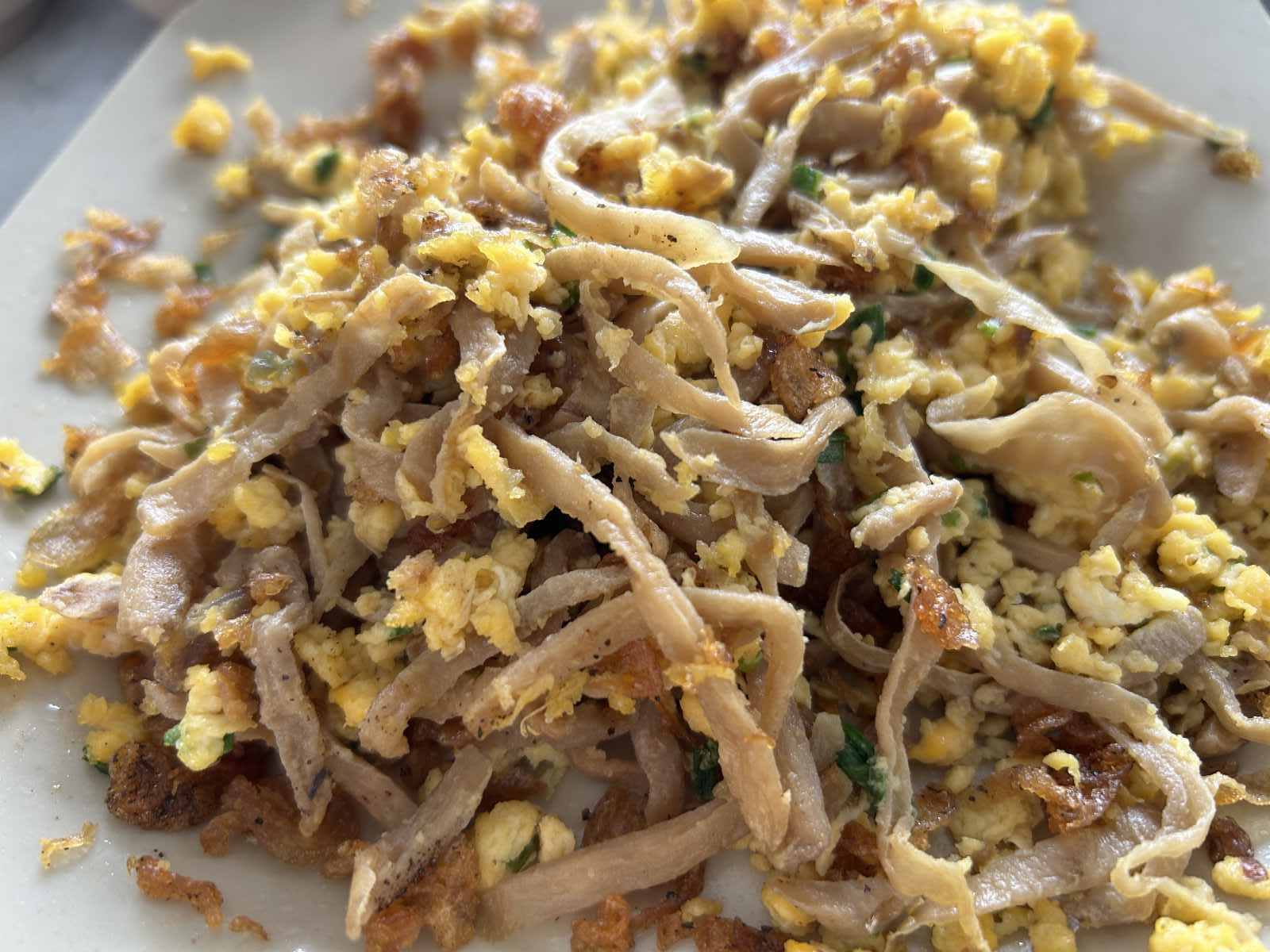
People in the Mekong Delta do not see Xa Bau as a "independent" dish, but often flexibly combine it in many familiar dishes. From everyday meals to death anniversary and Tet feasts, Xa Bau has its own way of appearing, simple but familiar.
The most prominent is the egg stir-fried *xá bấu* dish. Only a few simple ingredients but it creates a very "pick-up" flavor. The mild saltiness of *xá bấu* blends with the fatty taste of eggs, eaten with hot white rice is enough flavor for a true rural meal.


