
According to the National Center for Hydro-Meteorological Forecasting, the weather across the country has many changes due to the impact of a strong cold air wave from January 18 to January 25, 2026.
From January 21, the weather forecast for the North is likely to turn severely cold, while the Central region will experience rain in some places.
In the Northern region, in the two days of January 18 and 19, the weather is generally rainless, light fog in the early morning, sunny at noon and in the afternoon. Cold at night and early morning. From the afternoon of January 20 to January 21, when the northeast monsoon strengthens strongly, rain may appear in this area, the temperature will decrease rapidly.
From January 21st to 25th, the North is forecast to be likely to experience severe cold, especially in mountainous areas, severe cold in some places.
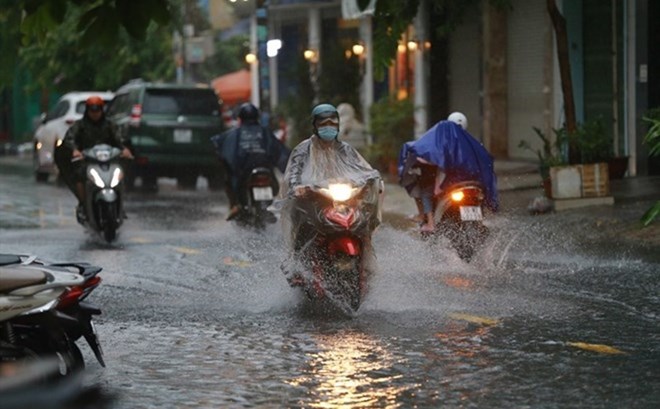
In Hanoi, from January 18 to 20, it will not rain, light fog in the early morning, sunny during the day, cold at night and in the morning. From the afternoon and night of January 20 to January 21, due to the influence of strong northeast monsoon, the city is likely to have rain. In the period from January 21 to 25, Hanoi is at risk of severe cold, the lowest temperature at night is commonly from 11 to 13 degrees C, the highest temperature during the day is about 15 to 17 degrees C.
Weather forecast for the Central region, from January 18 to 20, mainly no rain, sunny during the day; the provinces from Thanh Hoa to Hue city are cold at night and in the morning.
From January 21 to 23, the area from Quang Tri province to Quang Ngai province will have rain, scattered showers. On January 24 and 25, the weather will gradually stabilize, rain will decrease. The area from Thanh Hoa to Hue city will continue to maintain a cold state, with severe cold in some places in the north.
For the Central Highlands and Southern regions, throughout the period from January 18 to 25, the weather generally will be less rainy, sunny during the day, light fog in the early morning; especially the Central Highlands region will be cold at night and in the morning.
The meteorological agency said that in the next month, the average temperature in most areas across the country will generally be close to the multi-year average, and some places may be higher by about 0.5 to 1 degree Celsius.
Although the activity of cold air is assessed to be weaker than the average for many years, prolonged severe cold spells may still appear in the northern mountainous regions, accompanied by the risk of frost and ice.
Tourists with a history of respiratory and cardiovascular diseases or the elderly should limit going out in the early morning and at night, closely monitor weather forecasts to adjust their schedules accordingly.
When traveling by road through mountain passes, it is necessary to pay attention to the risk of slippery road surface due to rain, thick fog and frost, limited visibility, especially in areas such as Cao Bang, Ha Giang, Sa Pa, Mau Son, Tam Dao... Driving at night or early morning needs to be carefully considered to ensure safety.
In addition, strong winds related to cold air are likely to cause large waves at sea, affecting the operation of ships and island tourism.


