Story of the White Lady who gave birth to the village
In the last days of 2025, returning to Du village, Kim Tan commune, Thanh Hoa province, the Tet atmosphere has spread throughout the alleys. People are busy cleaning their houses, preparing feasts, but the story mentioned a lot here is still "The 5-well banyan tree" - a cultural symbol that has existed for hundreds of years.
According to the elders, this area has existed since the time of reclamation and village establishment. The residents of Du village are mainly Muong people, migrating from old Hoa Binh to Thanh Hoa to live. Family genealogy of many clans and folk legends say that about 700 years ago, this land was formed, originating from the merits of a woman called "bà áo trắng" - the founder of the village.
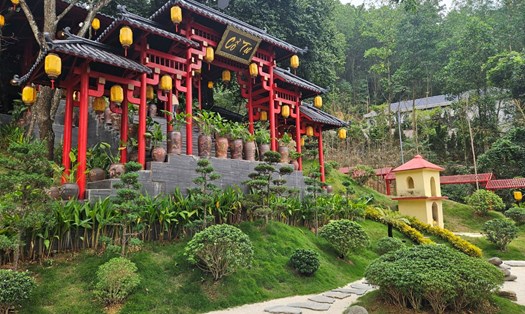
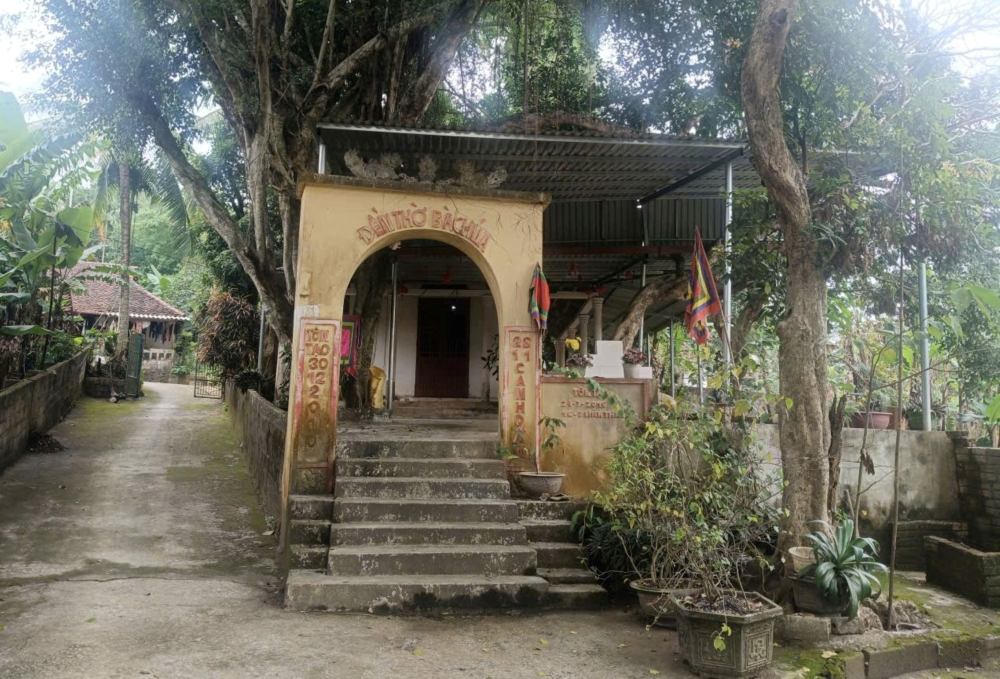
To commemorate that merit, the villagers built a temple a few hundred meters away from the 5-well banyan tree area. Every month, on the full moon day, the 1st day of the lunar month and especially every holiday, Tet, people come to offer incense and show gratitude to their ancestors.
The name Du village (Muong language also known as Tu village) means self-reliance, self-birth. In the early days, the village only had about 10 households. After many historical changes, the village now has more than 300 households living there.
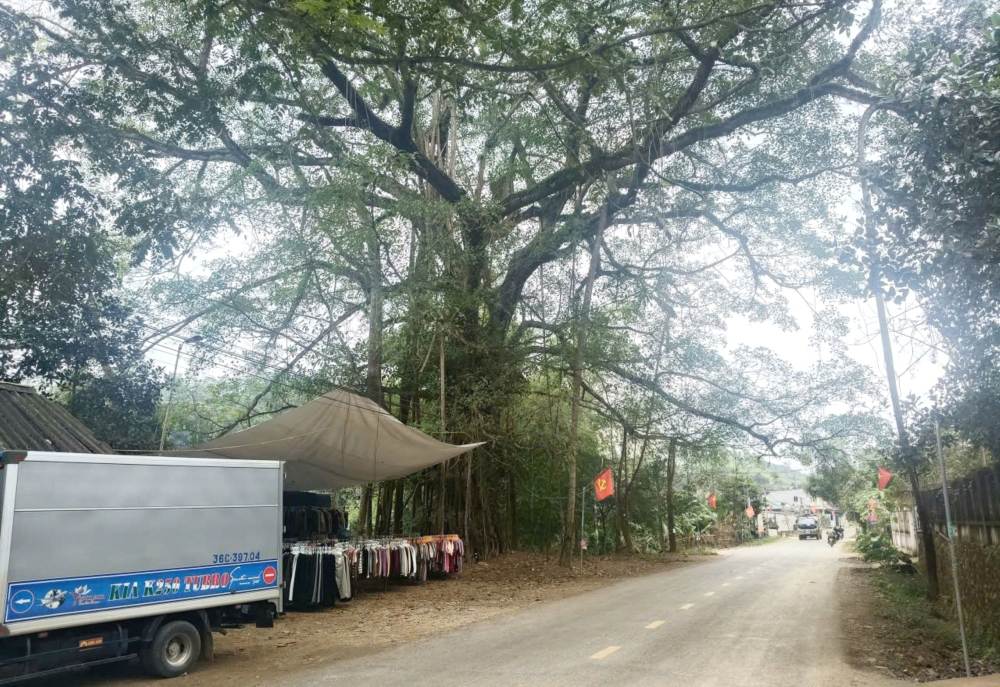
Currently, there are 3 ancient banyan trees in the village, of which 2 are located in the area of 5 wells, and one is about 200 m away. The vast banyan canopies are likened by the people to the "soul of the village". Previously, this was a place for people to rest, chat, children to play, and pedestrians to stop to avoid the sun. The banyan tree is therefore not only shade but also a community memory.
5 wells that never dry up
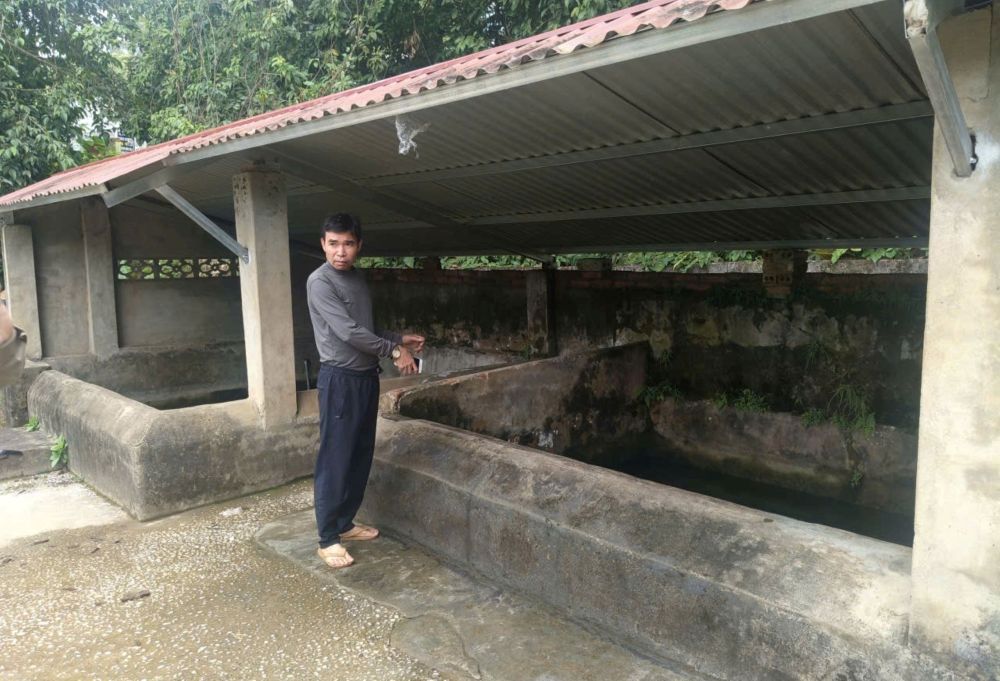
Under the canopy of an ancient banyan tree are 5 wells associated with village life through many generations. According to Mr. Bui Van Ha (49 years old, residing in Du village), in the early days, this place may have just been a natural water source flowing from the foot of the mountain to the field. During the resistance war against France, to serve living needs, people dug and renovated into 5 wells with their own functions.
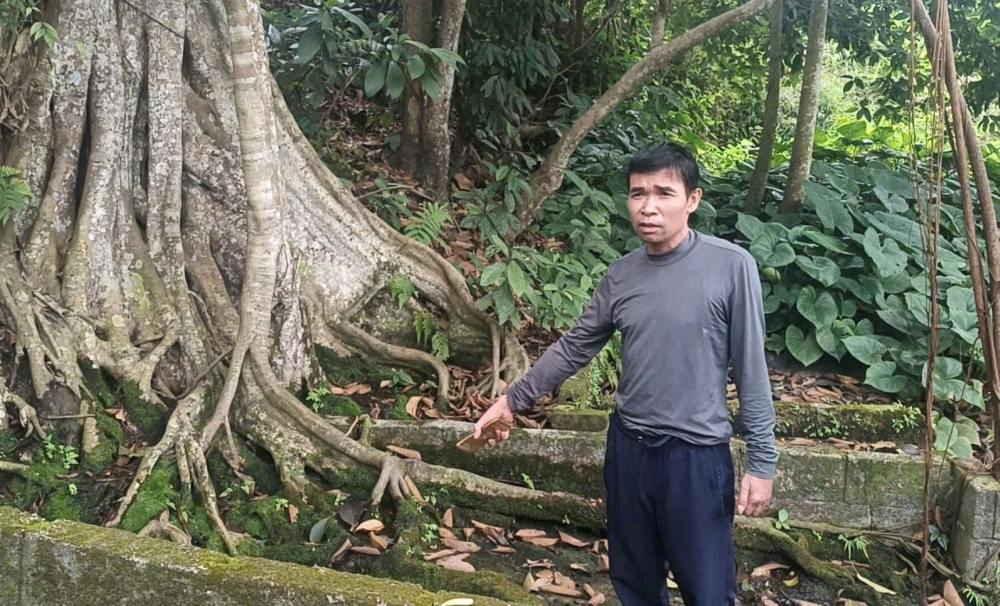
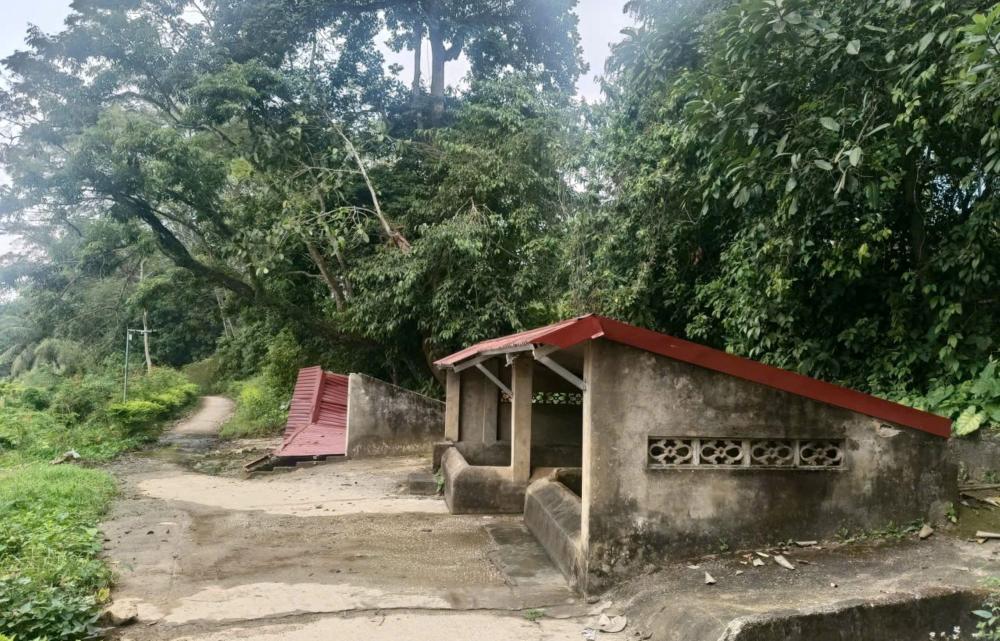
The main well is located in the center, large in size, used to get drinking water. The remaining four wells serve bathing and washing, clearly divided: well for young men, well for old men, well for women and well for elderly women. Each well was once surrounded by bamboo to ensure discreetness.
The use of wells is strictly regulated, becoming a natural lifestyle of the village. At noon and afternoon in summer, people carry water, bathe, and chat excitedly. Students after football play often go to the well to cool off because the water is cool in summer and warm in winter.
What surprises many people is that for hundreds of years, even during droughts, the well has never run out of water. People believe that the water source here "has heaven's blessings", is fresh and sweet.
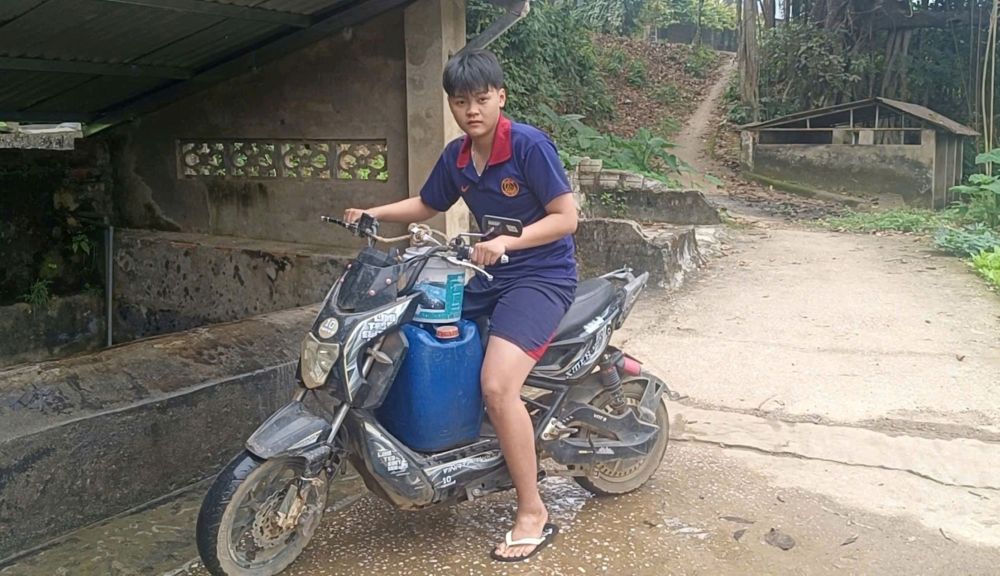
Today, although many families have their own wells, community activities around the wells are no longer as lively as before, but the habit of bringing cans to get water for cooking is still maintained. For them, the water in the 5-well banyan tree has a unique flavor, difficult to compare to anywhere else.
Especially, every 30th of Tet, from early morning to late at night, people flock to the well to get water. They believe that getting water at the beginning of the year at the 5-well banyan tree will bring good luck, coolness, smooth work, and favorable harvests.
Not only preserving with awareness, people also contribute labor and money to renovate this area, install security cameras to protect village wells. This action is seen as a new "customer's treaty" of modern times - combining tradition and technology to preserve heritage.
For Ms. Bui Thi Linh (38 years old), the 5-well banyan tree is a part of her childhood. Summer days under the banyan tree canopy, cool baths in the well have become unforgettable memories. Although she goes far to start a career, every time she returns, looking at the banyan tree and the well, she still feels a very familiar peace.
Amidst the changing pace of life, the 5-well banyan tree is not only a source of domestic water but also a place to anchor memories, connecting generations. Every Tet holiday, when the village is bustling with spring colors, the well becomes a rendezvous point for faith, for the desire for a peaceful new year - like a silent underground water flowing through generations that has never dried up.