
The sacred ancient temple has been around for nearly 5 centuries
Dong Quan Pagoda, literally called Bao Quang Tu, is located in Dung Tien Commune, Vinh Bao District, now Vinh Thuan Commune, Hai Phong City. The pagoda was built before 1572, during the reign of Mac Mau Hop - the 5th king of the Mac Dynasty.
According to legend, Dong Quan Pagoda was built by the two heads of the ancient city's royal court, Pham An Khe and Pham Viet Kinh, Thai Hoang, Thai Hau of the Mac Dynasty, and local Buddhists. The materials for building the pagoda, such as wood and stone, were transported from the capital Thang Long via the river and gathered in the southeast of Dong Quan village.
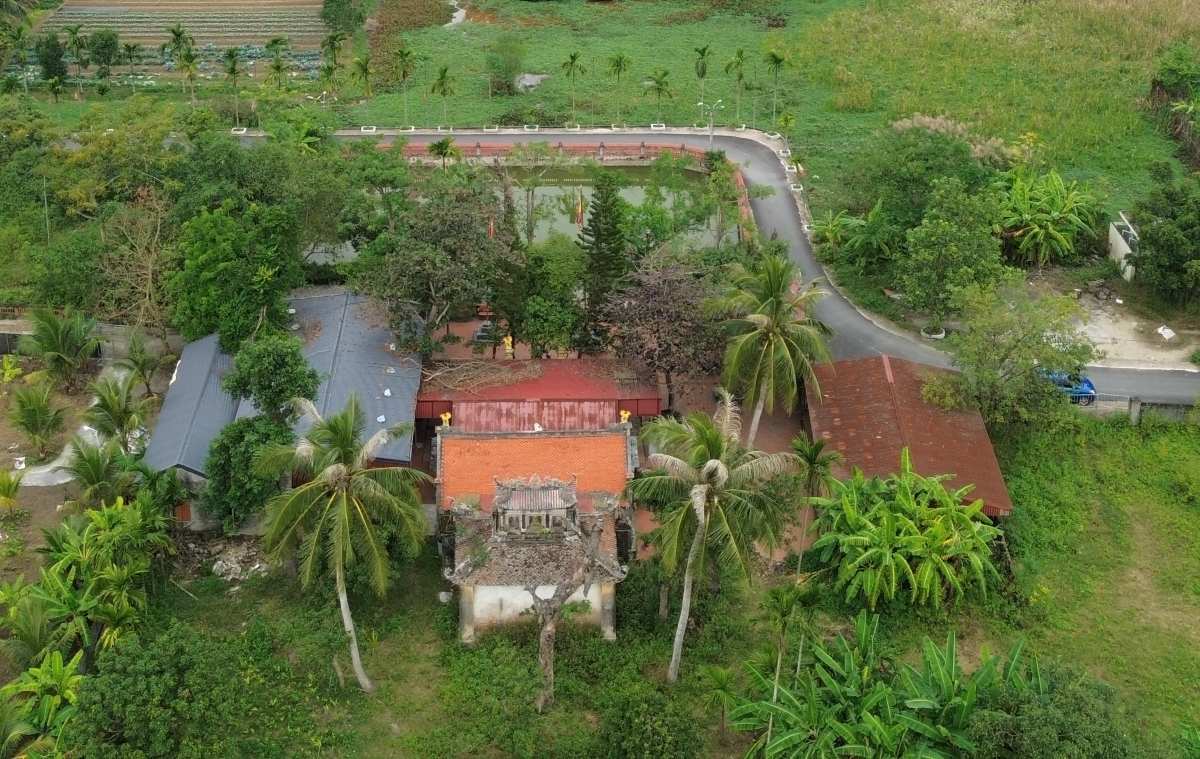
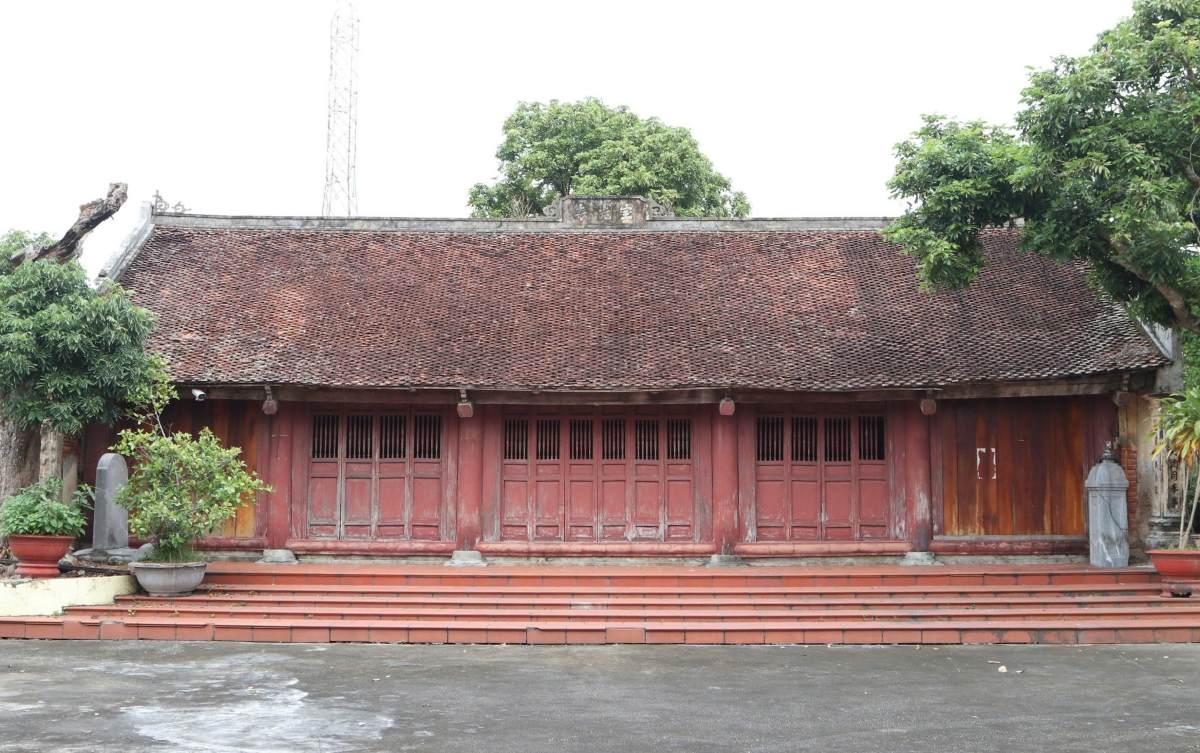
Previously, the pagoda was large in scale, including a tower, 3 front rooms, 3 incense burning rooms, and 7 back rooms. After many historical ups and downs, Dong Quan Pagoda has not been restored to its original state, only the front hall, the Dinh-shaped Buddha's house, and later the ancestral house and the guest house have been restored and embellished by the people. This is one of the few religious architectural works with the mark of Mac culture at the end of the 16th century left in Hai Phong.
In the pagoda, there are 4 rows of elaborately carved Buddha statues at the Buddha's house. The highest position is the Tam The Monument. Next are the A-team statues, the Ngoc Hoang and Nam Tao statues, Bac Dau. At the bottom is the Nine-Piece and Swallow-Born-Born-Sisters Bridge. On both sides of Tam Bao Building is the Minh Vuong Palace, consisting of 10 similar statues. The statue is 1.05 m high, made of earth, wearing a sky hat in a majestic position.
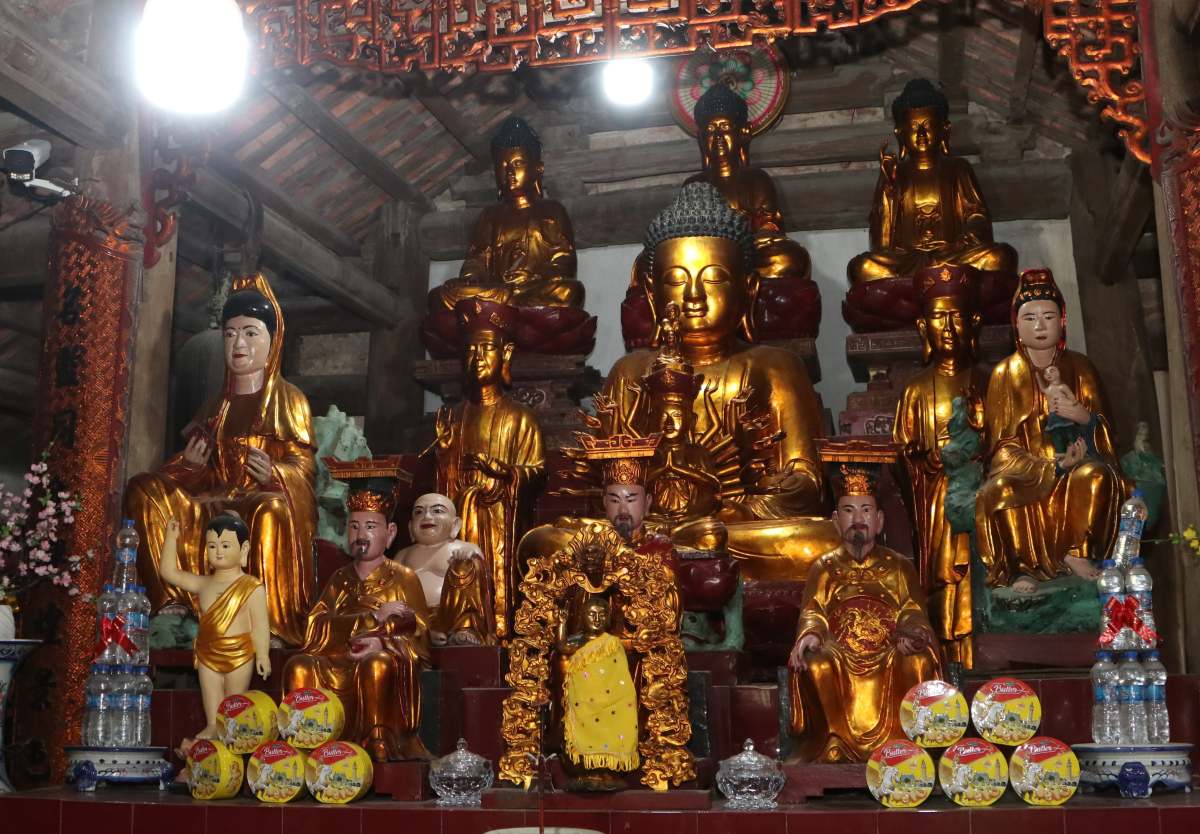
In addition to the main statues at the Buddha's house, Dong Quan pagoda also preserves many unique statues such as the statue of Duc Tam To Huyen Quang worshiped at the right at the front hall, bearing the appearance of the statue of Bo Tam Tha Tinh. This is a statue inheriting the artistic style of sculpting the Ma Dynasty Buddha statue, 16th century.
In particular, the two restoration rooms have 2 Ho Phap statues - two statues located in the diamond hesitation to protect Buddhism. The phenomenal representation and dragon decoration on the pillars shows that the statue dates back to the early 18th century, and is one of the earliest earth-worked Ho Phap statues in our country.
Preserving local cultural characteristics
Not only is it outstanding in terms of architecture, Dong Quan pagoda currently still preserves 2 stone steles, all of which are original steles, including a valuable stele inscription with the name "Bao Quang Tu Chung Bi Ky". The stele is 1.2 m high, 0.68 m wide, and 0.16 m thick.
The forehead of the stele is semi-diced, right in the middle carved with a dragon and the moon's face. In between the stele front and the stele body is a fringe road, on which the stele is decorated with the words "royal god of the sky", below the letters is a list of believers, pilgrims, key people standing up to build the pagoda and the worshippers.
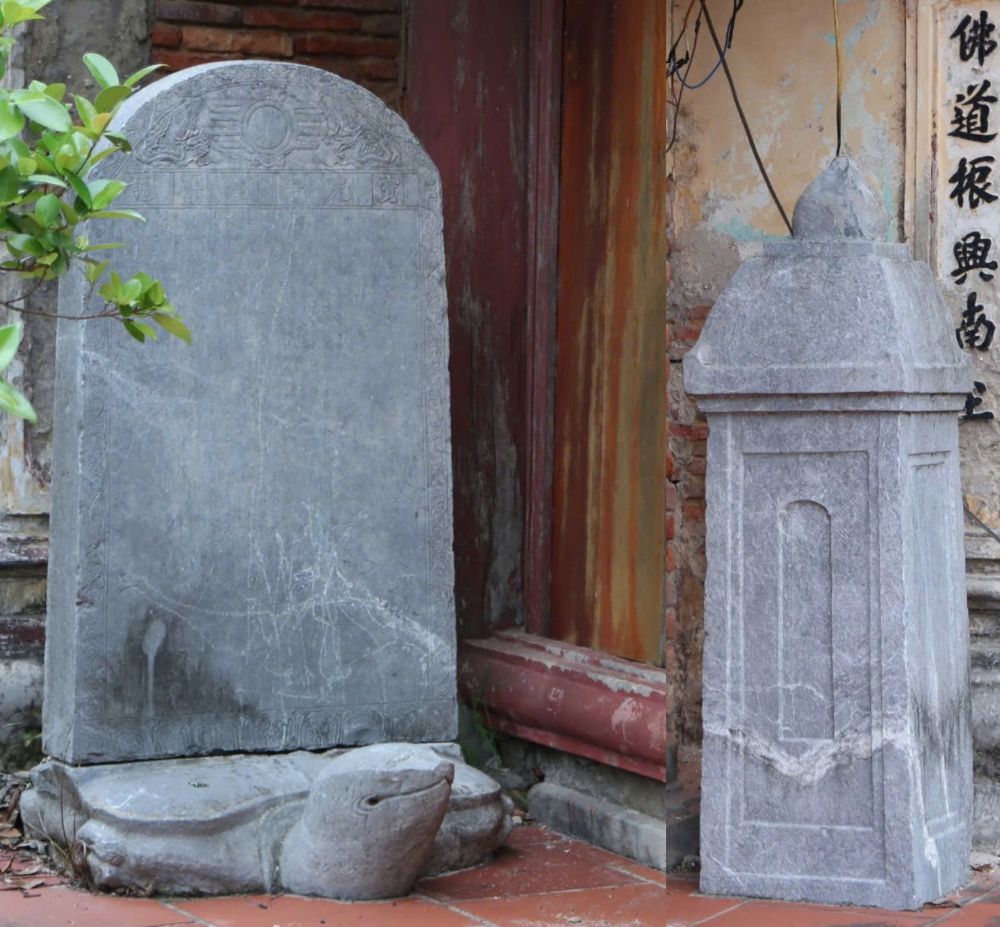
The decoration of the stele is a soft, curved flower strip, with floating, small lotus petals. The notebook is written in Chinese characters, with clear and sophisticated handwriting, including over 50 letters, the most lines are 39 letters, the least lines are 3 letters.
The second stele is the stele "Hau Phat Bia Ky" 1.8 m high, 0.46 m wide, with many openings. Behind the pagoda are two towers containing the remains of two monks, Quang Minh Tower and Hien Linh Tower (also known as Thanh Ti and Thanh Chan).
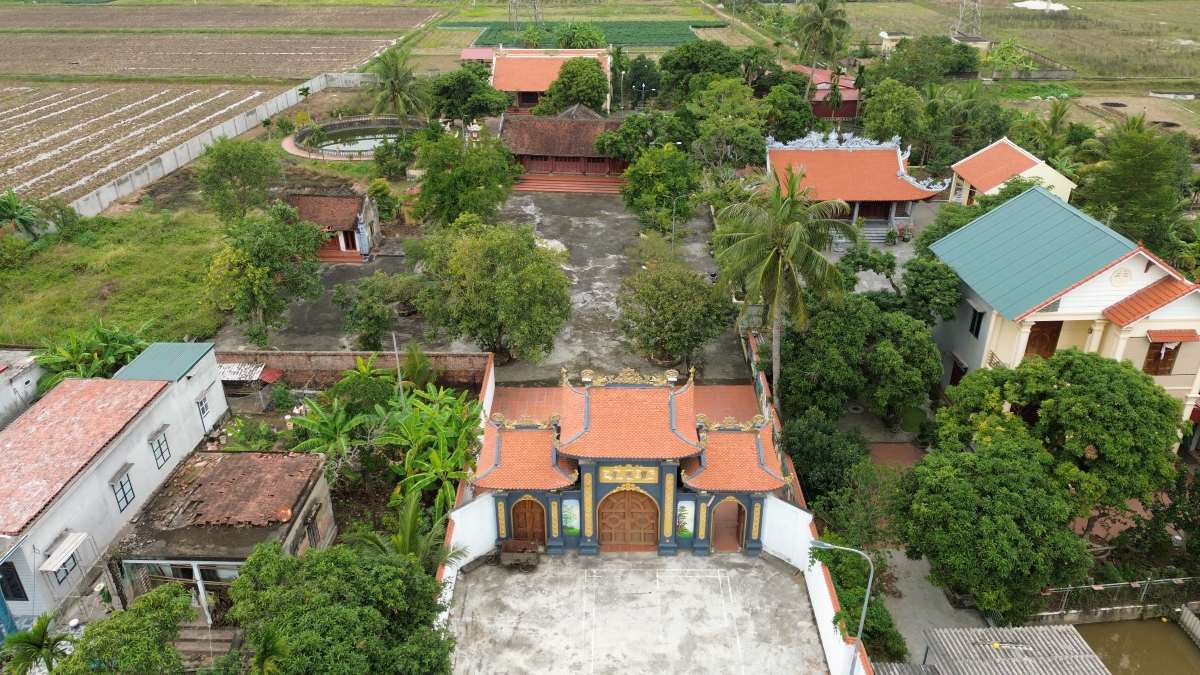
Dong Quan Pagoda still maintains a cultural lifestyle imbued with national identity. Every year, on the 10th of January, the pagoda opens a festival. This is both a Buddhist festival and a ceremony to honor the Thanh Hoang for his merits to the village and the country. During the festival, the village organizes a procession starting from the communal houses and villages to the pagoda, then organizes folk games such as: chess, chicken fighting, swinging... In particular, the sticky rice cake competition is maintained and organized right on the festival, expressing respect for the great brother Thanh Hoang and wishing for a bumper crop.
With its unique historical and cultural values, Dong Quan Pagoda was recognized as a national historical and cultural relic in 1992.


