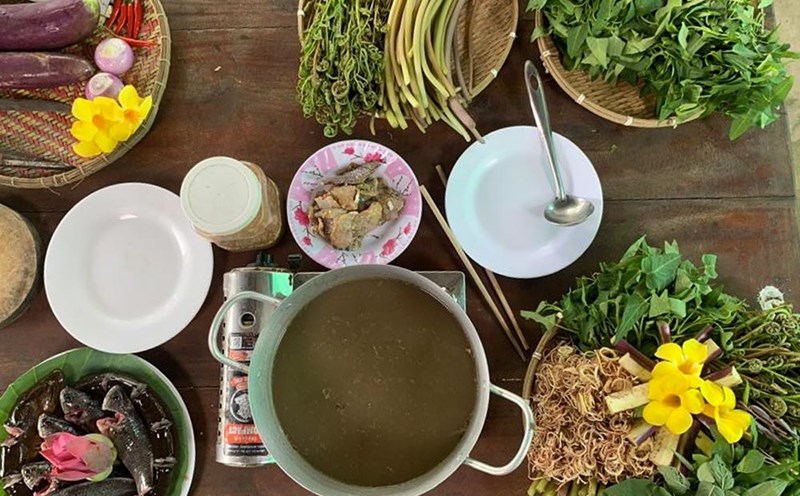
The area of U Minh Ha melaleuca forest, Ca Mau is about 35,000 ha, of which U Minh Ha National Park has more than 8,000 ha, which is the core conservation area, belonging to the wetlands ecosystem on alum/coal mud, playing an important role in biodiversity conservation, climate regulation and the development of unique ecotourism of the region.
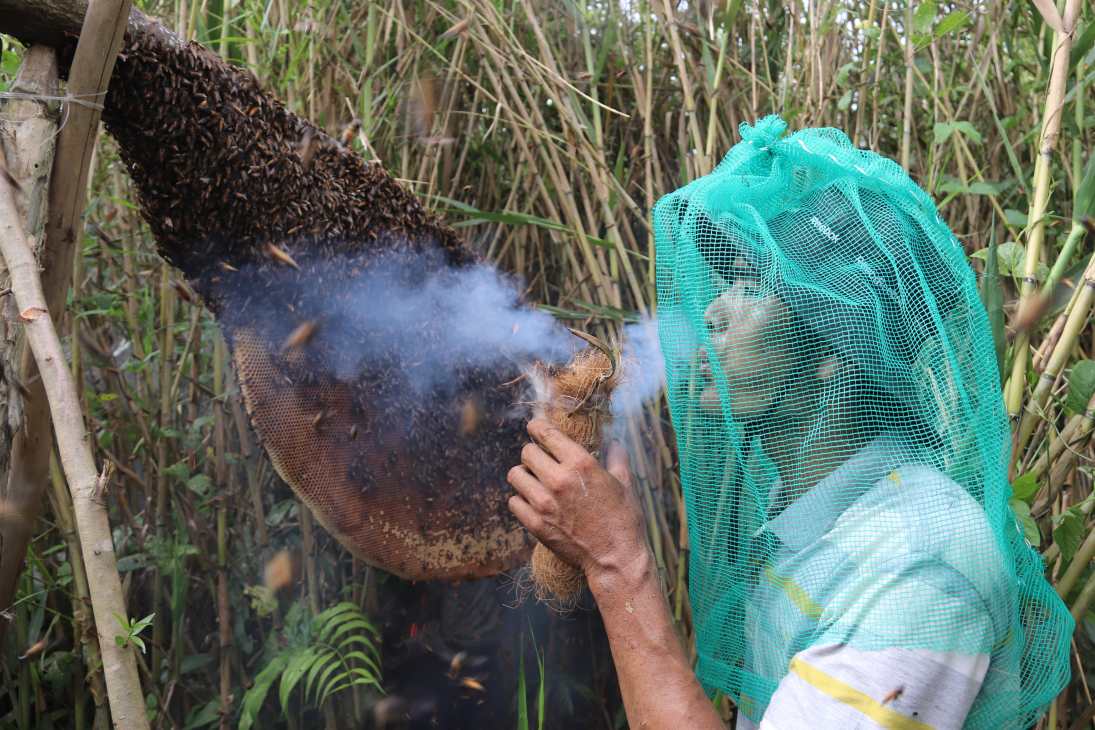
In 2021, the U Minh Ha bee hitter profession, Ca Mau province was recognized by the Ministry of Culture, Sports and Tourism as a national intangible cultural heritage. The traditional profession from the time of ancestors' reclamation has now become a tourism product attracting tourists from near and far, with a journey of experiencing bee eating.
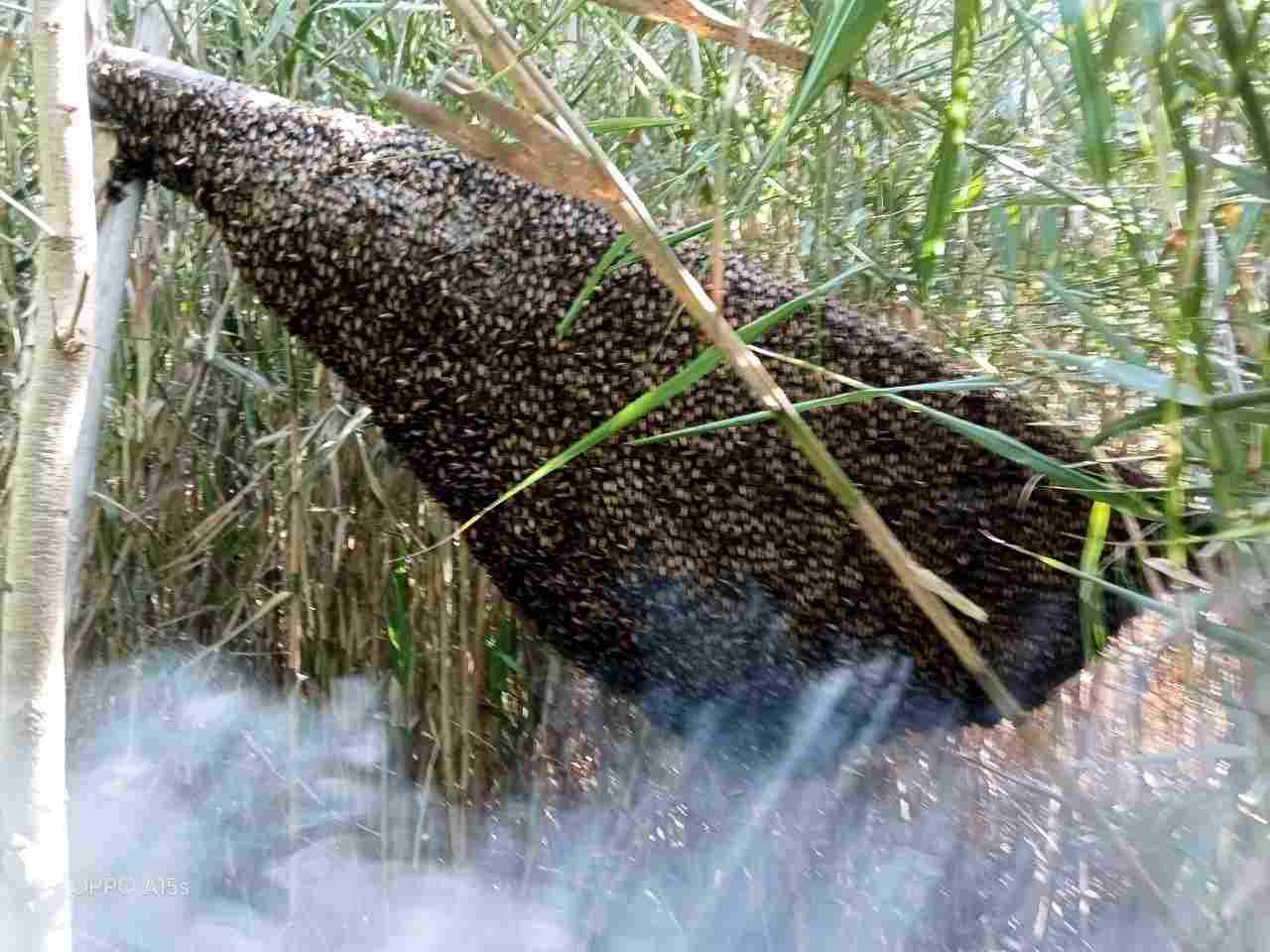
Honey from the vast U Minh Ha cajuput forests in Ca Mau is a precious product from nature, with high nutritional and economic value. In particular, this product is associated with the traditional beekeeping profession - a national intangible cultural heritage, a sustainable livelihood for residents under the forest canopy.
Every year, every time the melaleuca flowers bloom, the job of carrying bees and eating bees returns to the season. Bees make natural nests on tall melaleuca trunks, but the number is limited, so the job of carrying bees also formed from the demand for consuming a lot of honey. The job of carrying bees requires many techniques and experience, honey bees that find bees will diligently extract honey to build nests.
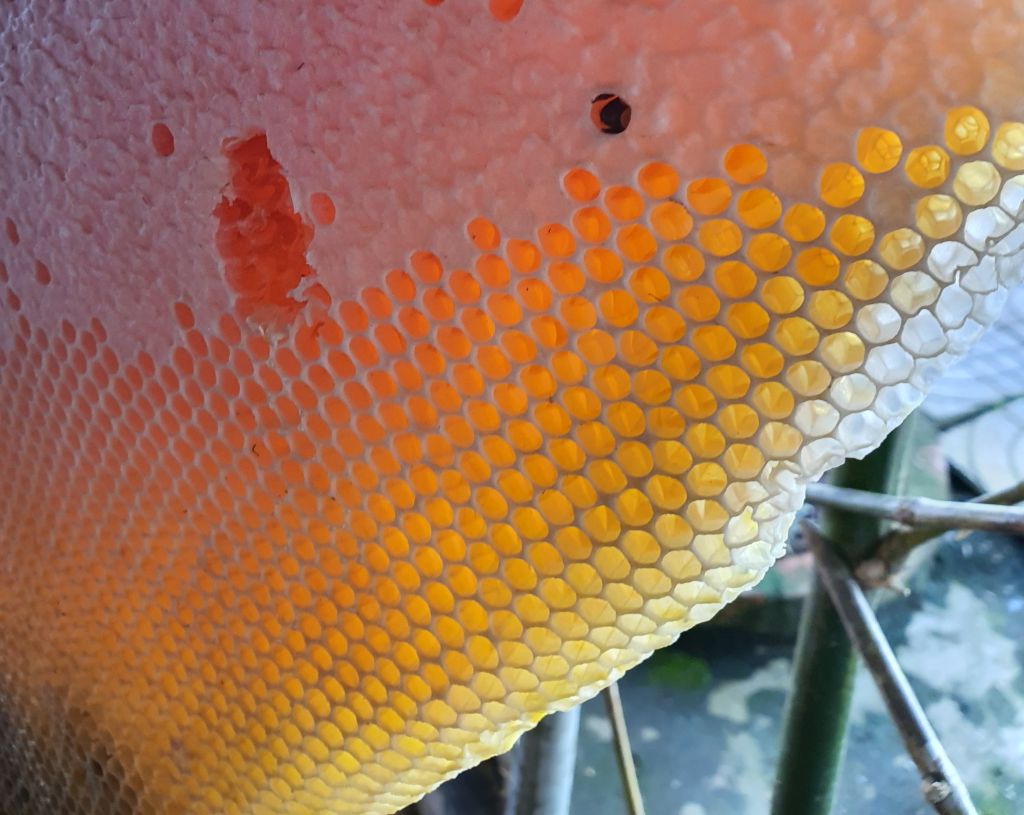
From the advantage of a rich melaleuca forest and a variety of indigenous plant species, the droplets of honey from U Minh Ha melaleuca forest are shimmering golden, the best is honey in the dry season.
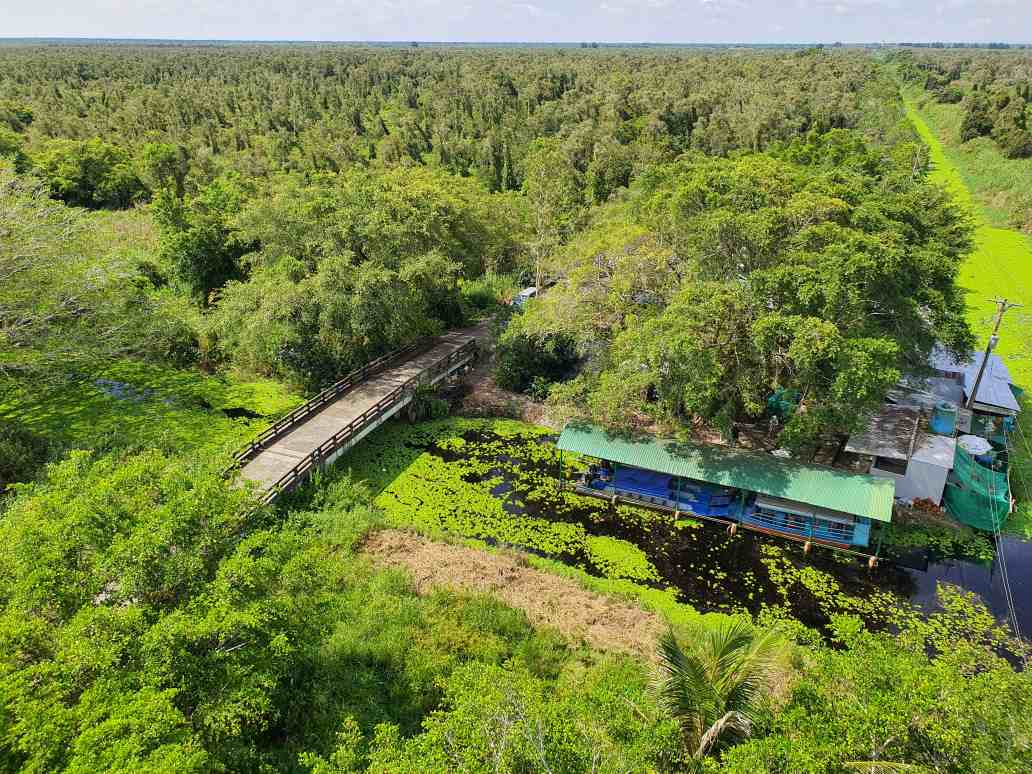
U Minh Tram forest honey. Fragrant with the scent of Tram flowers, with a mild sweet taste, not harsh. Honey has many uses for health, helping to strengthen resistance, support digestion, soothe the throat, reduce coughs and clear body heat.
In addition, honey is also used in beauty care such as skin care, antioxidants. Thanks to its high natural nutritional content, cajuput honey is considered a precious gift from nature.
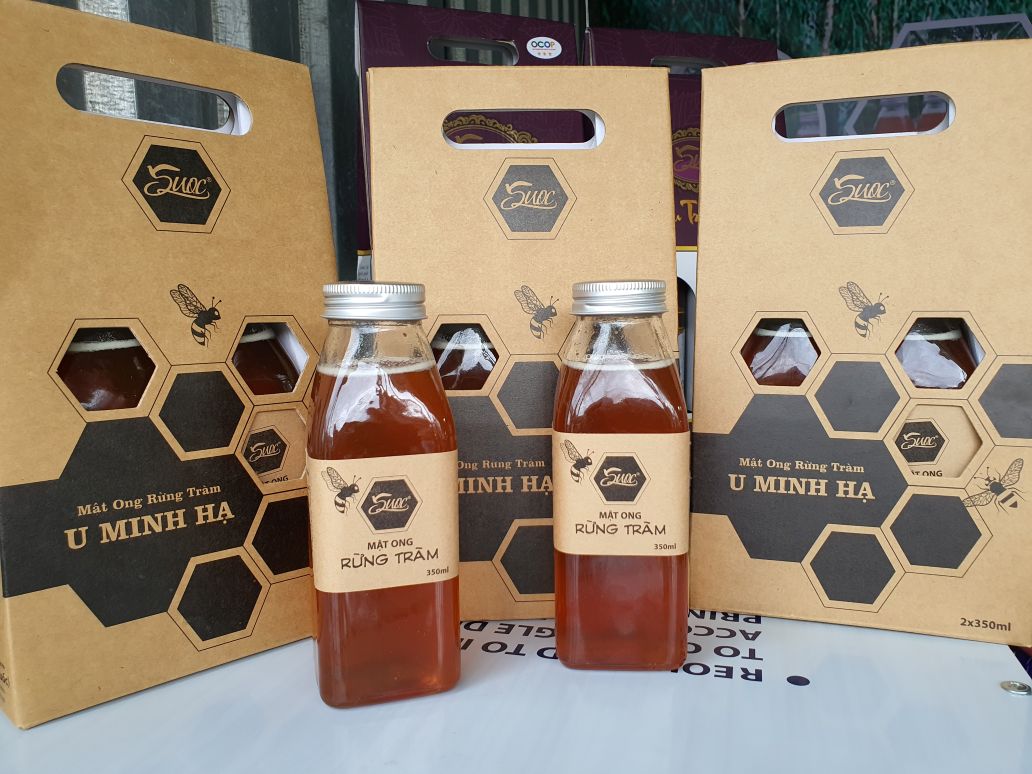
In recent years, U Minh Ha cajeput forest honey has become increasingly popular in the market, becoming a specialty gift that many tourists look for when coming to Ca Mau. To enhance the value of honey, organizations and individuals in the province have introduced honey into OCOP, a typical rural product at the provincial level so that the product reaches more large markets.
At the same time, to protect this precious product from the risk of overexploitation, the management and conservation of melaleuca forests is particularly focused on by local functional sectors. Forest honey harvesting activities are currently encouraged to be implemented in a sustainable direction, preserving the traditional melaleuca forest area and keeping bee colonies for natural regeneration. This not only protects the honey source for a long time but also contributes to preserving the U Minh Ha forest ecosystem.