
In the context of experiential tourism and the trend of finding nature and "healing" in rural areas is increasingly popular, Ca Mau has emerged as a potential destination. With more than 120,000 hectares of forest, including a typical mangrove and cajuput forest ecosystem, this locality is forming many eco-tourism models associated with community livelihoods.
Forestry tourism not only brings a close natural experience to visitors, but also contributes to creating income for people, raising awareness of forest protection and promoting green growth. In that context, local life experience models at Thi Tuong lagoon and U Minh Ha forest began to attract the attention of tourists.
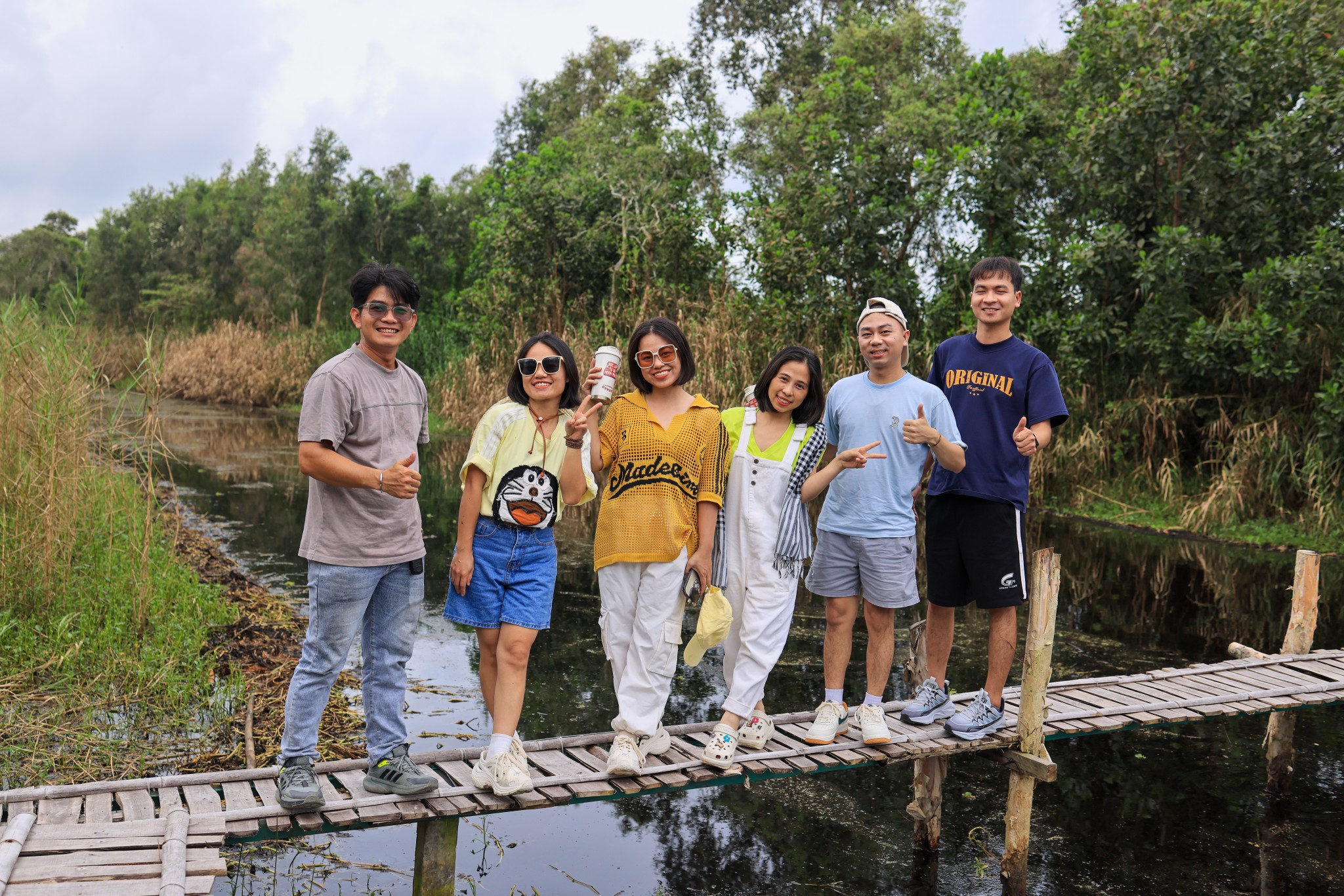
In this flow, Ca Mau has seen the emergence of experiential tourism models closely associated with indigenous life, attracting the attention of domestic and foreign tourists. Notable among these is the A day as a Ca Mau person experience tour - a journey that does not stop at sightseeing, but brings visitors into the daily life of local people, from production labor to community activities.
The person behind this model is Mr. Tran Van Bi (32 years old, Ca Mau). For him, the attraction of the tour is not the elaborate activities, but the simplicity of life in the West.
What excited me most is seeing tourists laugh, be happy and excited when experiencing seemingly simple but interesting jobs in the West. When tourists spend a day with the people, I feel that they really understand more about life here, he shared.
The journey to start a business from love for the homeland
From his trip across Vietnam in 2022, Mr. Bi decided to leave Can Tho to return to his hometown, where he " buried his navel-cutting vegetables", and started with a new mission. Observing that many homestays in Ca Mau have not brought visitors authentic real-life experiences, he personally came up with the idea to build a homestay at home.
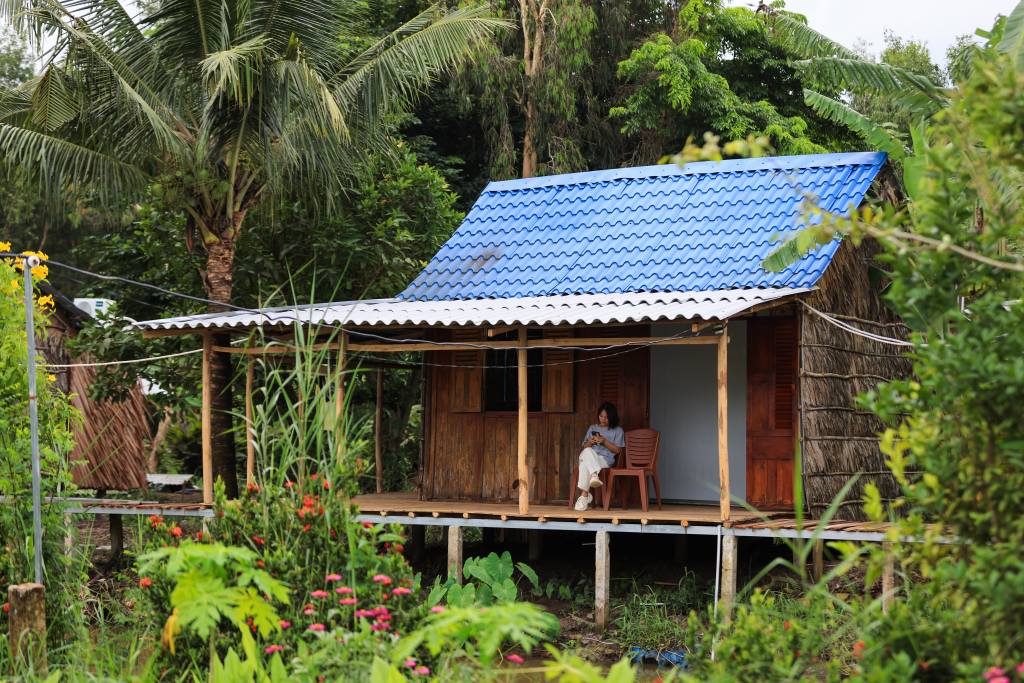
This idea was realized on a 5,000 m2 plot of land, renovated into a simple garden homestay in the Western style, with a roof and rooms facing the garden and fish pond, creating a peaceful feeling, close to nature.
At first, I just wanted to create a peaceful place to stay for tourists. But the more I do, the more I want them to immerse themselves in the real lives of local people. I think this is the way for them to understand and truly love the culture in Ca Mau, said Mr. Bi.
When the homestay comes into operation, local life experiences are gradually formed through cooperation with many local households. Tourists not only stay but also participate in daily activities, from agricultural and aquatic workers to community activities, instead of just sightseeing and taking photos.
One attractive point is the authenticity of the experience. Tourists not only observe but directly participate in the daily activities of people in the West, such as gathering to eat, sing karaoke, and have a Cai Luong job after each work session.
Mr. Bi shared: "Those seemingly normal experiences leave a lasting impression. Many tourists said they did not expect life in the West to be so simple but interesting.
At Thi Tuong lagoon, visitors are instructed to fish for shrimp, crabs, fish, fish, fish or dig for clams, dig for worms, and pick up tankers - a type of grass that grows wildly along the river.
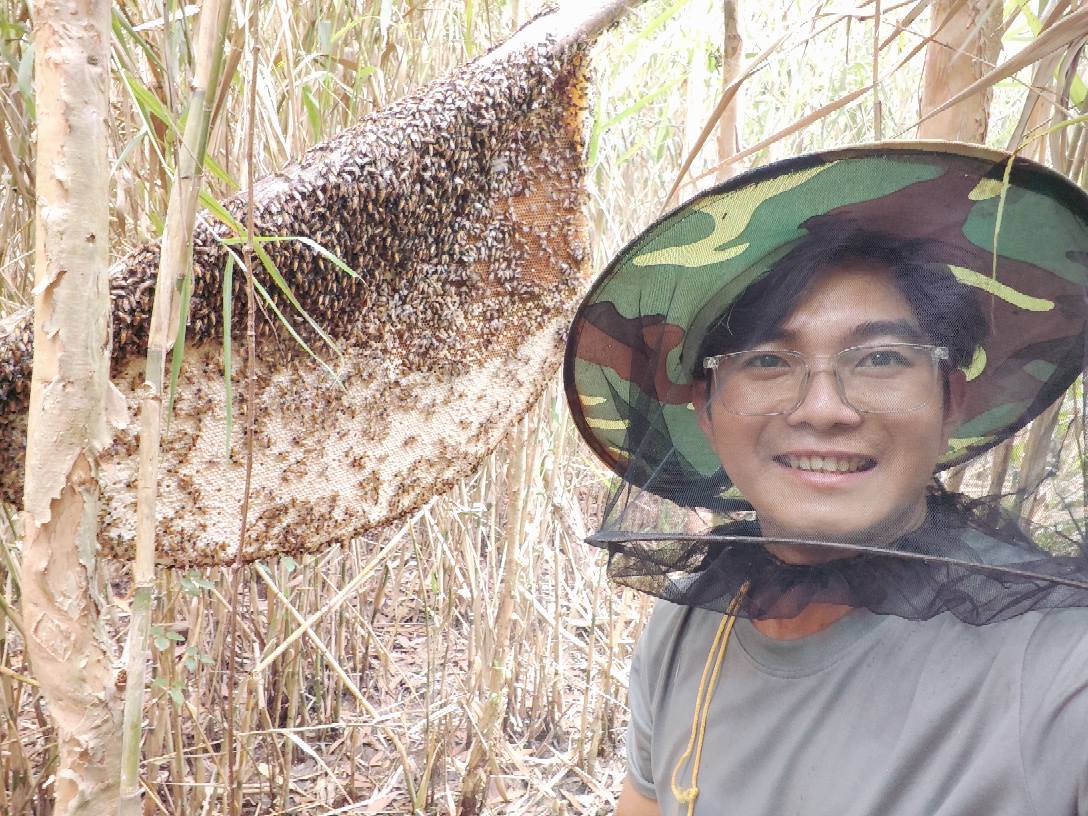
In U Minh Ha forest, they are allowed to go to the forest, catch fish in the oven, set traps to catch eel, set traps to catch mice and harvest beehives. Tourists also have the opportunity to attend weddings and death anniversaries typical of the people of the West.
"The special thing is that the activities do not limit tourists to a fixed schedule. Each trip is different, because activities change according to the season. This makes the experience more unique and closer to the real life of the people, he said.
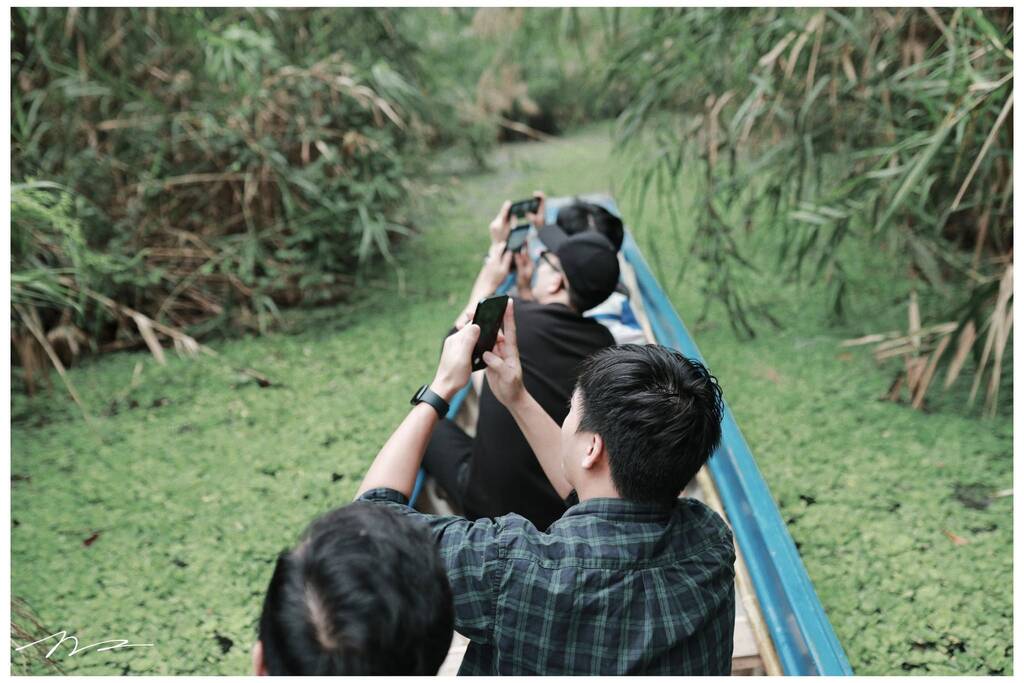
Activities prioritize quality over quantity. Tourists are accompanied directly by tour guides, limiting group meetings, ensuring a deep personalized experience.
Mr. Bi said that more and more tourists are knowing about this model. There are families from Bac Giang or the Central region driving to Ca Mau just to participate in the experience. After a few days of being attached to Thi Tuong lagoon and U Minh Ha forest, many people shared with him that this was a trip that left a deep impression on the life, people and nature of Ca Mau.
Connecting communities and sustainable development
Although he has young experience in the tourism sector, Mr. Bi said he always actively learn to perfect the model, from designing schedules, organizing activities to taking care of tourists' experiences. For him, tourism is not only about providing services, but the process of creating sustainable connections between tourists and the local community.
One of the bright spots is the direct participation of the people. Many local households were invited to accompany and share knowledge about agriculture, aquaculture and traditional cultural activities.
I am happy to have created a positive effect, attracting many domestic and foreign tourists to pay attention to the culture and life of Ca Mau people. What I like most is the experience of helping the local community have a stable income and introduce their culture to tourists. Not only does it have economic value, it is also a way to preserve traditional culture and crafts, Mr. Bi shared.
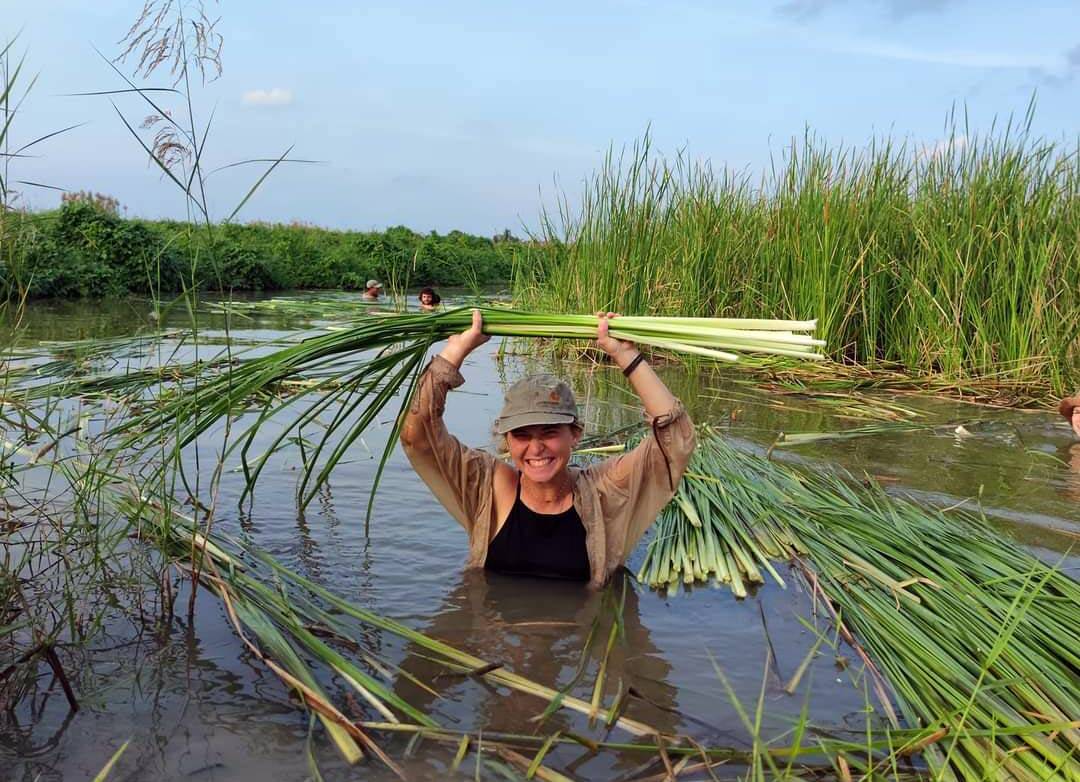
Through directly participating in labor, daily activities and daily rituals, visitors not only have new experiences but also better understand the value of local culture. It is this interaction that helps traditional customs, crafts and indigenous lifestyles continue to be maintained in contemporary life.
"In the near future, I want to expand activities with many new experiences, helping visitors understand and participate more deeply. I hope this is not only an entertainment tourism but also an opportunity to learn, connect the community and preserve culture, said Mr. Bi.
Despite many challenges, the indigenous life experience model in Ca Mau shows that community tourism can completely develop sustainably when built on the foundation of respect for culture and the role of the people.
Through directly participating in labor, daily activities and daily rituals, visitors not only have new experiences but also understand and appreciate local values more. This connection helps traditional culture continue to be preserved in contemporary life, while opening up a stable livelihood for the local community.
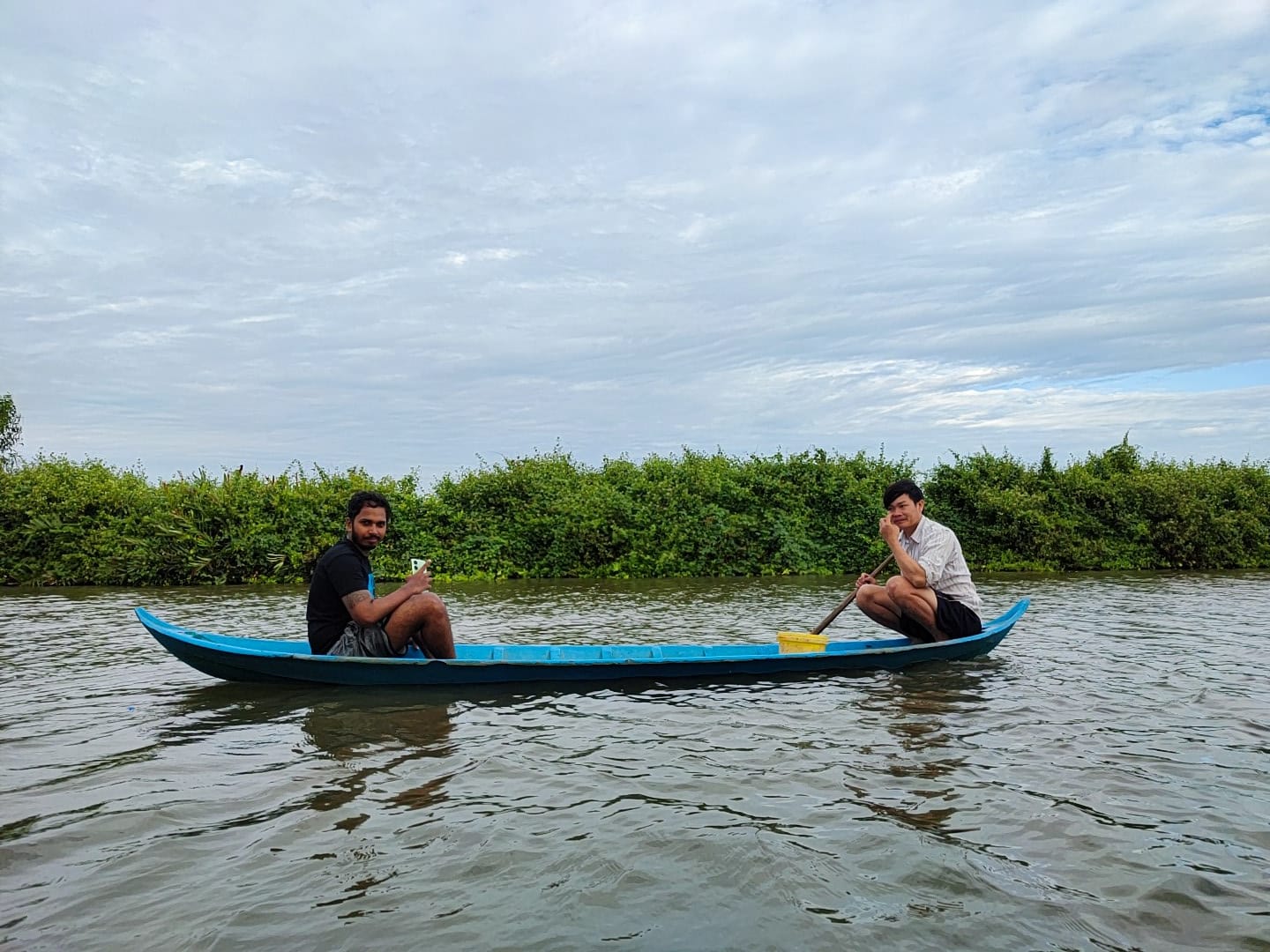
Ca Mau tourism continues to grow strongly
In 11 months, Ca Mau welcomed more than 7.4 million visitors, including 118,060 international visitors, an increase of 13.26% over the same period and reaching 93.57% of the annual plan. The increase in the number of visitors has promoted the development of accommodation, food, entertainment and transportation services, bringing the province's total tourism revenue to more than VND7.7 trillion, up 16.57% and reaching 90.52% of the plan.
This positive result comes from Ca Mau promoting and advertising the image of tourism through many outstanding events such as: The 2nd Ca Mau Crab Festival - 2025, "Hello Ca Mau" in Ho Chi Minh City, Autumn Fair in Hanoi, . At the same time, promoting digital transformation in providing information and convenient services to tourists.
The province also focuses on improving the quality of typical products, developing new products, training human resources, and encouraging eco-tourism and community tourism models to diversify experiences for tourists.


