Change from community tourism
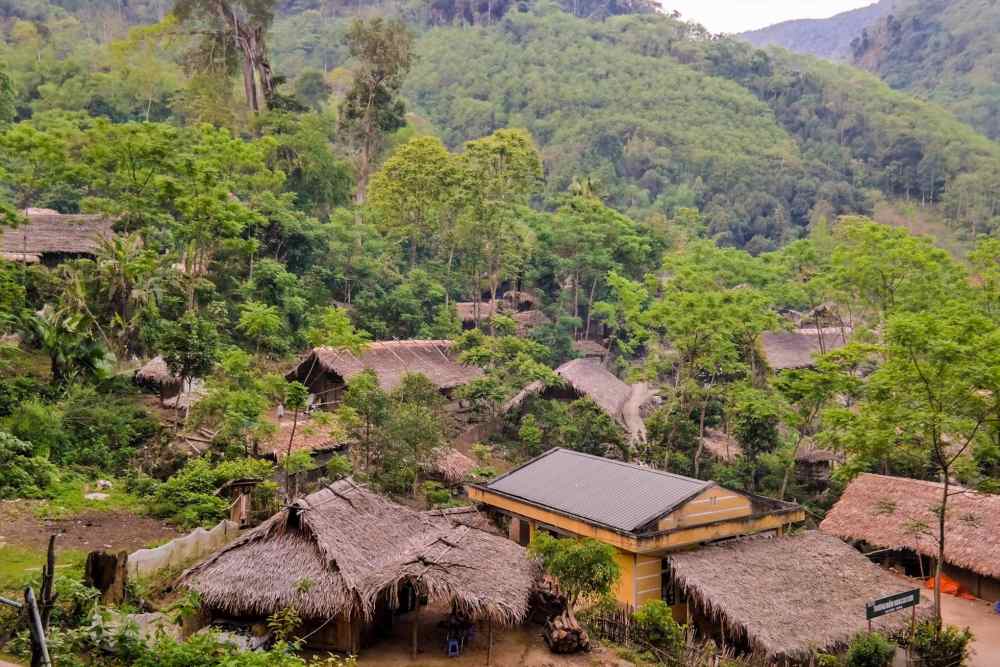
Sung hamlet or Sung village (Da Bac commune, Phu Tho) is a highland village located at the foot of Bieu mountain, a long-standing residential area of nearly 80 Dao Tien households. Previously, the lives of people here mainly depended on agriculture and forestry, self-sufficient production, low income, and many difficult living conditions.
The community tourism model in Sung village began operating in 2017, with the support of the Action on Poverty (AOP - Australian non-governmental organization). Instead of massive renovation and disruption of the landscape, local people and authorities agree to develop tourism based on existing values: traditional living space, pristine natural landscape and cultural identity of the Dao Tien people. The earthen-walled houses, the roof covered with palm leaves; the kitchen in the middle of the house become the foundation for homestay activities and local experiences.
Since the formation of community tourism, the livelihoods of the people of Sung hamlet have changed significantly. If previously the revenue was almost entirely dependent on farming, now many households have more jobs from accommodation services, dining, tour guide, and organize experiential activities. More importantly, traditional handicrafts that were lost due to no output have been restored and associated with tourism.
Bo Minh, one of the oldest elderly people in the village, shared: Before there was community tourism, the people in the village depended entirely on agricultural and forestry development, labor with very rudimentary tools, and their lives were still facing many difficulties. In recent years, when tourism has developed in the hamlet, people have more jobs, restored handicrafts such as: making Do paper, printing bee wax, brocade... life and economy have improved, everyone is happy".
The change is not only reflected in income, but also in people's awareness of traditional cultural values. As community tourism develops, the customs and practices of the Dao Tien people become a unique cultural highlight. Maintaining Dao classes for children, organizing cultural activities, and telling village stories to tourists is the way the community protects their identity in the process of opening doors to welcome guests.
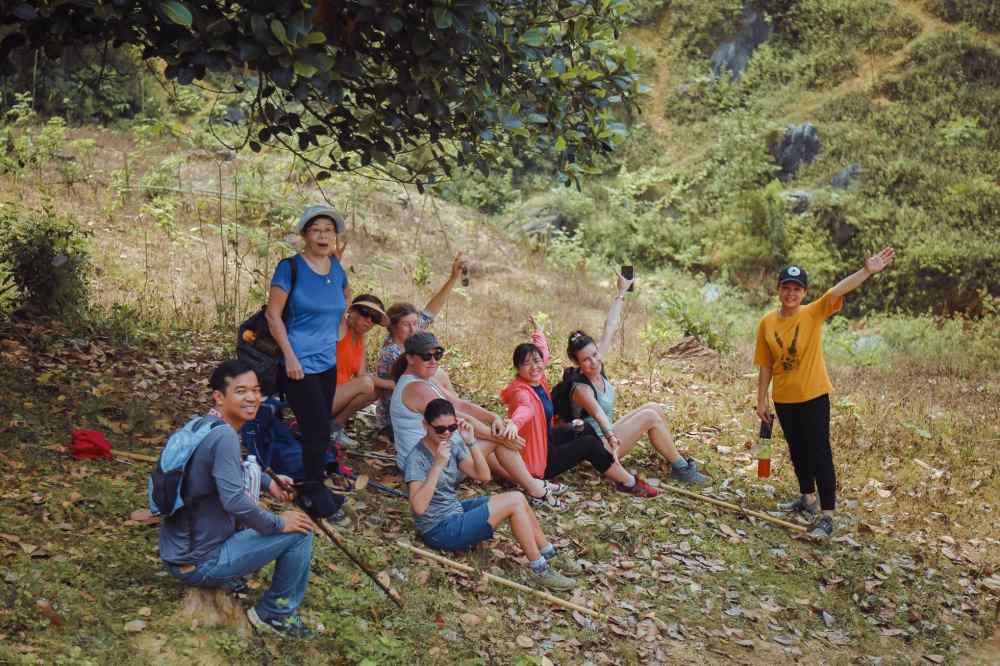
Mr. Ly Van Nghia, head of Sung village, said that with nearly 400 people, 100% of whom are Dao Tien people living together. It is the unity of culture and customs that has helped people easily coordinate in tourism activities, from preserving the landscape, ensuring living standards, to awareness of protecting the living environment.
Currently, with the support of local authorities, the commune focuses on developing the hamlet according to the plan; supporting people with tourism skills, especially restoring, preserving and promoting traditional cultural features of the people to develop sustainable tourism, bringing high economic efficiency.
Leverage to enrich ethnic villages
Located in the center of Buon Ma Thuot ward (Dak Lak province), Ako Phong hamlet still retains the original shape of a traditional E De hamlet. Long house space, gongs, brocade weaving, wine making... are not only cultural memories but are becoming an important resource to help people here develop the economy through community tourism.
In recent years, when the trend of experiential tourism and finding indigenous identity has become increasingly popular, Ako Dhong has chosen to do tourism based on the daily lives of the Ene De people. Tourists coming to shop not only visit but also live with the community: sleep in a long house, enjoy traditional cuisine, listen to stories about model regimes, participate in folk cultural activities. More than 90% of workers participating in tourism are local E De people, thereby ensuring that economic benefits are retained for the community.
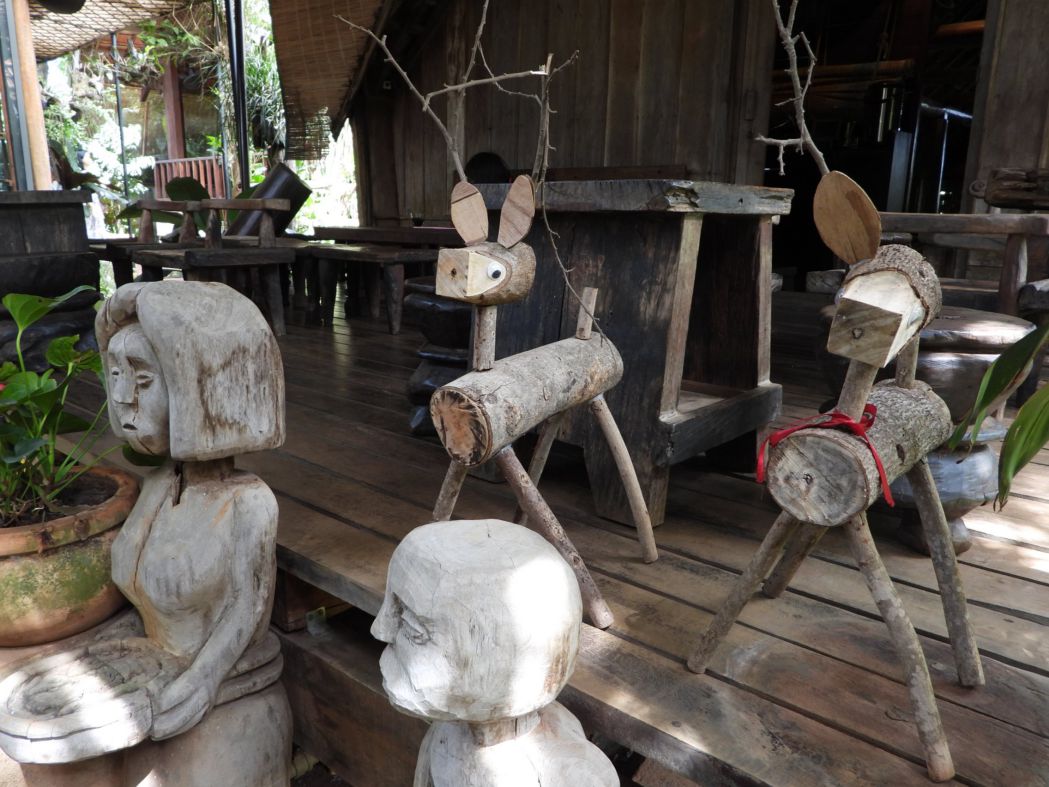
The milestone of Ako Phong being recognized as the first community tourism trade center in Dak Lak province in early 2023 has created a clear turning point. From a quiet place, the village has become bustling, many households boldly invest in food, accommodation, cultural experiences, creating more jobs and stable income.
Mr. Y Nguyet Nie (born in 1992), an E De person born and raised in Ako Phong village, is one of the households that directly benefited from this transformation. Previously, the couple only sold a small stall of vegetables with a few traditional dishes. As tourists increased, he decided to open a restaurant specializing in E De cuisine.
"After community tourism developed, the village was bustling with visitors. We opened a Ne La restaurant, cooking all the traditional dishes of the E De people to both make a living and introduce our culture, Mr. Y Nguyet Nie shared.
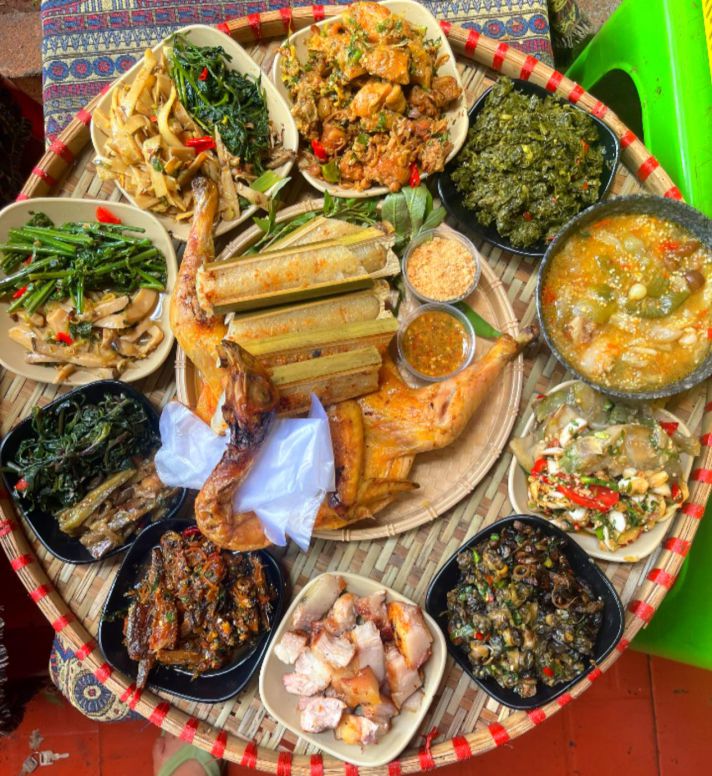
Currently, his restaurant has become a familiar destination for tourists and locals, creating jobs for about 10 workers, all of whom are from the land of E De. According to Mr. Nie, the development of tourism has significantly changed the appearance of the village. Many local households have opened more shops, homestays, services, people have more jobs and a more stable life.
Community tourism not only brings in revenue but also contributes to preserving the long house, customs, practices and cultural pride of the De people. Amid the expanding urban lifestyle, Ako Dhong is showing a sustainable direction: getting rich from heritage, developing the economy in parallel with preserving culture, making the village not only a destination but also a livable place for the local people.
Priority direction in highland development strategy
From the reality in Sung hamlet (Hoa Binh) or Ako Dhong hamlet (Dak Lak), it can be seen that community tourism is no longer a spontaneous,un model, but is becoming a direction identified by the State and local authorities as a priority in the socio-economic development strategy of mountainous areas and ethnic minority areas.
This policy has been clearly demonstrated in the Project for Community Tourism Development in Vietnam of the Ministry of Culture, Sports and Tourism, determining that by 2030, it will basically develop synchronous community tourism products in large tourist centers where there are large numbers of tourists.
In particular, it emphasizes the priority of mobilizing resources for community tourism development in rural, mountainous, remote, isolated and densely populated areas of ethnic minorities. Community tourism is identified not only as a tourism product, but also a solution associated with hunger eradication and poverty reduction, creating on-site livelihoods, preserving culture and building new rural areas in a sustainable direction.
The consistent spirit of the project is to develop tourism based on existing community values, taking people as the center, minimizing the disruption of landscape, living space and indigenous cultural structures.
practical implementation in many localities shows that with clear orientation and appropriate support, community tourism has created positive changes. People are no longer completely dependent on agricultural and forestry production, having more jobs from accommodation services, cuisine, tourism instructions, traditional handicrafts. More importantly, the cultural and traditional values that were once at risk of being lost are now preserved, passed down and promoted.
However, for community tourism to truly become a driving force for sustainable development, the role of local governments is a key factor. Planning tourism space, supporting skills training, raising awareness for people, controlling development speed and preventing cultural exploitation of drugs are requirements set out in the implementation process.
In the context of many mountainous areas and ethnic minority areas still facing many difficulties, community tourism is a suitable and sustainable path, helping people live by their own culture. When tourism becomes a livelihood, the village is not only a place for local people to live, but also a valuable and attractive destination for tourists.