
From early morning, at the foot of Cao Pha pass, the atmosphere of lychee harvesting was bustling throughout the villages of Ta Mo, Dong Luong, Hua Bo, Phieng Bung, Bung Dien, and Ngoang village.
Some people cut the fruit, some people sorted it, packed it right in the garden and then transported it to the gathering point to catch the waiting trucks of traders to take it for consumption. On the hills that used to mainly grow corn and cassava, now they are covered with the green color of early-ripening lychee gardens laden with fruit.
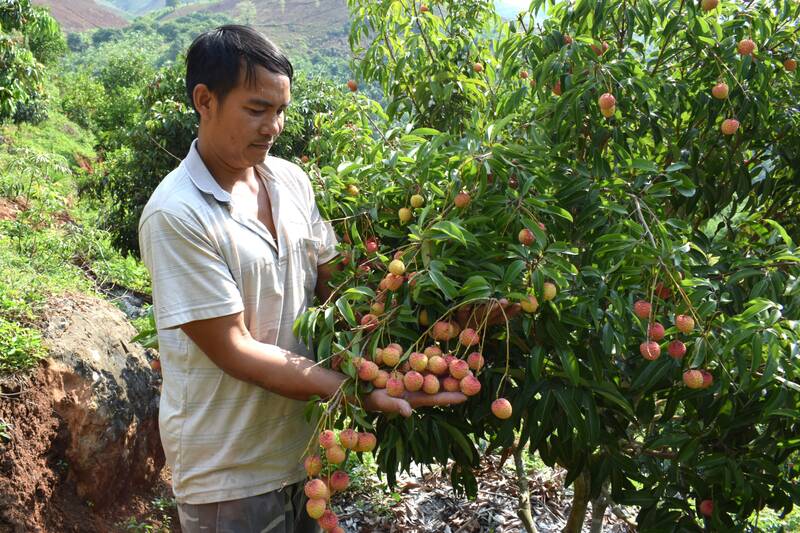
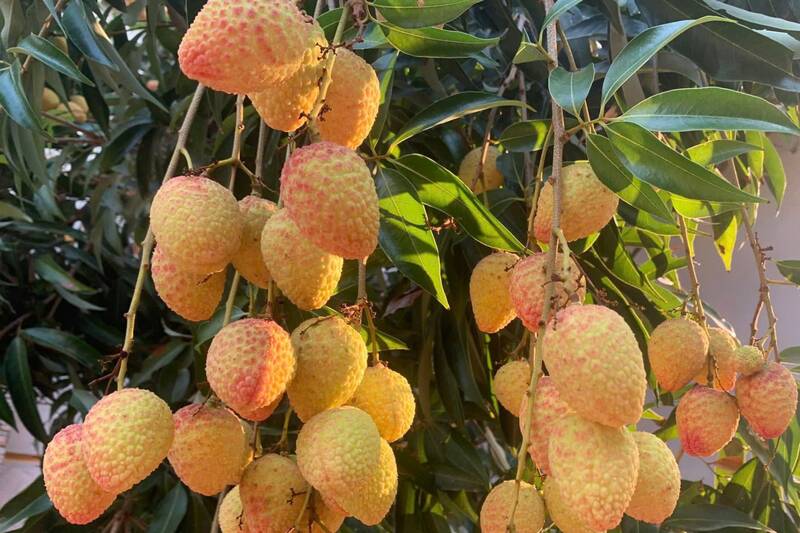
Muong Bu commune currently has more than 40ha of early-ripening lychees, of which about 35ha have been harvested, mainly early-ripening hybrid lychees, green-skinned, pink-skinned u-oeuf lychees. This year, thanks to favorable weather and the application of care techniques, the fruit setting rate is high, the appearance is beautiful, the fruit is sweet and mild, less sour, and does not have head rot.
The early ripe lychee harvest in Muong Bu lasts from the beginning of May to mid-June. The average yield reaches about 2.3 tons/ha, and the annual output reaches over 600 tons of fresh fruit.
Notably, lychees this year are harvested about 8-10 days earlier than last year, and far from the peak harvest time of large growing areas such as Hai Duong and Bac Giang, so consumption is favorable. Currently, traders buy at the garden at prices from 15,000 - 25,000 VND/kg.
Ta Mo village is the place with the largest area of early ripe lychee cultivation in the commune with more than 21ha, 100% of the area has been harvested.
Mr. Lu Van Hai - Secretary of the Party Cell, Head of Ta Mo village - said that currently the village has more than 20 lychee-growing households. In recent years, households have focused on caring for them in a safe and organic direction, so the quality of fruit is increasingly improved.
Mr. Tran Van Thuan's family, Ta Mo village, currently has more than 3 hectares of early ripe lychees produced in organic direction. The family's products are ordered for consumption by supermarkets in Hanoi, Thanh Hoa, Hai Phong, Phu Tho.
Mr. Thuan shared: "My family grows early ripe lychees from 2015, the entire care process is carried out in a safe direction, from fertilizing to harvesting and preservation. In 2019, my family's lychee area was certified VietGAP. Each year, my family supplies about 10 - 13 tons of fruit to the market, with an income of 200 - 250 million VND".
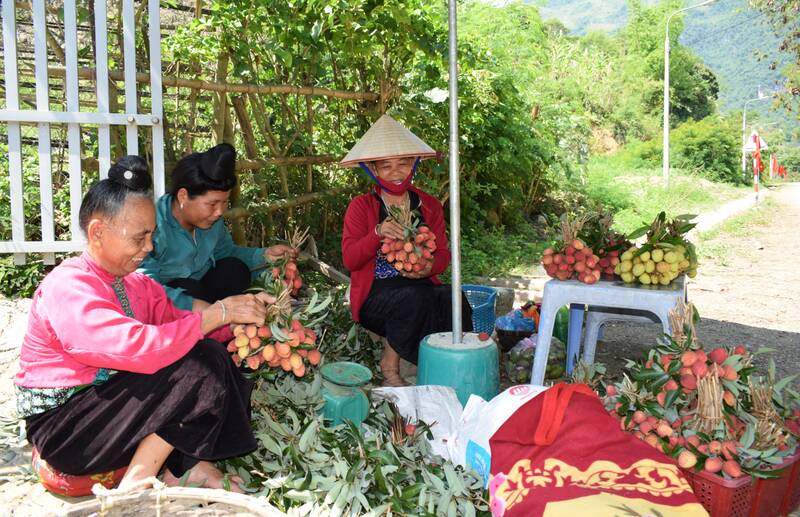
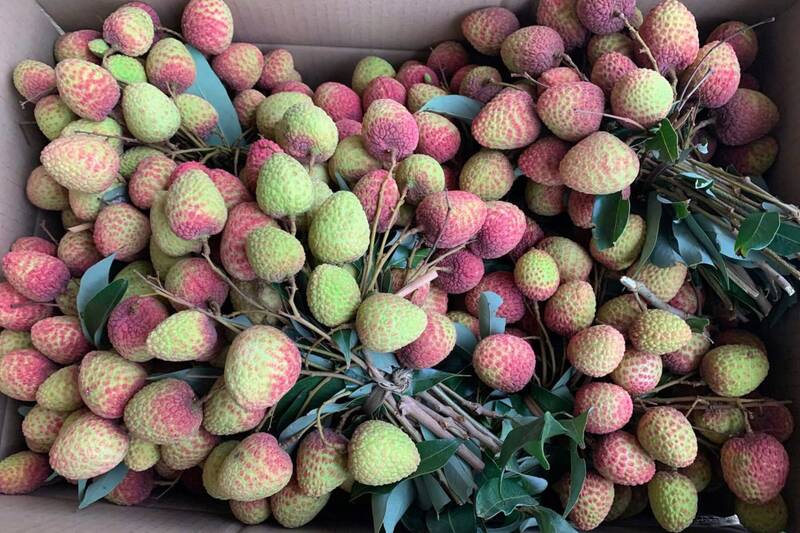
Converting from corn and cassava land to fruit trees, Mr. Lo Van Thang's family, Ngoang village, has gradually risen to develop the economy. Mr. Thang said that his family borrowed 40 million VND from the Social Policy Bank to invest in converting 2 hectares of ineffective corn and cassava land to lychee cultivation. From the beginning of the season to now, the family has harvested more than 2 tons of early ripe lychees, earning more than 40 million VND. The family plans to harvest about 4 tons more in the near future.
According to Mr. Lu Van Qui, Chairman of Muong Bu Commune People's Committee, lychee trees are becoming one of the fruit trees that bring high economic efficiency in the locality. The commune is coordinating with specialized agencies to organize technical training, guide people to produce, gradually expand the area and build a brand for early ripening Muong Bu lychees.
At the same time, Mr. Qui also said that the locality is proactively connecting cooperatives and traders to purchase at the garden to ensure stable output for people.
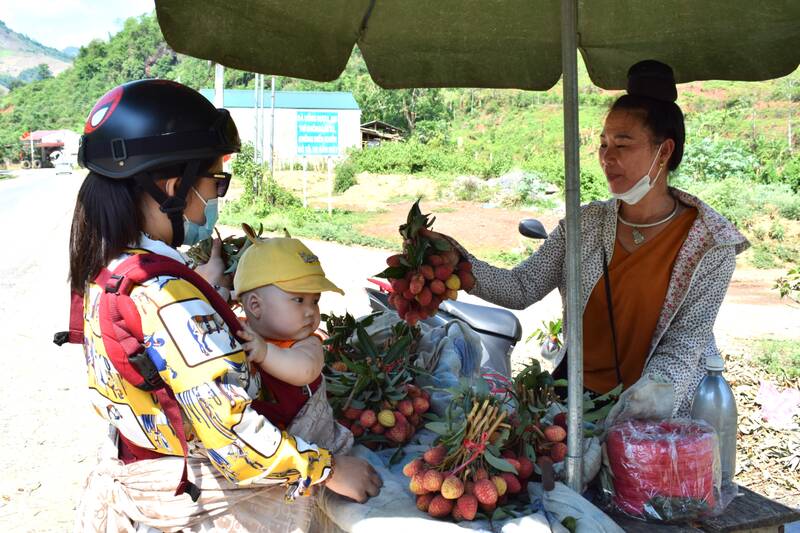
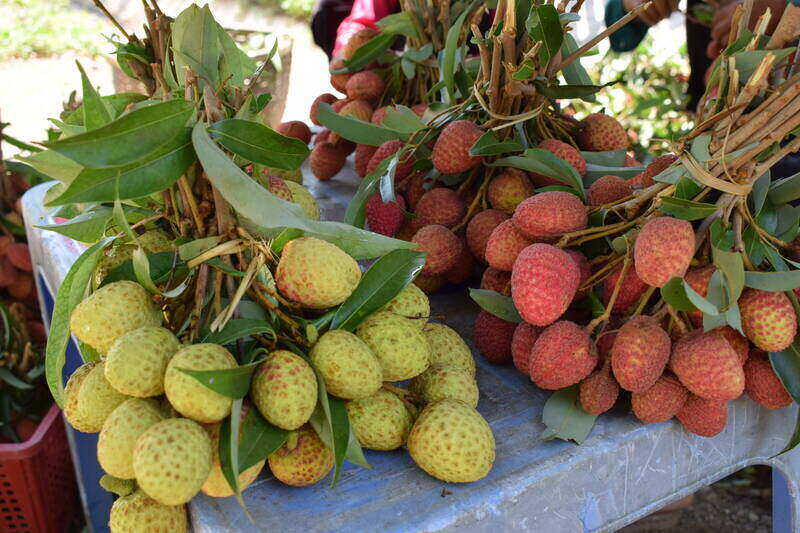
The early-ripening lychee hills at the foot of Cao Pha pass laden with fruit open up directions for economic development on sloping land, contributing to changing the rural face here.


