
The beautiful intersection of Eastern and Western architecture
Located on Bui Huu Nghia street, Binh Thuy ward, Binh Thuy ancient house (also known as Duong family church) has long become one of the unique cultural symbols of Tay Do land.
The project was started in 1870 and completed in 1911 under Mr. Duong Chan Ky. Over 100 years, the house still retains almost its original unique architectural beauty - where Western lines harmonize delicately with the traditional space of the South.
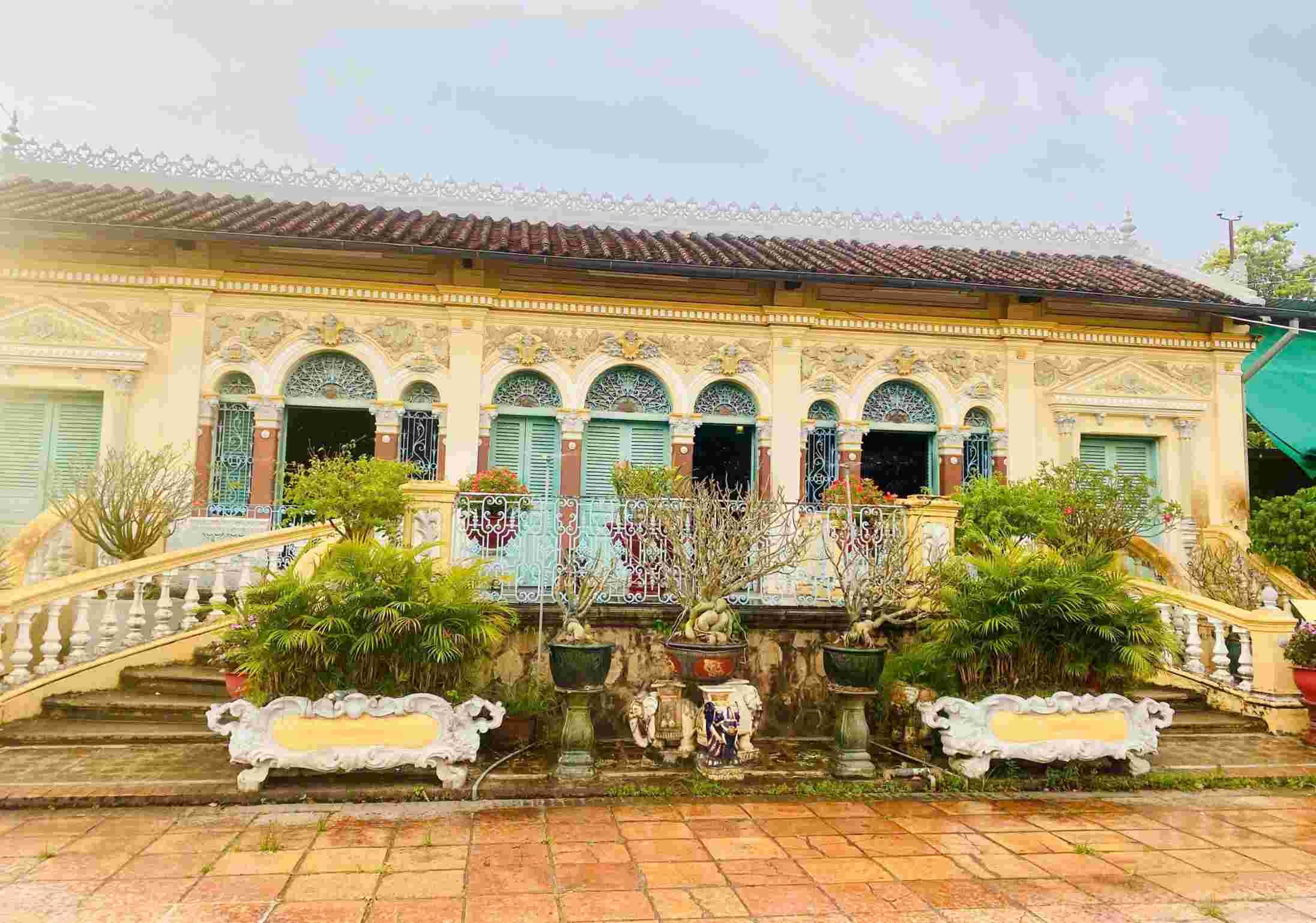
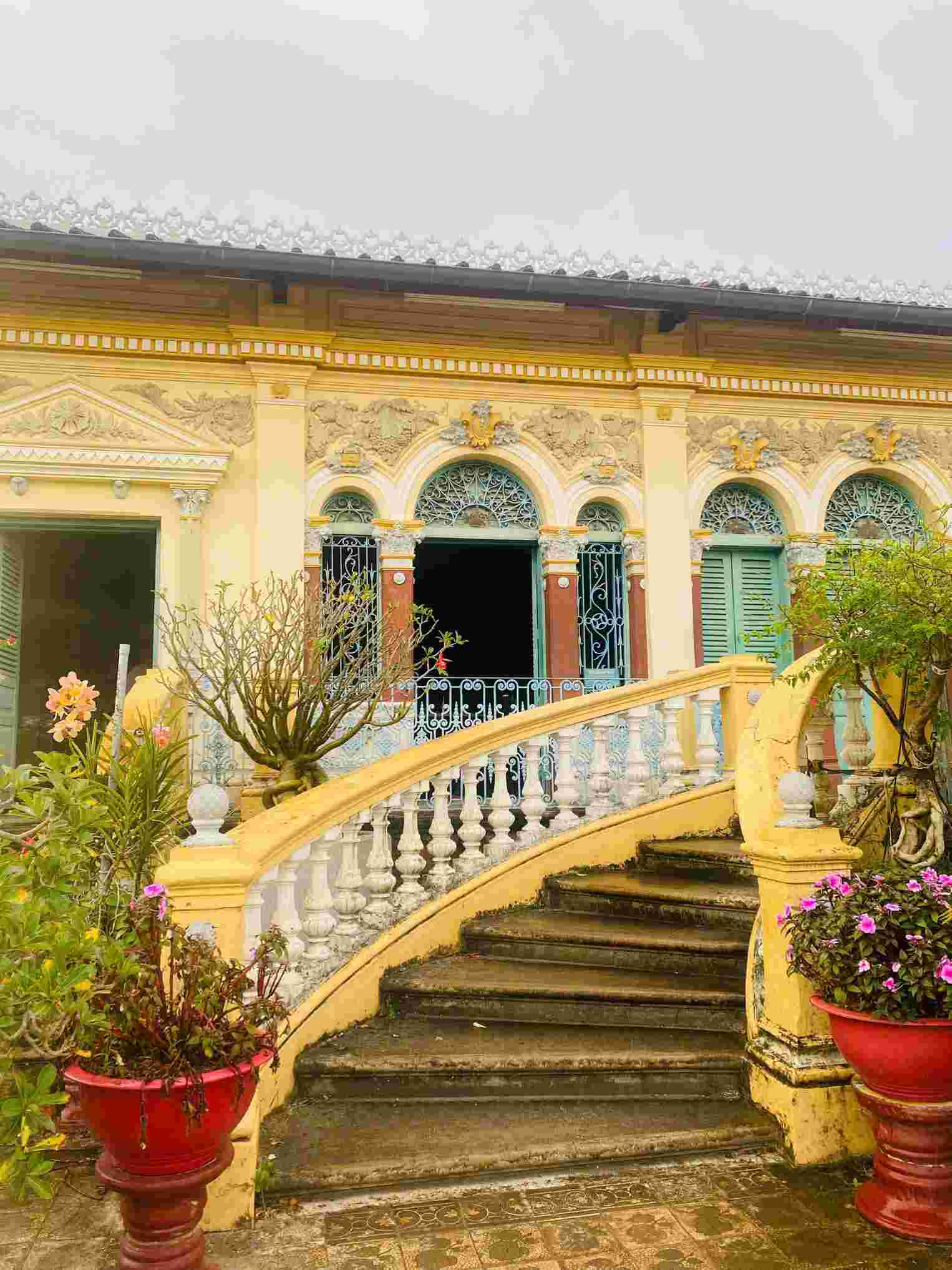
From the outside, the house impresses with a French-style facade, influenced by the trendy Art Nouveau style of the early 20th century. Exquisite decorative patterns along with columns and vaulted roofs create the luxury of a European mansion.
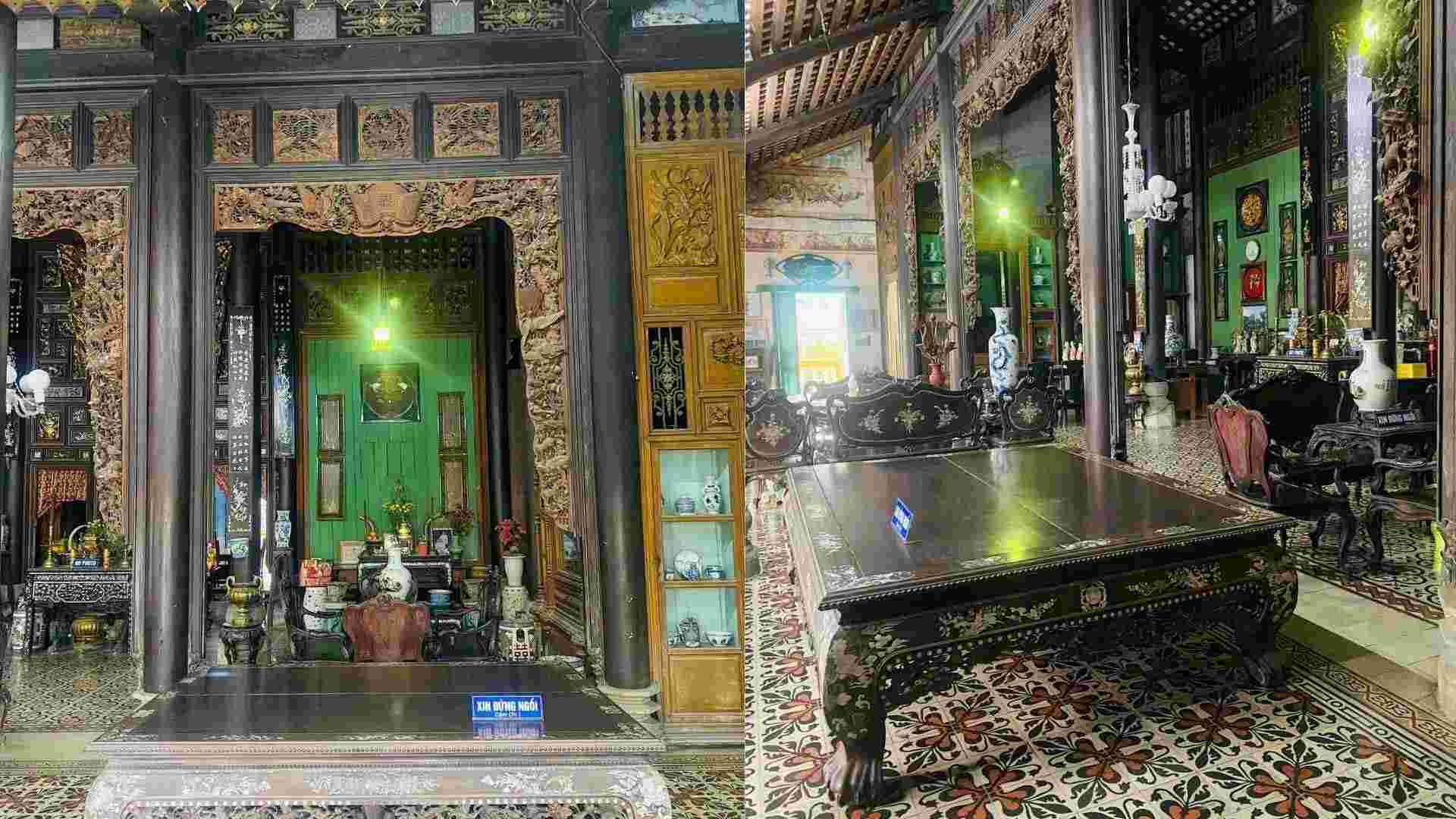
But when passing through the main door, visitors seem to be lost in a completely different space. Inside is pure Vietnamese beauty with ancient long steles, horizontal lacquered boards, parallel sentences and elaborately carved altars. Each piece of furniture and household items bears the cultural imprint of the ancient Southern landlords.
The house has an area of about 352m2, divided into three parts including the front house, the middle house and the rear house. In which, the middle house is the most solemn space, where the ancestral altar and many precious artifacts preserved through many generations are placed.
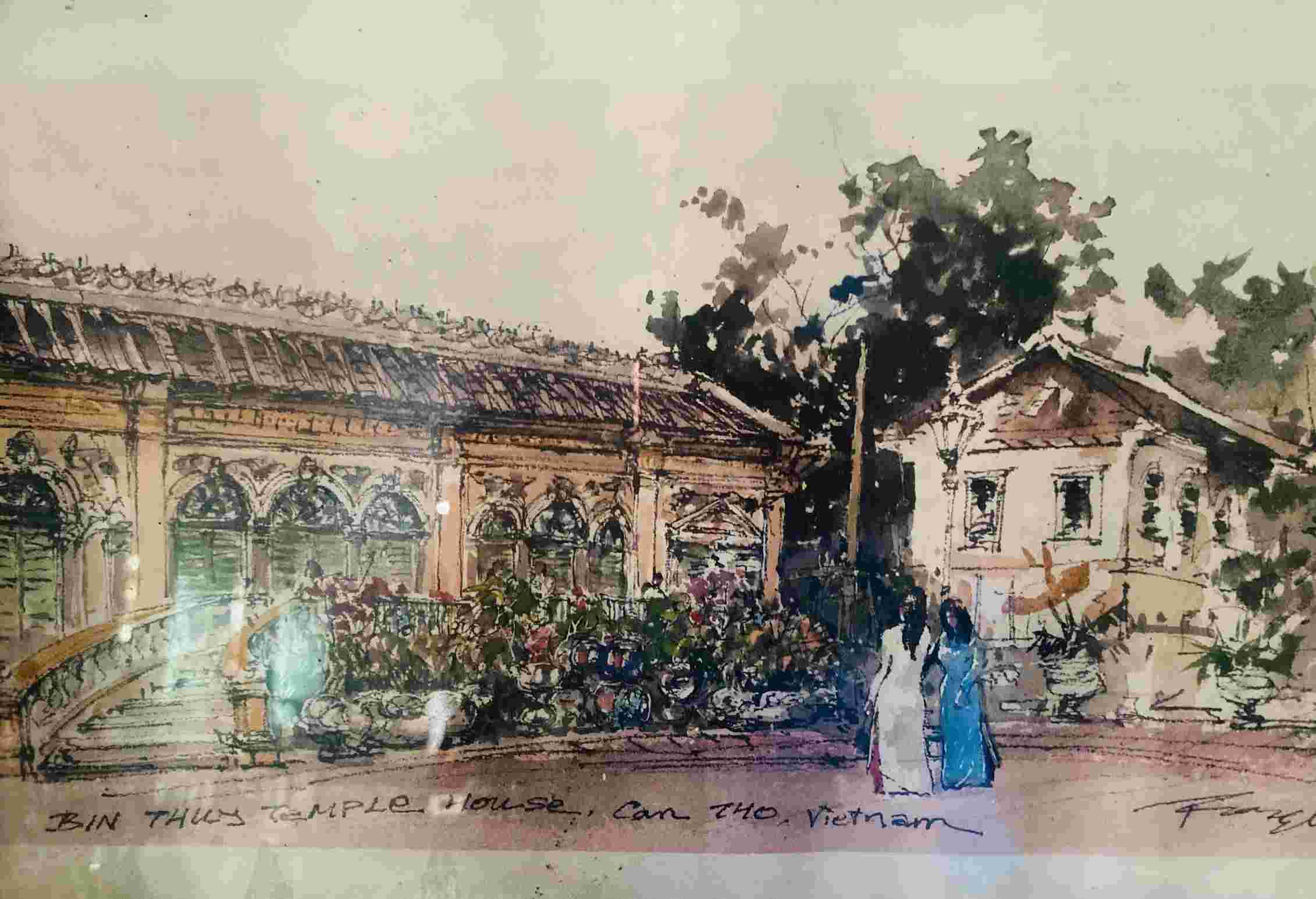
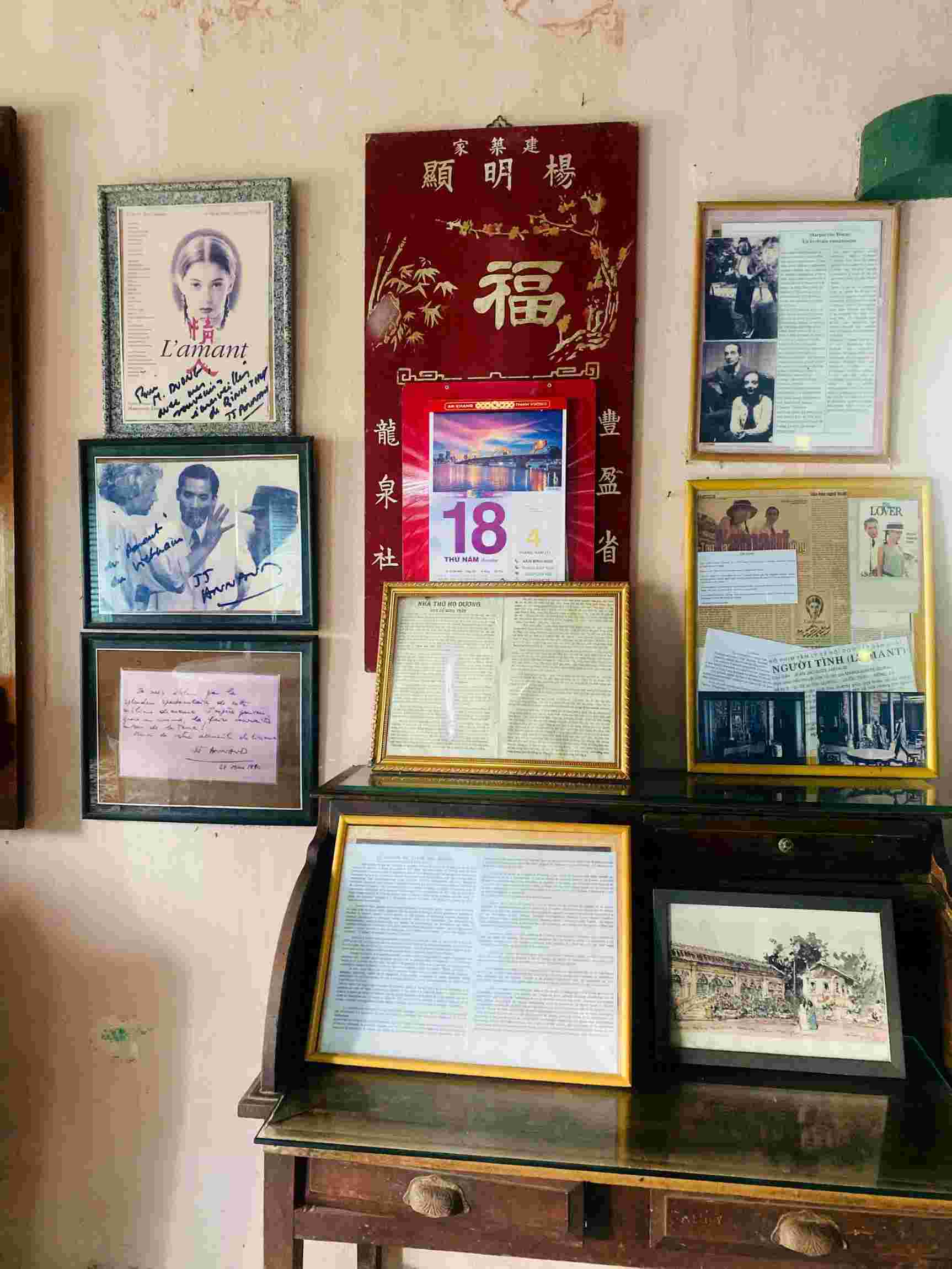
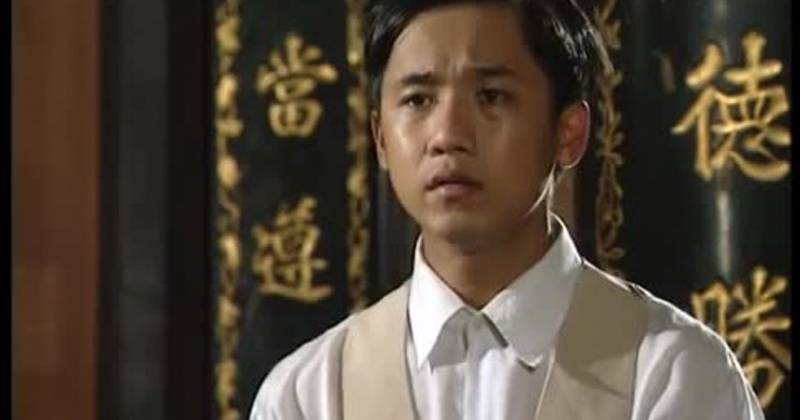
Not only famous for its architectural value, Binh Thuy ancient house is also known as the setting for many domestic and foreign films such as "Cây tre trăm đốt", "Con nhà nghèo" and especially the French film "Người tình" (L'Amant) by director Jean-Jacques Annaud.
With outstanding values in history, culture and art, on March 27, 2009, the Ministry of Culture, Sports and Tourism ranked the Duong family temple as a National-level architectural and artistic relic.
Journey to preserve heritage through many generations
Having gone through historical upheavals and two resistance wars, Binh Thuy ancient house is still preserved almost intact thanks to the joint efforts of many generations in the Duong family.
Currently, the management, care and preservation of relics are still directly undertaken by children and grandchildren in the family.
Not only is it an ancient architectural work, Binh Thuy ancient house is also a place to preserve the memories of a land, reflecting the cultural life of the South through many generations. Amidst the modern pace of life, the house is still a special stop for tourists to return to the ancient values and feel the unique intersection of Eastern and Western cultures.


